How Many Italian Greyhounds Queen Victoria Kept
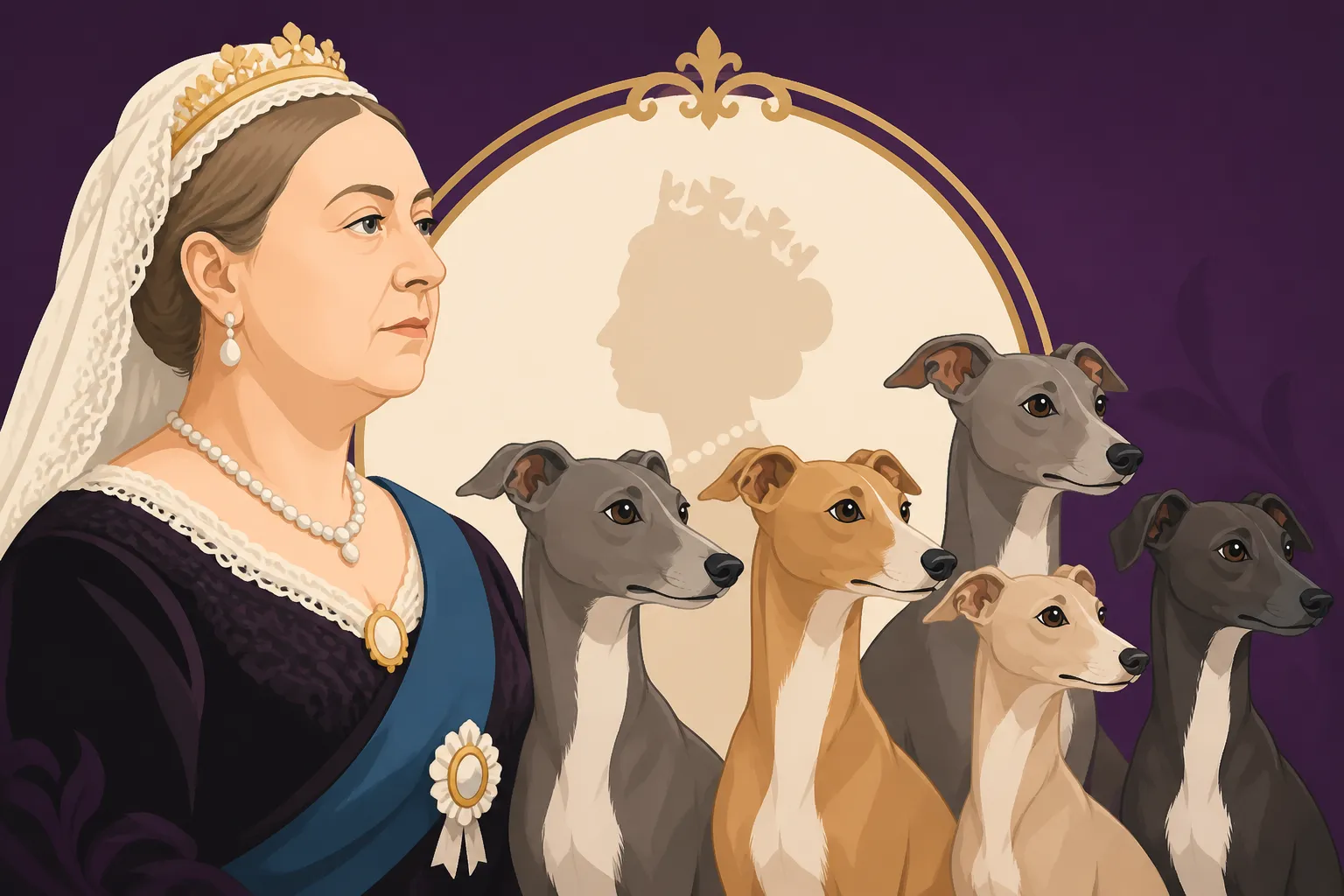
Queen Victoria’s exact number of Italian Greyhounds is not firmly established. Historical accounts associate her with the breed, but they do not provide a consistent, verifiable headcount. The confusion is understandable: the Queen kept many dogs over a long life, and later retellings sometimes blur her Italian Greyhounds with her other pets or with the breed’s wider Victorian popularity.
How many Italian Greyhounds did Queen Victoria keep?
The honest answer is that no reliable exact count is known
Queen Victoria is often named among the British royals who helped make Italian Greyhounds fashionable. But being linked to a breed is not the same as having a complete, surviving record of every dog she owned. There is no widely accepted, well-documented figure that lets us say she kept a specific number of Italian Greyhounds.
That gap can be frustrating when you are looking for a simple answer. A number may appear in a short breed-history account, then be repeated elsewhere without details about where it came from. Unless a source identifies the dogs and explains the evidence for counting them, it is safer to treat an exact figure cautiously.
The most supportable conclusion is that Queen Victoria kept Italian Greyhounds, but the precise number is uncertain. This distinction matters because her long reign and large household meant that the dogs around her changed over time. A count at one moment would not necessarily equal the total number she owned across her life.
For broader context, Which Royals Kept Italian Greyhounds looks at the breed’s connections to royal households, while How Many Italian Greyhounds Queen Victoria Kept is a useful companion topic if you want to keep the question focused on the royal record itself.
Why different accounts can give different impressions
Some accounts describe a monarch as an owner of a breed without naming each individual dog. Others discuss the dogs kept by a household or court, which can make it unclear whether the count refers to the monarch personally, the royal family, or dogs living at a royal residence. Those are not interchangeable categories.
There is also a difference between a momentary count and a lifetime count. If a household had several dogs at once, a portrait or diary entry might show only one or two. If dogs arrived and died over many years, adding every animal together would produce a different number from counting the dogs present on a particular date.
Finally, later histories often compress complicated details into a line or two. The phrase “Queen Victoria owned Italian Greyhounds” can be repeated accurately while the number attached to it becomes less secure. Without a dependable list of named dogs or a clearly described primary record, a precise total should not be presented as settled fact.
Queen Victoria’s broader history with dogs
Her household included many breeds
Queen Victoria was associated with a wide range of dogs, not only Italian Greyhounds. Her life at court and her family’s changing interests meant that the royal household included dogs of different types at different times. In that setting, a breed history may mention her as one of several royal admirers without providing a full household inventory.
This is one reason Italian Greyhounds can get lost in the wider story. Readers may encounter familiar accounts of the Queen’s better-known dogs and assume every royal dog in a general list was the same breed. But royal pets included distinct breeds, and a name mentioned in a memoir or portrait caption should not be assigned to an Italian Greyhound unless the record actually identifies it that way.
When reading a list of royal dogs, pay attention to what the source is counting. Is it a list of all dogs associated with the Queen? Dogs at one residence? Dogs kept by members of the royal family? Or only Italian Greyhounds? Those details can turn an apparently straightforward number into a much narrower claim.
For a wider look at the breed’s past, Where the Italian Greyhound Comes From and How Old the Italian Greyhound Breed Is help separate the breed’s long history from the shorter story of its popularity in Victorian Britain.
Her influence is easier to describe than her personal dog count
Queen Victoria’s association with Italian Greyhounds is often treated as part of the breed’s Victorian-era visibility. Royal interest could draw attention to a breed, especially when fashionable families and artists followed the tastes of the court. But cultural influence is not proof that she owned a large number of them.
It is helpful to separate three related claims: that the Queen owned Italian Greyhounds, that royal interest helped make them fashionable, and that she personally kept a particular number. The first two may appear in breed histories; the third needs specific evidence. One claim should not automatically be used to prove the next.
The same caution applies to stories about the Queen changing the breed’s size or appearance. Breed history can involve shifts in fashion, breeding choices, and changing standards, but assigning those changes to a single person requires evidence. For perspective on the breed’s size and proportions, see What an Italian Greyhound Weighs and How Tall It Stands and The Italian Greyhound Against the Whippet and the Greyhound.
How to judge claims about the number
Look for names, dates, and the kind of record being cited
A convincing claim about a specific number should explain how the figure was reached. Does it name the individual Italian Greyhounds? Does it identify a diary, letter, household record, or contemporary account? Does it specify a date or period? Those details help distinguish a documented count from a number that has simply been repeated.
A list of named dogs can be useful, but even that needs context. A dog might belong to another member of the household, appear in a painting without a reliable breed identification, or be mentioned in a later account that does not establish ownership. Names and images are clues, not automatically a complete census.
If an account gives a number but offers no explanation, treat it as a lead rather than a final answer. You can phrase the history accurately without repeating a questionable figure: Queen Victoria kept Italian Greyhounds, and her association with the breed is part of its Victorian story, but her exact total is not firmly documented.
Separate royal ownership from breed popularity
A breed can become fashionable without a monarch owning many examples. A single well-known dog, a portrait, or an association with a prominent household may be enough to raise public interest. Conversely, a monarch might keep several dogs of a breed without that number being preserved in surviving records.
This distinction matters when describing the Italian Greyhound’s history. The breed had a much longer story than its Victorian-era popularity, and it was not created by Queen Victoria. Its connections with royal and aristocratic households stretch across different countries and periods. Why the Italian Greyhound Is Called the Italian Greyhound explores the name, while The Renaissance Painters Who Put Italian Greyhounds in the Frame offers a glimpse of the breed’s earlier cultural presence.
| Historical question | What can responsibly be said |
|---|---|
| Did Queen Victoria keep Italian Greyhounds? | She is historically associated with owning the breed. |
| Is there a dependable exact total? | No widely accepted, clearly supported count is established. |
| Why do accounts differ? | They may count different periods, households, or categories of royal dogs. |
| Did she create the breed? | No. The Italian Greyhound’s history predates the Victorian era. |
| What is the safest wording? | She kept Italian Greyhounds, but the exact number is uncertain. |
What the story means for Italian Greyhound owners today
Royal association is history, not a care guide
It is lovely to imagine an elegant little sighthound padding through a royal household, but the practical needs of the breed are not shaped by its royal reputation. Italian Greyhounds are delicate, fine-coated dogs that need thoughtful handling, warm resting places, and safe opportunities to run. Their history can be fascinating while everyday care remains very hands-on.
For example, a new owner might be drawn to the breed’s graceful appearance and then discover that cold weather makes even a short walk complicated. A soft, properly fitting coat and a comfortable bed can make daily life easier. If you are planning supplies, browsing a retailer such as Chewy can be one way to compare practical items, but fit and your dog’s comfort matter more than the label or style.
The same is true of safety. A petite dog may look nimble, but a jump from furniture or a collision during rough play can cause serious injury. Ramps, supervised play, and calm handling are more useful to a modern owner than any romantic picture of royal life. Why the Italian Greyhound's Leg Bones Break So Easily explains why injury prevention deserves attention, and Keeping an Italian Greyhound Warm Is Daily Work, Not a Winter Job covers the breed’s need for warmth in everyday settings.
A little historical uncertainty does not diminish the breed’s appeal
Not knowing the Queen’s exact number does not make the history less interesting. In fact, it is a good reminder that breed stories are built from surviving records, family accounts, images, and later retellings—and those sources do not always preserve every detail we would like to have.
If you are reading about the breed because you are considering one, balance the historical romance with the realities of ownership. Think about your home layout, winter routine, exercise plans, and ability to supervise a small dog around larger animals. A retailer such as Chewy may help you compare everyday essentials, but a veterinarian and a responsible breeder or rescue are better sources for advice tailored to a particular dog.
For the historical question itself, the clearest answer remains modest: Queen Victoria kept Italian Greyhounds and helped keep the breed in the public imagination, but an exact count cannot be stated with confidence. That wording preserves what is meaningful without pretending the records offer more certainty than they do.
Disclaimer
This article is for general informational purposes only and does not constitute professional advice. Laws, prices and regulations vary by location and change over time. Consult a qualified professional for guidance on your specific situation.