How Victoria Made the Italian Greyhound Fashionable
Queen Victoria did not invent the Italian Greyhound, but her affection for the breed helped make it a fashionable companion in Victorian Britain. Royal visibility gave this small, elegant dog a place in portraits, homes, and public imagination. This guide explains how Victoria influenced its popularity, what that fashion meant, and what it did not change about the breed.
The Italian Greyhound before Queen Victoria
A long history as a companion dog
The Italian Greyhound was already admired long before Victoria came to the throne. Small, fine-boned sighthounds had appeared in European courts and art for centuries, valued as companions as much as for their graceful appearance. The breed’s association with Italy helped shape its name, but its history stretches across a much wider part of Europe.
By the time Victoria became queen in 1837, the Italian Greyhound was not a new discovery waiting to be made. It had already attracted aristocratic owners and appeared in royal circles. Its small size, smooth coat, and delicate outline suited a world where a dog might be welcomed into a drawing room, included in a portrait, or carried close by its owner.
That background matters because the story is not that one monarch created a breed’s appeal. Victoria’s influence was more like a spotlight falling on an already admired dog. For more on the breed’s earlier place in royal life, see Which Royals Kept Italian Greyhounds.
Why the breed suited Victorian taste
Victorian culture placed considerable value on domestic life, personal possessions, and visible signs of taste. A companion dog could be a beloved member of the household, but it could also signal refinement and social standing. The Italian Greyhound’s slim build and poised expression made it a natural fit for this image of elegance.
Its appeal was not purely decorative. Italian Greyhounds are affectionate, closely bonded companions, and those qualities made them well suited to life indoors with people. The breed’s history as a companion is explored in Why the Italian Greyhound Was Bred Purely for Company. A fashionable appearance may have attracted attention, but a dog’s ability to share daily life helped keep that attention meaningful.
How Victoria helped make the breed fashionable
The influence of a queen’s affection
Queen Victoria’s visible interest in dogs helped reinforce the idea that keeping a particular breed could be both fashionable and personally rewarding. When a monarch’s household included a dog, that animal could draw attention well beyond the palace. People who admired the queen might also admire the pets she chose to keep.
Victoria is associated with Italian Greyhounds, and her fondness for them contributed to their prominence in Victorian culture. It is wise, though, to be careful with tidy stories that assign one exact number of dogs or claim that a single pet caused a sudden nationwide craze. Accounts of royal households can differ, and popularity usually builds through many overlapping influences rather than one event. For a closer look at the queen’s dogs, see How Many Italian Greyhounds Queen Victoria Kept.
The effect of royal attention was less a simple endorsement and more a cultural signal. A breed seen near the queen could seem desirable, respectable, and worthy of notice. That association helped give the Italian Greyhound a place in the broader conversation about fashionable pets.
Portraits, visibility, and social imitation
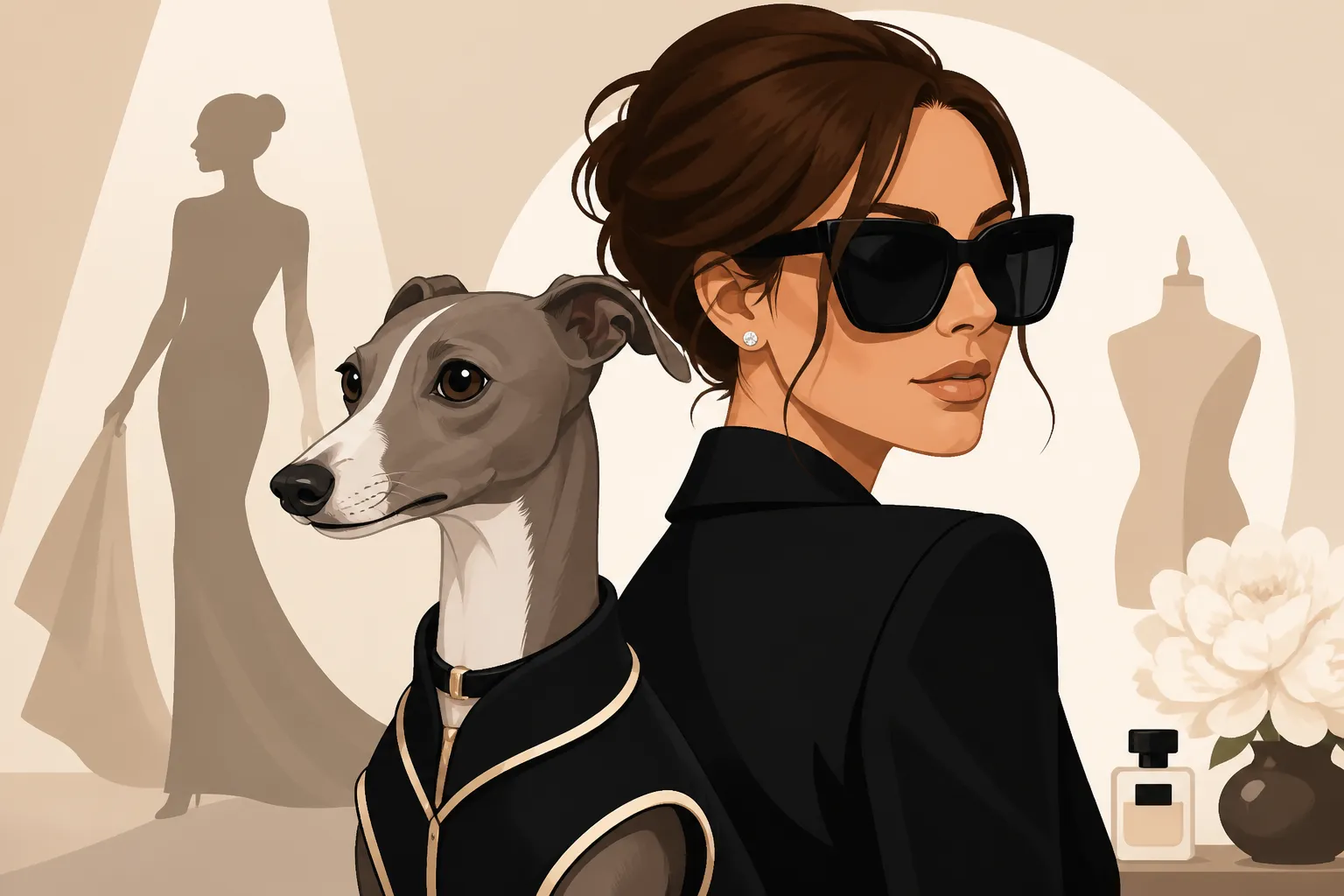
In an age before television and social media, images and public descriptions played an important role in spreading taste. Portraits, illustrations, and accounts of royal life helped people imagine what was admired at court. A graceful little dog beside a prominent owner could become part of the owner’s public identity.
That visual appeal aligned neatly with the Italian Greyhound’s distinctive outline. The breed’s long legs, tucked waist, narrow head, and fine coat could be read as elegant in a portrait or in a well-appointed home. This did not mean every owner wanted a dog as an accessory. Many people formed deep attachments to their dogs. But the dog’s appearance made it especially easy for fashion and affection to overlap.
| Factor | How it supported the breed’s fashionable image | What it did not mean |
|---|---|---|
| Royal association | Made the breed visible as a choice in elite circles | That Victoria created the breed |
| Fine, graceful appearance | Suited portraits and fashionable homes | That the dog was only ornamental |
| Companion temperament | Made it appealing in close household life | That every dog had the same personality |
| Social imitation | Encouraged interest beyond the royal household | That popularity spread instantly or uniformly |
Victorian fashion and the Italian Greyhound’s image
A status dog, but also a household companion
The Italian Greyhound’s fashionable reputation reflected a broader Victorian interest in dogs as companions and symbols of taste. A dog could be cherished privately while also being noticed publicly. Those roles are not mutually exclusive: people often love the very qualities that make a pet admired by others.
For a slim, short-coated breed, life indoors was especially important. Italian Greyhounds are sensitive to cold and often seek warm places, blankets, and close contact. Their need for comfort is not a Victorian invention, even if a well-dressed dog may have suited the era’s visual style. The breed’s broader social meaning is discussed in The Italian Greyhound as a Victorian Status Dog.
Fashion can also distort how people understand a breed. When an animal is praised for delicacy or beauty, the public may overlook practical needs: safe handling, warmth, appropriate exercise, and careful supervision. Those needs remain more important than any image of elegance. A fashionable dog still needs a home prepared for the actual animal, not just its appearance.
Fashion did not make the breed fragile by design
The Italian Greyhound is naturally fine-boned, but it is misleading to say Queen Victoria’s taste created that build. The breed’s shape developed over a long period, and historical popularity is not proof that a particular monarch intentionally bred dogs smaller or more delicate. Claims that royal fashion alone caused the breed’s physical traits oversimplify its history.
A dog’s structure does have real care implications. Italian Greyhounds can be vulnerable to injuries, particularly when young, so owners should prevent risky leaps and rough play with much larger dogs. That is a practical matter of responsible care, not evidence that the breed was shaped by Victorian fashion. The breed’s place among related sighthounds is explored in The Italian Greyhound Against the Whippet and the Greyhound.
The same distinction applies to clothing. A coat may help keep an Italian Greyhound comfortable in chilly weather, but dressing a dog is not what makes it historically or naturally elegant. Fit, freedom of movement, and the dog’s comfort should come before appearance.
What Victoria’s influence means for owners today
Separating historical style from practical care
The Victorian image of the Italian Greyhound can still shape what people expect when they first meet the breed. They may picture a quiet, decorative lapdog. In reality, an Italian Greyhound can be affectionate and cuddly at home while also being alert, energetic, and quick to chase movement outdoors. The elegant silhouette is only one part of a lively companion.
Modern owners can appreciate the breed’s history without treating it as a fashion object. Choose clothing for warmth and fit rather than looks alone; make sure a coat does not restrict the shoulders or legs. For owners shopping online, Chewy is one place to look for dog coats and other everyday supplies, but careful measurement matters more than the label or style. Chewy may also have bedding and blankets, which can be useful for a dog that seeks warm, soft resting spots.
A third practical use for a retailer such as Chewy is browsing basic walking gear, but equipment should suit the individual dog’s shape and behavior. Check that a harness fits securely, does not rub, and allows natural movement. The goal is comfort and safety, not recreating a Victorian portrait.
A legacy of companionship, not just glamour
Victoria’s association with Italian Greyhounds helped make the breed more visible and fashionable, but the deeper reason the breed has endured is its relationship with people. The Italian Greyhound’s history is not only a story of royal preference or fine appearance. It is also the story of a small companion dog that has shared homes and close bonds with people over generations.
That history offers a useful reminder: popularity can make a breed recognizable, but it cannot tell you whether a dog is right for your household. Prospective owners should consider the dog’s need for warmth, gentle handling, companionship, and safe exercise. A beautiful breed still needs a realistic match between its needs and its owner’s daily life.
Queen Victoria helped strengthen the Italian Greyhound’s fashionable image by bringing royal attention to a breed that was already admired. Her influence was significant, but it was one chapter in a much longer history. The dog’s lasting appeal comes from more than style: it comes from the companionship behind the silhouette.
Disclaimer
This article is for general informational purposes only and does not constitute professional advice. Laws, prices and regulations vary by location and change over time. Consult a qualified professional for guidance on your specific situation.