Italian Greyhound or Chihuahua for a First Dog
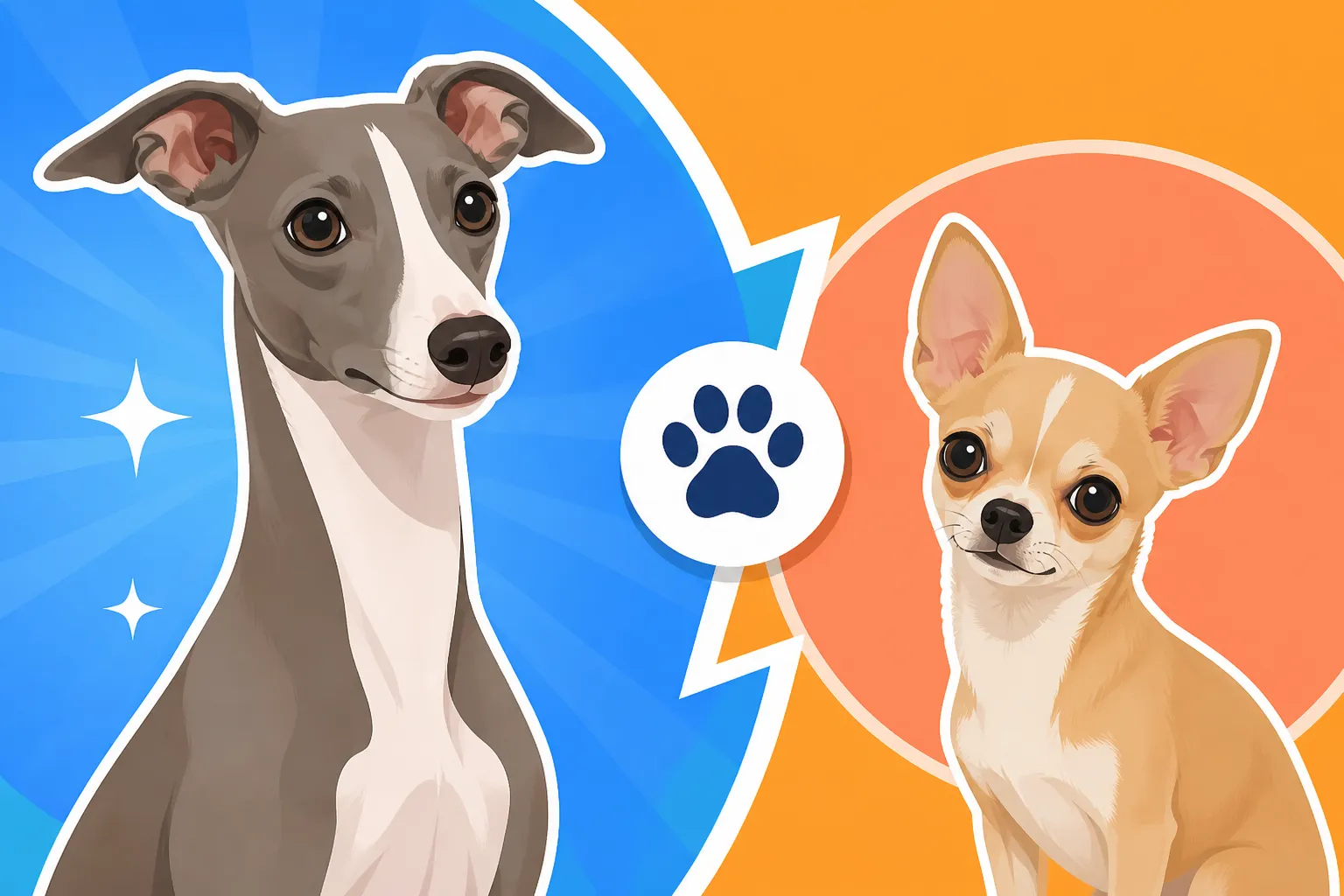
Choosing between an Italian Greyhound and a Chihuahua for your first dog can feel harder than their small size suggests. Both can be affectionate companions, but their needs differ in ways that matter every day: cold-weather comfort, house-training patience, handling, and exercise. This guide compares those practical realities so you can choose the dog whose routine best fits your home and experience.
Start with the kind of daily life you want
Italian Greyhounds are sensitive, close companions
Italian Greyhounds often want to be wherever their people are. Many love curling into a lap or burrowing under a blanket, and they may follow you from room to room. That closeness can be lovely, especially if you want a companion who shares quiet time at home. It can also make alone-time training important from the beginning. A dog that becomes distressed whenever you leave will need gradual practice, not just a comfy bed and a few toys.
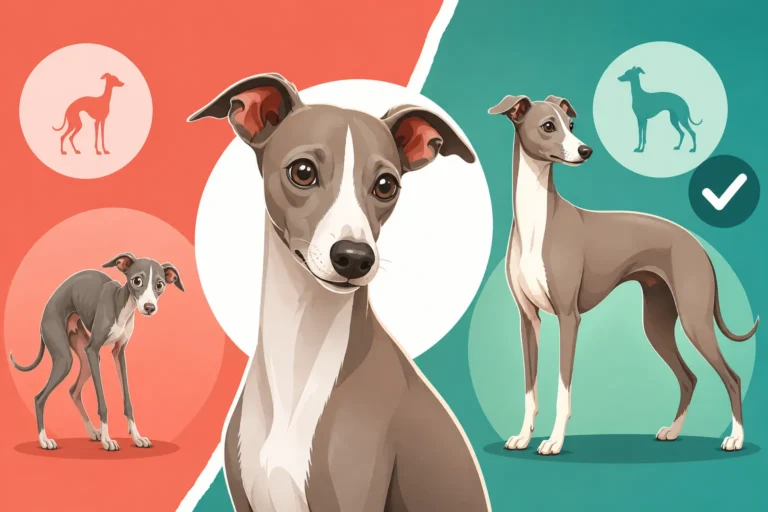
They are also delicate in build. An adult Italian Greyhound is still a dog, not a porcelain ornament, but jumping from furniture, rough play, and being dropped can cause serious injuries. A first-time owner should be ready to manage the environment: use ramps where appropriate, supervise play, and teach children to sit down rather than carry the dog around. For more on safe handling, see How to Pick Up an Italian Greyhound Safely.
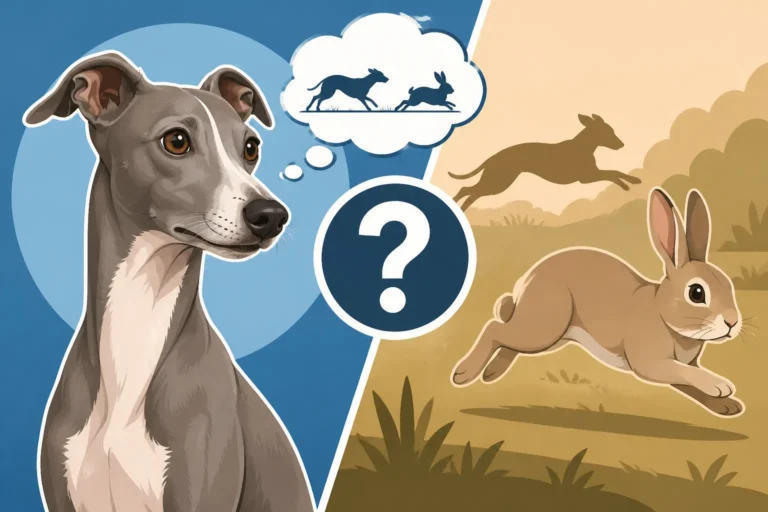
Italian Greyhounds usually need regular opportunities to move and sniff, plus safe chances to run. Their sighthound instincts can take over when they spot a squirrel or rabbit, so an open yard without secure fencing is not a reliable place for off-leash exercise. If you are imagining easy recall in a park, reconsider that expectation and explore Why an Italian Greyhound Cannot Be Trusted Off Leash, Ever. A fenced area and a well-fitted harness make outdoor time safer.
Chihuahuas are adaptable, but not automatically easy
Chihuahuas can suit many living arrangements, including apartments, and their exercise needs are often manageable with walks, play, and indoor enrichment. Their small size can make everyday logistics simpler than with a larger dog. Still, “small” does not mean “no training required.” Chihuahuas need patient socialization, consistent boundaries, and suitable activity just like any other dog.
Temperament varies widely. Some are outgoing with visitors; others are wary or strongly attached to one person. A Chihuahua who feels unsafe may bark, hide, or snap when handled, particularly if people assume the dog will tolerate being picked up at any moment. Calm introductions and rewards for relaxed behavior help prevent small concerns from turning into household habits.
Chihuahuas are also physically vulnerable despite often seeming bold. They can be injured by falls, rough play, or careless handling, so a home with energetic children or large, exuberant dogs needs thoughtful supervision. The breed may be a more practical match if you want a compact companion who can join a modest daily routine, but you will still need to protect the dog from hazards and take its individual personality seriously.
Compare the practical care demands
Cold, clothing, and comfort
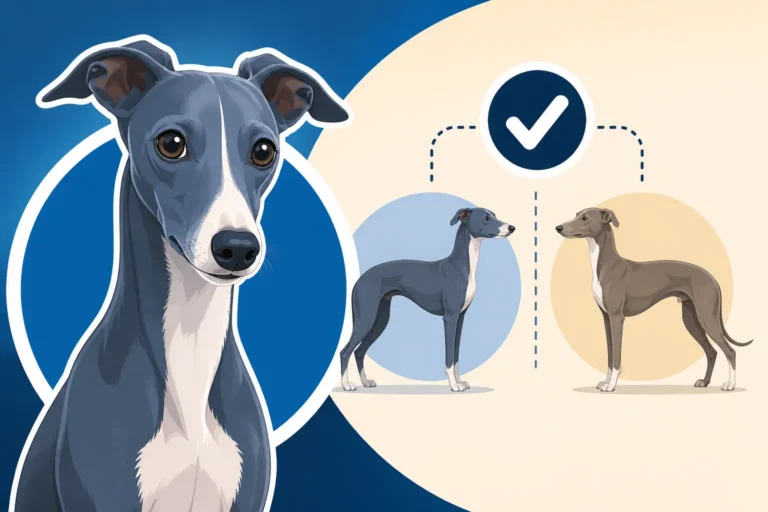
Italian Greyhounds have very short coats and little body fat, so many feel cold quickly. A chilly walk can become a stressful outing if your dog is shivering, reluctant to move, or trying to turn straight back toward the door. Weather-appropriate clothing, a warm place to rest, and shorter outdoor trips during cold spells may be part of ordinary care. See Keeping an Italian Greyhound Warm Is Daily Work, Not a Winter Job for a fuller look at what that routine involves.
Chihuahuas can also get cold, especially the short-coated type, puppies, seniors, and very small individuals. Some appreciate a sweater or blanket, while others are comfortable at temperatures that make an Italian Greyhound shiver. Pay attention to the dog in front of you rather than assuming every Chihuahua has the same needs. Shivering can also have causes other than cold, including fear or discomfort, so persistent or unusual symptoms deserve veterinary attention.
This difference can influence your day more than you might expect. If you live somewhere with long, wet winters, consider whether you are willing to get a reluctant dog dressed for quick bathroom trips and then dry and warm them afterward. Properly fitted clothes can be hard to find for unusual proportions; checking size charts and measurements through retailers such as Chewy may help you compare options, but fit and comfort matter more than the label. For the Chihuahua, clothing may be occasional; for many Italian Greyhounds, it becomes routine.
House-training and everyday management
House-training can be challenging with either breed. Small dogs have small bladders, and cold rain, snow, or wind can make going outdoors less appealing. Italian Greyhounds are especially known for being reluctant to toilet outside in uncomfortable weather, and progress can feel inconsistent even when you are doing the right things. A predictable schedule, close supervision, rewards for outdoor success, and a plan for bad weather are more useful than scolding after an accident. The guide Housetraining an Italian Greyhound Is the Hardest Part of Owning One explains why patience is so important.
Chihuahuas may also have accidents if they are given too much freedom too soon or are not taken out often enough. Some owners use indoor pads or a designated indoor toilet area, but it is worth deciding early whether you want that to be part of your long-term routine. Switching between indoor and outdoor toileting can work for some households, though clear, consistent cues help the dog understand what is expected.
For either breed, clean accidents thoroughly and avoid punishment. Punishment can make a dog hide to toilet rather than teach the desired behavior. A first-time owner should be prepared for repeated trips outside, close attention to sniffing and circling, and occasional setbacks during changes in routine or weather. If you prefer an approach that depends on a dog reliably asking to go out, a young puppy of either breed may frustrate you.
Grooming, teeth, and routine health care
Neither breed needs elaborate coat grooming. A quick brush or wipe-down is usually manageable, but short coats do not mean there is no care to do. Nails, ears, skin, weight, and dental health all need attention. Small dogs can develop significant dental problems, so it is wise to make gentle mouth handling and tooth brushing part of the routine early. Read Brushing an Italian Greyhound's Teeth Is the Care Task That Matters for practical context on the Italian Greyhound’s dental needs.
Chihuahuas also need consistent dental care. Their compact mouths can be prone to crowded teeth, and a dog who has never had its mouth handled may resist brushing. Introduce a toothbrush gradually: first let the dog sniff it, then touch the muzzle briefly, and build toward brushing a few teeth at a time. A small toothbrush and dog-safe toothpaste are easy to find at pet retailers, including Chewy, but the important part is choosing tools your dog will tolerate and using them consistently.
Before choosing either breed, look beyond the puppy stage. Ask a veterinarian about preventive care, dental exams, vaccinations, and how to keep the dog at a healthy weight. Italian Greyhounds may need extra care around fractures and anesthesia planning, while Chihuahuas can have their own breed-related health concerns. Individual health, responsible breeding or rescue history, and routine veterinary care matter more than assuming one breed is universally healthier.
Think about training, handling, and your household
Which dog may be easier for a first-time owner
There is no universal winner. A Chihuahua may be easier if you want a compact dog who can adapt to a smaller home and you are prepared to teach polite behavior rather than carrying the dog out of every difficulty. An Italian Greyhound may suit you if you value a sensitive, affectionate companion, have time for close company, and are comfortable managing cold-weather needs and physical safety.
Training style matters for both. Small dogs can learn quickly, but they are often accidentally allowed to practice behaviors that would be corrected in a larger dog: barking at guests, pulling on leash, or guarding a lap. Reward-based training, short practice sessions, and predictable routines help. Harsh corrections can frighten a sensitive dog and damage trust, so aim to show the dog what you want rather than relying on intimidation.
A first dog is not necessarily a dog that needs little effort. It is a dog whose needs you can meet consistently. If you work away from home for long stretches, travel often, or want a dog who is comfortable being left alone without gradual preparation, either breed could be a difficult fit. For an Italian Greyhound in particular, read The Velcro Dog: What Constant Company Means With an Italian Greyhound and think honestly about the time your schedule allows.
Children, visitors, and other pets
A home with young children needs close supervision with either breed. Children may not recognize when a small dog is tired or frightened, and a dog may react if grabbed, cornered, or startled. Make a house rule that the dog can always retreat to a quiet space and that children do not pick the dog up without an adult’s help. For Italian Greyhounds, that rule also helps reduce the risk of a fall or injury.
Chihuahuas can be confident and lively, but an unfamiliar person reaching over them may feel threatening. Italian Greyhounds may be reserved or cautious with strangers, especially if they have not had positive, gradual exposure. Let the dog approach visitors at its own pace. Have guests avoid leaning over the dog or insisting on a greeting, and reward calm behavior from a comfortable distance.
Consider existing pets as well. A dog’s history and temperament matter more than a general breed label, and introductions should be managed carefully. Italian Greyhounds may be especially vulnerable during rough play with a larger dog, while a Chihuahua may be intimidated or injured by an overly boisterous companion. If you have a cat, ask about the individual dog’s experience with cats and supervise until you understand how they behave together.
Make the choice with a realistic checklist
Compare the breeds against your routine
Use the table as a starting point, not a guarantee about any individual dog. Age, health, temperament, early socialization, and past experience can make a major difference.
| Everyday consideration | Italian Greyhound | Chihuahua |
|---|---|---|
| Cold-weather care | Often needs frequent warmth and weather-appropriate clothing | May need warmth, especially if short-coated or very small |
| Exercise | Enjoys walks and safe opportunities to run | Often content with walks and indoor play |
| Outdoor safety | Strong chase instincts make secure containment important | Also needs leash and yard safety; size can make hazards easy to miss |
| House-training | Can be difficult, particularly in cold or wet weather | Can also be challenging; small bladder and routine matter |
| Handling | Slender build calls for careful lifting and protection from falls | Small size also requires gentle, careful handling |
| Social style | Often very attached to family and may need gradual alone-time practice | Temperament ranges from social to wary or one-person focused |
| Coat care | Minimal grooming, but warmth is a recurring need | Minimal grooming; clothing needs vary by individual |
| Best fit to consider | A patient owner who wants close companionship and can manage fragility and cold | An owner seeking a compact companion who will still provide training and respectful handling |
Ask yourself what happens on an ordinary Tuesday, not just during a relaxed weekend. Can you take a dog out before work, return at predictable intervals, and keep up with training? Will you still provide company and enrichment when the weather is unpleasant? Can you afford routine veterinary care and respond calmly if an emergency occurs? These practical questions often make the decision clearer than appearance or breed popularity.
If you are considering a puppy, look for a responsible breeder who welcomes questions about health, temperament, and the puppy’s parents. If you are considering adoption, ask the rescue or shelter about the dog’s comfort with handling, toileting habits, time alone, and experience with children or other pets. A thoughtful adult dog with a known personality may be a better first-dog match than a puppy whose adult temperament is still developing.
A simple way to decide
Choose the Italian Greyhound if you are drawn to a quiet, physically sensitive companion and are ready for warm clothing, careful handling, secure outdoor exercise, and patient house-training. The match is strongest when someone is home often or can arrange a gradual, supportive plan for alone-time. A prepared owner can find the closeness rewarding, but the breed’s needs should not be minimized just because the dog is small.
Choose the Chihuahua if you want a very small companion and are prepared to invest in socialization, boundaries, and respectful handling. Some Chihuahuas adapt readily to city life and a modest exercise routine; others need extra support around visitors, noise, or separation. Meet the individual dog if possible and ask specific questions about how it behaves in everyday situations.
If you remain unsure, spend time with adult dogs of both breeds before deciding. Talk with owners, foster caregivers, or breed-rescue volunteers, and observe how the dogs respond to ordinary handling and household activity. The best first dog is not the one with the simplest reputation. It is the one whose real needs fit your time, home, expectations, and willingness to learn.
Disclaimer
This article is for general informational purposes only and does not constitute professional advice. Laws, prices and regulations vary by location and change over time. Consult a qualified professional for guidance on your specific situation.