The Italian Greyhound as a Victorian Status Dog
The Italian Greyhound’s fine-boned frame and elegant outline made it an eye-catching companion in Victorian Britain, but its appeal was about more than looks. This guide explains how the breed became associated with fashionable households, what that association signaled, and how to separate the historical image of a prized lapdog from the lively, sensitive dog people live with today.
How the Italian Greyhound Became a Victorian Status Dog
A fashionable companion with an older history
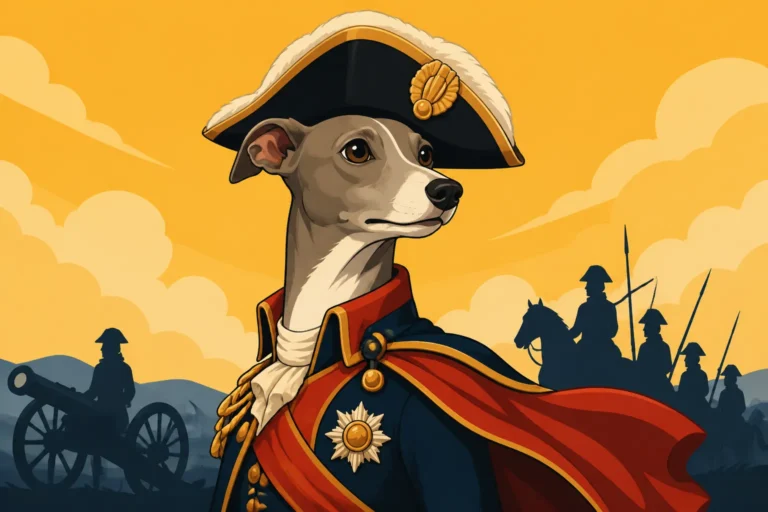
The Italian Greyhound did not appear in Victorian Britain as a newly invented status symbol. The breed had been admired in Europe for centuries, and its small sighthound shape had already found a place in aristocratic households and art. Its Victorian reputation grew from that longer history: it was a familiar emblem of refinement that fit neatly into the period’s enthusiasm for pets, portraiture, and carefully arranged domestic life.
Its appeal was distinctive. An Italian Greyhound was small enough to live closely with people, yet it carried the graceful proportions and quick, athletic movement associated with larger sighthounds. In a formal room or a painted portrait, the dog could look delicate and composed. At home, it could curl beneath a blanket or stretch out beside its person. That combination of elegance and intimacy made the breed especially well suited to life as a companion.
The dog’s older artistic associations helped reinforce its fashionable image. Seeing the breed in paintings could suggest continuity with European courtly taste rather than a passing novelty. For context on those visual traditions, see The Renaissance Painters Who Put Italian Greyhounds in the Frame. Victorian admirers were responding to a breed with an established cultural presence, not simply choosing an unusual pet because it was small.
What “status dog” meant in Victorian life
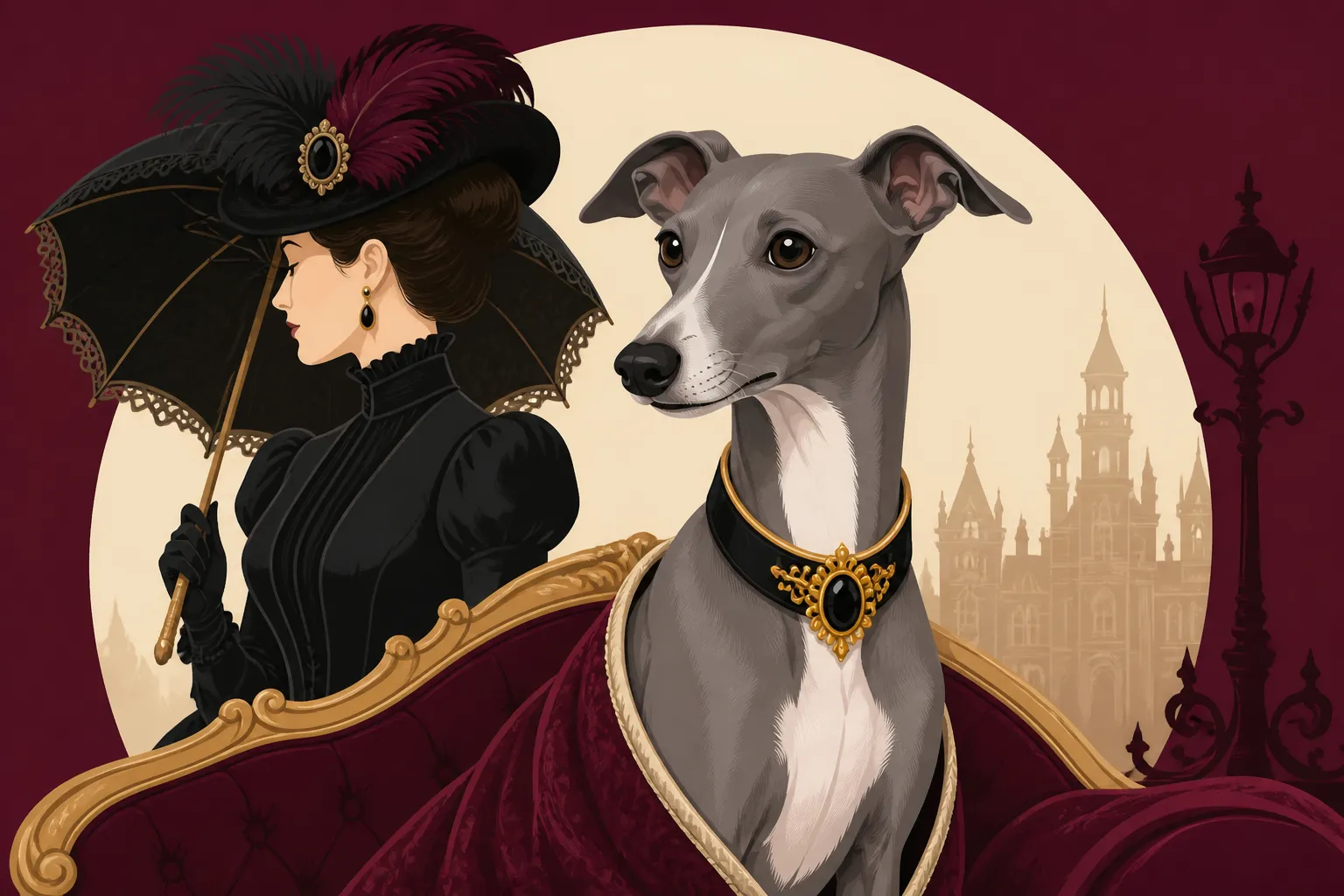
Calling the Italian Greyhound a status dog does not mean every owner was wealthy or that the breed had a formal social classification. It means that keeping one could communicate taste, leisure, and access to the time and resources required to care for a companion animal. A finely bred dog, fashionable accessories, and a carefully managed home all helped express how an owner wanted to be seen.
That symbolism was especially visible in portraits. A dog beside its owner was not merely decoration; it could help shape the story the image told about the person. A small, elegant Italian Greyhound might suggest affection and gentility, while also signaling that the household could accommodate an animal whose comfort depended on attentive care. The topic connects naturally with What an Italian Greyhound Signaled in a Portrait.
Still, status and affection were not opposites. People could value an Italian Greyhound for its appearance and be genuinely attached to it. The breed’s tendency to seek warmth and closeness made it a companion in the everyday sense, not just a prop for a formal picture. The lasting appeal of that close relationship is explored in The Italian Greyhound as a Bed Warmer.
Why the Breed Suited Victorian Fashion and Homes
Elegance in a compact form
Victorian taste often prized objects and animals that looked carefully made, graceful, and distinctive. The Italian Greyhound’s narrow head, arched outline, fine coat, and long legs gave it an unmistakable silhouette. It could look striking without needing the scale of a large hound, and its small size made it easier to keep close in a household where people valued indoor companionship.
Its build also distinguished it from sturdier small dogs. The Italian Greyhound is a sighthound in miniature, not simply a tiny version of a Greyhound, and it has its own breed identity and proportions. Its slender appearance could be read as refinement, though that same delicate look came with practical needs: warmth, gentle handling, and safe places to rest. The distinction between its breed group and its appearance is covered in Why the Italian Greyhound Is a Toy and Not a Hound.
The breed’s compact size should not be mistaken for a lack of athleticism. Italian Greyhounds can move quickly and enjoy bursts of energetic play, even if they are often happiest tucked in close after activity. That blend—delicate-looking at rest, fast and spirited in motion—helped make the dog visually memorable. It also reminds modern owners that a fashionable outline does not mean a dog should be treated as fragile ornament.
A lapdog, but not merely an accessory
The Italian Greyhound’s role as a close companion suited homes where dogs were welcomed into domestic routines. The breed’s short coat and low body fat mean many individuals are sensitive to cold, and they often seek soft bedding, blankets, or a warm lap. Those needs may have made them especially appealing to owners who wanted a dog that stayed near them indoors.
At the same time, “lapdog” can create an incomplete picture. Italian Greyhounds have their own preferences, energy, and sensitivity. Some are playful and curious; many are closely attached to their people. They still need exercise, training, and safe opportunities to move. Their historical image as a decorative companion does not capture the whole animal.
That difference matters today. An owner drawn to the breed’s Victorian elegance should also plan for practical care: a secure harness, safe indoor footing, warm clothing when appropriate, and supervised movement around furniture. A modern wardrobe or bedding setup is a far cry from a Victorian household, but the basic comfort needs remain. For a broader look at the breed’s long-standing companionship role, see Why the Italian Greyhound Was Bred Purely for Company.
Queen Victoria and the Breed’s Public Image
Royal interest and fashionable influence
Queen Victoria is often associated with the Italian Greyhound’s popularity in Britain. Royal interest could make a breed more visible and desirable, particularly among people who followed court life and fashionable society. When a monarch or other prominent figure kept a particular kind of dog, that choice could encourage attention beyond the household itself.
It is worth being precise, though: royal ownership did not create the breed, and it does not mean every Victorian Italian Greyhound owner was copying the Queen. The breed already had a European history and an established reputation. Victoria’s association helped strengthen its public image within Britain, while breeders, owners, artists, and dog-show culture all contributed to how the breed was perceived. Related reading includes How Victoria Made the Italian Greyhound Fashionable and Which Royals Kept Italian Greyhounds.
The details of royal ownership are often retold as if one famous dog alone explains the breed’s rise. The broader story is more convincing: royal visibility added to existing interest, while the Italian Greyhound’s striking appearance and suitability as an indoor companion made it compelling on its own. For a closer look at the Queen’s connection to the breed, see How Many Italian Greyhounds Queen Victoria Kept.
From aristocratic image to wider ownership
Victorian Britain saw growing interest in pet keeping and organized dog culture. As pets became more visible in domestic life, a breed once strongly associated with elite taste could attract people beyond the highest social circles. That did not erase its fashionable image; rather, it allowed the image to travel. The dog could remain an emblem of elegance while becoming a companion for a broader range of households.
Dog shows and breeding also helped make breeds more recognizable to the public. A standardized appearance gave people a shared idea of what an Italian Greyhound should look like, while fashionable portraits and stories kept the breed in view. This shift from a largely courtly image toward a more widely recognized companion breed is part of why the Victorian period remains an important chapter in its story.
The same pattern appears in many breeds: a dog can be admired as a marker of taste and still be loved for ordinary, unglamorous reasons. Someone may appreciate the graceful outline but become devoted because the dog follows them from room to room, burrows under a blanket, or greets them with a burst of speed. The status image helped draw attention; day-to-day companionship helped sustain it.
The Victorian Image and the Italian Greyhound Today
What has changed and what remains familiar
The Italian Greyhound is no longer primarily understood through Victorian social fashion. Today, prospective owners are more likely to ask about temperament, exercise, training, warmth, and health than whether the breed appears in royal circles. Yet some features that supported its old-fashioned image still shape modern life: its elegant build, close attachment to people, and preference for comfort.
The breed’s need for warmth is one of the clearest examples. A Victorian owner might have valued a dog that curled close indoors; a modern owner may be choosing a well-fitting sweater, a warm bed, or a sheltered spot away from drafts. Retailers such as Chewy can be one place to compare general pet-care supplies, but fit, comfort, and safe use matter more than a fashionable look. A coat should allow natural movement, and bedding should be comfortable without creating overheating risks.
Care for teeth, nails, skin, and exercise also deserves attention. A dog’s graceful appearance does not make routine care optional. Likewise, its small size does not mean it should be carried everywhere or allowed to leap recklessly from furniture. Practical choices tend to serve the dog better than trying to recreate a historical image.
Reading the status-dog story without romanticizing it
The Victorian story is enjoyable because it connects the breed to art, royal households, and changing ideas about pets. But it is easy to romanticize the past and imagine that an Italian Greyhound’s life was automatically comfortable because its owner was wealthy or fashionable. The dog still had physical needs, and the historical record of social prestige does not tell us how every individual animal was treated.
A useful way to understand the breed is to hold both ideas at once: Italian Greyhounds have long been admired for their looks, and they are living companions with distinct needs. A modern owner can appreciate the breed’s history while making decisions based on the individual dog in front of them. That may mean choosing a warm resting place, keeping floors from becoming slippery, or working patiently on training rather than expecting a small sighthound to behave like a porcelain ornament.
For owners interested in bringing that comfort into present-day life, Chewy offers a broad place to browse items such as blankets and dog clothing; the important step is checking whether a particular item suits the dog’s size, movement, and sensitivity. The historical link between warmth and companionship is also explored in The Italian Greyhound as a Bed Warmer. A thoughtful setup respects the breed’s heritage without letting a romantic image overshadow its everyday welfare.
| Victorian association | What it suggested | What it means for owners today |
|---|---|---|
| Graceful, fine-boned appearance | Refinement and fashionable taste | Appreciate the breed’s form while handling it gently |
| Royal and aristocratic visibility | Social prestige and public attention | Treat royal history as context, not a guide to care |
| Close indoor companionship | Leisure and a domestic bond | Provide company, warmth, and a comfortable resting place |
| Presence in portraits and art | Beauty, status, and personal identity | Remember that a real dog is more than a visual symbol |
| Small size and elegant outline | A distinctive companion breed | Offer safe exercise and avoid risky jumps or rough play |
Chewy may also help owners compare routine supplies, such as grooming tools or bedding, but no product choice replaces observing how a particular Italian Greyhound responds to its environment. The breed’s Victorian reputation tells us why people admired it; attentive daily care is what helps it thrive now.
Disclaimer
This article is for general informational purposes only and does not constitute professional advice. Laws, prices and regulations vary by location and change over time. Consult a qualified professional for guidance on your specific situation.