Whether Italian Greyhound Owners Would Choose One Again
Italian Greyhound owners often adore the breed’s affectionate, funny, elegant little companions—and still admit that the cold sensitivity, house-training challenges, and worry about fragile legs can be exhausting. Whether someone would choose an Italian Greyhound again usually comes down to fit: the right home can feel wonderfully close-knit, while the wrong expectations can make everyday care feel like a constant uphill climb.
Why Many Italian Greyhound Owners Would Choose One Again
The companionship feels unusually close
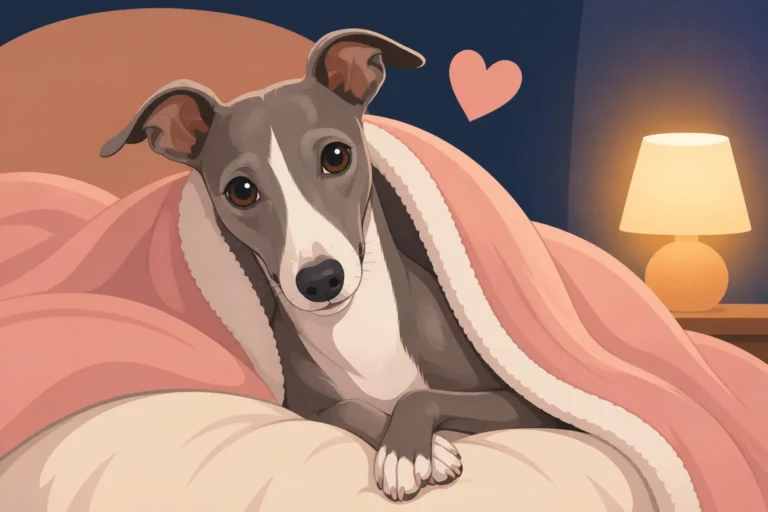
Italian Greyhounds are often happiest curled against their people, tucked beneath a blanket, or following a familiar person from room to room. For an owner who wants a close companion rather than a dog who is content to spend much of the day independently, that devotion can be the breed’s defining pleasure. A quiet evening with an Italian Greyhound asleep in your lap can feel like exactly the kind of company you hoped for.
That closeness can also be demanding. Some Italian Greyhounds find being left alone difficult, and a dog who shadows you constantly may struggle when your schedule changes. Owners who would choose the breed again often make companionship part of the plan: they arrange gradual practice with alone time, predictable routines, or help from a trusted sitter rather than assuming the dog will simply adjust. For a deeper look at that bond, see The Velcro Dog: What Constant Company Means With an Italian Greyhound.
The same personality that makes the breed affectionate can make it tender-hearted. Harsh correction may frighten or confuse a sensitive dog rather than teach the lesson intended. Many owners value gentle training, patience, and small rewards, especially when a dog is learning to settle alone or cope with new places. If you want a dog who thrives on a soft approach, this sensitivity may feel like a point of connection; if you prefer a highly independent pet, it may feel like work.
Their size and indoor habits suit some households beautifully
Italian Greyhounds take up little physical space and often enjoy lounging indoors. They can suit an apartment or smaller home when their needs for exercise, toilet breaks, warmth, and safe movement are met. Owners who choose the breed again may appreciate how easily a small dog fits into a lap, a car ride, or a well-organized living space.
Small does not mean effortless, though. A compact dog still needs opportunities to move, sniff, play, and explore. A fenced area or a secure long line can provide safer exercise than relying on off-leash recall, particularly when the dog spots a squirrel or rabbit. Their sighthound instincts can take over quickly, so owners should not assume a familiar park or quiet trail is automatically safe. Why an Italian Greyhound Cannot Be Trusted Off Leash, Ever explains why that caution matters.
Many people also love the breed’s playful contrast: a sleek, delicate-looking dog can suddenly race around the living room with astonishing enthusiasm, then collapse under a blanket as if the sprint never happened. That lively burst of energy can be delightful when the home has safe space for it. Owners who keep indoor pathways clear and use rugs on slippery floors are better prepared for those zoomies than owners who expect the dog to move cautiously just because it looks fragile.
The Challenges That Make Some Owners Hesitate
House-training can take patience and a backup plan
House-training is one of the most commonly discussed frustrations among Italian Greyhound owners. Some dogs are reluctant to go outside in cold, wind, or rain; others may need more frequent opportunities than their people expect. A dog that holds it during a miserable walk and then has an accident indoors can leave an owner feeling as if months of effort have disappeared overnight.
A practical routine helps: offer a toilet break after waking, meals, play, and naps; go with the dog rather than sending them out alone; and reward the behavior you want immediately. If outdoor conditions are consistently difficult, an indoor toilet area may be a useful management tool for some households. It is not a sign of failure to choose a system that works reliably for the dog and family. Housetraining an Italian Greyhound Is the Hardest Part of Owning One covers the challenge in more depth.
Consistency matters more than scolding. Punishment can teach a dog to hide when they need to go, which makes the problem harder to spot and solve. Owners who would choose the breed again often accept that progress may be uneven, especially during winter or after a move. Before bringing one home, ask yourself whether you can manage frequent breaks, cleanup, and a flexible plan without expecting a quick, perfectly linear result.
Cold weather and clothing become part of ordinary care
A thin coat and lean body mean many Italian Greyhounds are uncomfortable in conditions other dogs barely notice. A chilly morning can turn a normally willing walker into a dog who refuses to leave the doorway. Owners may need to plan for warm layers, sheltered toilet breaks, and indoor activities when the weather is unpleasant. The Italian Greyhound That Refuses to Go Out in the Cold explores why this can become such a familiar household scene.
Clothing is not just a cute accessory for every Italian Greyhound. A coat that covers the body comfortably and allows free movement may make outdoor trips more manageable, while a poor fit can rub, twist, or leave the dog exposed. Owners often discover that standard dog clothing does not sit well on the breed’s narrow body and deep chest. When shopping for basics, some people browse Chewy for coats or bedding, but fit and comfort matter more than where an item is purchased.
Warmth also matters indoors. A dog who seeks blankets, burrows into bedding, or shivers near a draft may need a warmer resting spot rather than another brisk walk. A soft, well-positioned bed can help, and an older dog may become more sensitive to cold over time. Keeping an Italian Greyhound Warm Is Daily Work, Not a Winter Job is useful reading for anyone deciding whether the extra routine feels manageable.
What Daily Life With an Italian Greyhound Really Involves
Safety takes more thought than the dog’s size suggests
The breed’s fine-boned build calls for sensible precautions. A jump from a sofa, a collision during rough play, or a tumble on a slippery floor can be more concerning than it might be with a sturdier dog. This does not mean an Italian Greyhound must live in a padded room. It does mean owners should think ahead about how the dog gets onto furniture, where they run, and which playmates are safe.
A ramp or steps can reduce repeated jumping from furniture, and non-slip rugs can help a dog navigate smooth floors with more confidence. Children should be taught to sit on the floor when interacting with the dog and never to carry or drop them. Play with much larger dogs needs close supervision, even when both dogs seem friendly. Setting Up a House an Italian Greyhound Cannot Break a Leg In offers a practical way to think through the home environment.
A safety-minded owner should also be prepared for the possibility of an injury. If a dog suddenly limps, cries out, or refuses to put weight on a leg, contact a veterinarian promptly rather than assuming the problem will pass. Owners often find the risk emotionally stressful because the dog may still seem eager to move around despite an injury. A Broken Leg Is the Emergency Every Italian Greyhound Owner Fears explains why quick veterinary assessment matters.
Care is manageable, but it has details people may not expect
Italian Greyhounds have short coats and do not need elaborate grooming, which is appealing to many people. But simple coat care does not mean no routine maintenance. Nail trimming, dental care, skin checks, and keeping the dog warm can take more attention than a new owner expects. A little weekly handling practice—touching paws, checking ears, and looking at teeth—can make routine care less stressful for both of you.
Dental care deserves particular attention. Small mouths can become crowded, and tartar or gum problems may develop even when a dog seems to eat normally. Brushing at home can support oral health, but it does not replace veterinary examinations or professional care when needed. Some owners pick up toothbrushes and dog-safe toothpaste through retailers such as Chewy; whichever products you choose, ask your veterinarian what is suitable for your dog. See Brushing an Italian Greyhound's Teeth Is the Care Task That Matters for a closer look at building the habit.
Here is a practical snapshot of the trade-offs that often shape an owner’s decision:
| Part of life | What owners may love | What can be difficult |
|---|---|---|
| Companionship | Affectionate, cuddly, and closely bonded | May struggle with long periods alone |
| Home life | Small, often content to relax indoors | Needs safe space for play and movement |
| Training | Responds well to gentle, reward-based teaching | House-training can require patience and consistency |
| Weather | Easy to keep close and comfortable at home | Often needs layers and careful cold-weather planning |
| Safety | Light, agile, and entertaining to watch | Fine bones and strong chase instincts call for precautions |
| Grooming | Short coat and modest grooming needs | Dental care, nail trims, and warmth still need regular attention |
When shopping for practical supplies, prioritize the dog’s needs instead of buying a large collection of gear at once. A secure harness, well-fitting coat, comfortable bed, and non-slip floor coverings may be more useful than novelty items. Chewy is one place some owners look for everyday supplies, but measure carefully and check that clothing and equipment suit an Italian Greyhound’s shape.
How to Decide Whether You Would Choose One Again
Think about your routine, not only the breed’s appeal
It is easy to fall for the Italian Greyhound’s graceful appearance and affectionate reputation. The more useful question is whether the dog’s daily needs fit the life you actually lead. If you are away for long stretches, live in a very cold climate, or want a dog that can reliably run off leash, consider how you would handle those realities before choosing the breed.
Try picturing an ordinary difficult day, not just a lovely one. It is raining, the dog refuses to go outside, you have a work call in ten minutes, and there is an indoor accident to clean up. Or you are visiting friends whose large, excitable dog wants to play. Would you have the patience and flexibility to manage the situation calmly? A realistic answer is more valuable than promising yourself that everything will work out once the dog arrives.
It also helps to consider the life you can provide over the long term. Italian Greyhounds often become deeply woven into a household routine, and their needs may change with age. Owners may need to adapt exercise, bedding, warmth, dental care, and veterinary visits as the dog gets older. Reading What Changes in an Old Italian Greyhound's Care can help you think beyond puppyhood and the first few years.
Use a fit checklist before making the commitment
There is no universal answer to whether Italian Greyhound owners would choose one again. Some people find the breed’s sensitivity and closeness exactly what they want. Others love their particular dog but would choose a breed with different needs next time. Both reactions can be honest: devotion to an individual dog does not mean every part of ownership was easy.
Before deciding, consider the questions below. If most answers feel comfortable—not merely possible if everything goes perfectly—you may be better prepared for life with an Italian Greyhound.
- Can I provide frequent toilet breaks and stay patient through setbacks?
- Can I keep the dog warm and adjust plans when the weather is uncomfortable?
- Can I supervise play and reduce risky jumping or slipping at home?
- Do I have a plan for safe exercise without relying on off-leash recall?
- Can I provide companionship or arrange gradual, thoughtful alone-time training?
- Am I prepared to maintain dental care, nail trims, and regular veterinary attention?
- Can I accept that the dog may be sensitive, cautious, or slow to adjust?
If you are unsure, spend time with adult Italian Greyhounds rather than relying only on puppy visits or breed descriptions. Ask owners what surprised them, what they changed in their homes, and what they would do differently. A responsible breeder or rescue can also help you understand whether your expectations match the dog’s needs. For a broader look at temperament and household compatibility, Who the Italian Greyhound Actually Suits is a helpful companion read.
Choosing an Italian Greyhound again is not about deciding that the breed is perfect. It is about deciding that the connection, personality, and day-to-day rhythm are worth the extra planning. For the right person, the dog’s blanket-seeking habits, dramatic weather opinions, and affectionate shadowing are part of the charm. For someone else, those same traits may be more than they want to manage. Honest expectations make either conclusion kinder to the person and the dog.
Disclaimer
This article is for general informational purposes only and does not constitute professional advice. Laws, prices and regulations vary by location and change over time. Consult a qualified professional for guidance on your specific situation.