Whether an Italian Greyhound Regains Full Use of the Leg
The fear that grips an Italian Greyhound owner when they hear that tell-tale yelp, or worse, see their beloved companion favoring a leg, is unlike any other. Knowing how delicate their bones can be, the immediate thought often jumps to a fracture. Once the diagnosis is confirmed and surgery is discussed, a new, equally terrifying question emerges: will my Italian Greyhound ever really be the same? This guide will dive deep into the journey of leg fracture recovery, exploring what "full use" truly means for an Italian Greyhound, the critical factors that influence their healing, and what you can realistically expect for their long-term comfort and activity.
The Harsh Reality of Italian Greyhound Fractures and Recovery Expectations
When an Italian Greyhound breaks a leg, it's not just a physical injury; it's an emotional earthquake for both the dog and their human. These delicate sighthounds are prone to fractures, often from seemingly innocuous jumps or playful tumbles. The immediate aftermath is a blur of panic, vet visits, and potentially, specialist consultations. Once the dust settles and a treatment plan is in place, the long, arduous road to recovery begins, often leaving owners wondering if their vibrant, zoomie-loving companion will ever truly bounce back.
Initial Shock and the Road Ahead
That initial moment of realization, when you see your Italian Greyhound in obvious pain, perhaps holding up a tiny leg, is gut-wrenching. The quick dash to the emergency vet, the X-rays, and the stark confirmation of a fracture are overwhelming. Suddenly, your world shifts from daily walks and couch cuddles to worrying about surgical success, pin migration, and the possibility of re-injury. It’s a frightening time, and it's perfectly normal to feel a mix of despair and intense determination. You’re not just dealing with a broken bone; you’re facing the potential disruption of your dog's entire way of life, and yours too.
The prognosis, while often good with proper care, still carries a heavy weight. You're told about weeks of strict crate rest, careful handling, and a host of potential complications. It's easy to get lost in the "what ifs," fearing that your Italian Greyhound's zest for life will be forever diminished. This isn't just about the bone knitting back together; it's about muscle atrophy, psychological impact, and adapting to a new normal. The journey isn't a sprint; it's a marathon, and understanding that from the outset can help manage expectations.
Defining "Full Use" for an Italian Greyhound
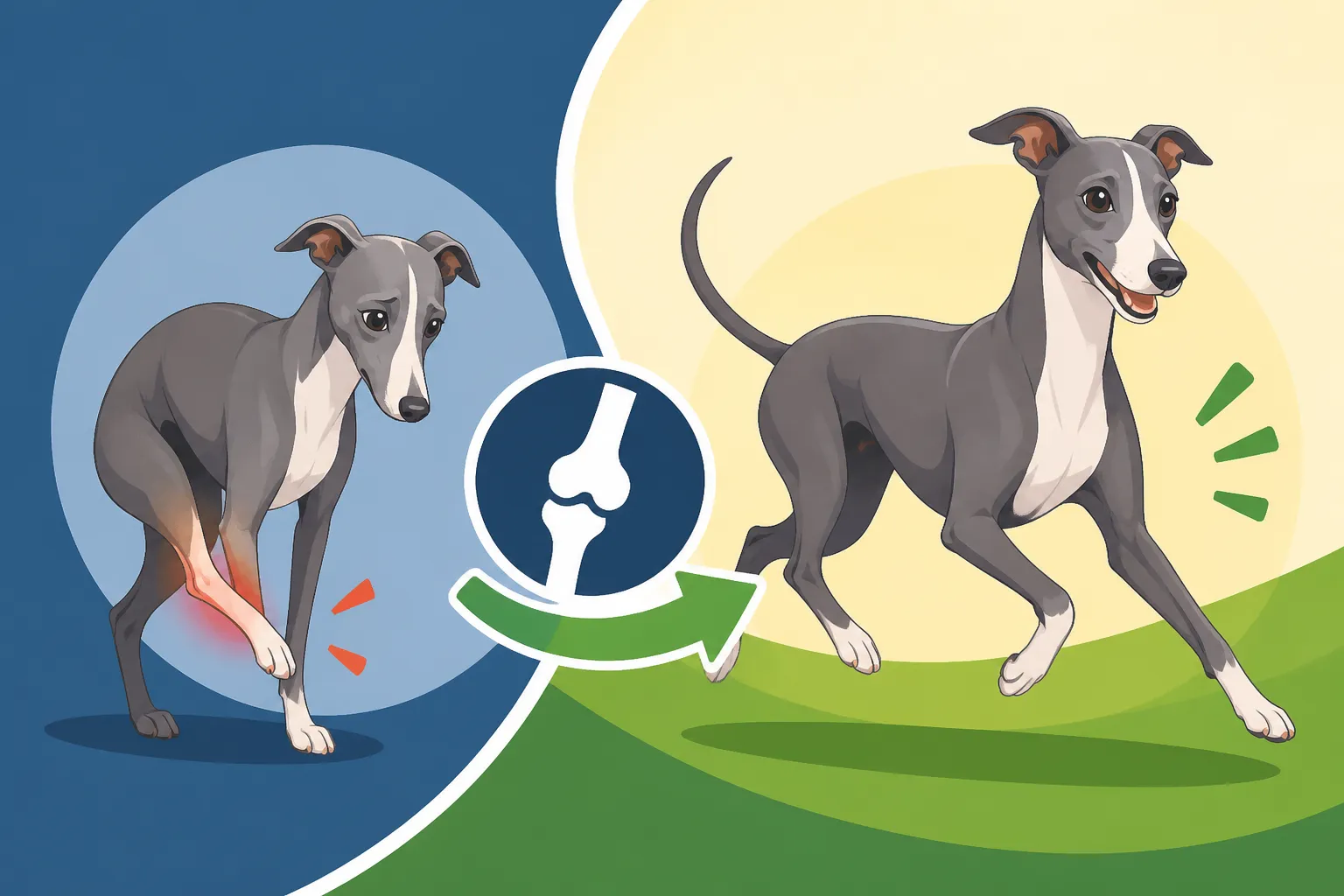
When we talk about an Italian Greyhound regaining "full use of the leg" after a fracture, what exactly do we mean? It's often not a literal return to 100% pre-injury function in every single aspect, especially in the context of high-impact activities. For many owners, "full use" means their dog can walk, run, play, and navigate their home environment without obvious pain or severe limitations. They want to see their IG happy, comfortable, and enjoying life, even if they can't quite scale the sofa like they used to without assistance.
A successful outcome typically involves the bone healing strongly, minimal to no lameness during normal activities, and the ability to bear weight fully and comfortably. However, there might be subtle differences: perhaps a slightly altered gait, a reduced desire for certain high jumps, or a need for a bit more caution on slick surfaces. The goal is an excellent quality of life, where the fracture becomes a distant memory rather than a daily struggle. This is why it's so important to focus on comprehensive rehabilitation and long-term management, not just the initial surgery. The hope is that with the right care, your Italian Greyhound will continue to live their long, happy life, even if one leg has a story to tell.
Factors Influencing a Full Recovery: What's in Your Control
While the initial injury might feel like a stroke of bad luck, the subsequent recovery process involves many elements that you, as an owner, can significantly influence. From choosing the right surgical team to religiously following post-operative instructions and embracing rehabilitation, your proactive involvement is absolutely paramount to maximizing your Italian Greyhound's chances of regaining optimal limb function. It’s a huge responsibility, but also where you can make the most difference.
The Crucial Role of Surgical Expertise
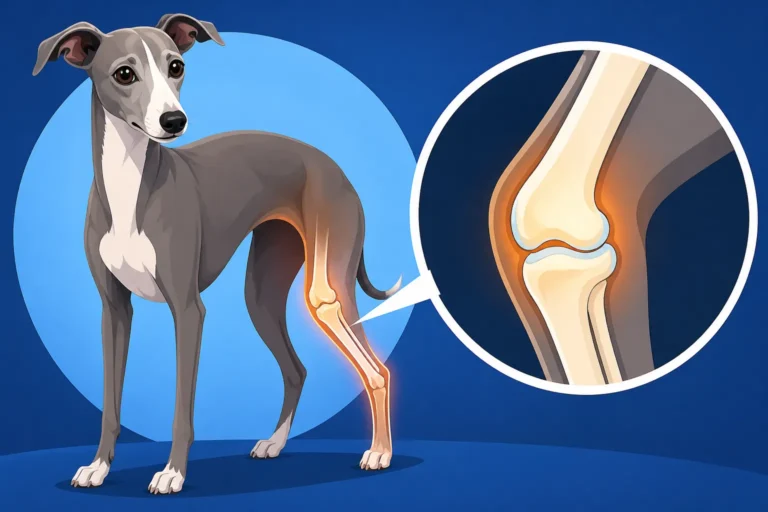
The type of fracture and, critically, the surgeon's experience play an enormous role in the outcome. Italian Greyhounds have very slender, delicate bones, particularly the radius and ulna, which are common fracture sites. These bones often require specialized repair, moving beyond a simple cast or splint. When considering a severe fracture, the question of Whether an Italian Greyhound's Fracture Needs a Plate frequently arises, and the answer is often "yes." These types of fractures, especially in the forearm, often demand internal fixation using small plates and screws.
Finding a board-certified veterinary orthopedic surgeon, rather than a general practitioner, is highly recommended for Italian Greyhound fractures. These specialists have advanced training and experience with complex bone repairs, significantly increasing the likelihood of a successful initial outcome. They understand the nuances of Italian Greyhound anatomy and the challenges of repairing such fine bones. You'll want to Find a Surgeon Who Has Plated an Italian Greyhound with a good track record, as their expertise can truly make or break the recovery process. They'll assess if plating, external fixators, or a combination is best, tailoring the approach to your dog's specific injury.
Diligent Post-Operative Care
Once surgery is complete, the hard work truly begins. The post-operative period is arguably the most critical phase of recovery. This usually involves a strict regimen of crate rest, medication, and careful monitoring. You'll need to understand How Long an Italian Greyhound Stays Crated After Surgery – it can often be several weeks or even months, depending on the severity of the fracture and how quickly healing progresses. This isn't just about preventing re-injury; it's about allowing the bone to knit together without disruption.
Medication will be prescribed to manage pain and inflammation, and it’s vital to administer it exactly as directed, even if your dog seems to be feeling better. Prematurely reducing pain medication can lead to discomfort, which might cause your Italian Greyhound to put too much weight on the healing leg, jeopardizing the repair. Preventing falls, limiting jumping, and ensuring a calm environment are non-negotiable. This might mean gating stairs, using ramps for furniture, and supervising every single potty break. These measures are essential to prevent complications and ensure the delicate repair holds. It's a demanding period, often requiring significant time and financial commitment, which is where a robust pet insurance plan like Healthy Paws can truly alleviate some of the stress.
The Power of Physical Rehabilitation
Once the initial healing phase is complete and your vet gives the green light, physical rehabilitation, or "physio," becomes incredibly important. Just like in humans, a broken limb can lead to muscle atrophy, joint stiffness, and compensatory movements that, if left unaddressed, can cause long-term issues. Working with a certified canine rehabilitation therapist can dramatically improve your Italian Greyhound's chances of regaining full or near-full function.
These therapists use a variety of techniques, including therapeutic exercises, hydrotherapy (underwater treadmill), massage, passive range of motion exercises, and modalities like laser therapy. Each session is tailored to your dog's individual needs, gradually increasing strength, flexibility, and proprioception (awareness of their body in space). While the upfront What Rehab Costs After an Italian Greyhound's Fracture can seem significant, it's an investment in your dog's long-term mobility and comfort. Neglecting this crucial step can lead to persistent lameness, arthritis, and a reduced quality of life. The goal is not just a healed bone, but a functional, pain-free leg.
Long-Term Outlook and Managing Residual Issues
Even after successful surgery and diligent rehabilitation, the journey doesn't necessarily end. An Italian Greyhound that has suffered a significant fracture will always require a degree of ongoing care and consideration to ensure their comfort and prevent future issues. It's about proactive management and understanding that while they can regain fantastic function, vigilance remains key.
Understanding Potential Long-Term Complications
While the bone itself might heal perfectly, the surrounding tissues – muscles, ligaments, and joints – can still bear the scars of trauma. One of the most common long-term complications is the development of arthritis in the affected joint. This is why Arthritis in an Italian Greyhound's Healed Leg is a real concern, often developing years after the initial injury. The damage to cartilage or changes in joint mechanics can predispose them to this degenerative condition.
Signs of arthritis might include stiffness, reluctance to jump, or lameness after exercise or in cold weather. Muscle atrophy can also persist if rehabilitation wasn't thorough, or if the dog naturally favors the limb slightly. Scar tissue around the fracture site can sometimes cause discomfort or reduced flexibility. Regular veterinary check-ups are essential to monitor for these issues, and your vet may recommend joint supplements, pain management strategies, or periodic anti-inflammatory medications to keep your Italian Greyhound comfortable as they age.
Adapting Life for Ongoing Support
To ensure your Italian Greyhound maintains good leg function and minimizes strain on the healed limb, adapting their environment and daily routine is crucial. This is about creating a safe, supportive space that considers their unique needs. Using Ramps and Steps for an Italian Greyhound's Furniture is a game-changer, eliminating the risky jumps that are often the cause of these delicate leg breaks. These small investments can prevent immense pain and costly surgeries down the line.
Consider also adding non-slip runners or rugs on hard flooring, especially in high-traffic areas where your Italian Greyhound runs or plays. Slick surfaces can lead to slips and twists that stress the healed leg. Regular, moderate exercise, rather than sporadic intense bursts, helps maintain muscle tone without overtaxing the joint. Maintaining an ideal body weight is also critical; extra pounds put unnecessary stress on all joints, especially a previously injured one. These adaptations aren't restrictive; they're preventative, ensuring your Italian Greyhound can enjoy their life safely and comfortably.
Maintaining Quality of Life and Preventing Future Injury
Ultimately, the goal is for your Italian Greyhound to lead a full, happy, and active life despite their past injury. This requires ongoing vigilance and a deep understanding of your dog's subtle cues. Italian Greyhounds are notoriously stoic and can often How an Italian Greyhound Hides Pain, making it difficult for owners to spot discomfort until it's significant. Pay close attention to any changes in their gait, their enthusiasm for play, or how they settle and rise.
Continued protection, particularly in the critical first two years of their life when bones are still hardening, is vital for preventing future fractures. This means constant supervision, especially around larger dogs or boisterous children. While most Italian Greyhounds do make excellent recoveries, the experience of a fracture often changes an owner's perspective on risk. It cultivates a proactive approach to safety, ensuring the environment is as fracture-proof as possible. With diligent care, a commitment to rehabilitation, and an adapted lifestyle, your Italian Greyhound can absolutely regain excellent use of their leg and enjoy many years of cherished companionship, often bouncing back with surprising resilience.
Recovery Stages for an Italian Greyhound Fracture
| Stage | Timeline (Approximate) | Key Activities & Goals | Owner's Role | Potential Challenges |
|---|---|---|---|---|
| Immediate Post-Op | 1-3 days | Pain management, incision care, initial monitoring | Administer meds, monitor incision, strict rest, comfort | Initial pain, swelling, surgical site irritation |
| Immobilization/Crate Rest | 4-12 weeks | Bone healing, maintain stable fixation | Strict crate rest, vet follow-ups, gradual weight bearing (if advised), physical therapy consultation | Preventing re-injury, mental stimulation, managing boredom/frustration |
| Early Rehabilitation | 8-16 weeks | Restore muscle strength, range of motion, balance | Guided exercises (passive ROM, controlled walks), hydrotherapy, massage, joint supplements | Muscle atrophy, stiffness, overdoing it too soon |
| Advanced Rehabilitation | 16-24 weeks+ | Improve endurance, coordination, return to function | Progressive exercises, agility work (low impact), gradual increase in activity, continued joint support | Compensatory movements, uneven muscle development, re-injury risk |
| Long-Term Management | Lifetime | Prevent re-injury, manage arthritis, maintain fitness | Environmental modifications (ramps), appropriate exercise, weight management, regular vet checks, supplements | Arthritis development, subtle lameness, complacency in safety measures |
Disclaimer
The information provided in this article is for general informational purposes only and does not constitute veterinary advice. Always consult with a qualified veterinarian or veterinary specialist for any health concerns or before making any decisions about your pet's medical care.