What Femoral Head Surgery Costs on an Italian Greyhound
Discovering that your beloved Italian Greyhound is suffering from a condition like Legg-Calve-Perthes disease can be incredibly distressing, and the news that they might need femoral head surgery, or FHO, brings with it a whole new layer of worry. Beyond the immediate concern for your furry family member's comfort and future mobility, there's the inevitable knot in your stomach about the financial implications. It’s a harsh reality that specialized veterinary care can come with a hefty price tag, and understanding what those costs entail for an Italian Greyhound’s FHO surgery is crucial for any owner facing this difficult decision. This guide will walk you through the various aspects of FHO surgery costs, from initial diagnosis to post-operative care, helping you prepare for the journey ahead.
Understanding Femoral Head Ostectomy FHO for Italian Greyhounds
When your active Italian Greyhound suddenly starts limping or showing signs of pain in their hip, your mind races with possibilities, and not many of them are good. For a breed known for its delicate bone structure and propensity for certain orthopedic issues, a diagnosis like Legg-Calve-Perthes can feel devastating. Femoral Head Ostectomy (FHO) surgery is often presented as a viable solution, but what exactly does it entail for our slender, elegant companions?
What is FHO and Why is it Needed
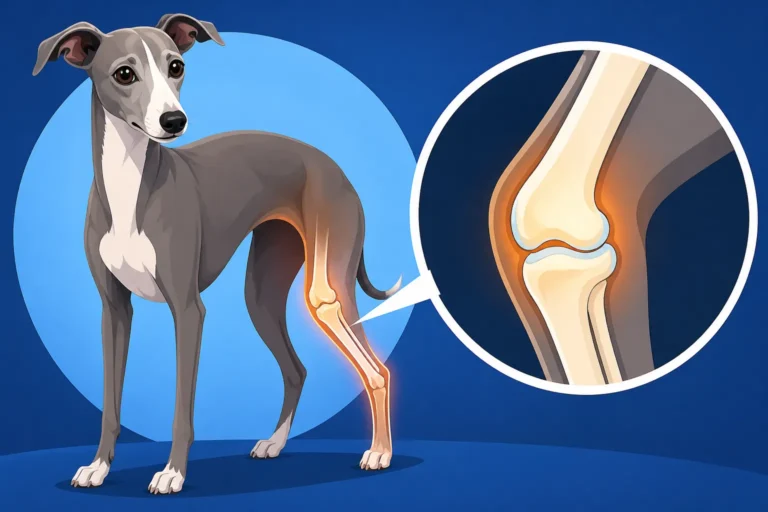
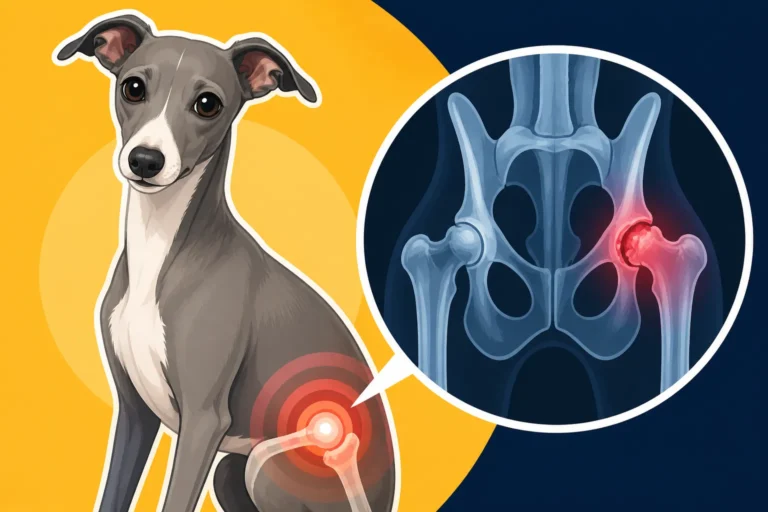
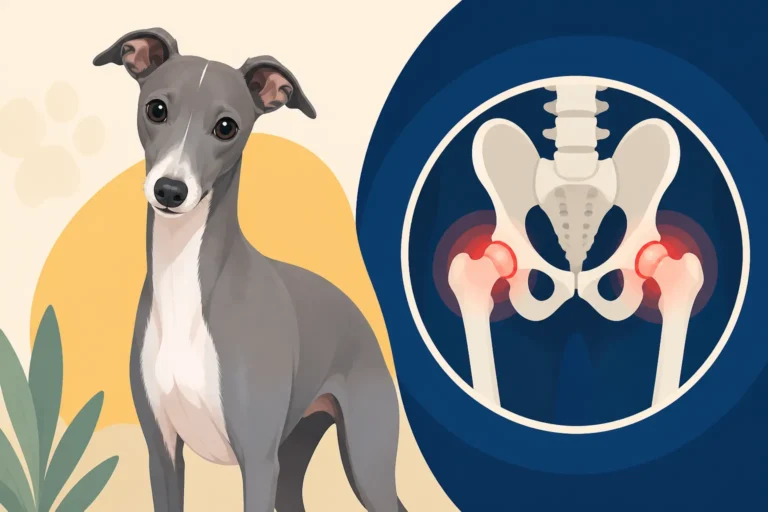
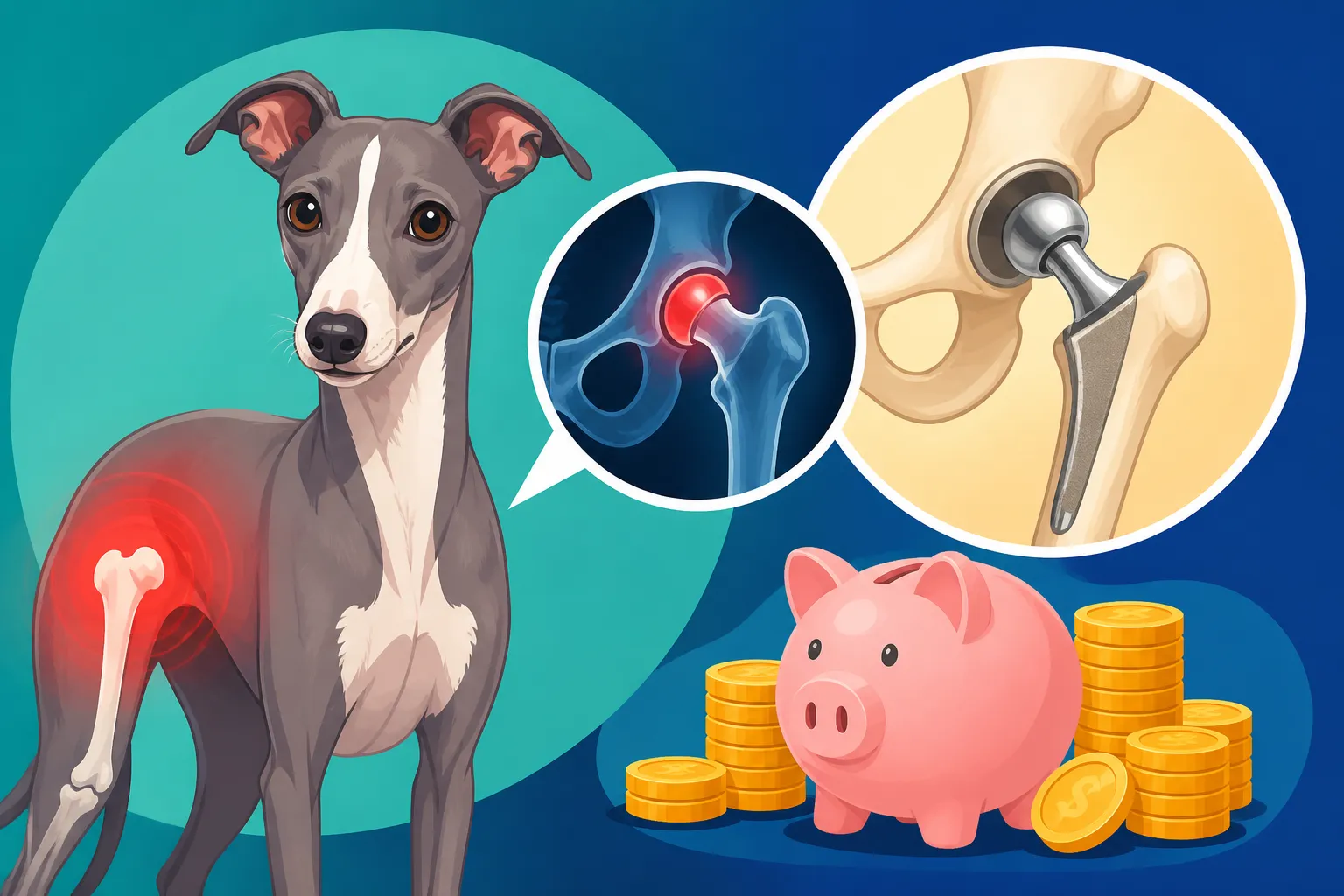
At its heart, FHO is a surgical procedure designed to alleviate pain and restore mobility in dogs suffering from specific hip joint conditions. In essence, the "femoral head" refers to the ball at the top of the thigh bone (femur) that fits into the hip socket. During an FHO, the surgeon removes this ball, effectively eliminating the bone-on-bone friction that causes so much discomfort. While it sounds drastic, the body then forms a "false joint" of fibrous tissue and muscle, allowing the leg to move without the painful grinding.
For Italian Greyhounds, FHO is most commonly recommended for conditions like Legg-Calve-Perthes disease. This condition, often seen in small breed dogs, involves the spontaneous degeneration of the femoral head due to an interruption of blood supply. The bone tissue dies, becomes brittle, and eventually collapses, leading to excruciating pain and lameness. You might notice signs an Italian Greyhound puppy has hip pain, such as holding the leg up, crying when touched, or a reluctance to play. While there are other treatments for hip issues, for LCP, FHO can be a highly effective way to restore a good quality of life by removing the source of pain.
When is FHO Recommended for an Italian Greyhound
The decision to proceed with FHO isn't taken lightly and depends on several factors. Primarily, FHO is considered when conservative treatments, such as pain medication, anti-inflammatory drugs, and restricted activity, have failed to adequately manage the pain and lameness. For a young Italian Greyhound diagnosed with Legg-Calve-Perthes, especially if the disease has progressed significantly, FHO often becomes the most straightforward path to long-term pain relief and functional mobility.
Vets will also consider the dog's size and activity level. Since Italian Greyhounds are small and lightweight, their bodies are often quite adept at compensating after an FHO, creating that comfortable false joint with good rehabilitation. Larger, heavier breeds might have a more challenging recovery or be better suited for different hip surgeries. If you're wondering whether Legg Calve Perthes in an Italian Greyhound needs surgery, consult with a board-certified veterinary orthopedic surgeon. They can assess the severity of the damage, your Italian Greyhound's overall health, and discuss all available options, including the pros and cons of FHO versus other potential treatments. It's a big decision, and getting expert advice is paramount.
Breaking Down the Costs of FHO Surgery
The financial aspect of FHO surgery can feel overwhelming, especially when you're already grappling with the emotional weight of your dog's health issues. It's not just a single bill you receive; rather, the total cost is an accumulation of several stages, each with its own set of expenses. Understanding these components can help you budget and anticipate what you might be facing.
Pre-Operative Diagnostics and Consultations
Before any surgery, there's a crucial phase of diagnosis and preparation. This initial stage involves several steps to confirm the condition, assess your Italian Greyhound's overall health, and plan the surgery. You'll likely start with a consultation with your primary veterinarian, who may perform an initial physical exam and recommend X-rays to visualize the hip joint. These X-rays are vital for diagnosing conditions like Legg-Calve-Perthes disease and assessing its severity. You might also need follow-up consultations with a specialist, such as a veterinary orthopedic surgeon, for a more in-depth evaluation and to discuss the surgical plan. These specialist consultations can sometimes cost a few hundred dollars on their own.
Beyond imaging, your Italian Greyhound will undergo pre-anesthetic bloodwork to ensure they are healthy enough for surgery and to identify any underlying issues that could complicate anesthesia. This typically includes a complete blood count (CBC) and a chemistry panel, checking kidney and liver function, among other things. The cost for these diagnostics, consultations, and potential pain medications prescribed before surgery can range from a few hundred to upwards of $800, depending on the number of visits and the complexity of the tests. It’s an essential investment to ensure the safest possible outcome for your precious pup.
The Surgical Procedure Itself
This is often the largest single component of the overall cost. The surgical fee encompasses the surgeon's time, the use of the operating room, anesthesia, monitoring during the procedure, and any necessary medications administered during the surgery. For an Italian Greyhound, given their small size and specific anesthetic considerations, the anesthesia protocols need to be meticulous. Many veterinary practices utilize advanced monitoring equipment and dedicated veterinary technicians to ensure your pet remains stable throughout the operation.
The surgical cost itself can vary significantly based on where you live and the specific veterinary facility. A general practitioner might charge less than a board-certified orthopedic surgeon in a specialty hospital. Typically, for an Italian Greyhound, you can expect the actual FHO surgery fee (excluding pre and post-op care) to range anywhere from $1,500 to $3,000. This often includes the surgeon's fee, anesthesia, surgical supplies, and initial post-operative pain management. If you've been budgeting for an Italian Greyhound's broken leg before it happens, you might have a good idea of what an emergency vet visit costs and what fracture repair costs on an Italian Greyhound, and FHO can fall into a similar range for complex orthopedic procedures.
Post-Operative Care and Rehabilitation
The journey doesn't end when your Italian Greyhound comes home from surgery. Post-operative care is critical for a successful recovery and is a significant part of the overall cost. This phase includes medications for pain management and inflammation, often prescribed for several weeks, and follow-up veterinary visits to check on healing and remove sutures. These check-ups can cost $50-$150 per visit, and you might need a few of them.
More importantly, rehabilitation plays a pivotal role in ensuring your Italian Greyhound regains full use of their leg. Physical therapy, often including exercises, hydrotherapy (underwater treadmill), and massage, helps strengthen the muscles around the new false joint and improves range of motion. A typical rehabilitation program might involve multiple sessions per week for several weeks or even months. Each session can cost between $50 and $150, and a full course could easily add $500 to $2,000 or more to your total bill. While it might seem like an extra expense, consistent and appropriate rehab can significantly impact the long-term outcome and prevent complications. Some owners might also invest in special support slings or orthopedic beds to aid in comfort and recovery.
Factors Influencing the Total Cost
When you're trying to get a clear picture of what Femoral Head Ostectomy surgery will cost for your Italian Greyhound, it quickly becomes apparent that there's no single, fixed price. Several variables contribute to the final bill, and understanding these can help you anticipate the range of expenses.
Geographic Location and Veterinary Practice Type
Just like human healthcare, the cost of veterinary services can vary dramatically based on where you live. For instance, an FHO surgery in a high-cost-of-living urban area like New York City or Los Angeles is almost certainly going to be more expensive than the same procedure performed in a rural town in the Midwest. The overhead costs for veterinary practices, including rent, staff salaries, and equipment, are simply higher in metropolitan areas, and these costs are reflected in their service fees.
Furthermore, the type of veterinary practice plays a significant role. A general veterinary clinic might offer FHO surgery at a lower price point compared to a specialized orthopedic veterinary hospital or a university teaching hospital. While general vets are often capable of performing FHO, a specialist hospital typically has more advanced diagnostic tools, cutting-edge surgical equipment, and a team of board-certified specialists and technicians, all of which contribute to a higher price tag. However, the expertise offered by a specialist can also lead to better outcomes, especially for delicate breeds like Italian Greyhounds. For specialized procedures like this, many owners seek out a surgeon who has plated an Italian Greyhound or who is specifically familiar with sighthound anatomy.
Surgeon's Experience and Specialization
The expertise of the veterinary surgeon is another major factor in determining the cost. A board-certified veterinary orthopedic surgeon, who has undergone extensive additional training and rigorous examination beyond their general veterinary degree, will typically charge more for their services than a general practitioner. Their specialized knowledge, experience with complex orthopedic cases, and often their access to more advanced techniques and equipment are reflected in their fees.
While it might be tempting to opt for a less expensive general vet, particularly for such a critical procedure, consider the potential long-term benefits of a specialist. An experienced orthopedic surgeon is more likely to perform the surgery with greater precision, minimize complications, and guide the rehabilitation process more effectively. For a condition as impactful as Legg-Calve-Perthes, investing in a highly skilled surgeon for your Italian Greyhound can often lead to a smoother recovery and a better overall prognosis, potentially saving money on corrective procedures or prolonged recovery in the long run.
Severity of the Condition and Potential Complications
The complexity of your Italian Greyhound's specific case will also influence the overall cost. If the Legg-Calve-Perthes disease is caught early and the damage to the femoral head is minimal, the surgery might be more straightforward. However, if the condition has been present for a while, leading to significant bone degeneration, muscle atrophy, or secondary arthritis in the hip, the surgery might be more involved and require more time and resources.
Furthermore, the possibility of complications always exists with any surgery. While rare, issues like infection, nerve damage, or inadequate formation of the false joint could necessitate additional treatments, medications, or even revision surgery. These unforeseen complications can significantly increase the total cost, adding diagnostic tests, extended hospital stays, or further surgical fees. It’s vital to discuss potential complications and their associated costs with your vet before the procedure, so you have a realistic understanding of the worst-case scenarios.
The Role of Pet Insurance in Managing Costs
Facing a potential bill of several thousand dollars for FHO surgery can be daunting, but pet insurance can be a literal lifesaver for many owners. Plans like those offered by Healthy Paws or similar providers are designed to help mitigate the financial shock of unexpected veterinary emergencies and major surgeries. Most comprehensive pet insurance policies will cover a significant portion of the costs associated with FHO surgery, including diagnostics, the surgical procedure itself, hospitalization, medications, and often, a good portion of the post-operative physical therapy.
However, there are crucial details to understand. Pet insurance policies typically have waiting periods before coverage for certain conditions kicks in, and pre-existing conditions are almost universally excluded. If your Italian Greyhound has already been diagnosed with Legg-Calve-Perthes before you obtain insurance, it's highly unlikely that the FHO surgery will be covered. This highlights the importance of enrolling your pet in a robust insurance plan, such as Healthy Paws, when they are young and healthy. While you might pay a monthly premium for years without using it, when a major health crisis like FHO arises, the coverage can save you thousands of dollars and allow you to make decisions based on what's best for your dog, rather than your wallet. If you're curious about what pet insurance actually covers on an Italian Greyhound, it's worth a deep dive into policy specifics.
| Cost Component | Typical Range (USD) | Notes |
|---|---|---|
| Initial Vet Consult & Exam | $50 – $200 | For initial assessment and referral. |
| X-rays & Diagnostic Imaging | $200 – $600 | Essential for confirming Legg-Calve-Perthes and planning surgery. May include multiple views. |
| Pre-anesthetic Bloodwork | $150 – $400 | Ensures patient is healthy enough for anesthesia; vital for Italian Greyhounds. |
| Surgical Procedure (FHO) | $1,500 – $3,000 | Includes surgeon's fee, anesthesia, operating room, intra-op monitoring, basic meds. |
| Post-Operative Medications | $50 – $250 | Pain relievers, anti-inflammatories, antibiotics for at-home use. |
| Follow-up Vet Visits | $100 – $300 | 1-3 visits to check incision, remove sutures, assess healing. |
| Physical Rehabilitation | $500 – $2,000+ | Multiple sessions (hydrotherapy, exercises) crucial for optimal recovery. Cost depends on duration and intensity. |
| Total Estimated Cost | $2,650 – $6,750+ | This range can fluctuate significantly based on location, specialist involvement, and complications. |
Please note: These are estimated ranges and can vary widely. Always get a detailed quote from your veterinary practice.
Managing the Financial Burden of FHO Surgery
Even with the best planning, the news of FHO surgery can hit hard financially. It's a significant expense for most families, but thankfully, there are several avenues you can explore to make this essential surgery more manageable. You want to focus on your Italian Greyhound's recovery, not be bogged down by crippling debt.
Payment Plans and Veterinary Financing Options
Many veterinary hospitals understand that large, unexpected bills are a reality for pet owners and are often willing to work with you. Don't be afraid to ask about payment plans directly with the clinic. Some clinics offer in-house installment plans, while others partner with third-party financing companies like CareCredit or Scratchpay. These companies act like credit cards specifically for healthcare expenses, often offering low-interest or even interest-free periods if the balance is paid within a certain timeframe.
It’s always a good idea to research these options before you need them, if possible. Knowing what kind of credit lines or payment plans you might qualify for can bring immense peace of mind. While these options don't reduce the total cost, they break it down into more digestible monthly payments, which can be a lifeline when faced with an immediate, expensive procedure for your Italian Greyhound.
Exploring Veterinary Aid Programs and Charities
For those who find themselves in a truly difficult financial situation, there are various non-profit organizations and charities dedicated to helping pet owners afford essential veterinary care. These organizations often have specific eligibility requirements, which might include income thresholds or specific types of conditions they cover. Programs like The Pet Fund, RedRover, or breed-specific rescues for Italian Greyhounds can sometimes offer grants or financial assistance.
It takes a bit of research and effort to apply for these programs, but the potential relief they offer is invaluable. Start by asking your veterinarian if they are aware of any local or national programs. Also, look into organizations like the Italian Greyhound Club of America (IGCA) rescue groups, as they sometimes have funds set aside to help owners with significant medical expenses for their breed-specific issues, such as the costs of Legg-Calve-Perthes treatment.
Building an Emergency Fund for Your Italian Greyhound
While it might be too late for this particular emergency, if you're reading this proactively or have other pets, establishing a dedicated emergency fund is one of the smartest financial decisions you can make as a pet owner. Just as we budget for unexpected car repairs or home maintenance, our pets also face unforeseen health challenges. Knowing that you have a cushion for a medical emergency, whether it's for a sudden injury or a condition like Legg-Calve-Perthes, provides immense comfort.
Aim to save at least $3,000 to $5,000 specifically for pet emergencies, as this amount can cover many common surgeries or treatments. If you have pet insurance like Healthy Paws, this fund can then be used to cover your deductible or any co-pays, making the process even smoother. Having this financial safety net means you won't have to make heartbreaking decisions based solely on cost when your beloved Italian Greyhound needs critical care. It ensures that when you face tough diagnoses, you can focus on their health, not just the impending vet bill.
Disclaimer
The information provided in this article is for general informational purposes only and does not constitute veterinary advice. Always consult with a qualified veterinarian or veterinary specialist for any health concerns or before making any decisions about your pet's medical care. Costs mentioned are estimates and can vary significantly based on location, clinic, and individual circumstances.