What an Italian Greyhound’s Seizure Looks Like
Witnessing your beloved Italian Greyhound suddenly collapse, twitch uncontrollably, or stare blankly into space can be one of the most terrifying experiences for any pet parent. The confusion, helplessness, and sheer panic that washes over you in those moments are completely normal. This guide aims to demystify what an Italian Greyhound seizure looks like, helping you understand the different presentations, what steps to take during an episode, and how to manage this challenging condition long-term.
Understanding Seizures in Italian Greyhounds
A seizure isn't just a physical event; it's a neurological storm. For Italian Greyhound owners, whose dogs are often more sensitive and delicate, the impact of a seizure can feel especially profound. It’s crucial to understand the basics of what’s happening inside your dog’s brain during these episodes to better cope and assist them.
What Exactly Is a Seizure?
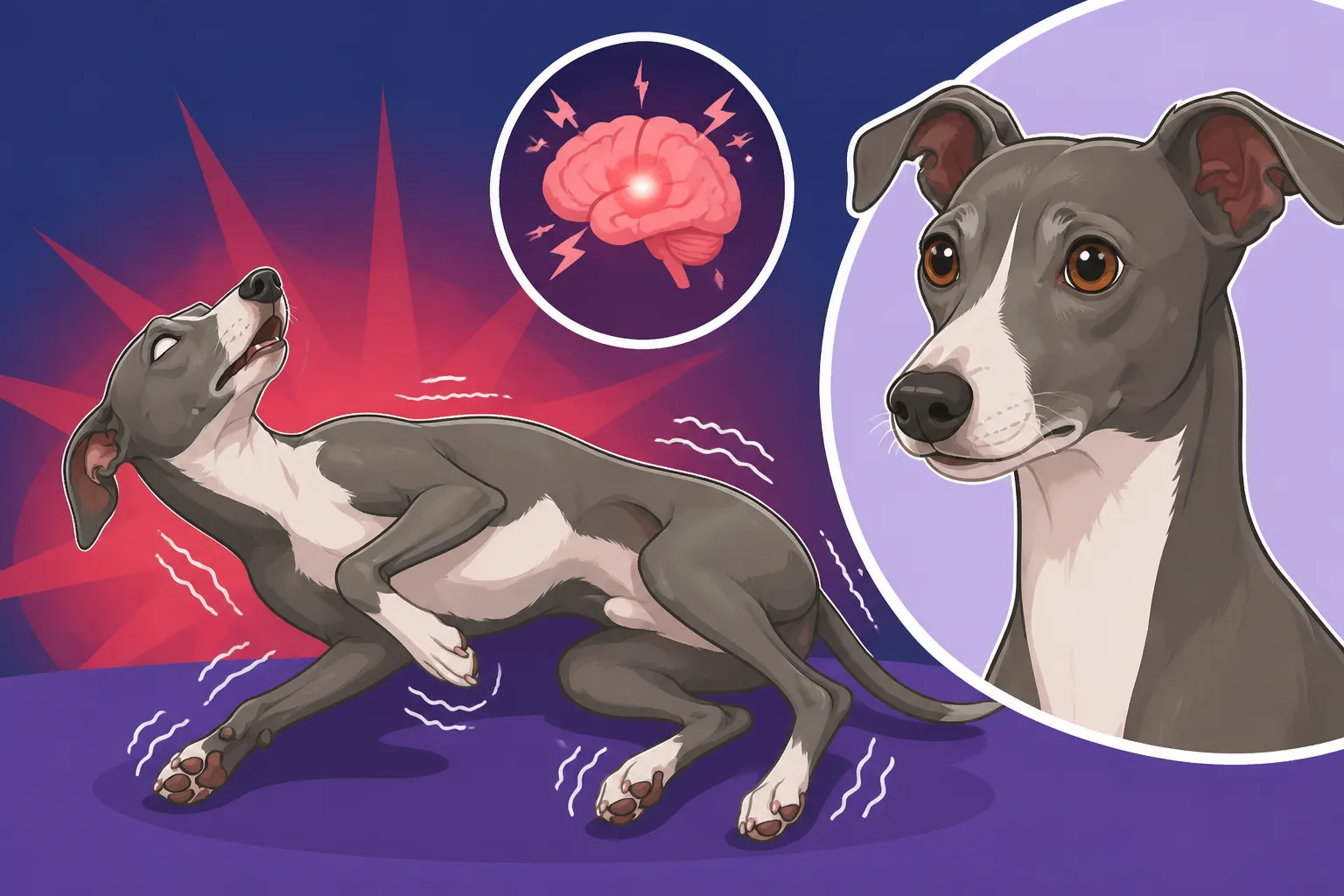
At its core, a seizure is an uncontrolled burst of electrical activity in the brain. Think of your dog's brain as a complex electrical circuit. Normally, these circuits fire in an organized, synchronized manner, allowing for coherent thought, movement, and behavior. During a seizure, this orderly activity goes haywire, leading to a sudden, temporary malfunction in brain function. This can manifest in a wide range of physical symptoms, from dramatic convulsions to subtle behavioral changes. It's not a sign of pain in the moment, but rather a temporary disruption of normal brain processing. Understanding this can help you respond with clarity rather than fear.
Why Italian Greyhounds Might Be Prone to Seizures
While any dog breed can experience a seizure, Italian Greyhounds, like many purebreds, can have a genetic predisposition to certain conditions, including epilepsy. Epilepsy is a chronic neurological disorder characterized by recurrent, unprovoked seizures. While not every seizure indicates epilepsy, it’s a primary concern for the breed. The exact cause can sometimes be difficult to pinpoint, often categorized as idiopathic epilepsy when no underlying brain lesion or metabolic issue is found.
Some Italian Greyhounds may also experience symptomatic seizures due to other health issues, such as liver shunts, brain tumors, head trauma, exposure to toxins, or severe metabolic imbalances. It’s a complex puzzle, and your veterinarian will often run a series of diagnostic tests to rule out these possibilities. The breed’s unique physiology, including its fine bone structure and sometimes higher sensitivity to certain stimuli, can mean that what might be a minor event for a sturdier breed can feel more intense or impactful for an Italian Greyhound. If you're concerned about recurring episodes, you might find more detailed information in our article on Epilepsy in an Italian Greyhound.
Recognizing the Different Types of Seizures
Seizures aren't a one-size-fits-all event. They can present in various ways, from the terrifying full-body convulsions you often imagine, to subtle, almost imperceptible changes. Knowing the different types can help you accurately describe what happened to your vet, which is vital for diagnosis and treatment.
Grand Mal Seizures The Most Obvious Kind
When most people think of a dog having a seizure, they picture a grand mal seizure, also known as a generalized seizure or tonic-clonic seizure. These are the most dramatic and often the most frightening to witness. Your Italian Greyhound will typically lose consciousness and fall to its side. Their limbs will stiffen (tonic phase) and then begin to paddle or twitch rhythmically (clonic phase). You might see jaw chomping, excessive salivation (foaming at the mouth), and involuntary urination or defecation. Their eyes may roll back or stare blankly.
A grand mal seizure usually lasts from a few seconds to a few minutes. It might feel like an eternity, but try to note the exact start and end times. After the seizure, your Italian Greyhound will enter the "post-ictal" phase, where they might appear disoriented, confused, restless, temporarily blind, or extremely tired. They might pace aimlessly, bump into furniture, or seek comfort. This phase can last anywhere from minutes to several hours, or even a full day. It's a critical time for them to recover from the brain's chaotic activity.
Focal Seizures Subtle Yet Concerning
Focal seizures, sometimes called partial seizures, are often harder to identify because they originate in only a localized part of the brain and don't involve the entire brain in the same way a grand mal does. This means the symptoms can be much more subtle and easily mistaken for normal behaviors or quirks. Your Italian Greyhound might remain conscious or have only a slightly altered consciousness during a focal seizure. Symptoms can include twitching of one side of the face, an eyelid, or a single limb. You might observe repetitive behaviors like fly-biting, tail-chasing, or licking the air.
Sometimes, focal seizures can manifest as odd behavioral changes – your normally placid IG might suddenly become agitated, fearful, or develop a peculiar gait. They might repeatedly swallow or experience gastrointestinal upsets. These subtle signs are why it's so important to be attuned to your Italian Greyhound's normal behavior. If you notice any unusual, repetitive, or uncharacteristic actions that seem to happen without a clear external trigger, it’s worth discussing with your vet. These subtle episodes can sometimes progress into generalized seizures, so early recognition is key.
Cluster Seizures and Status Epilepticus When to Panic
While any seizure is concerning, cluster seizures and status epilepticus are true emergencies that require immediate veterinary attention. Cluster seizures refer to multiple seizures occurring within a 24-hour period, with your dog regaining consciousness in between episodes. For example, your IG might have a grand mal seizure, recover for an hour or two, and then have another, and perhaps another after that. This pattern significantly increases the risk to your dog’s health, as sustained seizure activity can lead to overheating, brain damage, and exhaustion.
Status epilepticus is even more critical. This is defined as a single seizure lasting longer than five minutes, or multiple seizures occurring without the dog regaining full consciousness in between. If your Italian Greyhound is in status epilepticus, their brain is undergoing continuous, uncontrolled electrical activity, which can rapidly lead to irreversible brain damage, dangerously high body temperature, respiratory distress, and even death. If your Italian Greyhound has a seizure lasting more than five minutes, or has multiple seizures in quick succession without fully recovering, consider it an immediate life-threatening emergency and transport them to the nearest emergency veterinary clinic. This is one of those times when having a pet insurance plan like Healthy Paws can alleviate the stress of immediate financial concerns, allowing you to focus purely on your dog's urgent care.
What to Do When Your Italian Greyhound Has a Seizure
The moments during and immediately after a seizure can be chaotic, but knowing what to do can help keep both you and your Italian Greyhound safe. Staying calm, even when your heart is pounding, is the first and most important step.
Prioritizing Safety During the Event
Your primary goal during a seizure is to prevent your Italian Greyhound from injuring itself. This means creating a safe zone around them. If they are on a high surface like a bed or sofa, gently try to guide them to the floor, being careful not to put yourself at risk of being accidentally bitten. Move any furniture, sharp objects, or anything they could hit their head on away from their immediate vicinity.
Despite what you might have heard, dogs cannot swallow their tongues during a seizure, so never put your hands in their mouth. You are more likely to get bitten, and it won't help your dog. Instead, focus on keeping them cool. Seizure activity generates a lot of heat, and Italian Greyhounds, with their fine coats and lean bodies, can overheat quickly. You can place a cool, damp cloth on their paws or neck, or gently direct a fan towards them, but avoid anything that would startle them or restrict their breathing. Simply providing a safe, quiet space is often the best thing you can do until the seizure passes.
Recording and Reporting Key Information to Your Vet
Once the seizure is over and your Italian Greyhound is in the post-ictal phase, start gathering information. This data will be invaluable to your veterinarian for diagnosis and treatment. Try to recall:
- Date and Time: Exactly when did the seizure start and end?
- Duration: How long did it last? (Even 30 seconds can feel like 5 minutes, so a timer helps).
- Description of the Seizure: What did it look like? Was it full-body twitching, or just a specific limb? Did they lose consciousness? Did they vocalize? Did they urinate or defecate?
- Pre-seizure behavior: Were there any subtle changes before it started (e.g., restlessness, confusion, seeking attention)?
- Post-seizure behavior: How long did the disorientation last? Were they blind, aggressive, or unusually hungry?
- Potential triggers: Anything unusual before the seizure? (e.g., new food, medication, loud noises, stressful event).
Consider keeping a seizure diary. A simple notebook or even a dedicated app can help you track these details, which can reveal patterns over time. This information helps your vet determine the frequency, severity, and potential causes of the seizures. If your Italian Greyhound has been diagnosed with epilepsy, tracking these details will be essential for adjusting their Daily Medication for an Epileptic Italian Greyhound. Knowing The Age an Italian Greyhound Starts Epilepsy can also be a helpful piece of the puzzle for your vet.
Post-Seizure Care Helping Your IG Recover
After a seizure, your Italian Greyhound will likely be disoriented and exhausted. They might wander, bump into things, or just want to sleep. Provide a quiet, comfortable, and safe space for them to recover. Avoid loud noises, bright lights, or excessive petting that could overwhelm them. Offer small amounts of water, and once they seem more alert, a small, bland meal if they are willing to eat.
Closely monitor them for any further seizures. It's not uncommon for cluster seizures to occur, so remain vigilant. If they seem to struggle with vision, guide them carefully around the house to prevent accidents. If your vet has prescribed any emergency medications (like rectal diazepam), ensure you know how and when to administer them. Remember, patience and a calm demeanor from you will go a long way in helping your Italian Greyhound feel safe and supported during this vulnerable time.
Long-Term Management and Support for Italian Greyhounds with Seizures
Living with a dog prone to seizures can be challenging, but with the right veterinary partnership and home care, many Italian Greyhounds lead full and happy lives. It's about proactive management and consistent support.
Working with Your Veterinarian for Diagnosis and Treatment
Your veterinarian is your most important ally in managing your Italian Greyhound's seizures. After the first seizure, they will likely recommend a thorough examination and a series of diagnostic tests to rule out treatable causes. These tests might include blood work (to check organ function, blood sugar, and electrolyte levels), urinalysis, and potentially more advanced diagnostics like an MRI or spinal tap if a primary brain issue is suspected. This is where comprehensive pet insurance plans, like those offered by Healthy Paws, can be incredibly valuable, as these diagnostic procedures and long-term medications can be quite costly. Knowing you have support for What an Italian Greyhound's Emergency Vet Visit Costs can ease a significant burden.
If a cause is identified, treatment will focus on that specific condition. If it's diagnosed as idiopathic epilepsy (meaning no underlying cause is found), your vet will likely discuss anti-seizure medications. These medications, such as phenobarbital, potassium bromide, or levetiracetam, don't cure epilepsy but aim to reduce the frequency, duration, and severity of seizures. Finding the right medication and dosage is often a process of trial and error, requiring close communication with your vet and careful monitoring of your dog. Regular blood tests will be needed to ensure the medication levels are therapeutic and not causing adverse side effects. Sometimes, other conditions like Hypothyroidism in an Italian Greyhound can either mimic or exacerbate seizure activity, so a holistic approach to diagnosis is crucial. For Italian Greyhounds, finding a vet who is experienced with sighthounds can make a big difference, as they understand the breed's unique physiology and potential sensitivities.
Lifestyle Adjustments and Environmental Considerations
Managing seizures goes beyond medication; it involves creating a stable and safe environment for your Italian Greyhound. Here are some key considerations:
- Consistency is Key: Try to maintain a consistent daily routine for feeding, walks, and medication administration. Sudden changes in routine, stress, or excitement can sometimes be seizure triggers for some dogs.
- Diet: While there's no magic bullet diet for epilepsy, some studies suggest that certain diets, particularly those rich in medium-chain triglycerides (MCTs), might help some epileptic dogs. Discuss any dietary changes with your vet. Avoid giving human foods that could be toxic or trigger an episode.
- Stress Reduction: Identify and minimize potential stressors. Loud noises, unfamiliar environments, or even being left alone for extended periods can sometimes trigger seizures. For Italian Greyhounds, who are often sensitive and prone to separation anxiety, creating a calm home environment is vital.
- Safety Proofing: If your Italian Greyhound has frequent or severe seizures, consider safety-proofing your home. Install baby gates to block access to stairs, pad sharp furniture edges, and ensure soft, easily accessible bedding. Remember that during the post-ictal phase, they might be disoriented and prone to bumping into things.
- Exercise: Maintain a regular exercise routine, but avoid overexertion, especially in hot weather, as overheating can sometimes be a trigger. Italian Greyhounds love to run, but ensure they do so in a safe, enclosed area.
- Record Keeping: Continue your seizure diary. This detailed record will help you and your vet track the effectiveness of medications and identify any patterns or triggers. It’s also invaluable when discussing ongoing care, and helpful for insurance claims with providers like Healthy Paws.
- Emergency Plan: Always have an emergency plan in place. Know the location of the nearest 24-hour veterinary emergency clinic and have their number readily available. Discuss emergency medications with your vet.
It's natural to feel overwhelmed, but remember that many dogs with seizures, particularly those with idiopathic epilepsy, can live good quality lives with proper management. Your commitment to their care, coupled with professional veterinary guidance, will make all the difference. Italian Greyhounds are resilient little spirits, and they rely on us to be their steadfast advocates.
| Seizure Type | Key Characteristics | Immediate Action | Vet Urgency |
|---|---|---|---|
| Grand Mal (Generalized) | Loss of consciousness, full-body convulsions, stiffening, paddling, salivation, urination/defecation. Lasts seconds to minutes. | Clear space, protect head, time duration, keep cool. DO NOT put hands in mouth. | Call vet for guidance after it passes. |
| Focal (Partial) | Localized twitching (face/limb), repetitive behaviors (fly-biting, tail-chasing), subtle behavioral changes. Consciousness may be altered but not lost. | Observe closely, note details and duration. Gently reassure if appropriate. | Report to vet at next available appointment unless severe or prolonged. |
| Cluster Seizures | Multiple seizures within 24 hours, with periods of recovery/consciousness in between. | Treat each seizure as above. Keep dog calm. | EMERGENCY! Contact vet immediately. |
| Status Epilepticus | Single seizure lasting >5 minutes, OR multiple seizures without full recovery in between. | IMMEDIATE EMERGENCY! Prevent injury, keep cool. Transport to emergency vet. | LIFE-THREATENING EMERGENCY! Immediate vet care needed. |
Disclaimer
The information provided in this guide is for informational purposes only and does not constitute medical advice. Always consult with a qualified veterinarian for any health concerns or before making any decisions related to your Italian Greyhound's medical care.