How an Italian Greyhound Handles Flying
The thought of flying with your delicate Italian Greyhound can fill any owner with a special kind of dread. Their fragile bones, sensitive nature, and unique physiological needs mean that a simple flight can become a source of intense anxiety for both you and your beloved companion. This guide aims to break down everything you need to know about traveling by air with an Italian Greyhound, helping you navigate the complexities and make the safest, most comfortable choices for your little shadow.
Understanding the Unique Challenges of Flying with an Italian Greyhound
Italian Greyhounds are not your average dogs. Their lean, fine-boned structure and deep emotional attachment to their people create specific considerations when it comes to air travel. These aren't just quirks; they are fundamental aspects of the breed that directly impact their safety and well-being during a flight. Ignoring these can lead to stressful, and even dangerous, situations.
Why Iggies Are Different Travelers
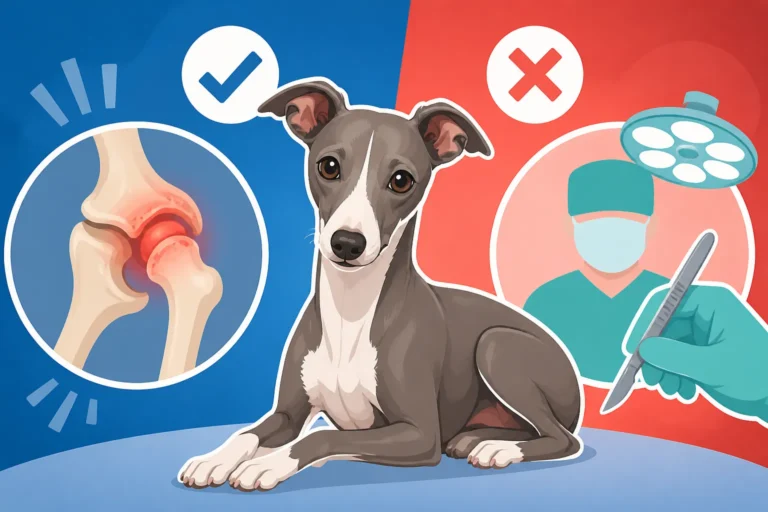
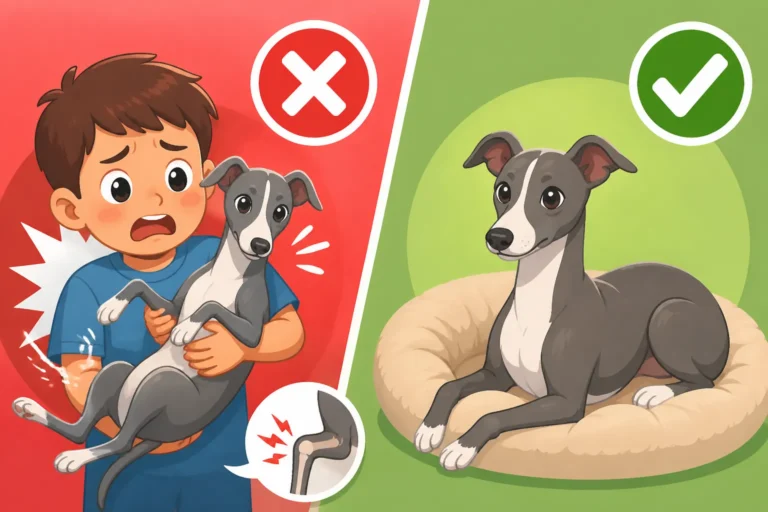
First and foremost, the Italian Greyhound's physical build is a primary concern. Their long, slender legs and delicate bone structure, particularly the radius and ulna, are notoriously prone to fractures. A sudden jolt, a fall, or even rough handling can lead to a devastating injury. This vulnerability makes the prospect of them traveling in cargo, where conditions are less controlled, a terrifying thought for many owners. It’s a sad reality that a broken leg is the emergency every Italian Greyhound owner fears, and travel significantly increases this risk.
Beyond their physical fragility, Italian Greyhounds are also renowned for being "Velcro dogs." They thrive on constant companionship and can develop significant separation anxiety if left alone. The thought of being in an unfamiliar, noisy environment, away from their person, can be incredibly distressing for an Iggy. This isn't just a matter of them being a bit sad; it can manifest as extreme stress, panic, and even physical illness. Understanding this deep-seated need for proximity is crucial when planning any travel, especially by air.
The Emotional Toll of Travel Stress
The stress of travel, from the chaotic airport environment to the confined space of a carrier, can take a heavy toll on an Italian Greyhound. Their sensitive nervous system can easily become overstimulated, leading to shaking, panting, excessive salivation, and even gastrointestinal upset. Imagine your Italian Greyhound, usually curled up on your lap, suddenly thrust into a symphony of strange sounds, smells, and movements, all while confined. This can be overwhelming for a breed that often prefers the quiet comfort of home.
This emotional sensitivity also means that their behavior can regress under pressure. A perfectly housetrained Italian Greyhound might have an accident in their carrier due to fear. A dog that normally handles short periods of alone time might exhibit full-blown signs of separation anxiety, even if you're just a few feet away on the plane. Recognizing these potential reactions allows you to prepare better and provide reassurance, even in challenging environments.
Pre-Flight Preparations and Health Checks
Before you even think about booking a ticket, there’s a significant amount of preparation required to ensure your Italian Greyhound is as ready as possible for air travel. This isn't just about packing a bag; it's about making sure their health, temperament, and documentation are all in order. Skipping these steps can lead to last-minute panic or, worse, being denied boarding.
Consulting Your Veterinarian
Your first and most important step is a comprehensive veterinary visit. This isn't just a quick check-up; it needs to be a thorough assessment of your Italian Greyhound's overall health, with a specific focus on travel suitability. Discuss your travel plans in detail with your vet: where you’re going, how long the flight is, and whether you plan for your Iggy to travel in-cabin or cargo. Your vet can advise on any potential health risks, especially if your Italian Greyhound is older, as caring for an Italian Greyhound past eleven often involves managing new health considerations.
During this visit, your vet will ensure your Iggy is up-to-date on all vaccinations and parasite prevention. They will also assess for any underlying conditions that could be exacerbated by stress or altitude, such as respiratory or cardiac issues. Some airlines require a health certificate issued by a licensed veterinarian shortly before travel – typically within 10 days of your flight. Make sure to confirm the exact requirements with your chosen airline. It's also vital that your Italian Greyhound's vet should know sighthounds, as their unique physiology, especially regarding things like anesthesia, can impact how they might react to travel or any necessary medical interventions.
Microchipping and ID
While hopefully, your Italian Greyhound will never become separated from you during travel, accidents can happen. Ensuring your dog is microchipped and that your contact information is current with the microchip registry is non-negotiable. Additionally, have a sturdy collar with up-to-date ID tags that include your phone number and potentially a secondary contact. Some owners also attach a temporary tag with their destination contact information.
It’s worth considering a GPS tracker, especially given how quickly an Italian Greyhound can bolt through a door or slip away in a strange environment. A tiny GPS device attached to their harness can provide an extra layer of security and peace of mind. While it won't prevent them from getting lost, it significantly increases the chances of a swift reunion.
Preparing the Travel Carrier
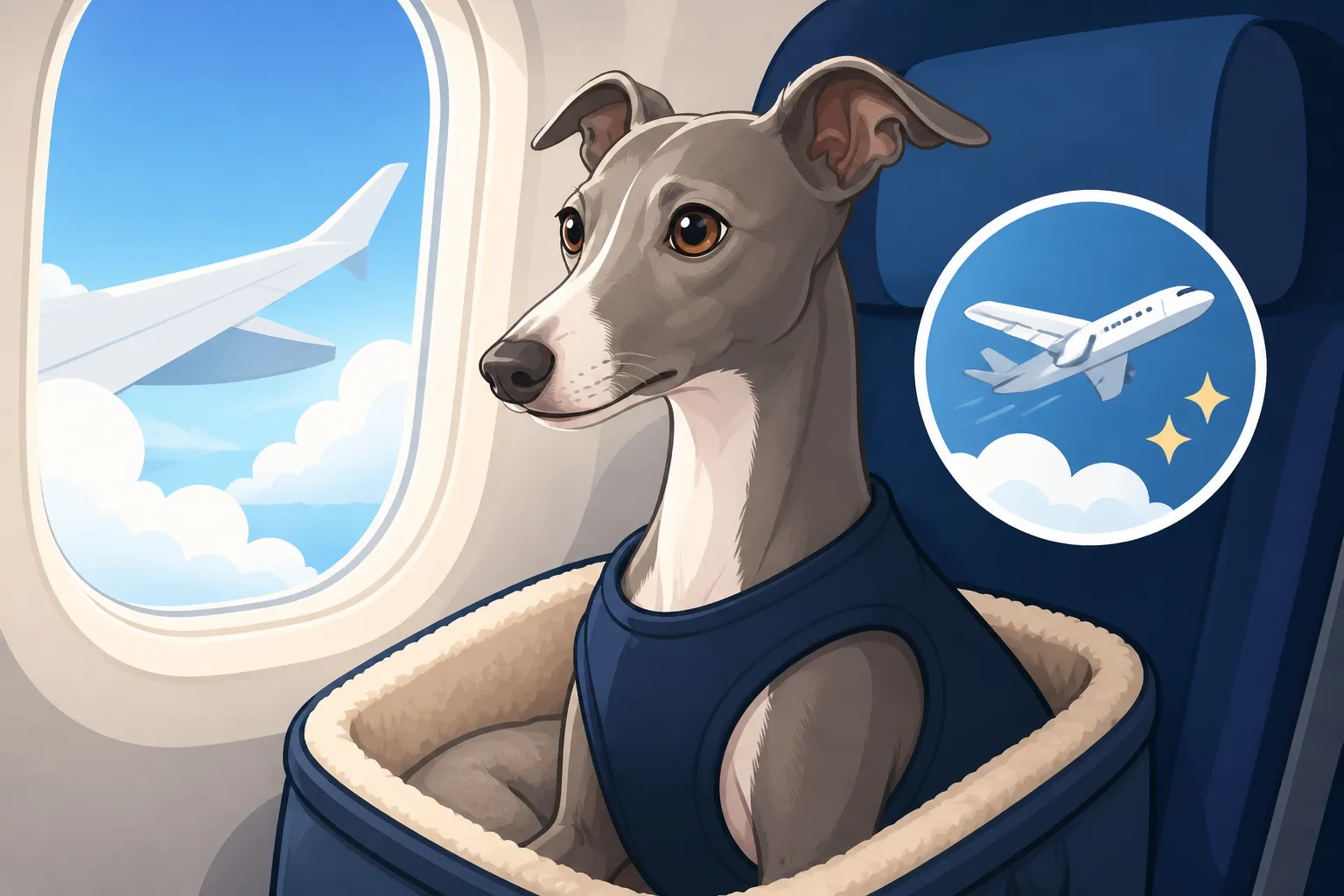
For in-cabin travel, your Italian Greyhound will need to fit comfortably in an airline-approved soft-sided carrier that can stow under the seat in front of you. This means they must be able to stand up, turn around, and lie down naturally. For cargo travel, a hard-sided, well-ventilated crate of appropriate size is required, meeting specific IATA (International Air Transport Association) guidelines. Familiarize yourself with these guidelines thoroughly, as requirements can be strict.
Start crate training well in advance, even if your Italian Greyhound is generally comfortable with a crate. The goal is for them to view the carrier as a safe, comfortable den, not a punishment. Leave the carrier open in your home, put soft bedding inside, and offer treats or meals inside. Gradually increase the time they spend in it, ensuring it's a positive experience. This is also where you can introduce familiar smells, like a blanket that smells like you, to help them cope with separation. Remember, how long an Italian Greyhound copes alone is often a reflection of their comfort in their designated space.
To Sedate or Not To Sedate?
This is a critical conversation to have with your veterinarian. While the idea of a calm, sedated Italian Greyhound during travel might be appealing, many veterinarians and airlines strongly advise against sedating pets for air travel, especially for sighthounds. The reasons are serious: changes in air pressure at altitude can cause respiratory and cardiovascular problems in sedated animals, and it can interfere with their ability to regulate body temperature.
If your Iggy experiences extreme anxiety, your vet might suggest alternative, non-sedative calming aids or strategies that are safe for air travel. These could include pheromone sprays, calming supplements, or specific behavioral modification techniques. Always prioritize your vet's advice on this matter, as the risks associated with sedation, particularly for a breed like the Italian Greyhound, can be significant.
In-Cabin Versus Cargo Travel for Italian Greyhounds
The decision of whether your Italian Greyhound travels in the cabin with you or in the cargo hold below is perhaps the most significant choice you'll make when planning air travel. For Italian Greyhounds, this decision carries particular weight due to their unique vulnerabilities.
The In-Cabin Experience: Proximity and Peace of Mind
For most Italian Greyhound owners, having their dog travel in the cabin is the preferred, and often only, acceptable option. The primary benefit is obvious: your Iggy is with you. This drastically reduces the stress and anxiety for both of you, especially given that the Italian Greyhound is a "Velcro dog" that thrives on constant company. Being able to offer reassurance, even if it's just your presence, can make a world of difference.
Pros of In-Cabin Travel:
- Direct Supervision: Your dog is under your seat, allowing you to monitor their well-being throughout the flight.
- Controlled Environment: The cabin temperature, pressure, and ventilation are regulated for human comfort, which is generally safer for your pet than the cargo hold.
- Reduced Stress: Being near you significantly lessens the emotional toll on your Italian Greyhound, who might otherwise exhibit signs an Italian Greyhound has separation anxiety.
- Avoids Rough Handling: Your dog isn't subjected to the loading and unloading processes of cargo, minimizing the risk of accidental injury.
Cons of In-Cabin Travel:
- Size and Weight Restrictions: Airlines have strict rules on the size and weight of the carrier and pet combined. Many Italian Greyhounds, while small, might just barely meet or exceed these limits, especially if they are on the larger end of the breed standard. You must ensure the carrier fits under the seat, and your dog can stand and turn comfortably within it.
- Limited Availability: Airlines restrict the number of pets allowed in the cabin per flight. You need to book well in advance and confirm availability.
- Designated Carrier: Your Italian Greyhound must remain in their airline-approved soft-sided carrier for the entire flight, which can be challenging on longer journeys.
The Cargo Hold: A Risky Proposition for Iggies
While it's sometimes unavoidable for larger breeds, placing an Italian Greyhound in the cargo hold should be approached with extreme caution and only as a last resort. The risks involved are amplified for a breed as physically and emotionally delicate as the Iggy.
Pros of Cargo Travel (from the airline's perspective, not necessarily the owner's):
- Accommodates Larger Pets: If your Italian Greyhound is too large for in-cabin requirements, cargo is the only other option (though it's rare for an Iggy to be too large for cabin if within breed standard weight).
- More Available Space: Generally, more capacity for animals in cargo than in the cabin.
Cons of Cargo Travel (especially for Italian Greyhounds):
- Temperature Extremes: While cargo holds are pressurized, temperatures can fluctuate, and even a slight dip can be dangerous for an Italian Greyhound, who can't hold its own heat very well due to their lack of body fat and thin coat. This is why an Italian Greyhound gets cold on the table during vet visits.
- Noise and Vibration: The cargo hold is a noisy, vibrating environment, which can be terrifying for a sensitive dog.
- Rough Handling Risk: Pet carriers can be jostled or dropped during loading and unloading, posing a severe fracture risk to an Italian Greyhound's delicate bones. A broken leg is the biggest bill an Italian Greyhound owner gets, and this risk is magnified in cargo.
- Lack of Supervision: Your pet is completely out of your sight and direct care for the duration of the flight.
- Stress and Anxiety: The separation from you, combined with the unfamiliar and often frightening environment, can cause immense stress, potentially leading to health issues.
- Breed Restrictions: Some airlines have breed restrictions for cargo travel, especially for brachycephalic (short-nosed) breeds, though this usually doesn't apply to Italian Greyhounds. However, many owners choose to self-impose a "no cargo" rule for their Iggies.
Making the Choice
Given the Italian Greyhound's fragility and strong need for human companionship, in-cabin travel is almost always the safest and most humane option. If your Italian Greyhound meets the size and weight requirements, prioritize booking them as an in-cabin pet. If for any reason this isn't possible, seriously consider alternative travel arrangements, such as driving, or postponing your trip. The financial implications of a travel-related injury can be significant, so preparing with pet insurance like Healthy Paws, which can cover unexpected accidents and illnesses, is a smart move.
During the Flight: Managing the Experience
Once you've made it through check-in and security, the actual flight begins. Even in the cabin, managing your Italian Greyhound's comfort and minimizing their stress is paramount. Every little detail counts in making the journey as smooth as possible.
Settling In for the Flight
Before boarding, give your Italian Greyhound a chance to relieve themselves in a designated pet relief area if available. Limit food intake a few hours before the flight to prevent an upset stomach, but always ensure access to water up until departure. Some owners use a pet-specific water bottle that attaches to the carrier to offer sips during layovers without full removal.
Once you're on the plane and settled into your seat, place your Italian Greyhound's carrier under the seat in front of you. Reassure them with a gentle voice or by occasionally reaching in to stroke them if the carrier design allows. A familiar, cozy blanket or one of your worn t-shirts inside the carrier can offer comfort through smell. Remember, for an Italian Greyhound, why an Italian Greyhound burrows under blankets isn't just about warmth; it's about security.
Managing Noise and Turbulence
The sounds of a plane, from engine hum to intercom announcements, can be startling for sensitive Italian Greyhounds. While you can't eliminate the noise, you can try to mitigate its impact. Some owners find that a thundershirt or a gentle wrap can provide a sense of security. Never try to force medication without vet guidance, but consider discussing options that might subtly calm them, without full sedation.
Turbulence can be another source of fear. If the flight becomes bumpy, continue to offer soft reassurance. Keep your hands near the carrier, speaking in a calm, soothing tone. Try to maintain a calm demeanor yourself, as dogs are incredibly attuned to their owners' emotions and can pick up on your anxiety.
Hydration and Potty Breaks (or Lack Thereof)
Staying hydrated is important, but careful management is needed in the cabin. You usually can't take your Italian Greyhound out of the carrier during the flight, so potty breaks aren't an option. For this reason, absorbent pads should line the carrier. Many Iggies, due to their smaller bladders, may struggle on long flights, but often they will hold it rather than go in their confined space.
Offer small amounts of water during long layovers if you can find a private family restroom or pet relief area to take them out. On short flights, it's often best to limit water intake slightly before the flight and focus on hydrating them once you've landed.
Post-Flight: Recovery and Acclimation
You’ve landed, navigated baggage claim, and now you’re finally out of the airport. The journey isn't over yet for your Italian Greyhound. The transition from travel to a new environment can still be stressful, and ensuring a smooth recovery is vital for their well-being.
Immediate Post-Flight Needs
As soon as you're in a safe, quiet space (ideally a pet relief area or outside away from crowds), let your Italian Greyhound out of their carrier to stretch their legs and relieve themselves. They might need an extended potty break after being confined for so long. Offer water and a small, easily digestible treat. Observe them for any signs of discomfort or stress.
Just like humans, pets can experience jet lag. They might be disoriented, excessively tired, or have an upset stomach. Give them time to decompress. Avoid immediate stimulation or demanding activities. A calm walk and a chance to explore their new surroundings quietly are usually best.
Settling into the New Environment
Once you arrive at your destination, establish a sense of routine as quickly as possible. Set up their bed, food and water bowls, and any familiar toys in a quiet corner. Allow them to explore the new space at their own pace. Don't force interactions if they seem overwhelmed. The goal is to make the new place feel as much like "home" as possible, even temporarily.
Italian Greyhounds, being highly sensitive, might take a day or two to fully acclimate. Be prepared for potential behavioral changes, such as increased clinginess, mild anxiety, or temporary lapses in housetraining. Patience and consistent reassurance are key. Remember that many Italian Greyhounds attach to one person very strongly, so your calm presence is the best comfort.
Monitoring for Health Issues
Keep a close eye on your Italian Greyhound for the next 24-48 hours. Stress can sometimes suppress symptoms, only for them to emerge once the immediate pressure is off. Watch for changes in appetite, thirst, energy levels, or any signs of illness like vomiting or diarrhea. If you notice anything concerning, don't hesitate to contact a local veterinarian. Having a clear understanding of what an Italian Greyhound's emergency vet visit costs, and potentially having pet insurance like Healthy Paws, can certainly reduce the stress of unexpected situations when traveling.
Travel, even successful in-cabin travel, is an ordeal for most animals. Your Italian Greyhound needs quiet time to recover their equilibrium. Provide extra comfort with their favorite blankets – whether an Italian Greyhound needs a heated bed or just their usual snuggle sack, ensuring warmth and security is essential. Focus on returning to their normal feeding schedule and routine. With patience and careful planning, your Italian Greyhound can be a travel companion, but it’s always an adventure that requires significant preparation and vigilance.
Table: In-Cabin vs. Cargo Travel for Italian Greyhounds
| Feature | In-Cabin Travel | Cargo Hold Travel |
|---|---|---|
| Location | Under your seat | Designated compartment below the passenger cabin |
| Pet Size | Small enough to fit under seat, stand, turn, lie down | Generally for larger pets; strict crate dimensions |
| Carrier Type | Soft-sided, airline-approved | Hard-sided, IATA-compliant, well-ventilated |
| Owner Supervision | Direct, ongoing | None during flight |
| Environment Control | Regulated for human comfort (temp, pressure, sound) | Pressurized but can have temperature/noise fluctuations |
| Fracture Risk | Low (with proper handling) | Higher (due to potential jostling during loading/unloading) |
| Stress Level | Lower (due to proximity to owner) | Higher (due to isolation, noise, unfamiliarity) |
| Cost | Typically a flat fee per flight | Varies, often higher than in-cabin fees |
| Airline Limits | Very limited per flight (e.g., 2-4 pets) | More capacity, but still subject to rules |
| Typical Iggy Choice | Highly Recommended | Generally Discouraged as a first choice |
Disclaimer
This article is for general informational purposes only and does not constitute professional advice. Laws, prices and regulations vary by location and change over time. Consult a qualified professional for guidance on your specific situation.