How Long Housetraining an Italian Greyhound Takes
One of the most common frustrations new Italian Greyhound owners face is the seemingly endless journey of housetraining. You might have heard whispers, or even outright warnings, that these elegant little sighthounds can be incredibly difficult to get reliably potty trained, and you're not wrong to feel a bit daunted. This guide is here to shed light on exactly why it can feel like such an uphill battle, how long you can realistically expect it to take, and what proven strategies you can implement to finally achieve success, without losing your sanity or your pristine flooring.
The Reality of Italian Greyhound Housetraining
Let's be honest, asking how long it takes to housetrain an Italian Greyhound is a bit like asking how long a piece of string is – there's no single, easy answer. But what we can tell you is that it's often a significantly longer and more intensive process than with many other breeds. If you've owned other dogs before and found housetraining a breeze, prepare for a different experience with an IG. They are not being stubborn or spiteful; there are genuine reasons behind their unique challenges.
Why They're Notoriously Difficult
The reputation Italian Greyhounds have for being challenging to housetrain isn't a myth; it's rooted in a combination of their physical and behavioral traits. First, their small size means small bladders, plain and simple. A tiny puppy, even an older one, just can't hold it as long as a larger breed can. This physical reality means they need to relieve themselves far more frequently throughout the day and night. It’s not just a puppy thing either; many adult IGs simply have less bladder capacity than their larger canine cousins.
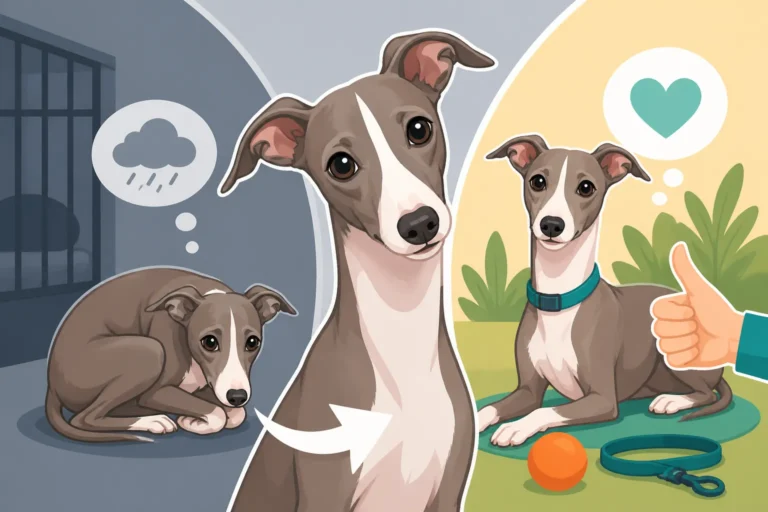
Beyond the physical, there's a strong ancestral component. Italian Greyhounds were originally bred as companions, often kept indoors and sometimes even trained to use designated indoor potty areas, long before the modern concept of "housetraining" as solely an outdoor activity became prevalent. This history, combined with their inherent sensitivity and aversion to cold or wet weather, can make outdoor potty training a truly uphill battle. They're also incredibly clean animals by nature, which might sound counterintuitive, but it often means they don't want to soil their immediate sleeping area. Unfortunately, this can translate to them finding a discreet corner inside the house if outdoor conditions aren't to their liking, rather than holding it until conditions improve. Why an Italian Greyhound Is Slow to Housetrain delves deeper into these specific challenges.
Setting Realistic Expectations
Because of these inherent traits, setting realistic expectations is crucial for your sanity and your bond with your Italian Greyhound. Forget the idea that your IG will be reliably housetrained in a few weeks or even a couple of months, especially if you're bringing home a young puppy. For many IGs, achieving true reliability can take anywhere from six months to a year, and for some, even longer. It's not uncommon for an Italian Greyhound to still have occasional accidents even after a year or two, especially during periods of stress, changes in routine, or inclement weather.
Think of it as a marathon, not a sprint. Your patience will be tested, and you'll undoubtedly feel frustrated at times. It's during these moments that remembering their unique physiology and history can help you maintain perspective. Your IG isn't doing it to spite you; they're simply operating within their natural predispositions. Expecting a longer timeline, and celebrating small victories along the way, will make the process far less stressful for both of you.
Factors Influencing Housetraining Duration
While there's no fixed timeline, several factors can significantly influence how quickly (or slowly) your Italian Greyhound picks up housetraining. Understanding these can help you tailor your approach and manage your expectations.
Age and Previous Training History
The age at which you acquire your Italian Greyhound plays a huge role. A young puppy, typically coming home around 10-12 weeks, is a blank slate, but also has the smallest bladder and the shortest attention span. They require the most intensive, around-the-clock supervision and potty breaks. Their tiny bodies simply haven't developed the muscle control to "hold it" for extended periods. As they get older, their bladder control improves, but if they've already formed bad habits (e.g., using pee pads indoors exclusively without transitioning to outside), those habits can be harder to break.
An older Italian Greyhound from a rescue might come with their own set of challenges. They could be perfectly housetrained, or they might have spent time in a kennel environment where their housetraining lapsed, or they might have come from a home where they were allowed to potty indoors freely. It's often easier to teach a consistent new routine to an older dog with no established bad habits than to undo existing ones. Always inquire about their history, but be prepared for a potential reset period regardless. The Age an Italian Greyhound Is Reliably Housetrained discusses these developmental stages in more detail.
Owner Consistency and Schedule
This is arguably the single most important factor. Italian Greyhounds thrive on routine and predictability. If your schedule for potty breaks, feeding, and play is erratic, your IG will struggle to understand when and where they're expected to go. Consistency means taking them out at the same times every day: first thing in the morning, after every meal, after naps, before bed, and frequently throughout the day in between.
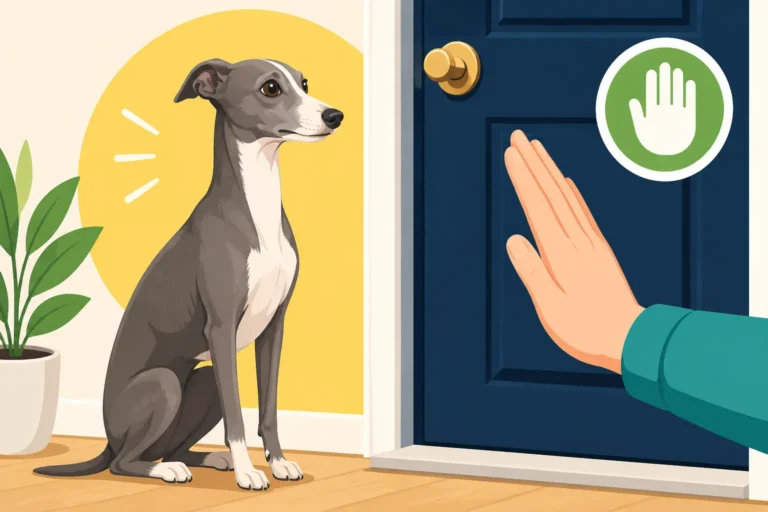
If you have multiple people in the household, everyone needs to be on the same page. A clear, consistent verbal cue (like "Go potty!" or "Outside!") used by everyone, along with immediate and enthusiastic rewards for success, reinforces the desired behavior. Any deviation from this consistency can confuse your IG and prolong the learning process. It takes dedication, but a well-established routine is your best friend in housetraining.
Environment and Setup
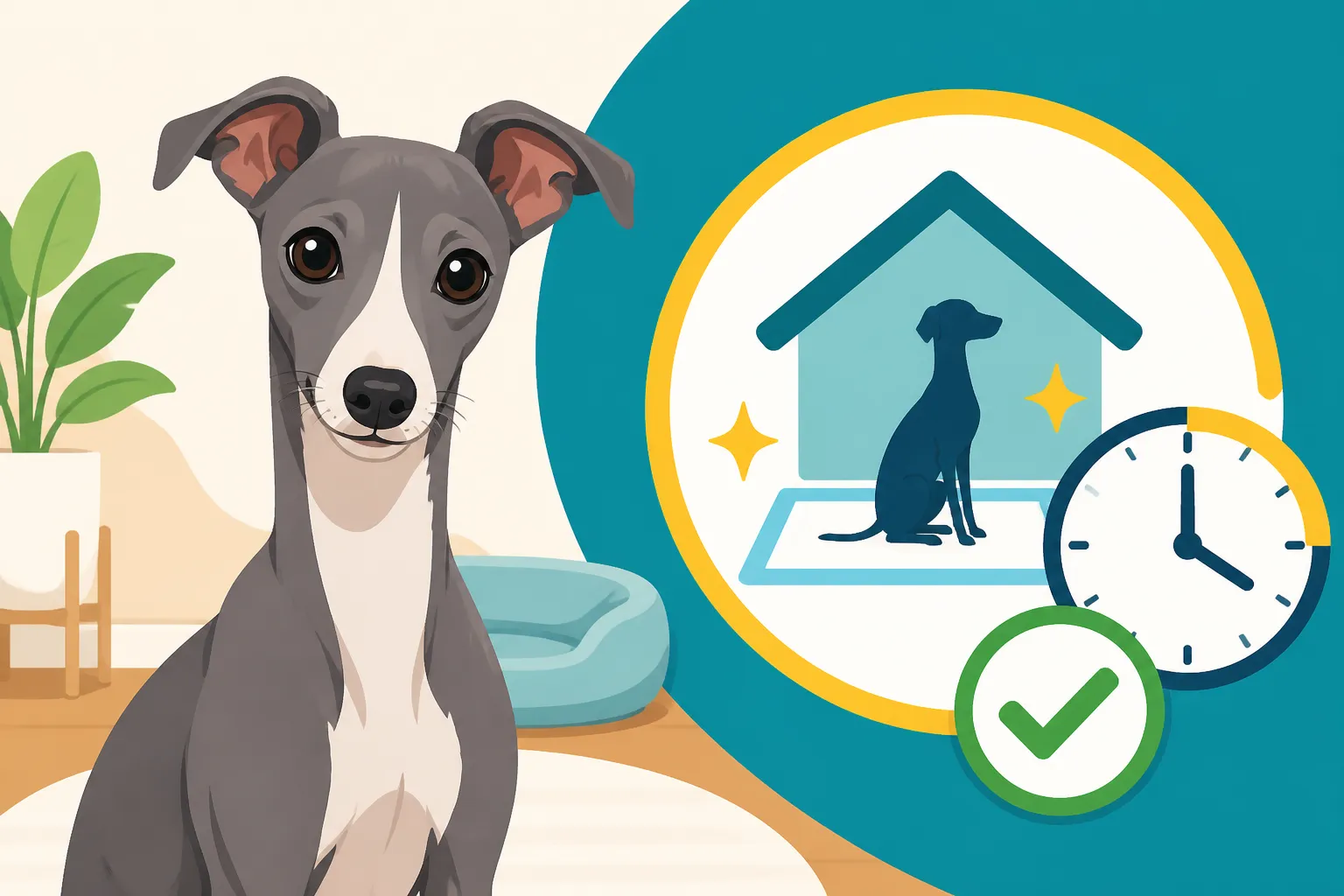
The physical environment you provide for your Italian Greyhound directly impacts their housetraining success. A small, confined space like a crate is incredibly helpful because dogs generally don't want to soil where they sleep. However, the crate must be appropriately sized – just big enough for them to stand up, turn around, and lie down comfortably. If it's too large, they might use one end as a potty area. Crating an Italian Greyhound Overnight offers more tips on using a crate effectively.
Beyond crating, consider your home environment. Do you have easy access to an outdoor potty spot? Is it a quick trip, or a long, involved journey? The quicker and more direct, the better. For indoor solutions, setting up a designated Setting Up an Indoor Bathroom for an Italian Greyhound area can be a game-changer for IGs, especially in cold or wet weather. This could involve pee pads or even a small litter box system (yes, some IGs can be litter box trained, similar to cats!). Brands like Amazon offer a wide variety of indoor potty solutions, from simple disposable pads to reusable grass patches, which can bridge the gap when outdoor conditions are less than ideal.
Strategies to Speed Up the Process
While Italian Greyhounds might take longer, there are proactive strategies you can employ to make the journey smoother and potentially shorten the overall timeline. These involve smart training techniques and understanding your IG's unique needs.
Crate Training Effectiveness
Crate training is one of the most powerful tools in your housetraining arsenal for an Italian Greyhound. The natural instinct of dogs not to soil their sleeping area works heavily in your favor. When your IG is in their appropriately sized crate, they are far less likely to have an accident. This helps them develop bladder and bowel control by gradually extending the time they can hold it.
The key is proper implementation. The crate should be a safe, comfortable den, not a punishment. Introduce it positively with treats and praise. The schedule for crating should align with their potty schedule – out of the crate, immediately outside to potty, then play, then back in the crate for a nap or quiet time. This helps them associate the crate with "holding it" and the outdoors with "potty time." Remember, a crate is a management tool, not a substitute for frequent outdoor access and proper training.
Consistent Potty Breaks and Rewards
This cannot be stressed enough: consistency and positive reinforcement are paramount. Take your Italian Greyhound out frequently. For puppies, this means every 20-30 minutes when awake, after every meal, after every nap, and before bed. For older dogs, it might be every 2-3 hours during the day. Always take them to the same designated potty spot. The scent cues will encourage them to go.
When they do potty outside, make it a huge celebration! Enthusiastic praise, happy vocalizations, and high-value treats (think tiny pieces of cooked chicken or cheese) should be delivered immediately. This strong positive association tells them, "Yes! That's exactly what I want you to do!" Avoid scolding for accidents indoors; it rarely works and can make them fearful or cause them to hide when they need to go, making the problem worse. Why Punishment Makes an Italian Greyhound Hide to Go explains this in detail. Instead, calmly clean up accidents with an enzymatic cleaner to remove odors.
Indoor Potty Solutions
For Italian Greyhounds, who often despise cold, rain, or snow, an indoor potty solution can be a lifesaver, especially during challenging weather. Many owners find success with Litter Box Training an Italian Greyhound or using pee pads. The goal here isn't to replace outdoor training entirely, but to provide a consistent, acceptable alternative when outside isn't feasible or comfortable for your sensitive IG.
You can start by placing pee pads near the door, gradually moving them closer to the exit as your dog becomes more comfortable going outside. Or, if you opt for a litter box, choose one with low sides for easy access. Consistency is still key, even with indoor options. Take them to the pad or box regularly, use your potty cue, and reward heavily for success. Some owners even use a combination, allowing pads for nighttime or bad weather, and outdoor trips for daytime when possible. This flexibility can greatly reduce stress and accidents.
Common Setbacks and How to Overcome Them
Just when you think you've got it figured out, Italian Greyhounds can throw you a curveball. Housetraining isn't always a linear process, and understanding common setbacks can help you navigate them without losing hope.
Regression in Cold Weather
This is perhaps the most notorious Italian Greyhound housetraining challenge. Many IGs develop a deep aversion to cold, rain, or snow. Their thin coats and lack of body fat mean they get chilled very easily, and the thought of stepping a delicate paw into a puddle or a snowdrift can be truly repellent. You might have a perfectly housetrained IG for nine months of the year, only to see complete regression once winter hits. How Cold Weather Undoes an Italian Greyhound's Training is a very real phenomenon.
To combat this, embrace the wardrobe! Invest in quality coats and sweaters for your IG – several layers for truly frigid temperatures. Consider dog boots if salt or ice are an issue. Create a sheltered outdoor potty area, perhaps under an awning or a patio cover, to provide some protection from the elements. If all else fails, this is where a dedicated Setting Up an Indoor Bathroom for an Italian Greyhound becomes invaluable. It's better to have them consistently use an indoor pad or litter box in bad weather than to force them outside where they'll be miserable and likely have accidents indoors anyway.
Submissive or Excitement Urination
Italian Greyhounds are sensitive souls, and some can exhibit submissive urination (peeing when feeling intimidated or overly submissive) or excitement urination (peeing when overly stimulated, like greeting visitors or when you arrive home). These aren't intentional "accidents" and aren't related to a lack of housetraining; they're involuntary responses. Scolding them for these incidents will only make the problem worse, increasing their anxiety or excitement.
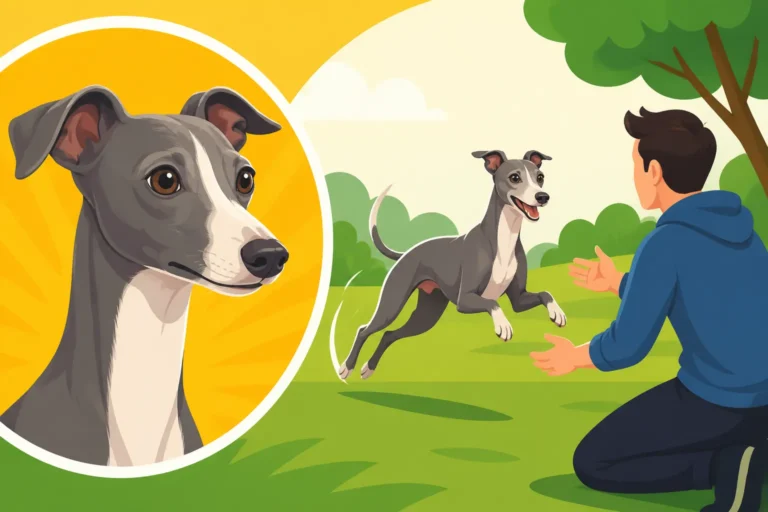
To manage this, approach your IG calmly and quietly, especially during greetings. Avoid over-the-top, excited welcomes. Instead of bending over them, which can be perceived as threatening, crouch down and let them come to you. You might need to take them outside immediately before guests arrive or you come home, to ensure their bladder is empty. If they still dribble, clean it up calmly without a fuss. As they mature and gain confidence, many IGs outgrow these behaviors, but managing the environment and your reactions is key.
Marking Behavior
Both male and female Italian Greyhounds can engage in marking, where they deposit small amounts of urine to claim territory. This is especially common in unneutered males, but spayed females and neutered males can also mark, particularly if there are new smells (like another dog's scent) in the house or changes in their environment. It can be a frustrating setback, making you feel like you're starting from scratch.
The first step is to ensure there are no underlying medical issues, so a vet check is always a good idea. If it's purely behavioral, increased consistency in outdoor potty breaks and thorough cleaning of marked areas with an enzymatic cleaner are essential. For persistent markers, a belly band for males or a dog diaper for females can be a useful management tool indoors. Brands like Amazon offer a wide array of reusable and disposable belly bands. While not a training solution, they prevent damage to your home and buy you time to reinforce appropriate outdoor potty habits. Whether a Belly Band Helps an Italian Greyhound might offer more insights here.
When to Seek Professional Help
While Italian Greyhounds do have their unique housetraining quirks, there's a point where persistent problems might indicate something more than just typical breed challenges. Knowing when to call in reinforcements can save you a lot of stress and prevent issues from escalating.
Identifying Persistent Problems
If you've been consistently following a strict housetraining schedule, using positive reinforcement, managing their environment, and trying indoor options, but your Italian Greyhound still has frequent accidents after several months (especially past 6-9 months of age), it might be time to evaluate further. Persistent problems could include:
- Daily accidents: If accidents are happening daily, or multiple times a day, despite your best efforts.
- Complete refusal to potty outdoors: If your IG consistently holds it for hours outside, only to relieve themselves immediately upon coming back inside.
- Sudden regression: If a previously housetrained adult dog suddenly starts having accidents, especially without any obvious environmental changes or a new aversion to weather. This always warrants a vet visit first to rule out medical issues.
- Excessive marking: If marking becomes pervasive throughout the home, even after addressing potential triggers and using management tools like belly bands.
It's important to distinguish between the occasional "oops" (which can happen with any dog, especially IGs with their small bladders) and a genuine, ongoing training roadblock.
The Role of a Professional Trainer or Vet
If you're facing persistent housetraining issues, your first stop should always be your veterinarian. They can rule out any underlying medical conditions that might be causing frequent urination or incontinence, such as a urinary tract infection, kidney issues, or even diabetes. Italian Greyhounds are generally healthy, but these checks are crucial to eliminate physical causes.
If medical issues are ruled out, a professional dog trainer specializing in positive reinforcement and experienced with sighthound breeds can be invaluable. A good trainer can observe your routine, your IG's behavior, and identify subtle cues or missed opportunities that you might be overlooking. They can help you fine-tune your schedule, refine your communication, and introduce new strategies tailored to your specific dog and household. Sometimes, an objective third party is exactly what's needed to break through a plateau. You might even find online training programs, like those offered by BAXTER & Bella, that provide structured guidance and support, which can be a great resource for working through challenging behaviors like housetraining from the comfort of your own home. They often have resources that can help pinpoint exactly where your efforts might be going astray.
| Factor | Impact on Housetraining Duration | Strategies to Optimize |
|---|---|---|
| Age of Dog | Younger puppies have smaller bladders, less control; older dogs may have established habits (good or bad). | Start early with puppies. Be patient with rescues, and assume a "reset" period to establish new routines. |
| Owner Consistency | Inconsistent schedules confuse dogs; routine reinforces learning. | Strict potty schedule (after waking, eating, playing, before bed). Use consistent cues. Reward successes immediately. |
| Weather/Climate | IGs dislike cold/wet, leading to refusal to potty outside. | Invest in coats/boots. Create sheltered outdoor spot. Utilize indoor potty solutions (pads, litter box). |
| Crate Training | Helps develop bladder control by preventing accidents in sleeping area. | Use appropriately sized crate. Ensure it's a positive, comfortable space. Integrate crate time with potty schedule. |
| Previous Training History | Can either give a head start or require breaking old habits. | Assess previous training. If adopting, assume you'll need to re-teach. Celebrate small steps, don't punish for past habits. |
| Behavioral Issues | Marking, submissive/excitement urination are involuntary and not true housetraining failures. | Address underlying cause (neuter/spay, manage greetings, reduce stress). Use belly bands/diapers as management. Do not punish. |
| Medical Conditions | UTIs, incontinence, other health issues can cause accidents. | Always consult a vet first for sudden regression or persistent issues to rule out health problems. |
| Access to Potty Area | Difficult access or unpleasant conditions discourage use. | Quick, easy access to a consistent, safe, and clean outdoor/indoor potty spot. |
Housetraining an Italian Greyhound can be a test of endurance, but with patience, consistency, and a deep understanding of their unique nature, you absolutely can achieve success. Remember, every IG is an individual, and what works for one might need tweaking for another. Stay positive, celebrate every victory, and enjoy the wonderful companionship these little sighthounds offer.
Disclaimer
This article is for general informational purposes only and does not constitute professional advice. Laws, prices and regulations vary by location and change over time. Consult a qualified professional for guidance on your specific situation.