Which Litter Box Size Suits an Italian Greyhound
One of the trickiest parts of sharing your life with an Italian Greyhound is figuring out the potty situation. These delicate, intelligent, and often finicky little dogs have some unique quirks that can make traditional outdoor-only housetraining a real uphill battle. Many owners face the frustration of perfectly timed outdoor trips, only to find an accident indoors the moment the weather turns chilly or rainy. This guide is all about helping you navigate the world of indoor potty solutions, specifically focusing on how to choose the right litter box size to keep your Italian Greyhound comfortable, clean, and happy inside your home.
Why an Indoor Potty Solution Makes Sense for Italian Greyhounds
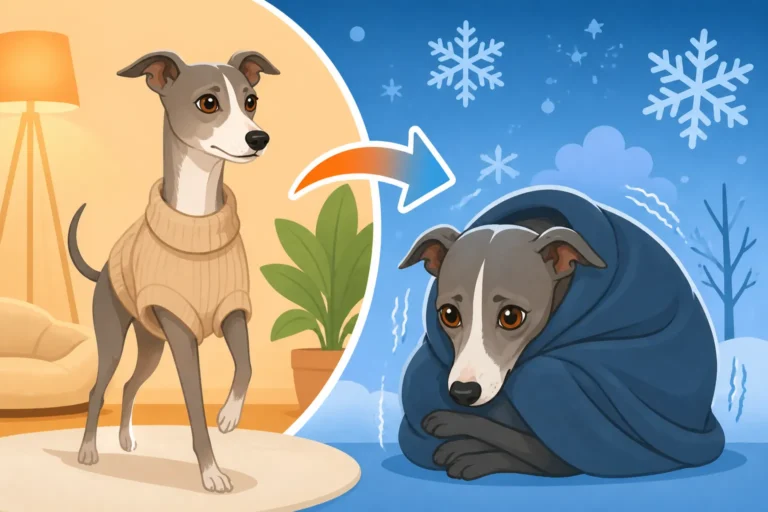
Let's be honest, Italian Greyhounds are not your average outdoor-loving, all-weather canine companions. Their slight build and minimal body fat mean they get cold incredibly quickly, and a damp, chilly day can turn a promising potty trip into a shivering sprint back to the door. This isn't a failure on your part, it's just how they're built! Understanding these inherent traits is the first step toward finding a successful housetraining strategy.
The Italian Greyhound's Unique Housetraining Challenges
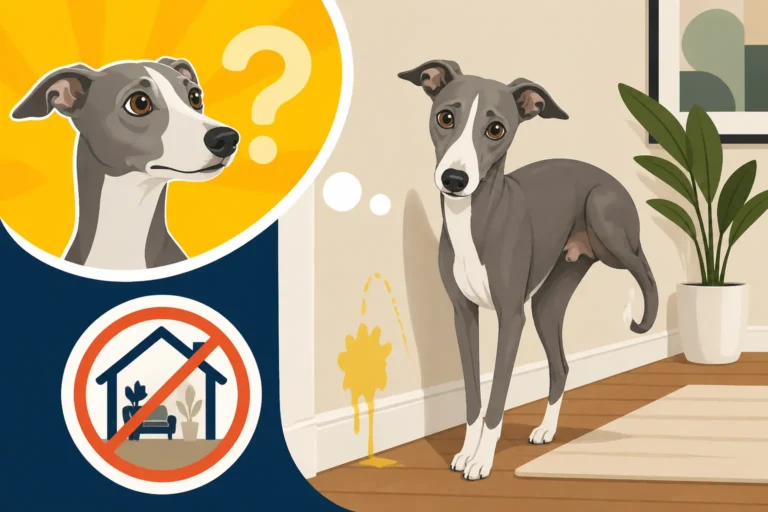
If you've ever owned an Italian Greyhound, you know the drill. You bundle them up in their warmest coat, trot them outside, and they stand there, shivering, perhaps lifting a leg for a quick moment of token effort before doing their business on your rug five minutes later. This isn't out of spite, it's often a genuine discomfort with the elements. Their thin skin and lack of insulation make them highly sensitive to cold, rain, and even strong winds. This means that a consistent outdoor schedule, especially in varied climates, can be incredibly difficult to maintain. They might even try to "hold it" rather than face the unpleasantness of going outside, leading to accidents indoors when their small bladder can no longer cope. You might find yourself wondering Why an Italian Greyhound Holds It Rather Than Go Outside, and the answer often boils down to sheer physical discomfort. This sensitivity is a major reason why many Italian Greyhound owners ultimately embrace an indoor potty setup. They simply aren't built for long, leisurely potty breaks in a blizzard. Their instincts tell them to get in and out quickly, and if "out" is too uncomfortable, "in" becomes the default. This can be a huge frustration for new owners who expect a dog to simply "go" when taken out.
Benefits of an Indoor Potty Solution
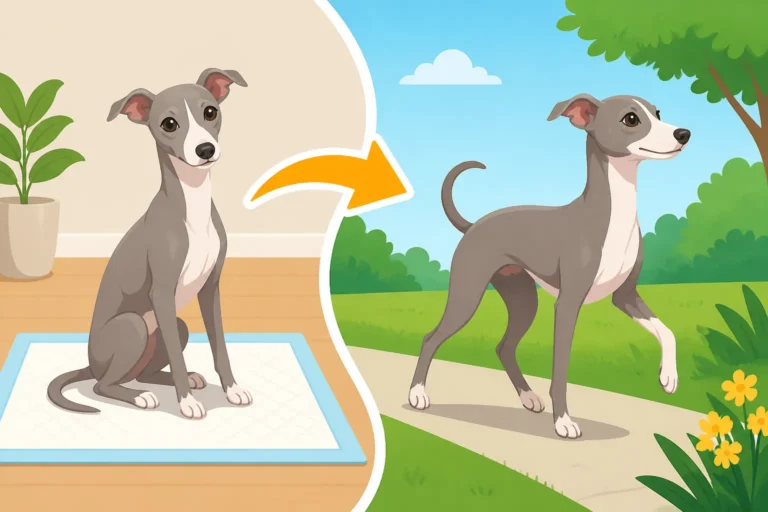
Adopting an indoor potty system offers a myriad of benefits that align perfectly with the Italian Greyhound's needs and temperament. Firstly, it provides consistency. Rain or shine, sleet or snow, the indoor potty spot is always there, always dry, and always a comfortable temperature. This consistency can be a game-changer for a breed notoriously difficult to housetrain, often leading to faster and more reliable results. It reduces stress for both you and your dog, eliminating the battle of wills that often arises on a cold, rainy day when your Italian Greyhound simply refuses to perform outside. We've all been there, coaxing, begging, standing in the drizzle, knowing your little friend is perfectly capable of peeing but just won't because they're too cold. This is particularly true if you live in an area with harsh winters; How Cold Weather Undoes an Italian Greyhound's Training is a common and heartbreaking reality for many owners.
Beyond comfort and consistency, an indoor solution also offers a layer of safety. For a breed known for its fragility and speed, a quick dash outside can sometimes lead to unexpected hazards. An indoor setup means no worrying about encounters with larger, boisterous dogs, no exposure to chemicals on the lawn, and no escape attempts if a squirrel or rabbit catches their eye – because, let's be real, Why an Italian Greyhound Stops Hearing You at a Sprint when prey drive kicks in. It also gives them an option when you can't get home immediately, or when they have to go in the middle of the night. For many, an indoor potty is not just a convenience, but a necessity for the health and well-being of their delicate companions.
Choosing the Right Litter Box Size for Your Italian Greyhound
Once you've decided an indoor potty solution is right for your Italian Greyhound, the next big question is: what kind of litter box, and more importantly, what size? This isn't a one-size-fits-all answer, but there are some key factors to consider to ensure your Italian Greyhound feels comfortable and secure using their designated spot.
Considerations for Adult Italian Greyhounds
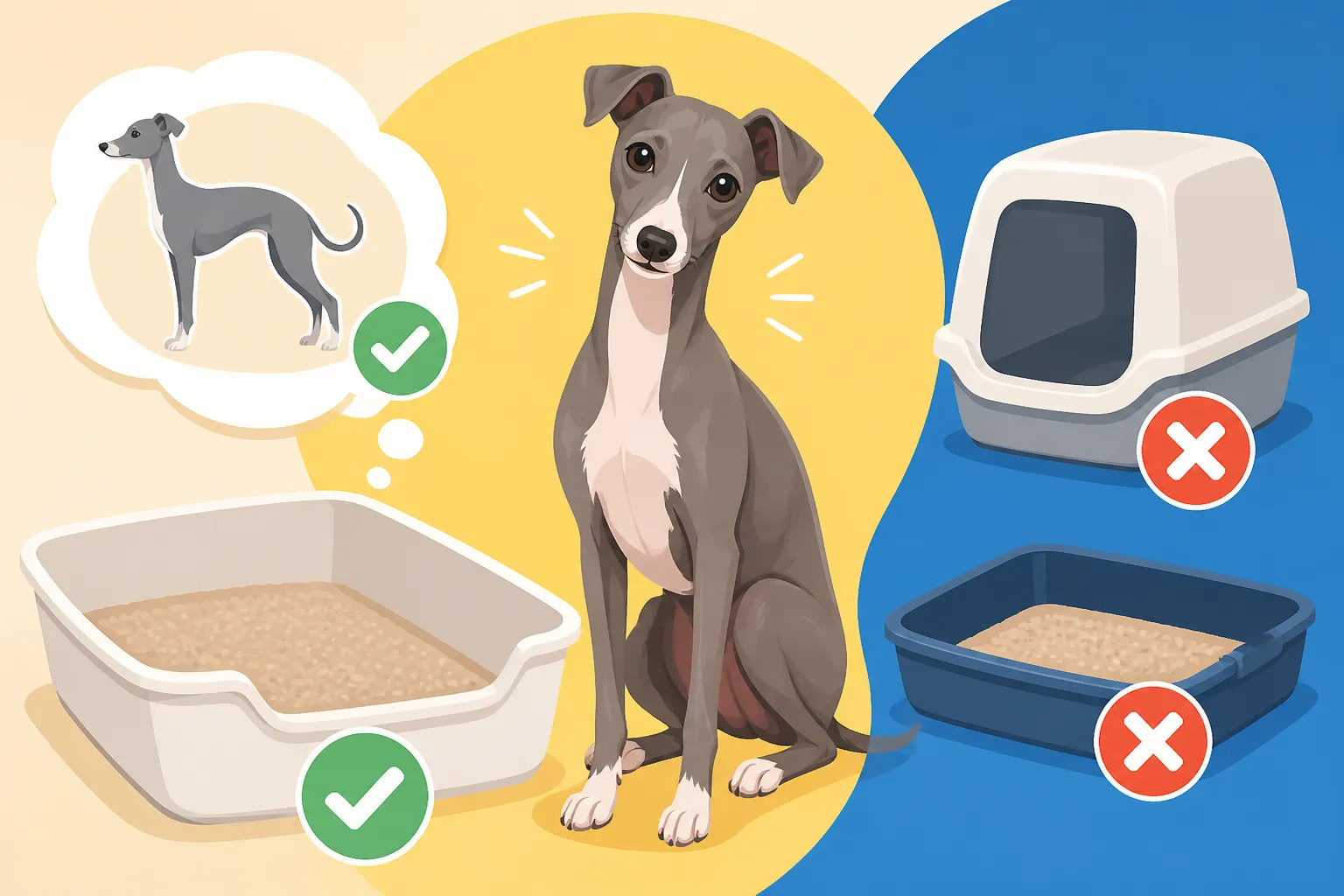
Even though Italian Greyhounds are small dogs, they still need enough space to move around, sniff, choose their spot, and get into a comfortable squatting position without feeling cramped. Imagine trying to use a tiny public restroom stall – it's not pleasant! For an adult Italian Greyhound, a litter box that measures at least 20-24 inches long by 15-18 inches wide is generally a good starting point. This provides ample room for them to turn a full circle and position themselves, which is crucial for encouraging consistent use. If the box is too small, they might feel uncomfortable and be more prone to stepping out of it while doing their business, leading to messes.
Think about how your Italian Greyhound typically eliminates. Does your male lift his leg high? Then you might need a box with higher sides on at least one or two ends. Does your female squat low? A lower entry point might be more appealing. Consider their full adult size, not just their current weight, especially if you have a younger adult. Some Iggies are on the larger end of the breed standard, perhaps closer to 14-18 pounds, while others are dainty little 8-pounders. Both need space. Many owners find that a large or extra-large "cat" litter box works well, or even specially designed "dog litter boxes" that are often larger and more rectangular. These are readily available on platforms like Amazon.
What About Italian Greyhound Puppies?
Puppies, especially Italian Greyhound puppies, are a special case. Their tiny legs and still-developing coordination mean they need a litter box that's incredibly easy to access. While an adult-sized box is ultimately what you'll want, a puppy might struggle to get into it initially if the sides are too high. For a young Italian Greyhound puppy, consider starting with a low-sided pan, perhaps a large kitten litter pan or even a shallow storage bin. The key is an entry lip that's no more than an inch or two high, allowing them to step in and out effortlessly.
As they grow, you can gradually transition to a larger box with slightly higher sides. You want the box to be inviting and easy to use, not a hurdle course. Remember, consistency is vital in those early weeks. A puppy needs to go out (or to their designated indoor spot) very frequently, often every hour or two, especially after waking, eating, and playing. How Often an Italian Greyhound Puppy Needs Out cannot be overstated, and having an easy-to-access indoor option is a huge help. As they get bigger and more confident, their ability to navigate a larger box will improve, but never sacrifice ease of access for the sake of aesthetics.
Beyond Size: Other Important Features
While size is paramount, several other features can make a huge difference in the success of your Italian Greyhound's litter box setup.
- Low Entry Point with Higher Sides: This is the holy grail for many Italian Greyhound owners. A low front entrance makes it easy for them to step in, while higher sides (especially at the back or corners) help contain urine, particularly for males who might lift a leg. Some dog-specific litter boxes are designed with this in mind.
- Material and Durability: Look for sturdy, non-porous materials that are easy to clean and won't absorb odors. Plastic is common, but make sure it's thick enough not to crack or warp.
- Ease of Cleaning: A litter box is only as good as its cleanliness. A smooth interior surface with rounded corners is easier to wipe down. Some designs feature removable grids or trays, which can simplify the cleaning process.
- Covered vs. Open: While covered litter boxes can help contain odor and give some dogs a sense of privacy, they might feel too confining for an Italian Greyhound, especially if the internal dimensions are already just barely adequate. Many Iggies prefer an open design. However, if your Italian Greyhound is a "scatterer" or you have issues with leg-lifting males missing the mark, a covered box might be an option, but ensure it's generously sized internally.
- Non-Slip Bottom: This might seem minor, but a box that slides around when your Italian Greyhound jumps in or out can be off-putting and even a little scary for a sensitive dog. Rubber feet or a non-slip mat underneath can make a big difference.
Here’s a quick comparison of common indoor potty options and their typical suitability for Italian Greyhounds:
| Potty Type | Typical Dimensions (L x W) | Entry Height | Pros for IG Owners | Cons for IG Owners |
|---|---|---|---|---|
| Large Cat Litter Box | 20-24" x 15-18" | Low to Medium | Readily available, affordable, good space. | Sides might be too low for leg-lifters; not always aesthetically pleasing. |
| Dog Litter Box | 24-30" x 18-20" | Low to Medium | Often designed with higher back/sides, larger. | Can be more expensive; takes up more floor space. |
| Real Grass Pee Pad | Various, often 24" x 16" | Very Low | Natural feel, absorbent, good for picky Iggies. | Requires regular replacement; can be messy; Whether Real Grass Pads Work for an Italian Greyhound is a common question. |
| Reusable Pee Pad | Various, often 24" x 36" | None (Flat) | Environmentally friendly, washable. | Requires frequent washing; can be pushed around; doesn't offer "box" containment. |
| Tray with Pellets | 20-28" x 15-20" | Low | Good odor control with right pellets; good size. | Some Iggies dislike texture of pellets; needs regular cleaning. |
| DIY Storage Bin | Various | Can be cut | Customizable size and entry; very affordable. | May not be as aesthetically pleasing; requires modification. |
Making the Litter Box a Success Story
Choosing the right litter box size is a critical first step, but it's only one piece of the puzzle. To truly integrate an indoor potty solution into your Italian Greyhound's life, you need to think about placement, the type of potty material you use, and most importantly, consistent, positive training.
Placement and Accessibility
Where you put the litter box matters more than you might think. Italian Greyhounds are sensitive souls, and they need to feel secure when they do their business. Choose a quiet, easily accessible spot that isn't in a high-traffic area of your home. A corner of a room, a bathroom, or a laundry room can all be good choices. The goal is to make it easy for your Italian Greyhound to get to their potty spot without feeling exposed or interrupted. Some Italian Greyhounds might even prefer a spot that's somewhat secluded, perhaps behind a piece of furniture, to offer a sense of privacy.
Consider the layout of your home and your Italian Greyhound's routine. If you live in a multi-story house, you might even consider having more than one litter box – perhaps one on each floor – to maximize accessibility and minimize the chances of an accident, especially for a puppy or an older dog whose bladder control might not be as strong. Setting Up an Indoor Bathroom for an Italian Greyhound effectively means thinking like your dog and anticipating their needs before they even arise. The easier it is for them to reach their designated spot, the more likely they are to use it consistently.
Type of Litter or Pad Matters
Just like humans have preferences for restroom facilities, Italian Greyhounds can be particular about what they eliminate on. The "litter" or pad you choose for your box can be just as important as the box itself.
- Pee Pads (Disposable or Reusable): These are often the first choice for many. They're absorbent and relatively easy to use. Disposable pads are convenient but generate waste. Reusable pads, available on sites like Amazon, are more environmentally friendly and cost-effective in the long run, but require regular washing. Place them securely in the bottom of your chosen litter box.
- Real Grass Pads: Some companies offer trays of real grass, which can be very appealing to dogs who are used to going outside on natural surfaces. For an Italian Greyhound who is particular about texture or struggles with the concept of going on a synthetic pad, real grass can be a great bridge. They do require more maintenance and replacement, but for some dogs, it's the only thing they'll consistently use. You might ask Whether Real Grass Pads Work for an Italian Greyhound, and for many, they are a lifesaver.
- Pellet Litters: These can range from recycled paper pellets to wood stove pellets. They are often good at odor control and absorbency. However, some Italian Greyhounds might dislike the feel of the pellets under their paws, especially if they are accustomed to softer surfaces. If you choose pellets, ensure they are non-toxic and specifically designed for pets.
- Artificial Grass Mats: These offer a fake grass texture in a tray, mimicking the feel of real grass without the upkeep. They are washable and durable, offering a good compromise between natural grass and synthetic pads.
Experimentation might be necessary to find what your Italian Greyhound prefers. Start with one type and observe their response. If they're hesitant, try another. The goal is to make the potty experience as pleasant and natural as possible for them.
Training Your Italian Greyhound to Use It
Even with the perfect litter box and ideal placement, training is key. Italian Greyhounds, while intelligent, are often sensitive and respond best to positive reinforcement. Scolding or punishing accidents will only make them hide to go, or worse, become anxious about eliminating at all.
- Consistency is Paramount: Take your Italian Greyhound to their litter box frequently, especially after waking up, eating, drinking, and playing. Just like you would take a puppy outside, prompt them to use their indoor spot.
- Positive Reinforcement: When they successfully use the litter box, praise them enthusiastically and give them a high-value treat immediately. Make it a celebration! This builds a strong positive association. Resources from reputable trainers, such as those offered by BAXTER & Bella, often emphasize these positive, reward-based methods for housetraining success.
- Scent Cues: You can try placing a soiled pee pad (or a small amount of urine from an accident) into the clean litter box. The scent cue might encourage them to go in the designated spot.
- Supervision and Confinement: When you can't actively supervise your Italian Greyhound, keep them in a confined area (like a crate or a puppy-proofed room) with their litter box accessible. This prevents accidents in other areas of the house and reinforces the idea that the litter box is the only acceptable place to go.
- Clean Accidents Thoroughly: Use an enzymatic cleaner to fully eliminate odor from any accidents outside the box. If the scent remains, your Italian Greyhound might be drawn back to that spot, thinking it's an appropriate potty area. You want to make sure you're Cleaning Up After an Italian Greyhound Accident properly to avoid future issues.
Remember that housetraining an Italian Greyhound can take time and patience. They are a unique breed with specific needs, and an indoor potty solution, when properly implemented and trained, can significantly improve their quality of life and your shared home environment. Litter Box Training an Italian Greyhound requires dedication, but the reward of a happy, well-adjusted companion is immeasurable.
Disclaimer
This article is for general informational purposes only and does not constitute professional advice. Laws, prices and regulations vary by location and change over time. Consult a qualified professional for guidance on your specific situation.