How Legg Calve Perthes Is Diagnosed in an Italian Greyhound
Legg Calve Perthes disease diagnosis in Italian Greyhounds involves observing hind leg lameness, muscle atrophy, and veterinary exams.
Know what to watch for.
Breed-specific conditions, screening and DNA tests, what surgery actually costs, and the daily habits that stretch a healthy lifespan.
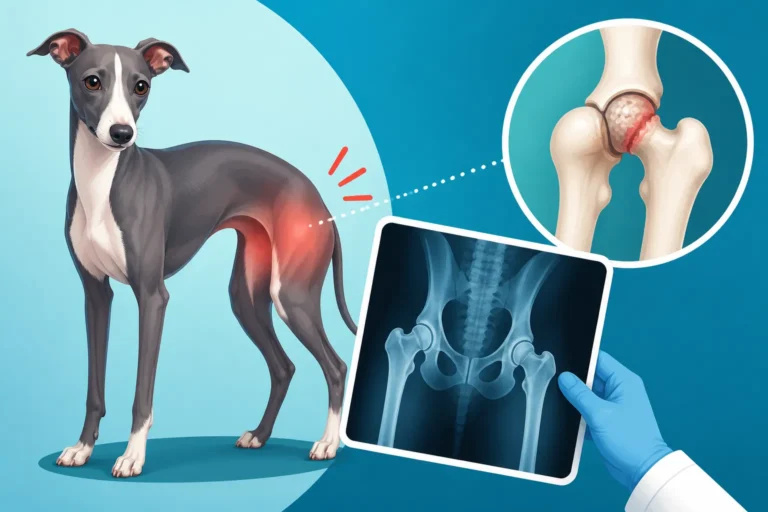
Legg Calve Perthes disease diagnosis in Italian Greyhounds involves observing hind leg lameness, muscle atrophy, and veterinary exams.
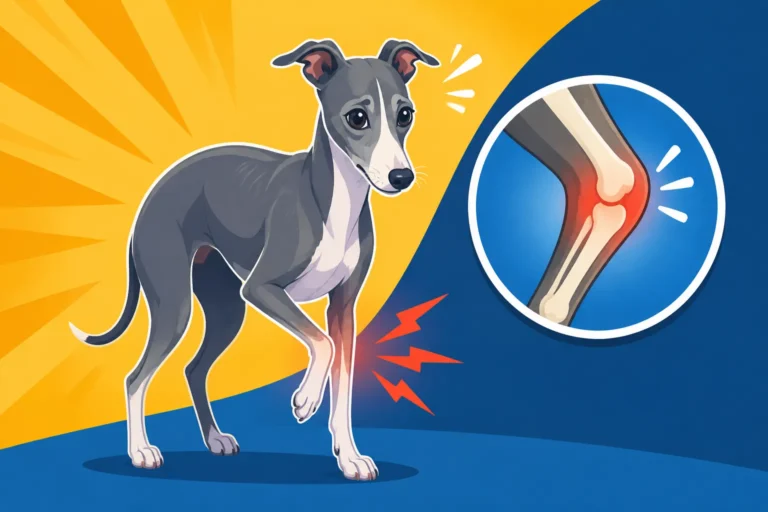
Sudden lameness in Italian Greyhounds often stems from fragile leg bones and delicate skeletal structures prone to fractures.
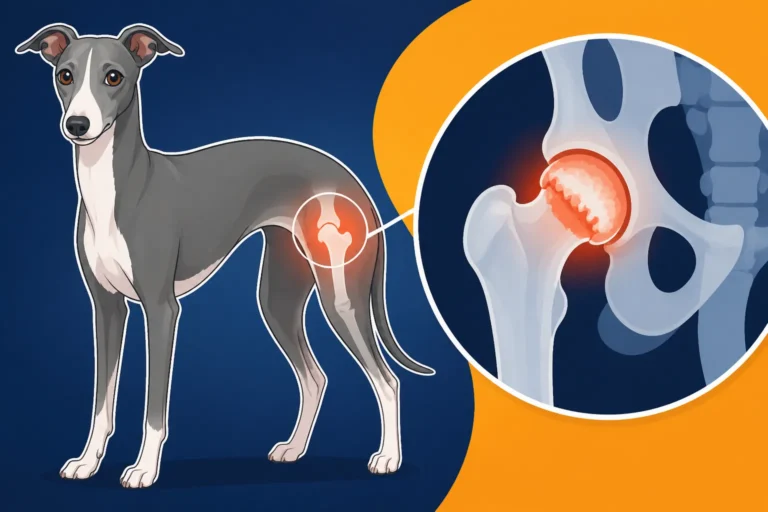
Legg-Calve-Perthes disease typically appears in growing Italian Greyhound puppies between four and twelve months of age.
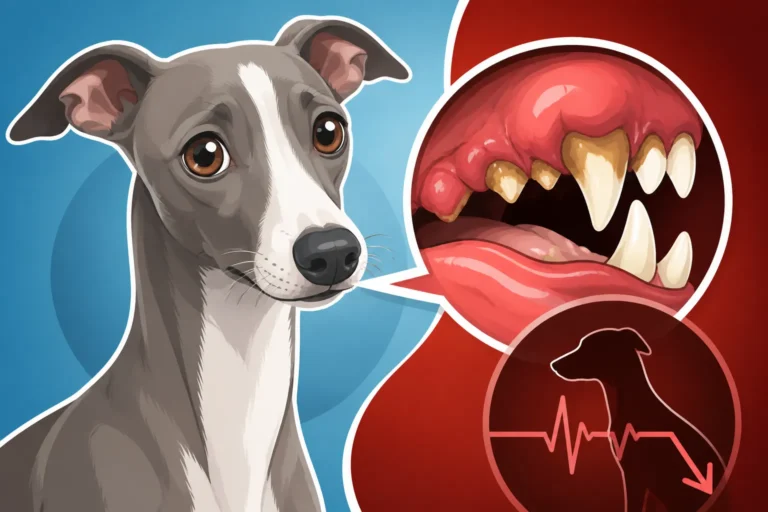
Dental disease in Italian Greyhounds causes systemic health problems that shorten their lives through bacterial infections.
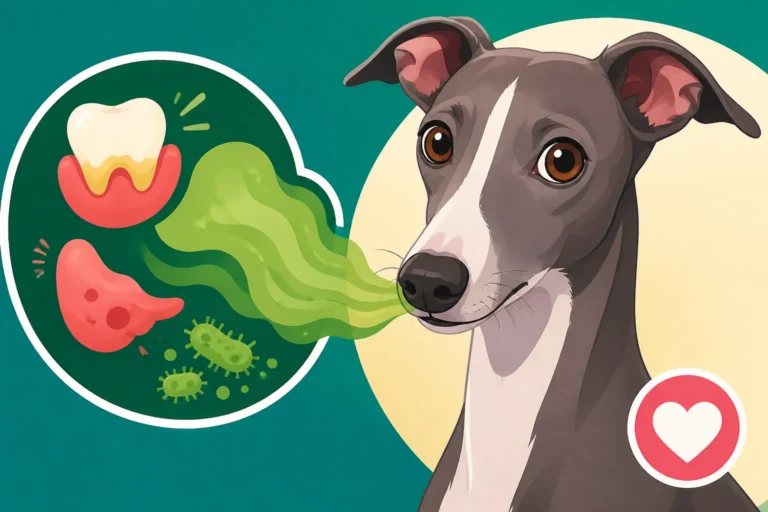
Italian Greyhound bad breath signals dangerous bacterial plaque, tartar buildup, and severe dental disease caused by crowded teeth.

Dry kibble fails to clean Italian Greyhound teeth because pieces shatter quickly, leaving 42 crowded adult teeth prone to plaque.
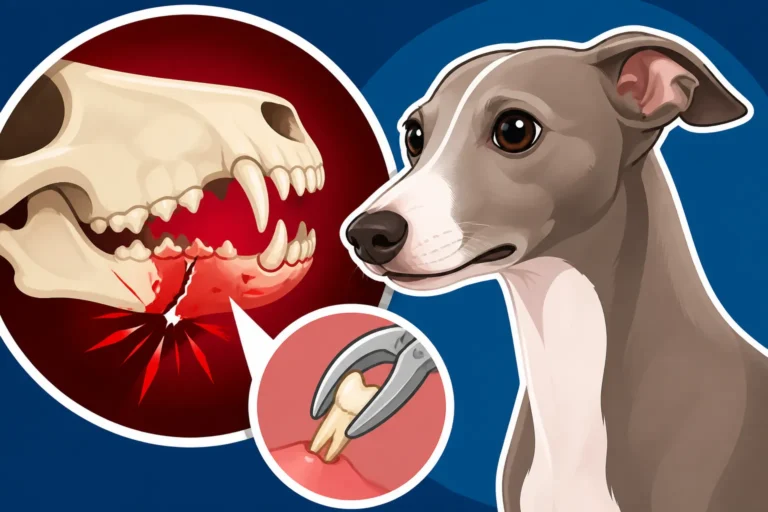
Italian Greyhound dental extractions carry jaw fracture risks due to thin bone structure, crowded teeth, and periodontal disease.
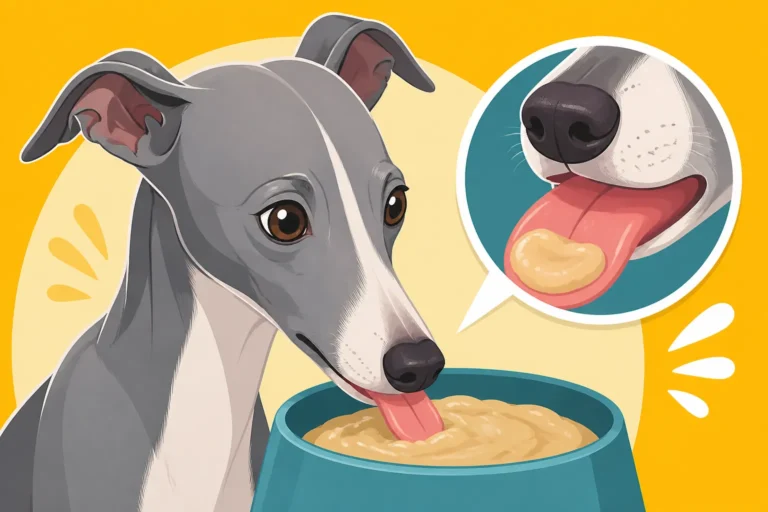
Toothless Italian Greyhounds can eat and thrive after extractions by transitioning to a comfortable, modified meal plan.
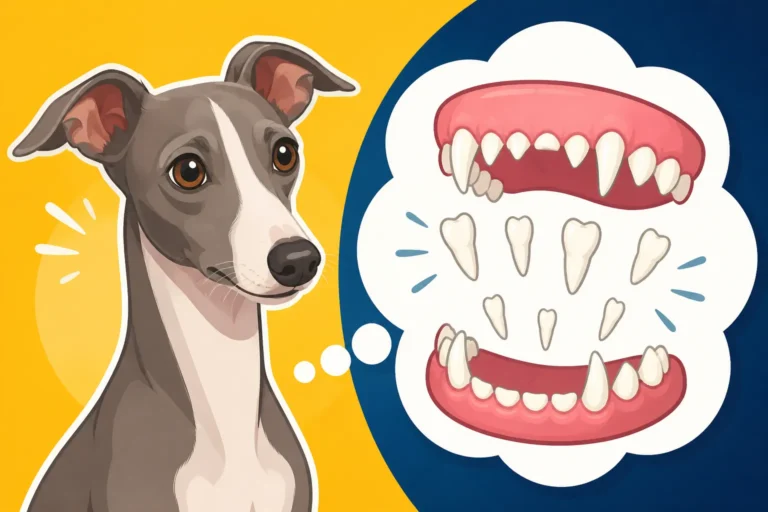
Italian Greyhound tooth loss by age eight, caused by overcrowded jaws holding forty two adult teeth and periodontal disease.
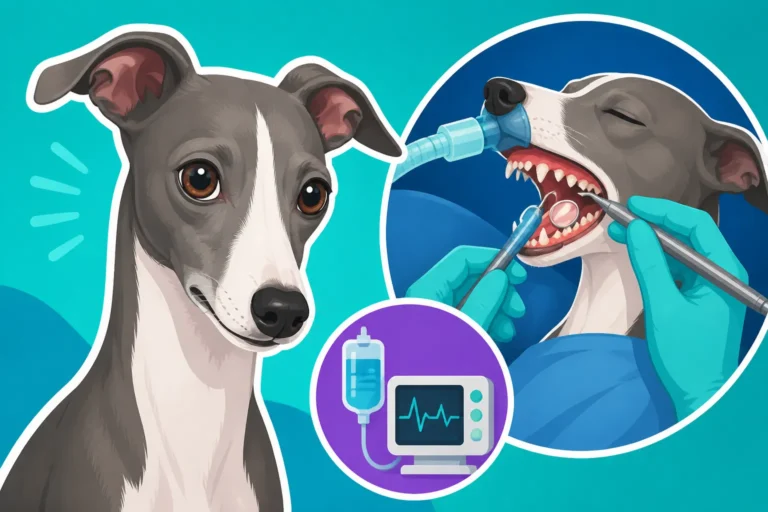
Italian Greyhound dental procedures require general anesthesia to safely manage low body fat, hypothermia risks, and drug sensitivities.