What Happens During an Italian Greyhound’s Dental
Italian Greyhound dental procedures involve preparation, scaling, polishing, and recovery to prevent periodontal disease and organ damage.
Know what to watch for.
Breed-specific conditions, screening and DNA tests, what surgery actually costs, and the daily habits that stretch a healthy lifespan.
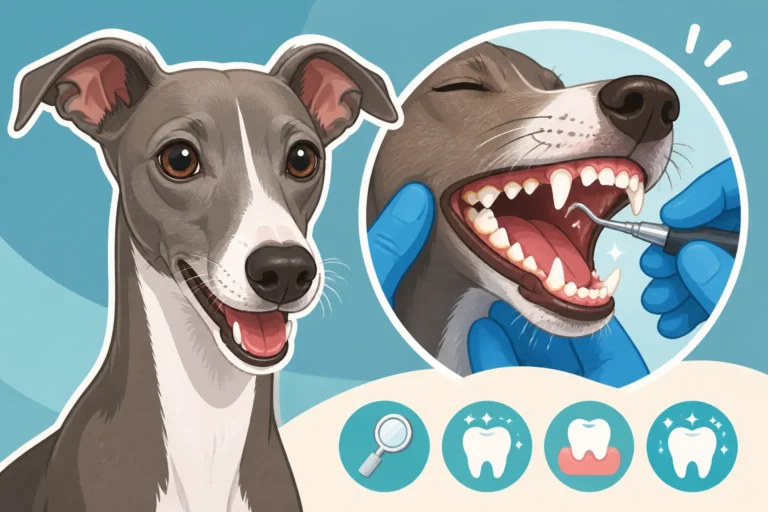
Italian Greyhound dental procedures involve preparation, scaling, polishing, and recovery to prevent periodontal disease and organ damage.

Dental chews for Italian Greyhounds offer limited mechanical abrasion against plaque, but face risks from fragile jaws and crowded teeth.
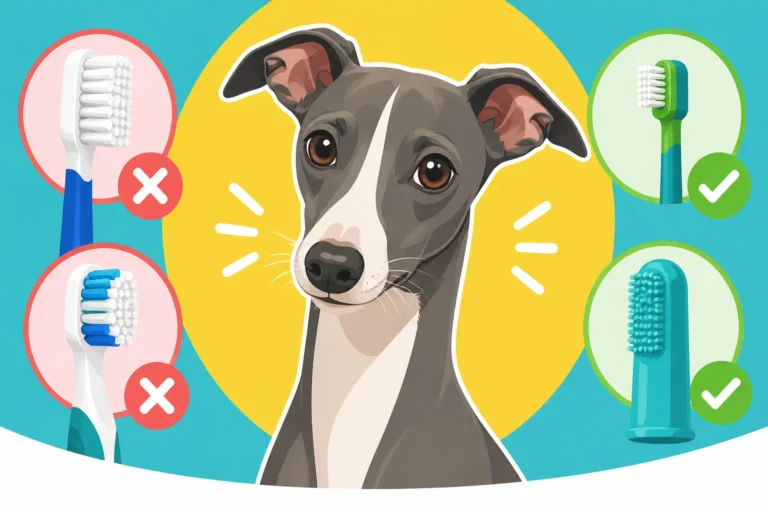
Italian Greyhound dental care and crowded teeth requires choosing the correct toothbrush for forty two adult teeth in delicate jaws.
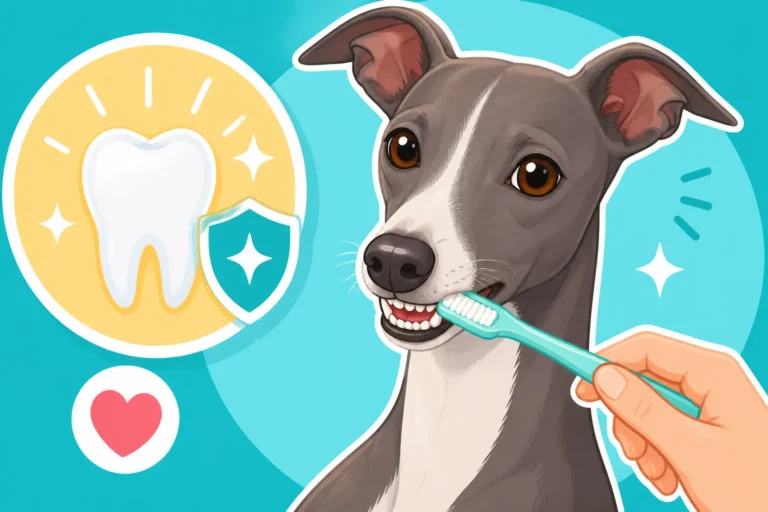
Daily teeth brushing for Italian Greyhounds prevents severe periodontal disease caused by crowded teeth and rapid tartar accumulation.
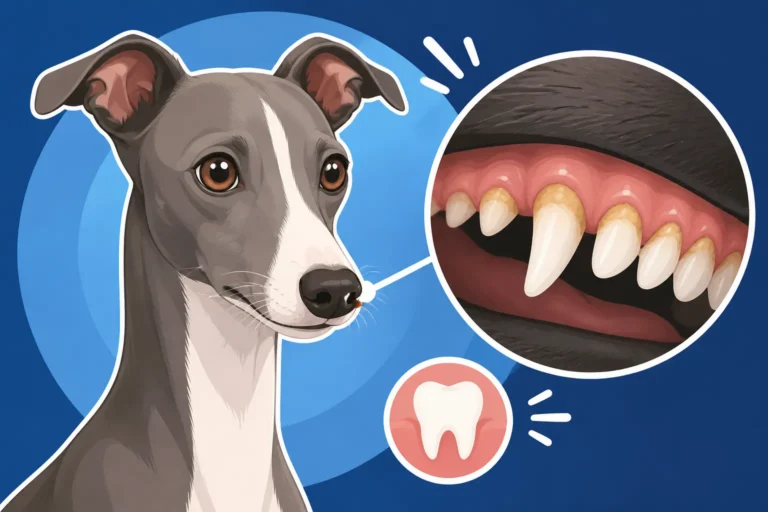
Early tartar formation on Italian Greyhounds causes yellow discoloration and bad breath due to crowded teeth and genetics.
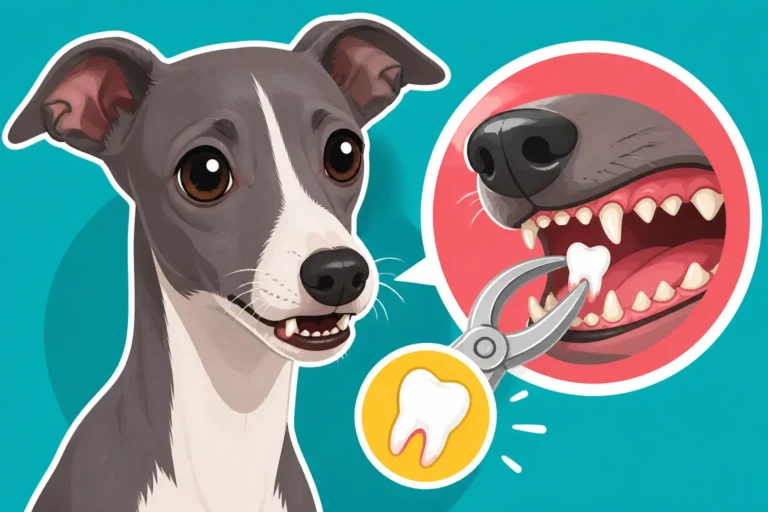
Retained deciduous teeth in Italian Greyhounds occur when baby teeth do not fall out as permanent adult teeth erupt at four months.
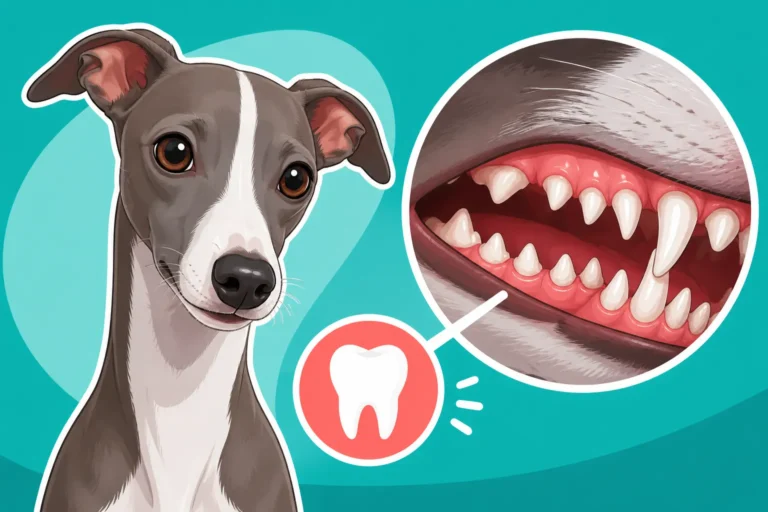
Retained baby teeth in Italian Greyhounds cause dental crowding and misalignment because narrow jaws block normal adult tooth eruption.
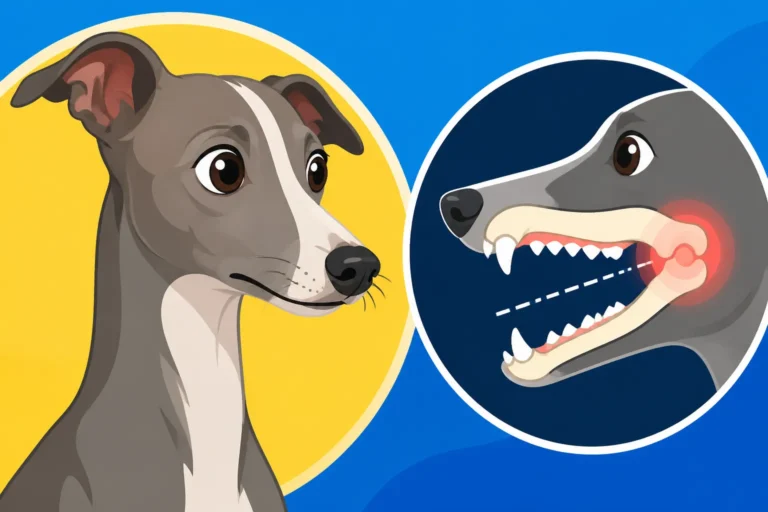
Italian Greyhound dental issues stem from tiny skulls and narrow muzzles causing tooth crowding and periodontal disease.

Leg fracture prevalence in young Italian Greyhounds explains why fragile puppies break bones before reaching two years of age.
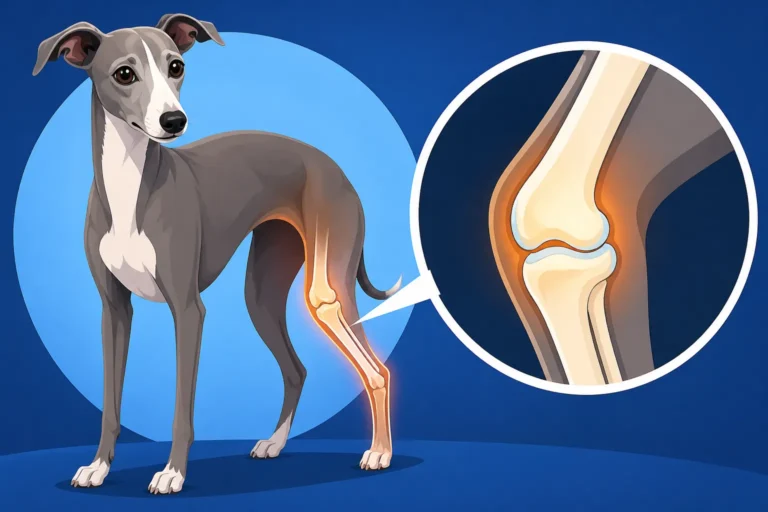
Arthritis in a healed Italian Greyhound leg develops from cartilage damage, altered biomechanics, and chronic inflammation.