Whether Neutering Stops an Italian Greyhound Marking
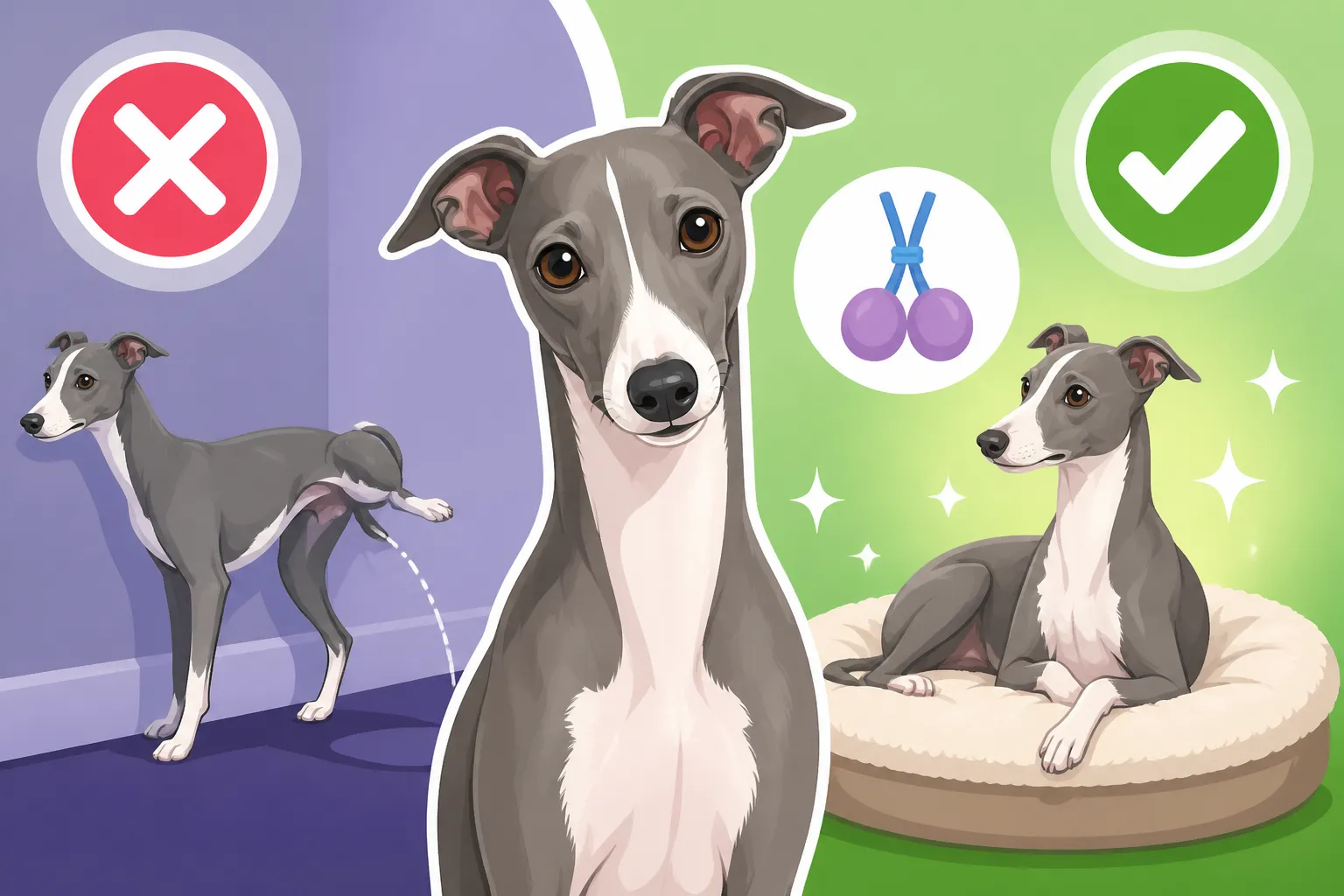
It's one of the biggest hopes Italian Greyhound owners have when their intact male starts marking in the house: "Surely, neutering him will put an end to this messy, frustrating habit!" The truth is, while neutering can absolutely help reduce or even eliminate marking behavior in many Iggies, it's not the magic bullet we sometimes wish it were. This guide will walk you through why Italian Greyhounds mark, how neutering plays a role, and what other strategies you'll need in your toolkit to keep your home accident-free.
Understanding Marking Behavior in Italian Greyhounds
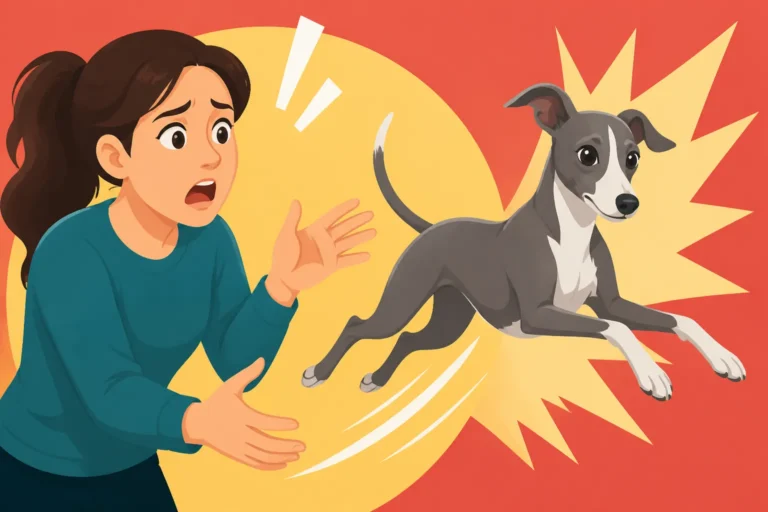
Let's face it, finding a wet spot on your favorite rug, or worse, on a guest's purse, is incredibly frustrating. It feels deliberate, like an act of defiance, but for an Italian Greyhound, marking is usually much more primal than that. It's a form of communication, a way to say, "I was here!" or "This is mine!" And because our Iggies are such sensitive, intelligent little creatures, understanding the why behind their marking is the first step to solving it.
Why Italian Greyhounds Mark
There's a whole host of reasons your Italian Greyhound might be lifting a leg (or squatting, as some females do!) indoors. It’s not always about spite or a failure in housetraining, though it can certainly feel that way when you’re scrubbing the carpet again. Often, it's deeply ingrained instinct mixed with environmental cues.
- Territoriality: This is perhaps the most common reason, especially for intact males. They want to lay claim to their space, whether it's your living room, a new piece of furniture, or even a particular spot where another dog has been. That scent is a declaration of ownership.
- Anxiety and Stress: Our delicate Iggies are prone to anxiety. New people, changes in routine, loud noises, or even feeling insecure in their environment can trigger marking. It's a displacement behavior, a way for them to cope with overwhelming feelings.
- Excitement: Sometimes, an Italian Greyhound gets so thrilled that they just… forget themselves. A particularly exciting visitor, a new toy, or even your return home after a long day can cause an enthusiastic dribble or mark.
- Learned Behavior: If an Italian Greyhound has been allowed to mark in the house repeatedly, or if previous clean-ups weren't thorough, the scent of past accidents encourages future ones. They think, "Oh, this is the potty spot!" and the cycle continues.
- Medical Issues: We always need to rule out health problems. A urinary tract infection (UTI), bladder stones, or even kidney issues can lead to increased urination and accidents, which might be mistaken for marking. Always check with your vet first.
The Role of Hormones in Marking
When we talk about marking, especially persistent indoor marking, the conversation often circles back to hormones, particularly in male dogs. Testosterone is a powerful driver of many male dog behaviors, and marking is high on that list. Intact male Italian Greyhounds are naturally more inclined to mark their territory, often driven by the primal urge to advertise their presence to potential mates and challenge rival males.
This hormonal influence isn't just about the act of marking itself; it's about the intensity and frequency. An intact male might feel a stronger, more constant urge to mark, especially in environments where he detects the scent of other dogs, whether male or female. He's sending out a message to the world, and unfortunately for us, "the world" sometimes includes our favorite armchair. While female Iggies can also mark, it's typically less frequent and often tied to their heat cycles or specific anxieties, rather than the pervasive territorial declarations of an intact male.
When Marking Becomes a Problem
Let's be real: any marking indoors is a problem. But it escalates from an occasional "oops" to a full-blown crisis when it starts affecting your quality of life, your relationship with your beloved Italian Greyhound, or your furniture. We're talking about more than just a potty accident – it's often a small amount of urine strategically placed to leave a scent.
- New Items or Environments: Did you bring home a new sofa? Have guests over with their own pets? Or maybe you just moved to a new house? These are prime opportunities for your Iggy to feel the need to "claim" the newness. This is their way of saying, "This belongs to me now," or simply establishing their presence in an unfamiliar or shared space.
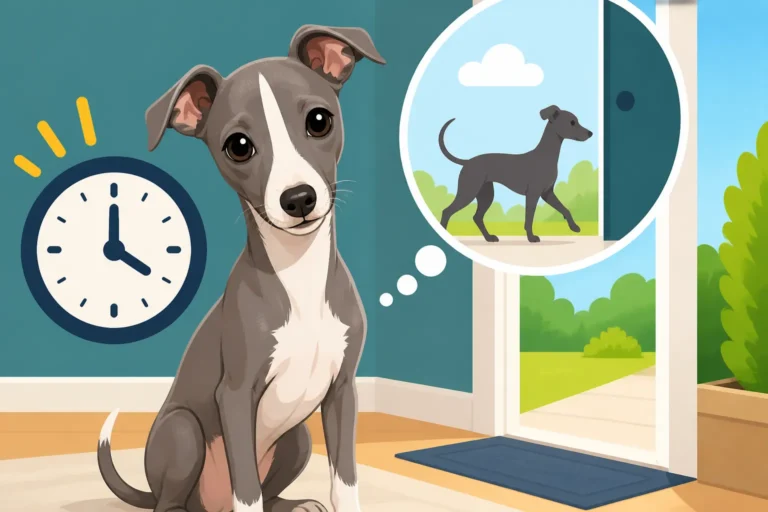
- Anxiety-Driven Marking: This is particularly heartbreaking because it comes from a place of stress, not defiance. If your Italian Greyhound is marking when you leave the house, when there are visitors, or during thunderstorms, it's a sign of anxiety. For these sensitive souls, How Long an Italian Greyhound Copes Alone can be a major factor, and persistent marking in these situations signals distress rather than a mere training lapse.
- Housetraining Regression: You thought you had it licked! Your Italian Greyhound was reliably going outside, and suddenly, they've reverted to marking indoors. This can be incredibly disheartening and suggests either an underlying medical issue (always check with your vet!), an increase in environmental stressors, or a breakdown in your routine. It's a major reason why Housetraining an Italian Greyhound Is the Hardest Part of Owning One can be an ongoing challenge.
The Impact of Neutering on Marking Behavior
So, you're contemplating neutering, perhaps specifically because of the marking. It's a very common question and a valid consideration. For many Italian Greyhound owners, it offers a beacon of hope against the endless cycle of cleaning and frustration. But it’s essential to approach this decision with realistic expectations.
How Neutering Changes Hormonal Drives
Neutering, which involves removing the testicles, drastically reduces the production of testosterone in male dogs. Since testosterone is a primary hormone driving territorial marking, removing it can significantly lessen the drive to mark. Imagine turning down the volume on a constant internal radio signal that's telling your dog, "Mark this! Mark that!"
- Reduced Urge: Many owners report a noticeable decrease in the frequency and intensity of marking within weeks or months after neutering. The dog simply doesn't feel the same strong impulse to "claim" every vertical surface.
- Less Scent Motivation: With reduced hormone levels, the powerful, instinctual pull to cover other dogs' scents or advertise his own is diminished. This can make them less reactive to perceived territorial challenges from other animals.
- Focus on Other Behaviors: When the hormonal imperative for marking is reduced, your Iggy might become more amenable to focusing on positive reinforcement training and less distracted by the need to communicate through scent. This can greatly aid in re-establishing solid housetraining habits.
It's important to understand that while the drive to mark lessens, it doesn't guarantee an immediate or complete cessation of the behavior, especially if the marking has become a deeply ingrained habit.
Age and Success Rate
Timing truly matters when it comes to neutering and its effect on marking. Generally, the younger an Italian Greyhound is when neutered, the higher the chance of it stopping or significantly reducing marking behavior.
- Early Neutering: If you neuter your Italian Greyhound before he ever starts marking, or very soon after it begins, the likelihood of completely preventing or stopping the behavior is much higher. The hormonal influence is removed before the behavior becomes a deeply entrenched habit. Many vets now recommend considering neutering after growth plates have closed, typically around 12-18 months for Iggies, to avoid potential orthopedic issues, but this can mean they've already started marking. This balance is something to discuss thoroughly with your trusted veterinarian.
- Established Habits: If your Italian Greyhound has been marking for months or years, the behavior has likely become more than just a hormonal response. It's now a learned habit, a routine, and perhaps even a stress reliever. In these cases, while neutering can still help by reducing the hormonal motivation, it often requires a comprehensive behavioral modification plan alongside it. It’s like trying to unlearn riding a bike – even if you remove the reason you started riding, the muscle memory is still there.
When Neutering Doesn't Stop Marking
This is the hard truth we sometimes have to face: sometimes, even after neutering, the marking continues. This can be incredibly frustrating, especially if you had high hopes. But it doesn't mean you're doomed to a perpetually smelly house; it just means the problem isn't purely hormonal.
- Learned Behavior Takes Over: Once an Italian Greyhound has established a pattern of marking, particularly if the spots weren't cleaned thoroughly, the habit can persist. Every time they smell their old mark, it reinforces the idea that this is an acceptable "potty" spot, regardless of their hormone levels. This is why Why an Italian Greyhound Marks Indoors can be so stubborn.
- Anxiety Remains Unaddressed: As we discussed, anxiety is a huge trigger for marking in Iggies. Neutering doesn't solve separation anxiety, fear of strangers, or generalized nervousness. If these underlying emotional issues aren't addressed, the marking will likely continue as a coping mechanism. Think of it as a symptom, not the root cause.
- Incomplete Cleaning: This is a big one. Regular cleaning products might make a spot look clean to us, but a dog's nose can still detect microscopic scent particles. As long as those scent markers remain, your Iggy will be drawn back to the same spot to remark it.
- Medical Reasons: Even post-neuter, an Italian Greyhound can develop medical conditions like UTIs, bladder crystals, or kidney problems that lead to inappropriate urination. A vet check is always a good idea if marking persists or suddenly reappears after a period of good behavior. Don't assume it's behavioral without ruling out health issues.
Strategies for Managing Marking After Neutering
So, your Italian Greyhound has been neutered, and you're still battling marking. Or perhaps you're just looking for the best proactive approach. The good news is that there are many effective strategies, often used in combination, to help your sensitive Iggy understand that indoors is not for potty breaks.
Thorough Cleaning is Key
This cannot be stressed enough. If you can still smell it, your dog definitely can. And if your dog can smell even a trace of urine, that spot becomes an irresistible beacon, inviting them to mark again and again.
- Enzymatic Cleaners are Your Best Friend: Forget standard household cleaners for pet accidents; they only mask the odor for us. You need an enzymatic cleaner that breaks down the uric acid crystals in urine, completely eliminating the scent. Brands like Nature's Miracle or Rocco & Roxie are popular and effective. You can find a wide range of these highly-rated products on Amazon, making it easy to stock up.
- Deep Clean, Don't Just Surface Clean: For carpets and upholstery, it's not enough to blot the surface. Urine soaks deep into padding and subflooring. Follow the enzymatic cleaner instructions carefully, which often involve saturating the area and letting it air dry completely. For hard surfaces, ensure you wipe thoroughly to remove any residue.
- Identify All Problem Areas: Your Iggy might have multiple "favorite" spots. Use a blacklight (UV flashlight) in the dark to reveal hidden urine stains on carpets and walls that you might have missed. It's often shocking how many spots show up! Once identified, treat all of them meticulously. Cleaning Up After an Italian Greyhound Accident is an art form you'll want to master.
Re-establishing Housetraining
Think of persistent marking as a breakdown in housetraining, and approach it like you would with a new puppy. It's about clear communication, consistency, and positive reinforcement.
- Supervision, Supervision, Supervision: This is paramount. When your Iggy is inside, they should be either directly supervised (on a leash with you, even) or confined to a space where they cannot mark, like a crate. This prevents opportunities for accidents and allows you to catch them in the act (not to scold, but to interrupt and redirect).
- Frequent Potty Breaks: Take your Italian Greyhound outside much more frequently than you think they need to go, especially after waking up, eating, drinking, and playing. Reward them generously with praise and high-value treats every single time they go potty outside. Make it a celebration!
- Designated Potty Area: Try to take them to the same spot outside each time. The familiar scent will encourage them to go.
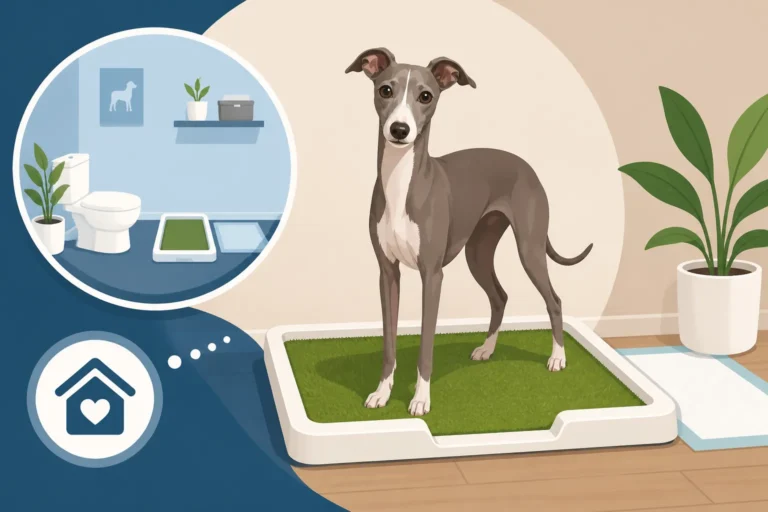
- Indoor Potty Solutions: For those sensitive Iggies who refuse to go outside in inclement weather, or for apartment dwellers, consider an indoor potty area. Options range from puppy pads to artificial grass patches or even a dedicated Litter Box Training an Italian Greyhound. This can be a game-changer for many owners, providing a legitimate indoor option that prevents marking elsewhere. You might find that Setting Up an Indoor Bathroom for an Italian Greyhound is the compromise you need for peace of mind.
Addressing Underlying Anxiety
Since Italian Greyhounds are famously sensitive, anxiety is often a silent partner in marking behavior. Neutering won't fix a worried dog; proactive steps to build confidence and reduce stress will.
- Consistent Routine: Iggies thrive on routine. Predictable feeding times, potty breaks, walks, and playtime can significantly reduce anxiety. They feel more secure when they know what to expect.
- Environmental Enrichment: A bored or under-stimulated Iggy can become anxious. Provide puzzle toys, safe chew toys, and regular mental stimulation to keep their minds engaged. This helps redirect their energy away from anxious behaviors.
- Positive Reinforcement Training: Enroll in positive reinforcement obedience classes or work with a certified professional dog trainer. Building confidence through training can empower your Iggy and reduce general anxiety. Resources like BAXTER & Bella offer online puppy and dog training programs that focus on positive methods, which can be fantastic for Iggies who might shut down under harsh correction. Their approach could be particularly helpful in teaching your sensitive Iggy good habits and reducing stress.
- Consult a Professional: If anxiety is severe, talk to your vet about potential medication or a referral to a veterinary behaviorist. These experts can provide tailored strategies and support to help your Iggy feel more secure.
Management Tools
While you're working on the underlying issues, management tools can save your sanity (and your furniture!).
| Tool Type | Description | Best Use Case | Considerations |
|---|---|---|---|
| Belly Bands | A fabric wrap for male dogs that covers the penis, designed to catch urine. | For male Iggies prone to marking vertical surfaces indoors. | Must be changed frequently; use with a disposable liner for hygiene. |
| Dog Diapers | A full diaper for both male and female dogs, with a hole for the tail. | For female Iggies marking, or for male Iggies who lift their leg and get urine on their rear. | Can be uncomfortable if not fitted properly; ensure regular changes. |
| Crating | Providing a safe, appropriately sized crate. | For unsupervised periods, during housetraining, or when guests are over. | Crate should be comfortable and seen as a den; never used for punishment. |
| Leash Supervision | Keeping your Iggy on a leash attached to you while indoors. | During active supervision, especially in new environments or when you suspect marking. | Requires commitment, but prevents opportunities for stealth marking. |
| Baby Gates | Physical barriers to restrict access to certain rooms or areas. | To limit access to carpeted areas, guest rooms, or rooms with new furniture. | Choose gates that are tall enough and secure for a nimble Iggy. |
Many owners find that using a Whether a Belly Band Helps an Italian Greyhound is a temporary lifesaver while they work on behavioral modification. Remember, these are management tools, not solutions. They buy you time and protect your home while you implement the training and anxiety-reduction strategies. The goal is always to get to a point where these tools are no longer needed.
Ultimately, addressing marking in an Italian Greyhound, especially post-neutering, requires patience, consistency, and a holistic approach that considers both their physical and emotional needs. It's a journey, but a clean, scent-free home is absolutely achievable with dedication.
Disclaimer
This article is for general informational purposes only and does not constitute professional advice. Laws, prices and regulations vary by location and change over time. Consult a qualified professional for guidance on your specific situation.