How Long an Italian Greyhound Remembers a Bad Session
It's a heartbreaking feeling when you're trying your best to teach your sweet Italian Greyhound something new, or even just reinforce a basic command, and suddenly the whole session goes sideways. Maybe you got frustrated, perhaps your tone was sharper than you intended, or an external event spooked your sensitive little companion. The worry that floods in – "Did I just ruin everything? Will they ever trust me again? How long will they remember this awful moment?" – is completely valid. This guide is here to unpack the nuanced memory and emotional landscape of Italian Greyhounds, helping you understand how they perceive negative experiences and, most importantly, how to mend the bond and move forward positively.
The Italian Greyhound's Delicate Disposition: Why They Take Things Personally
Italian Greyhounds, or Iggies as we lovingly call them, are renowned for their ethereal beauty, their speed, and their incredibly affectionate, yet often fragile, personalities. They are sighthounds, yes, but they're also members of the Toy Group for a reason – they thrive on companionship and are profoundly sensitive to their environment and the emotions of their people. This isn't just about being "spoiled"; it's an intrinsic part of their breed's temperament.
The Bond of the Velcro Dog
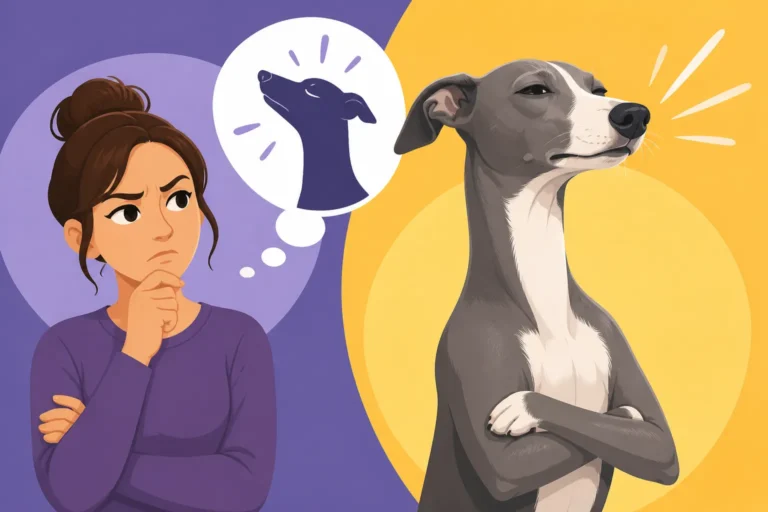
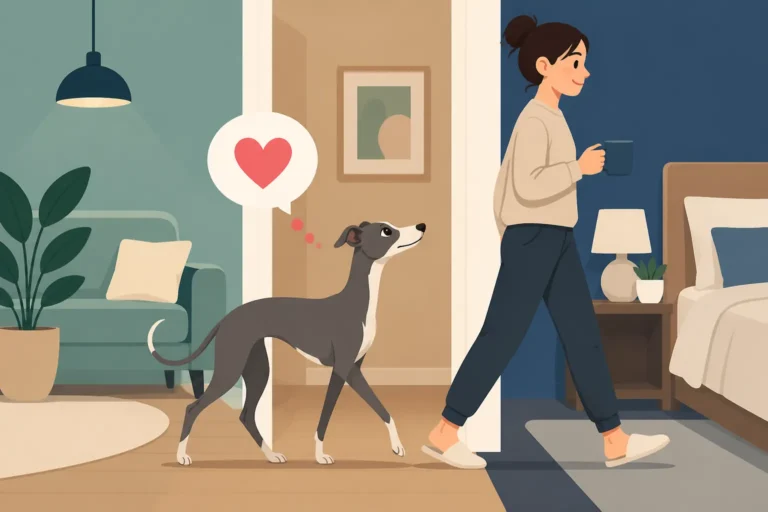
If you own an Italian Greyhound, you know the term "Velcro dog" intimately. They stick to you, following you from room to room, often preferring to be touching you whenever possible. This intense attachment means they are incredibly attuned to your mood, your voice inflection, and your body language. When a training session goes poorly, or when they feel scolded, it's not just a passing discomfort for them. It can feel like a rupture in that vital bond they cherish so deeply. This sensitivity is part of their charm, but it also means we, as their guardians, have a heightened responsibility to approach their training with immense patience and understanding. They aren't trying to be difficult; they're simply being themselves.
Thin Skin and Finer Feelings
Beyond their physical fragility – Why an Italian Greyhound's Leg Bones Break So Easily is a constant concern for us – their emotional skin is just as thin. A harsh word that another breed might brush off can truly wound an Italian Greyhound. They don't typically respond well to traditional, dominance-based training methods that involve loud commands or physical corrections. In fact, such approaches can be actively detrimental. Instead of learning, they are more likely to shut down, become fearful, or even try to hide. Their compliance comes from a desire to please and a strong bond of trust, not from intimidation. Understanding this fundamental aspect of their nature is the first step in approaching any training, and especially in recovering from a less-than-ideal session. They truly do have finer feelings than many other breeds.
Defining a "Bad Session": More Than Just a Raised Voice
When we talk about a "bad session" with an Italian Greyhound, it's easy to immediately think of yelling or scolding. While those are certainly prime examples, a negative experience for an Iggy can encompass a much broader range of scenarios. Their perception of "bad" is deeply rooted in their innate temperament, their prey drive, and their physical vulnerabilities.
The Impact of Harsh Correction
Let's be clear: Why Raising Your Voice Sets an Italian Greyhound Back a Month is not an exaggeration for many Iggies. A raised voice, a sudden, sharp "No!", or even a frustrated sigh from you can be perceived as a significant threat or rejection by your sensitive Italian Greyhound. They live to please you and thrive on positive affirmation. When that positive feedback is replaced with anger or loud noise, it can trigger fear, anxiety, and a desire to retreat. They don't necessarily connect your frustration to the specific action they performed. Instead, they might simply associate the presence of the training setup or even you with that negative feeling. This can lead to them avoiding future training attempts, not because they're stubborn, but because they genuinely fear a repeat of that unpleasant emotional experience.
Frightening External Events and Physical Discomfort
It's not always about our behavior. Sometimes, a training session can turn sour due to external factors. Imagine you're working on leash manners in the park, and a large, boisterous dog suddenly charges past, barking loudly. For a small, delicate Italian Greyhound, this can be terrifying, especially if they've had a negative encounter with bigger dogs before – Why an Italian Greyhound Puppy Should Not Wrestle Big Dogs. This kind of sudden fright can create a strong negative association with the location, the leash, or even the act of training itself. Similarly, if a training session involves any physical discomfort, like a collar that pulls uncomfortably or an awkward body manipulation (perhaps during a grooming task like nail trimming), an Iggy will remember that feeling. Their slight build means they are more prone to injury, and any physical discomfort can quickly lead to fear and resistance. Even something as simple as cold weather can make them reluctant to participate in outdoor training, as The Italian Greyhound That Refuses to Go Out in the Cold highlights.
The Immediate Repercussions: How an Italian Greyhound Processes Stress
When a sensitive Italian Greyhound experiences something negative, their reaction isn't always dramatic or immediate, but it's always profound. Understanding these immediate repercussions helps us identify when a session has gone awry and how to respond in the moment to mitigate further stress.
Signs of Emotional Retreat
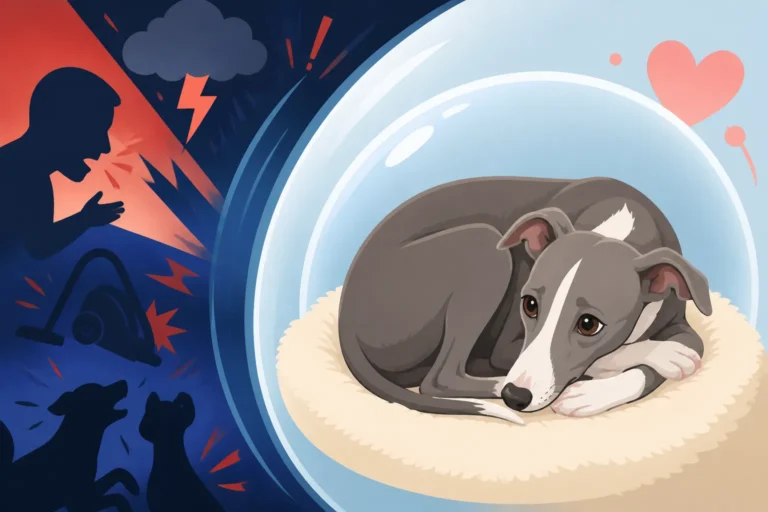
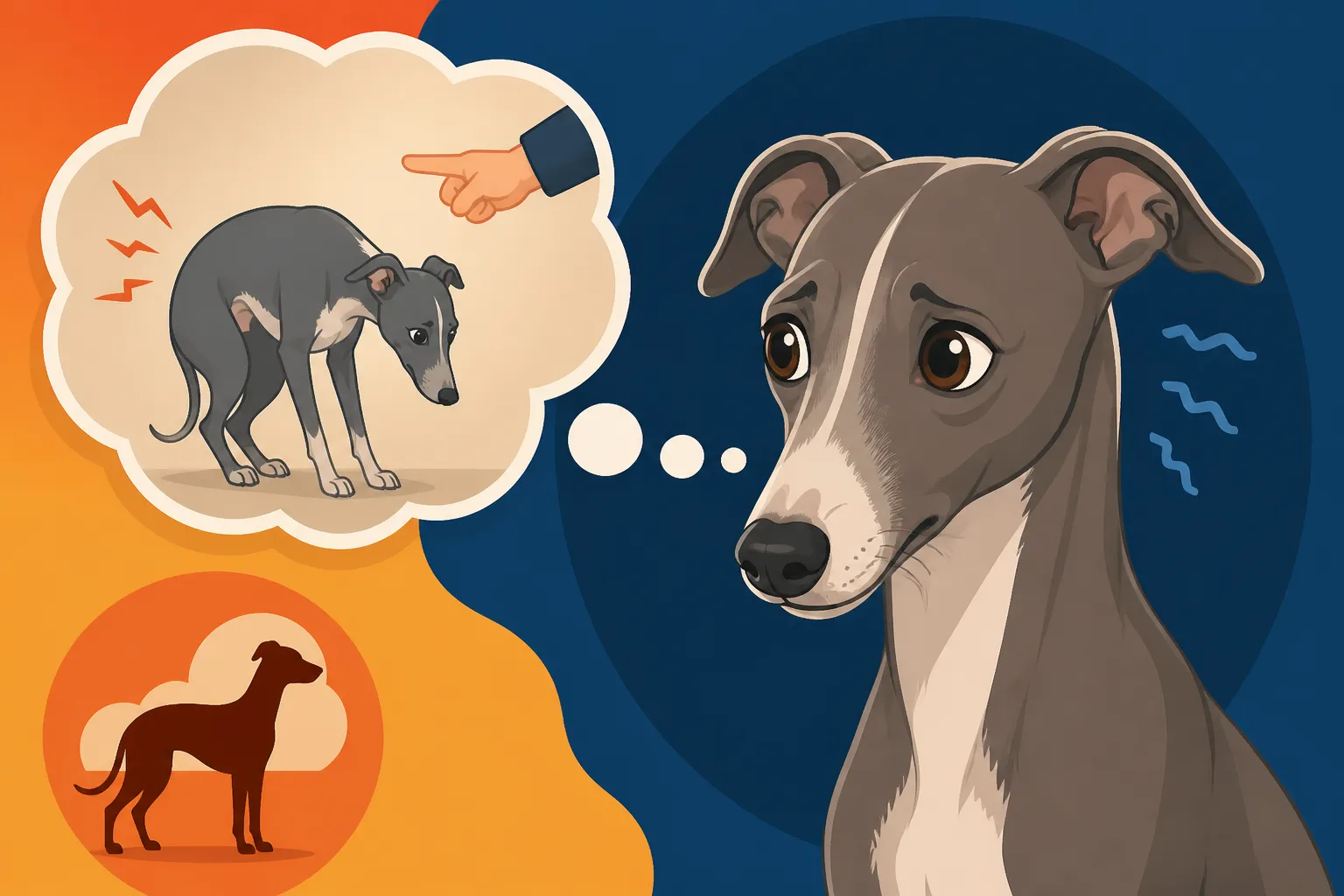
An Iggy who has just had a "bad session" will often display signs of emotional retreat rather than outright aggression or defiance. You might see them lower their head, tuck their tail tightly between their legs, or flatten their ears. They might actively avoid eye contact, turning their head away when you try to engage them. Some will simply freeze, becoming unresponsive to commands they usually know. Others might try to physically distance themselves from you, perhaps slinking away to their bed or attempting to burrow under blankets for comfort. This isn't them being "sulkly" or "spiteful"; it's a genuine expression of distress and a powerful indicator that they've been negatively impacted. They are signaling that their emotional equilibrium has been disturbed, and they need space or reassurance to regain it.
Lingering Anxiety and Avoidance Behaviors
The immediate retreat often gives way to lingering anxiety, which can manifest in several ways. Your Italian Greyhound might be noticeably more clingy for the rest of the day, seeking extra cuddles and reassurance. Or, conversely, they might remain withdrawn, hesitant to approach you or engage in usual activities. If the negative experience was tied to a specific location or piece of equipment (like a particular harness or a training mat), they might show clear avoidance behaviors. They might refuse to go near that spot, or actively resist putting on that harness the next time. For instance, if a nail trim went badly, they might now shy away from having their paws touched, making future attempts even more challenging. This avoidance isn't intentional misbehavior; it's a learned response to a perceived threat or discomfort, and it's their way of protecting themselves from a repeat negative experience. These subtle changes in their demeanor are important to observe, as they tell us a great deal about the depth of their feelings.
| Behavior Indicating Stress | Potential Cause | How to Address |
|---|---|---|
| Tucked tail, lowered head | Scolding, sudden loud noise, perceived threat | Gentle reassurance, calm voice, offer comfort, change environment. |
| Avoidance of eye contact | Feeling intimidated, perceived anger | Give space, avoid direct staring, approach indirectly. |
| Hiding or burrowing | Fear, overwhelming sensory input, seeking security | Provide a safe, quiet space (e.g., crate with blanket), do not force interaction. |
| Refusal to engage | Confusion, loss of trust, anxiety | Stop the session, end on a positive note (easy trick/treat), re-evaluate approach. |
| Clinginess or excessive seeking of attention | Need for reassurance, insecurity | Offer calm comfort, gentle petting, short, positive interaction. |
| Shivering or trembling | Acute fear, cold (ensure they are warm) | Remove stressor, provide warmth (sweater/blanket), gentle comfort. |
Beyond the Moment: How Long Do Those Memories Linger?
This is often the core question that keeps us up at night after a less-than-ideal training encounter. While it's impossible to put an exact timestamp on an Italian Greyhound's emotional memory, we can certainly understand its nature and how long it might influence their behavior. It's safe to say that for a breed as sensitive as the Iggy, the effects can be more profound and longer-lasting than with many other dogs.
The Power of Association
Italian Greyhounds, like all dogs, have excellent associative memories. This means they are brilliant at linking an event or stimulus with an outcome, especially if that outcome is emotionally charged. A "bad session" creates a strong negative association. If a loud verbal correction was given during recall practice in the yard, your Iggy might associate the yard with feeling scolded, or the sound of your voice raised, rather than simply understanding "I shouldn't have chased that squirrel." This association can linger for weeks, or even months, in subtle ways. You might find them hesitant to go into the yard, or they might become more resistant to commands when you use a certain tone. The memory isn't necessarily a detailed replay of the event; it's more of an emotional residue, a feeling of unease or fear tied to specific triggers. This is why consistent, positive reinforcement is so vital for this breed.
The Role of Repetition and Severity
The longevity of a negative memory is often tied to two factors: the severity of the event and its repetition. A single, isolated incident of a slightly raised voice might cause a brief setback, perhaps a day or two of hesitation, but the memory will likely fade with consistent positive interactions. However, a truly frightening event—like being bowled over by an off-leash dog, or a deeply unpleasant veterinary procedure—can create a much more entrenched memory. If negative experiences are repeated, for example, if every bath time is a struggle filled with fear and force, then that negative association becomes very strong and durable. It builds up a cumulative effect. It's not that your Italian Greyhound is holding a grudge; it's that their brain has strongly encoded "bath time = scary." This can make future attempts at the same activity incredibly difficult, requiring extensive desensitization and counter-conditioning to reframe that memory. The goal is always to create far more positive memories than negative ones.
Healing the Rift: Strategies for Rebuilding Trust and Confidence
The good news is that even if a session went badly, you can absolutely work to rebuild your Italian Greyhound's trust and confidence. It takes patience, consistency, and a deep understanding of their unique needs, but it's entirely possible to mend the rift and strengthen your bond.
Prioritizing Positive Reinforcement
The absolute cornerstone of healing a negative training experience with an Italian Greyhound is a renewed commitment to positive reinforcement. Forget any techniques that involve harsh corrections, physical intimidation, or even overly stern tones for a while. Instead, focus entirely on rewarding desired behaviors with high-value treats, enthusiastic praise, and gentle petting. If your Iggy so much as looks at you during a moment when they were previously hesitant, reward them! You're essentially overwriting the old, negative association with a new, positive one.
Consider investing in tools or programs that champion positive reinforcement. For instance, online dog training platforms like BAXTER & Bella often offer structured, reward-based curricula that can guide you through exercises designed to build confidence and trust. They focus on making training a fun game for both you and your dog, which is precisely what an Italian Greyhound needs. The key is to make every interaction a positive one, especially when you're trying to re-engage them in a previously unpleasant activity. Even simple things like taking a walk together, playing with their favorite squeaky toy from Amazon, or snuggling under a blanket can help solidify that your presence means good things.
Starting Anew: Desensitization and Counter-Conditioning
If the bad session created a specific aversion – say, to the leash, the crate, or a certain command – you'll need to employ desensitization and counter-conditioning. This means gradually reintroducing the offending item or situation, but at a very low intensity, pairing it with something incredibly positive.
For example, if your Italian Greyhound now shies away from their leash after a scary outdoor experience, don't just grab it and try to force them. Instead, simply bring the leash out and place it on the floor a few feet away. When your Iggy looks at it without fear, toss them a super yummy treat. Do this a few times a day, slowly moving the leash closer, then maybe touching it, then picking it up, always rewarding their calm reaction. The goal is to change their emotional response from "fear" to "treat!" This process needs to be slow and entirely on your Iggy's terms. Never push them past their comfort level, and always be ready to retreat if you see signs of stress. This technique is also invaluable for things like Teaching an Italian Greyhound to Accept Nail Trims, which can often become a battle if approached incorrectly. It's about breaking down the scary experience into tiny, manageable, and positive steps.
Rebuilding a Foundation of Trust Through Routine and Calm
Beyond specific training techniques, simply re-establishing a calm, predictable, and loving routine is paramount for an Italian Greyhound after a negative experience. They thrive on consistency and knowing what to expect. Ensure they have a comfortable, safe space where they can retreat, perhaps a cozy bed with ample blankets – Why an Italian Greyhound Burrows Under Blankets. Spend quiet time together, offering gentle affection without demands. Engaging in fun, low-pressure activities like indoor games or short, pleasant walks can help them reconnect with you on a positive note. Remember that these dogs are very sensitive to their handler's emotions. If you are stressed or anxious about "fixing" the problem, your Iggy will pick up on that. Focus on being a calm, reassuring presence. Over time, with consistent positive interactions and a patient approach, your Italian Greyhound will remember your kindness and trust, far outweighing any temporary "bad session." This is how How a Rescue Italian Greyhound Learns to Trust in a new home, by experiencing unwavering patience and gentle guidance.
Disclaimer
This article is for general informational purposes only and does not constitute professional advice. Laws, prices and regulations vary by location and change over time. Consult a qualified professional for guidance on your specific situation.