Why an Italian Greyhound Ignores a Cue It Knows
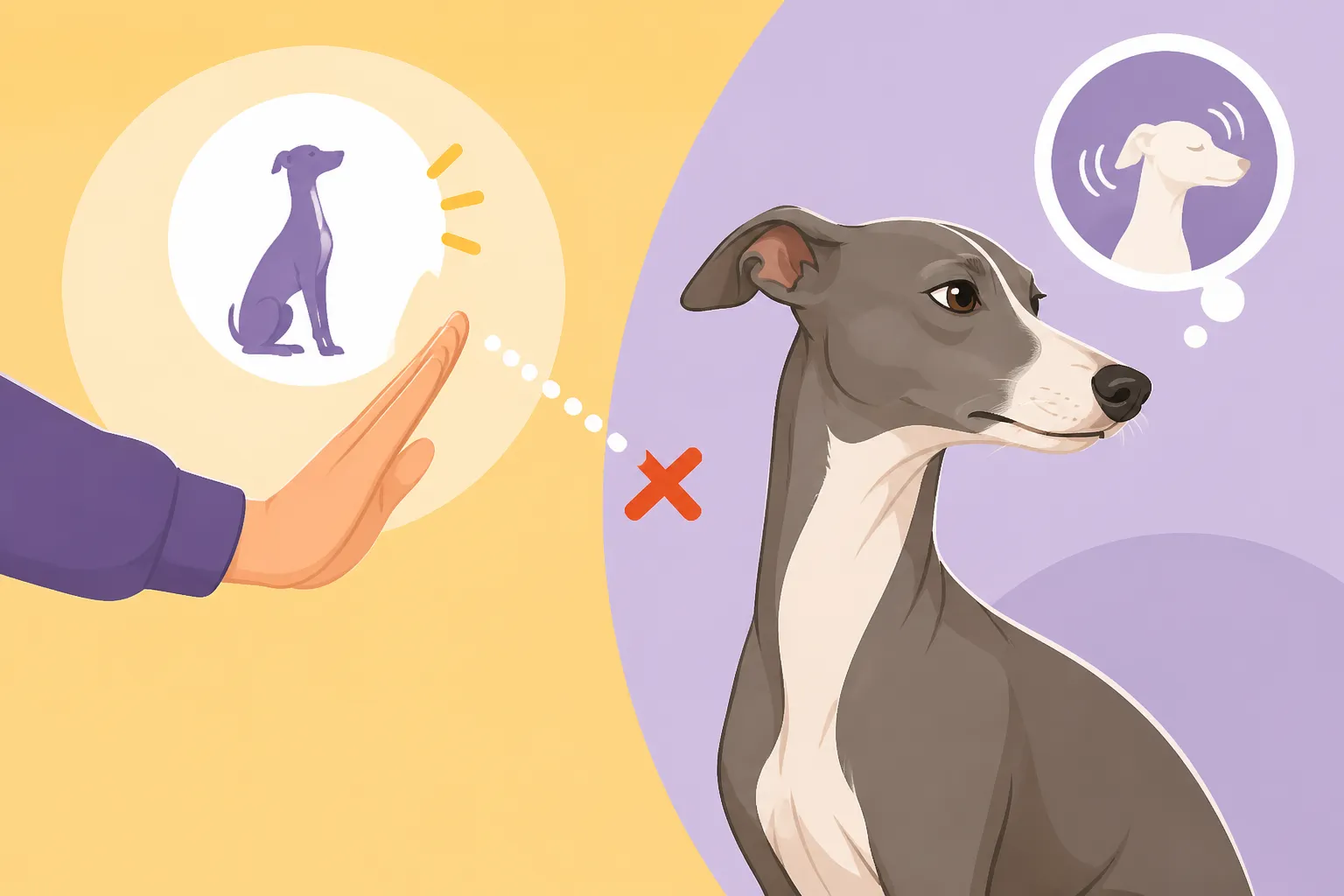
It's one of the most frustrating things as an Italian Greyhound owner: you've spent countless hours teaching your precious little noodle a cue, they absolutely know it, and then, in a crucial moment, they act like they've never heard it in their life. You might feel exasperated, like your dog is deliberately being stubborn or disobedient, but in reality, there are often very specific, understandable reasons why an Italian Greyhound ignores a cue it knows, and this guide will help you unpack them and get back on track.
Understanding the Italian Greyhound Mindset: It's Not Stubbornness, It's Sighthound
Before we even dive into the nitty-gritty, it's vital to frame this challenge correctly. Your Italian Greyhound isn't trying to vex you. They aren't inherently "stubborn" in the human sense of the word. They are, at their core, sighthounds, and that means their brains are wired differently than many other breeds. Their intelligence is keen, but it's often directed by instinct and what they find rewarding or interesting in the moment. It's less about defying you and more about a primal response overriding a learned behavior. Understanding this fundamental aspect of their nature is the first step to effective training. Many owners find themselves asking Why an Italian Greyhound Looks Stubborn and Is Not when facing these moments.
The Scent of a Squirrel vs. Your Voice
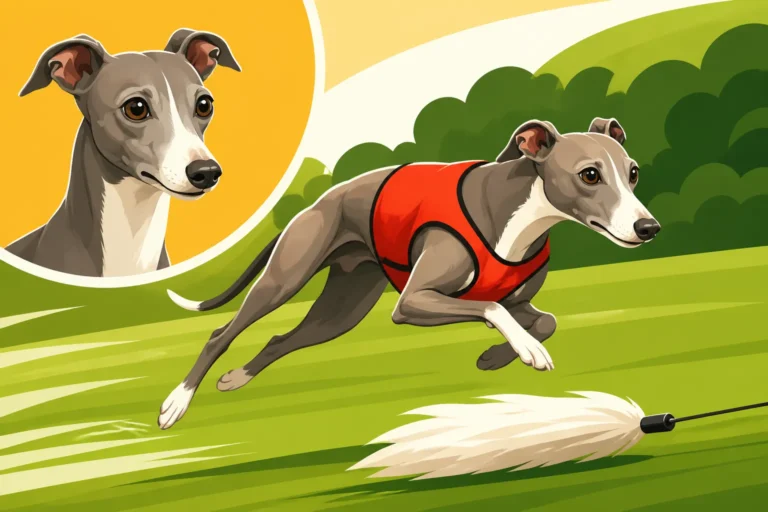
Imagine you're trying to concentrate on a really important task, but suddenly your favorite band starts playing a live, private concert right outside your window. The task isn't gone from your memory, but your attention is undoubtedly pulled. For an Italian Greyhound, especially outdoors, a squirrel, a leaf blowing just so, or even an interesting scent on the breeze is that private concert, amplified a thousand times. Their entire being is suddenly hyper-focused on that stimulus. Their instincts scream "CHASE!" or "INVESTIGATE!" far louder than your voice, which, in that moment, might sound like distant static.
This isn't a sign of disrespect; it's the manifestation of their incredibly strong prey drive. These dogs were bred for centuries to spot and pursue fast-moving objects. That little brain, so eager to cuddle on the sofa, transforms into a laser-focused predator when that instinct is triggered. When they launch into a full-speed chase, which can be incredibly fast, they truly stop hearing anything else. This is why we often say Why an Italian Greyhound Cannot Be Trusted Off Leash, Ever – the lure of the chase is simply too powerful. You can shout "Come!" until you're hoarse, but if your IG has locked onto What an Italian Greyhound Does When It Sees a Rabbit, your voice simply doesn't register in the same way.
Selective Hearing and Environmental Distractions
It's easy to project human motivations onto our dogs. We think, "He knows 'sit,' why isn't he sitting?" But an Italian Greyhound's attention is a precious, often fleeting commodity, especially when the world is full of exciting things. Indoors, in a quiet living room, with no distractions, your IG might perform every cue perfectly, earning treats and praise. But step outside, even into your own backyard, and the rules seem to change. The rustle of leaves, the distant barking of another dog, the smell of a neighbor's barbecue – these are all incredibly stimulating inputs.
What appears to be "selective hearing" is often just an overwhelmed sensory system. They're processing so much information that the subtle nuance of your cue gets lost in the cacophony. It's not that they don't know it, it's that their brain is prioritizing other, more immediately interesting or instinctual, stimuli. This is a common hurdle, and it requires us to be more strategic in how and where we train, rather than assuming malice on their part.
Common Reasons for "Forgetting" a Known Cue
Beyond the inherent sighthound nature, several other factors can contribute to an Italian Greyhound appearing to "forget" a cue they've mastered. These often stem from misunderstandings in training approaches or a lack of consistency.
Over-Correction and Aversion to Pressure
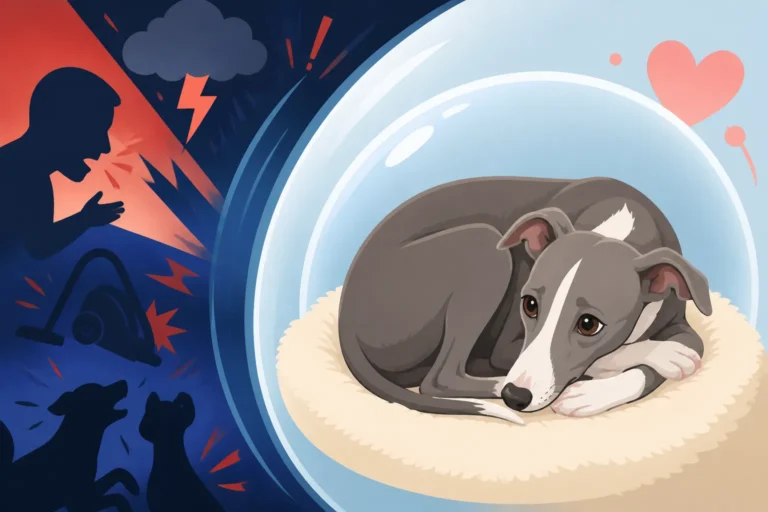
Italian Greyhounds are famously sensitive souls. They thrive on positive reinforcement, gentle handling, and a calm, reassuring tone. Unlike some more robust breeds that might shrug off a firm "no" or a quick leash correction, an IG can be deeply affected by perceived negativity or pressure. If a training session becomes too intense, if you raise your voice too often, or if corrections are harsh, your Italian Greyhound might develop an aversion to the training process itself, or to the specific cue that precedes the unpleasantness.
Think of it this way: if every time you were asked to do a certain task at work, your boss yelled at you or punished you, you might start to avoid that task, even if you know how to do it. For an Italian Greyhound, a sharp tone or a physical correction can cause them to shut down, become anxious, or simply avoid engaging. This isn't defiance; it's self-preservation. What a Raised Voice Does to an Italian Greyhound is often to make them retreat mentally, making them less likely to respond. They might know the cue, but the emotional cost of performing it, based on past experiences, becomes too high. They might even try to hide or escape the situation, rather than offering the behavior.
Lack of Generalization and Context-Specific Learning
One of the biggest pitfalls in dog training is assuming a dog understands a cue universally once it's learned in one setting. For Italian Greyhounds, this is particularly true. They are incredibly adept at context-specific learning. If you taught "sit" exclusively in your kitchen, surrounded by familiar sights and smells, your dog might associate "sit" very strongly with that kitchen. Take them to a bustling park, or even just a different room in the house, and it's almost as if they're hearing the cue for the first time.
They haven't generalized the concept of "sit" to mean "put your rear on the ground anywhere." They've learned "sit in the kitchen" or "sit when I'm holding a treat in this specific hand gesture." This isn't a fault in their intelligence; it's a difference in how they process information compared to how we often expect them to. A strong understanding of generalization is key to training any dog, but especially an Italian Greyhound, who can be very precise in their associations. This is why consistent practice in a variety of environments, slowly introducing new distractions, is so incredibly important.
Low Motivation or Competing Motivations
Let's be honest: sometimes, what we're offering as a reward just isn't cutting it for our discerning Iggies. If you're asking for a complex behavior in a distracting environment and your reward is a piece of plain kibble they get every day, it might not be enough to override the allure of that interesting smell or distant dog. For an Italian Greyhound, motivation is everything. They are highly food-motivated, but the value of that food needs to match the difficulty of the task and the level of distraction.
Furthermore, sometimes they're not ignoring you; they simply have a competing motivation. Perhaps they need to go potty, or they're genuinely uncomfortable in a situation. If they're cold, for instance, an Italian Greyhound might be much more concerned with finding warmth than performing a "down-stay." Their physical comfort and basic needs often take precedence, and rightly so. Recognizing these competing motivations is crucial to understanding why a cue might be ignored, and addressing the underlying need can often resolve the "disobedience."
Strategies to Reinforce Cues and Improve Responsiveness
Now that we understand why your Italian Greyhound might be ignoring cues, let's talk about what we can actually do to improve their responsiveness and build a stronger, more reliable bond.
Making Yourself More Interesting Than the Environment
This is the golden rule for training sighthounds, especially outdoors. You need to become the most exciting, rewarding, and interesting thing in their world. This takes effort, enthusiasm, and creativity on your part.
- Become a treat dispenser extraordinaire: Don't just hand over a treat; make it a mini-celebration! Use an enthusiastic tone, praise lavishly, and deliver the treat quickly. Think about Which Rewards an Italian Greyhound Works For – often small, soft, high-value treats like cheese, cooked chicken, or liver paste. For training a dog to ignore distractions, you need to offer something even better than the distraction itself. Many owners find a good selection of high-value training treats on platforms like Amazon.
- Engage in play: Incorporate short bursts of interactive play into your training sessions, especially if you're working on recall. A game of chase (where you are doing the chasing, briefly!) or a quick tug with a favorite toy can re-engage their focus on you.
- Vary your rewards: Don't always use food. Sometimes the reward can be a quick game, a belly rub, or even permission to go sniff that interesting bush they were eyeing (after they've performed your cue, of course!).
Consistency is vital. If you only bring out the good stuff when they're really ignoring you, they might learn to ignore you more to get the super-duper treats. Reward generously for every correct response, even small ones, especially in new environments.
Positive Reinforcement and High-Value Rewards
As touched upon, positive reinforcement is non-negotiable for Italian Greyhounds. They are not dogs that respond well to punishment or harsh corrections. Instead, focus entirely on rewarding the behaviors you want to see.
When an Italian Greyhound performs a cue, even if it's a little slow or hesitant, mark that moment with a clear verbal cue like "Yes!" or a clicker, immediately followed by a high-value treat. The timing is crucial; the reward needs to happen within seconds of the desired behavior so they can clearly connect the action with the positive outcome. If you're struggling to find treats that truly motivate your IG, consider making your own or exploring different brands of soft, meaty training treats available online or at pet stores. Sometimes the novelty of a new high-value treat is enough to reignite their focus.
It's also important to remember that the "value" of a reward isn't static. What's high-value in a quiet house might be barely noticeable at a dog park. Adjust your rewards accordingly. If you're trying to get a solid recall at a park, don't just use kibble. Pull out the freeze-dried salmon!
Practicing in Varied Environments (Generalization)
To ensure your Italian Greyhound understands a cue universally, you must practice it in a variety of settings, gradually increasing the level of distraction. This process is called generalization, and it's essential for creating a reliable response.
A Step-by-Step Approach to Generalization:
- Start in a low-distraction environment: Begin with your quiet living room, where your IG already excels.
- Move to a slightly more distracting area: Try the kitchen, then the backyard, then a quiet street.
- Introduce mild distractions: Practice with a family member walking by, a television on low, or a favorite toy on the floor.
- Increase intensity gradually: Take short training sessions to a park during off-peak hours, then during slightly busier times.
- Keep sessions short and positive: Italian Greyhounds have relatively short attention spans, especially puppies. How Short an Italian Greyhound's Training Session Should Be is usually just a few minutes, ending on a high note.
- Reward heavily for success: In new or distracting environments, every successful execution of a cue deserves a jackpot reward – several treats, not just one!
By breaking down the training into manageable steps and always setting your Italian Greyhound up for success, you build their confidence and reinforce the idea that the cue means the same thing, no matter where you are or what's happening around you. This is how you help them truly internalize that "sit" means "sit" on the rug, on the grass, or even next to a sniffing poodle.
When to Seek Professional Help and Re-evaluate Training
Sometimes, despite your best efforts, you might feel like you're hitting a wall. This is completely normal, and it's important to know when to bring in reinforcements. Getting an outside perspective can be incredibly valuable.
Identifying Underlying Behavioral or Health Issues
Before you even consider advanced training techniques, it's wise to rule out any underlying issues that might be affecting your Italian Greyhound's responsiveness.
- Health: Is your IG experiencing any pain or discomfort? Dental problems are incredibly common in Italian Greyhounds, and a sore mouth could make them reluctant to take treats or engage. Hearing loss in older Iggies can also be a factor. A routine vet check-up can often rule out physical ailments.
- Anxiety/Fear: Is your IG ignoring cues because they're genuinely afraid or anxious in certain situations? A dog that is overwhelmed by fear is not going to be able to focus on training. Look for signs like tail tucked, excessive panting, trembling, lip-licking, or trying to hide. If anxiety is a factor, working with a veterinary behaviorist or a trainer specializing in fear-based behaviors might be necessary. This also links back to how How an Italian Greyhound Adjusts to a New Home or stressful situations, as these can trigger anxiety.
- Cognitive Decline: For older Italian Greyhounds, a sudden onset of "forgetfulness" might indicate cognitive decline. This is something to discuss with your vet.
Finding a Trainer Who Understands Sighthounds
If you've ruled out health concerns and feel you've tried everything with consistent positive reinforcement, it might be time to seek professional guidance. However, not all dog trainers are created equal, especially when it comes to the unique temperament of sighthounds.
Look for a trainer who:
- Uses positive, force-free methods: Avoid trainers who advocate for harsh corrections, shock collars, or dominance theory. These methods are counterproductive and damaging for sensitive breeds like Italian Greyhounds.
- Has experience with sighthounds or toy breeds: A trainer who understands the sighthound prey drive, sensitivity, and their distinctive learning style will be far more effective than one who applies a general "one-size-fits-all" approach. Ask about their experience with Iggies, Whippets, or Greyhounds.
- Offers group classes and individual sessions: Group classes can be excellent for generalization (practicing around other dogs and people), while individual sessions can address very specific challenges you're facing.
- Provides ongoing support: A good trainer will teach you how to train your dog, not just train your dog for you. They should empower you with tools and strategies.
Online resources can also be incredibly helpful. Programs like those offered by BAXTER & Bella provide structured, positive reinforcement training from puppyhood through adulthood, which can be fantastic for consistent learning. While not a substitute for an in-person, breed-specific trainer for complex issues, these platforms can offer a wealth of knowledge and exercises to help you refine your techniques and build a stronger foundation. Remember, every dog is an individual, and finding the right approach for your Italian Greyhound is an ongoing journey of learning and adaptation.
| Distraction Level | Common Scenarios | Training Strategy | Example Rewards (High-Value) |
|---|---|---|---|
| Low | Quiet living room, backyard (no external stimuli) | Start new cues here. Practice known cues with consistency. Use enthusiasm in your voice and body language. | Small kibble, soft chewy treats (e.g., Zuke's Mini Naturals), praise |
| Medium | Different room, quiet park, street with few people | Introduce known cues. Reward heavily for any focus on you or successful cue execution. Keep sessions short. Incorporate play breaks to re-engage. | Cooked chicken, cheese bits, small pieces of hot dog |
| High | Dog park, busy street, squirrel sighting, another dog | Only practice mastered cues. Focus on engaging attention first (e.g., "Look at me"). Reward for any glance or fractional response. Maintain a long line for safety. Do not expect perfection. | Freeze-dried salmon, liverwurst, highly aromatic jerky |
| Competing Need | Cold weather, full bladder, discomfort, anxiety | Address the underlying need first. Provide warmth, potty break, comforting words. Do not force training. Re-evaluate expectations for the environment. | Warm blanket, immediate potty break, quiet cuddle time |
Disclaimer
This article is for general informational purposes only and does not constitute professional advice. Laws, prices and regulations vary by location and change over time. Consult a qualified professional for guidance on your specific situation.