Whether an Italian Greyhound Plays Rough With Its Own Kind
One of the most common worries for Italian Greyhound owners, especially those considering adding a second Iggy to their home, is whether these delicate-looking dogs will play "too rough" with each other. It's a valid concern, given their slender bones and reputation for fragility. This guide will delve deep into the unique play style of Italian Greyhounds with their own kind, helping you understand what's normal, what's concerning, and how to foster safe and joyous interactions between them.
Understanding the Italian Greyhound Play Style
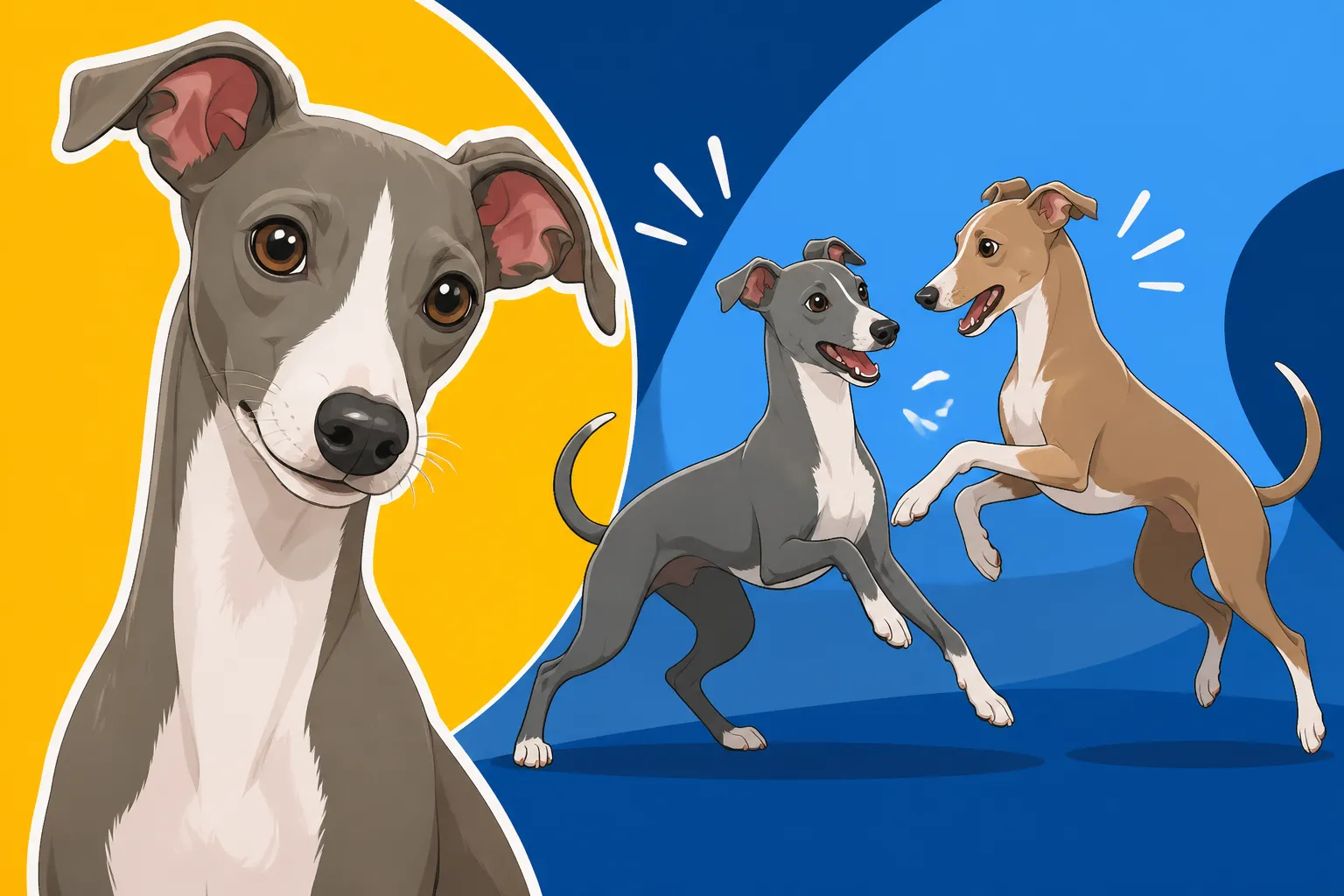
Italian Greyhounds, despite their graceful appearance, are often surprisingly robust and enthusiastic players, especially when interacting with other Iggies. Their play isn't usually the wrestling, rough-and-tumble style you might see in a larger, more heavily built breed. Instead, it's a beautiful, balletic display of speed, agility, and mock-chasing. When they're together, you'll often see them engaging in intricate tag games and elaborate dances that are a joy to behold.
The Iggy Body Language of Play
Observing the body language of playing Italian Greyhounds is key to understanding if their interactions are healthy. Look for loose, wiggly bodies, bouncy movements, and exaggerated gestures like play bows and open-mouthed grins. Their tails will often be wagging in wide, sweeping arcs, or held in a relaxed curl. You might see them doing "zoomies" – sudden bursts of speed around the house or yard – often initiating a chase game with their companion. If one dog consistently tries to disengage, hides, or shows signs of fear (tail tucked, ears flat, body stiff), then it's time to step in.
Another common behavior is what looks like "pouncing" or "nipping" at each other's hindquarters or necks. This is usually part of their prey drive channeled into play, mimicking a chase. They might bat at each other with their front paws or lean into each other with their shoulders. All these actions, when accompanied by a loose, happy demeanor, are perfectly normal. It’s a language they understand instinctively.
Their Unique Running and Chasing Games
Italian Greyhounds are sighthounds, and their play reflects this heritage. A huge part of their interaction involves fast-paced chasing games. They love to run full-out, weaving and darting, with one dog often pursuing the other in a thrilling display of speed. This isn't aggressive; it's deeply ingrained in their breed. Their quick turns and sudden stops are part of the fun, and they instinctively understand how to navigate each other's movements.
These chasing games can happen indoors or out, but it's crucial to provide a safe, enclosed space for outdoor play. Whether an Italian Greyhound Needs a Fenced Yard is a critical question for any owner, as their powerful prey drive means they can vanish in a flash if something catches their eye. Indoors, ensure you have non-slip flooring if possible to prevent injuries from their bursts of speed.
Vocalizations During Play
You'll hear a variety of sounds from playing Italian Greyhounds, and it's easy to misinterpret them if you're not used to Iggy dynamics. Growls, yips, and even what sounds like frantic barking are all common during enthusiastic play. These vocalizations are usually part of the excitement, communicating intent and intensifying the game. A high-pitched, yelping sound is often a clear signal that one dog is overstimulated or a moment of discomfort has occurred, prompting the other to back off.
A key indicator of healthy play vocalizations is that they are interspersed with moments of quiet or soft panting, and the dogs remain engaged and willing participants. If the vocalizations become constant, intense, and are accompanied by stiff body language or one dog trying repeatedly to escape, it's a sign that the play has crossed into an uncomfortable zone.
The Nuances of "Rough" Play: When It's Normal vs. When It's a Concern
It's natural to worry when you see your Italian Greyhounds playing what looks like "rough." Their slender frames can make any energetic interaction seem precarious. However, much of what might appear rough to a human eye is entirely normal and healthy play for these dogs. The challenge is learning to distinguish between boisterous fun and genuine conflict or escalating behavior.
Pinning, Mouthing, and Nipping
When Italian Greyhounds play, you might observe them pinning each other to the ground, often by standing over them or gently holding them down with a paw. This is typically a form of "submission" or "dominant" play, where one dog might be testing boundaries or asserting a playful upper hand. As long as the dog being pinned remains relaxed, perhaps even wiggling or mouthing back, it's usually harmless. If they become stiff, fearful, or try desperately to escape, that’s when intervention is needed.
Mouthing and nipping are also common. Italian Greyhounds often use their mouths during play, gently (or sometimes not so gently, in puppyhood) grabbing at each other's scruffs, legs, or even ears. This is how they explore and interact, and it's a vital part of puppy play and bite inhibition. A well-socialized Iggy will know to self-regulate their bite pressure. If you see actual biting that leaves marks, or persistent, aggressive nipping, that's a different story.
When Play Escalates Too Far
Even among the best of friends, play can sometimes escalate beyond fun. This usually happens due to over-excitement, fatigue, or if one dog isn't reading the other's cues effectively. Signs that play is getting too intense include:
- Stiffening body language: Muscles become tense, tails stop wagging or tuck.
- Persistent vocalizations: Growls become lower and more continuous, yips turn into distress signals.
- One dog trying to disengage repeatedly: Turning away, hiding, or consistently trying to end the interaction without success.
- Reluctance to return to play: If you separate them and one dog is clearly hesitant to re-engage.
It's important to remember that Iggies, like all dogs, can get overstimulated. A game that was fun one minute can turn stressful the next if their energy levels or emotional state shift. This is particularly true for younger dogs who are still learning their limits and how to read social cues. Restricting an Italian Greyhound Under Two from overly boisterous play, especially with larger dogs, is also crucial to protect their developing bones.
Differentiating Play from Aggression
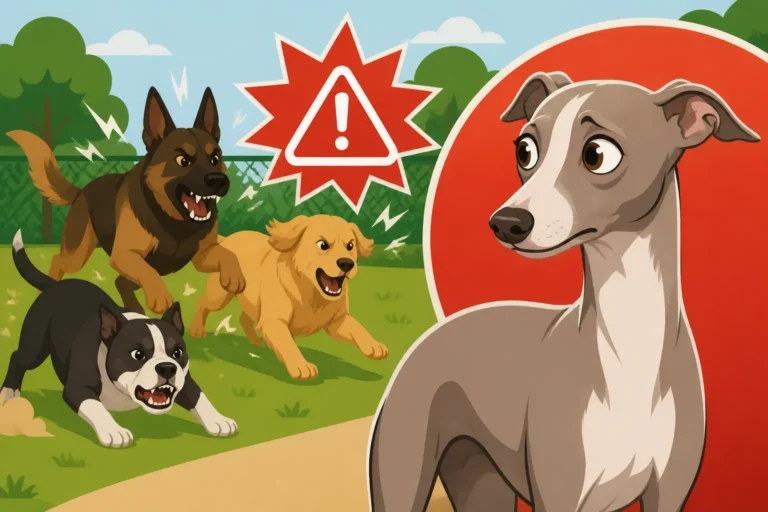
Distinguishing between rough play and genuine aggression is paramount. Aggression, even among Italian Greyhounds, will display specific signs that are distinct from play. These include:
- Hard stares: Intense, unblinking eye contact.
- Raised hackles: The hair along their spine stands up.
- Snarling or baring teeth: Not just a playful open mouth, but a clear display of teeth as a warning.
- Snapping or lunging with intent to harm: Not just playful nips, but actions aimed at causing injury.
- Resource guarding: One dog aggressively protecting a toy, food, or even a person from the other.
If you observe these signs, immediate intervention is necessary. Never punish either dog, as this can exacerbate fear or aggression. Instead, calmly separate them and give them time to cool down in different areas. Professional help from a certified dog behaviorist might be warranted if aggressive behaviors are persistent.
Facilitating Safe and Enjoyable Italian Greyhound Play
Ensuring your Italian Greyhounds can play safely and enjoyably together requires a bit of thoughtful management and keen observation from you. It’s all about setting them up for success and knowing when to step in.
Creating a Safe Play Environment
The environment plays a huge role in preventing accidental injuries during play. Given an Italian Greyhound's delicate build, a few considerations are vital:
- Indoors: Minimize obstacles. Clear pathways, put away small objects they could trip over or knock into, and consider rugs or runners on slippery floors, especially if they get The Indoor Zoomies an Italian Greyhound Gets. Sharp table corners or low furniture can be hazards.
- Outdoors: A securely fenced yard is non-negotiable. Check for gaps under fences or weak spots they could slip through. Remove any sharp objects, toxic plants, or anything they could run into at top speed. Soft grass is ideal for running and playing, minimizing impact on their joints and bones.
Remember, their enthusiasm can sometimes override their caution. A playpen or gated area, perhaps with a soft dog bed from a brand found on Amazon, can be useful for structured play times or when you need to manage their energy.
Supervision and Intervention
Constant supervision is your best tool. Don't just let them "figure it out." Watch their body language, listen to their sounds, and be ready to step in if needed. This doesn't mean hovering over them, but being present and aware.
If you see play escalating, or one dog becoming uncomfortable, a calm interruption is usually all that's required. You can use a cheerful, upbeat voice to call them for a treat, toss a toy to redirect their energy, or simply separate them for a few minutes. Avoid harsh reprimands or physical interventions that could scare them. The goal is to diffuse the situation, not to punish. If one dog consistently gets hurt playing, even in seemingly minor ways, you need to understand How an Italian Greyhound Gets Hurt Playing and adjust their play style or environment.
Managing Energy Levels
Italian Greyhounds have bursts of incredible energy, followed by long periods of napping. Understanding and managing these cycles is crucial for healthy play. Over-tired or over-stimulated dogs are more prone to crankiness and less likely to read social cues accurately.
Ensure they have regular outlets for their energy, such as walks, controlled sprints in a safe area, or interactive puzzle toys. A tired Iggy is a happy Iggy, and less likely to engage in overly boisterous play out of boredom or pent-up energy. When they’ve had a good run, they’ll be more inclined to settle into gentle play or snuggle up together – and oh, do they love to How Italian Greyhounds Sleep in a Pile!
Socialization and Early Experiences
The foundation for good play behavior between Italian Greyhounds is laid early through proper socialization and careful introductions. A well-adjusted Iggy knows how to engage appropriately.
Puppy Play and Bite Inhibition
If you're raising Italian Greyhound puppies together or introducing a puppy to an adult Iggy, early play is vital for teaching bite inhibition. Puppies learn a lot from their littermates and their mother about how hard is too hard. When they nip too hard, their sibling yelps, and the play stops. This teaches them to moderate their bite.
You can reinforce this by yelping yourself if a puppy nips you too hard, then momentarily withdrawing attention. Resources from positive reinforcement trainers, like those found through BAXTER & Bella, often provide excellent guidance on teaching bite inhibition and appropriate play manners. It helps them learn that gentle interaction keeps the fun going.
Introducing New Italian Greyhounds
Bringing a new Italian Greyhound into a home with an existing Iggy requires patience and careful introductions. Don't just throw them together and expect instant friendship. Start with neutral territory, short supervised interactions, and positive reinforcement. Walks together, side-by-side, can be a great way to bond. Allow them to sniff and explore each other at their own pace.
A common pitfall is giving too much attention to the new dog, making the resident Iggy feel displaced. Ensure both dogs feel loved and secure. Over time, as they build trust and comfort, their natural play instincts will emerge. This careful approach helps avoid any tension or perceived "roughness" stemming from insecurity.
The Benefit of Multiple Iggies
Many Italian Greyhound owners find that the breed truly thrives in pairs or groups. There's a reason Why Italian Greyhound Owners Keep More Than One! They are incredibly social creatures who crave companionship, and another Iggy often becomes their best friend and playmate. Having a dog of their own breed and size means they can engage in play that perfectly matches their unique physical and behavioral needs.
While a single Italian Greyhound will certainly bond deeply with its human family – they are the ultimate "velcro dogs" and will Why an Italian Greyhound Follows You Room to Room – a second Iggy can provide a level of canine camaraderie that humans simply can't replicate. They understand each other's subtle cues, play at a comparable speed, and often reinforce positive behaviors in each other. The joy of watching two Iggies play together, a blur of motion and happy yips, is truly one of the most rewarding aspects of owning this wonderful breed.
Disclaimer
This article is for general informational purposes only and does not constitute professional advice. Laws, prices and regulations vary by location and change over time. Consult a qualified professional for guidance on your specific situation.