What an Italian Greyhound Chews
One of the most common frustrations Italian Greyhound owners face, especially in those first few months and sometimes even beyond, is discovering their darling little Iggy has decided their favorite shoe, the leg of a chair, or even the corner of a wall makes for a fantastic chew toy. It’s disheartening, frustrating, and often leaves us wondering, "Why on earth are they chewing that?" This guide is here to unravel the mysteries of Italian Greyhound chewing, help you understand the motivations behind it, and equip you with practical strategies to redirect that natural instinct toward appropriate outlets, saving your belongings and your sanity.
Why Your Italian Greyhound Feels the Urge to Chew
Chewing is a completely natural, instinctual behavior for dogs, and Italian Greyhounds are no exception, even with their delicate appearance. While it can be destructive from our human perspective, from your Iggy's point of view, it serves several important purposes. Understanding why they chew is the first step toward effective management.
Puppy Teething and Exploration
Just like human babies, Italian Greyhound puppies go through a teething phase. Those tiny, needle-sharp puppy teeth erupt, then fall out to make way for permanent adult teeth, usually between three and six months of age. This process can be uncomfortable, causing sore gums and a strong urge to chew to relieve the pressure and discomfort. Everything becomes fair game when they're teething – shoes, furniture, your fingers. It’s not malice; it’s just relief.
Beyond teething, puppies explore their world with their mouths. This is how they learn about textures, tastes, and how things respond when gnawed on. A new toy, a fallen leaf, or yes, even your remote control, will likely end up in their mouth as they investigate. This exploratory chewing is a critical part of their development, but it’s up to us to guide them on what is and isn't acceptable. This is a crucial time in The First Year With an Italian Greyhound Puppy, setting the stage for their behavior as adults.
Boredom and Lack of Mental Stimulation
An Italian Greyhound might look like a couch potato, perfectly content to snuggle under a blanket, but beneath that sleek exterior is an intelligent, active mind that needs engagement. If your Iggy isn't getting enough physical exercise or mental stimulation, they can become bored. And what does a bored dog do? They find ways to entertain themselves, often by chewing. This can manifest as gnawing on furniture, ripping up bedding, or systematically destroying toys.
Imagine being stuck in a house all day with nothing to do. You'd probably find something to occupy your time, too! For an Italian Greyhound, that "something" often involves using their jaws. A long walk, a stimulating puzzle toy, or a short training session can do wonders to alleviate boredom. Without these outlets, their pent-up energy and mental ennui can easily lead to destructive chewing habits. What an Italian Greyhound Does All Day might surprise you if it's not well-structured.
Stress, Anxiety, and Comfort Seeking
Chewing can also be a coping mechanism for stress or anxiety in Italian Greyhounds. These sensitive sighthounds can be prone to separation anxiety, often described as "Velcro dogs" due to their strong attachment to their people. If left alone for too long or if they experience a significant change in routine, they might turn to chewing as a way to self-soothe. The act of chewing releases endorphins, which can help calm them down.
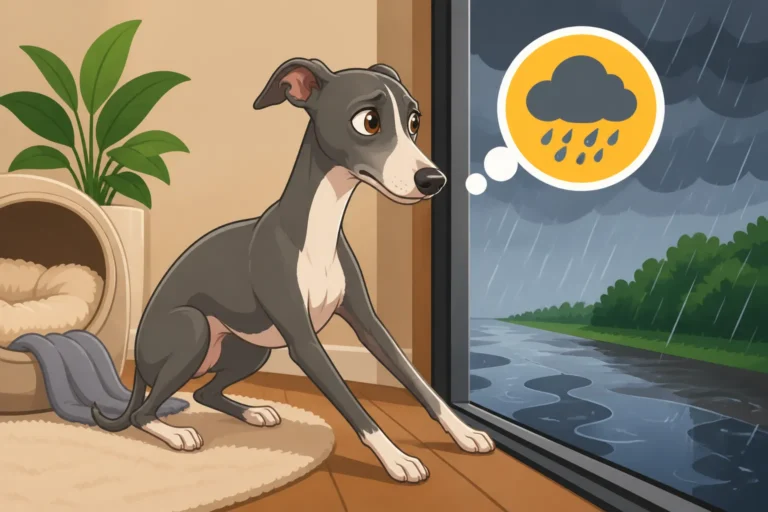
This type of chewing is often directed at items that smell like their owner, such as shoes, clothing, or blankets, or at exit points like doorframes. It's not a sign of spite, but rather a desperate attempt to manage overwhelming emotions. Recognizing Signs an Italian Greyhound Has Separation Anxiety is crucial here, as simply punishing the chewing won't address the underlying cause. Sometimes, even simple fear or discomfort, like during a thunderstorm, can trigger anxiety-related chewing.
What Your Italian Greyhound Should Be Chewing On
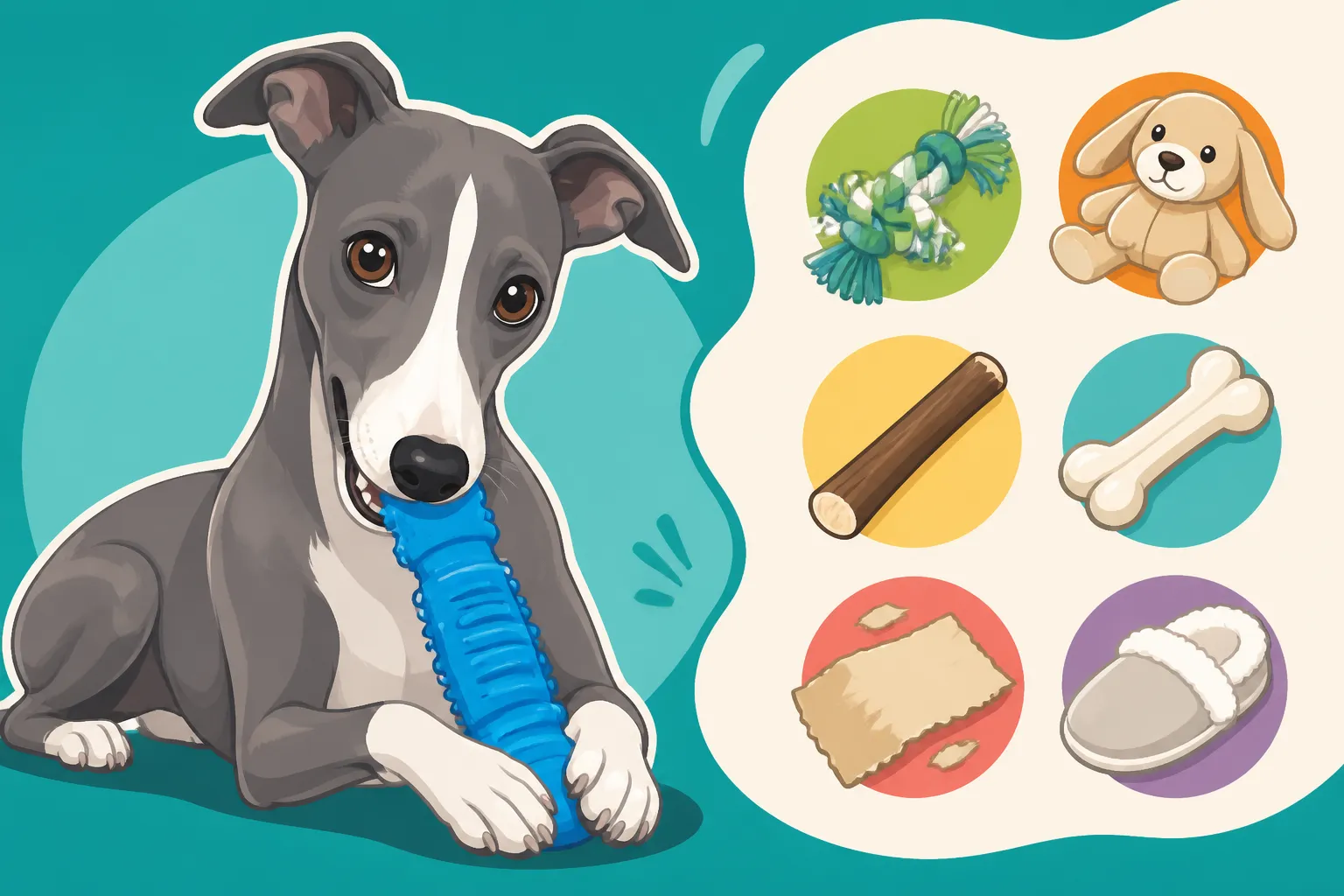
Since chewing is a fundamental need, our job isn't to stop it entirely, but to redirect it to appropriate and safe items. Providing a variety of enticing chew toys is paramount for any Italian Greyhound owner.
Durable Chew Toys Designed for Sighthounds
Not all chew toys are created equal, especially for Italian Greyhounds. Their delicate jaws, coupled with often strong chewing instincts, mean you need toys that are durable but not so hard they risk damaging their teeth. Look for toys made from tough rubber or high-quality nylon that are specifically designed for strong chewers. Avoid anything too brittle or easily ingestible, as Iggies can be surprisingly efficient at destroying things quickly.
Consider toys with different textures and shapes to keep things interesting. Some Italian Greyhounds love the nubbly feel of a Kong-type toy, especially when stuffed with a tasty treat like peanut butter or yogurt and then frozen. Others might prefer a softer, more pliable rubber. Rotate toys regularly to maintain novelty; if they see the same three toys every day, they’ll quickly lose interest. Many excellent options can be found easily on platforms like Amazon, offering a wide selection to choose from.
Edible Chews and Dental Health
Edible chews can be a fantastic way to satisfy your Iggy’s chewing urges, but they need to be chosen carefully. Look for natural, digestible chews that are appropriate for their size. Things like bully sticks, dental chews (specifically formulated for small breeds), or yak cheese chews can provide long-lasting chewing satisfaction. Always supervise your Italian Greyhound with edible chews to ensure they don't break off large pieces that could be a choking hazard.
Beyond satisfying the urge to chew, many edible chews also offer dental benefits, helping to scrape away plaque and tartar. This is incredibly important for Italian Greyhounds, as How Common Dental Disease Is in an Italian Greyhound is unfortunately very high. Regular chewing on appropriate items can be a complementary part of their oral hygiene routine, alongside daily toothbrushing. Always check the ingredients and ensure they are safe and free from artificial additives.
| Chew Type | Pros | Cons | Ideal Use |
|---|---|---|---|
| Rubber Toys | Durable, safe for teeth, can be stuffed | Some Iggies lose interest quickly | Daily enrichment, treat dispensing |
| Nylon Chews | Long-lasting, good for heavy chewers | Can be too hard for some teeth, abrasive | Persistent chewers, dental cleaning |
| Bully Sticks | Highly palatable, natural, digestible | Can be consumed quickly, costly, odor | Special treat, supervised chewing |
| Yak Cheese Chews | Very long-lasting, natural, hard | Can be very hard, watch for small pieces | Extreme chewers, dental health |
| Dental Chews | Formulated for oral health, digestible | Shorter lasting, some have calories | Daily dental routine, light chewing |
Puzzle Toys and Mental Engagement
Sometimes, chewing isn't just about the physical act; it's about the mental challenge. Puzzle toys, where your Iggy has to figure out how to get a treat out, combine mental stimulation with a satisfying reward. These are particularly excellent for alleviating boredom and helping your Italian Greyhound Teaching an Italian Greyhound to Settle Alone. When their brain is engaged, they're less likely to find mischief with your belongings.
There's a vast array of puzzle toys available, from simple treat-dispensing balls to more complex sniff-and-seek mats. Start with something easy and gradually increase the difficulty as your Iggy gets the hang of it. This provides a productive outlet for their energy and intelligence. A quick search on Amazon will reveal countless options suitable for small breeds.
Redirecting Destructive Chewing: Strategies That Work
It's one thing to understand why your Italian Greyhound chews; it's another to actually stop them from chewing on the wrong things. The key is consistent redirection and environmental management.
Puppy-Proofing Your Home
The simplest way to prevent destructive chewing is to remove the temptation. Puppy-proofing isn't just for puppies; it’s a wise strategy for any age Italian Greyhound prone to chewing. Get down on their level and look around:
- Remove tempting items: Shoes, socks, remote controls, books, children's toys – anything within reach that might look appealing needs to be put away.
- Block access: Use baby gates to restrict access to certain rooms or areas where you can't supervise directly. Crate training can be incredibly beneficial for Italian Greyhounds, offering them a safe den when you can't watch them, and can help with Crating an Italian Greyhound Overnight.
- Secure electrical cords: These are a huge hazard. Cover them or secure them out of reach.
- Protect furniture: Consider using deterrent sprays (bitter apple, for example, though effectiveness varies) on furniture legs or other items you can't move.
Remember, an ounce of prevention is worth a pound of cure. If they can't get to it, they can't chew it.
Consistent Redirection and Positive Reinforcement
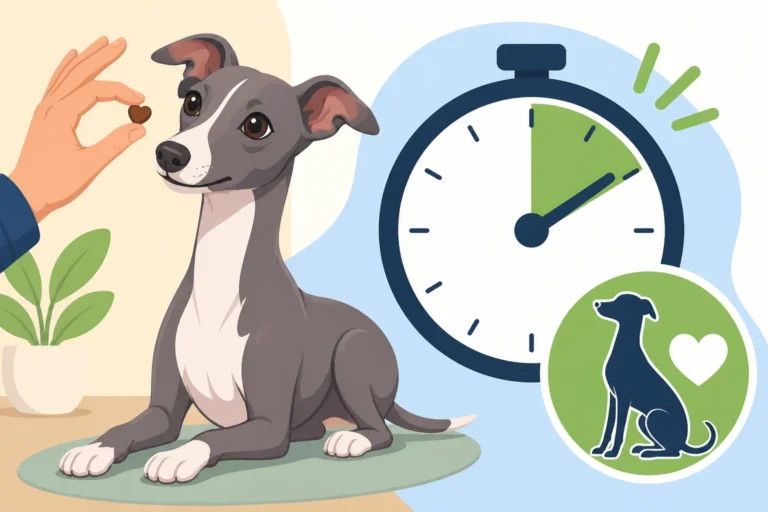
When you catch your Italian Greyhound chewing on something inappropriate, don't just scold them. Instead, calmly interrupt the behavior and immediately offer an appropriate chew toy. As soon as they take the correct toy in their mouth, praise them enthusiastically and give them a small, high-value treat. This teaches them, "When I chew this, good things happen!"
Consistency is key here. Every single time you see them chewing on the wrong item, redirect. If you sometimes let it slide, you're only confusing them. Make sure everyone in the household is on the same page with this approach. Early training is critical, and resources like BAXTER & Bella’s online puppy school can provide structured guidance on positive reinforcement techniques for redirection. They emphasize making good choices rewarding for your dog.
Managing Boredom and Exercise Needs
A tired Iggy is a good Iggy, and a mentally stimulated Iggy is even better. Ensure your Italian Greyhound is getting enough exercise, but remember their delicate frame means How Much Exercise an Italian Greyhound Needs should be appropriate for their age and build. Short, frequent walks, safe indoor playtime, or controlled romps in a secure, fenced yard are ideal. For puppies, it’s about gentle play and short bursts of activity, not marathon runs.
Beyond physical activity, incorporate mental games into their daily routine. This could be short training sessions, hide-and-seek with treats, or the aforementioned puzzle toys. Even five to ten minutes of focused mental work can tire an Italian Greyhound out more effectively than a long, unstimulating walk. A bored Iggy is an Iggy likely to resort to chewing something they shouldn't.
Addressing Underlying Anxiety
If you suspect your Italian Greyhound's chewing is rooted in anxiety, particularly separation anxiety, a more holistic approach is needed. This might involve:
- Gradual desensitization: Slowly increasing the time you leave them alone, starting with just a few minutes, then gradually extending it.
- Comfort items: Leaving a shirt with your scent or a special calming blanket with them.
- Calming aids: Discussing options with your vet, such as pheromone diffusers, calming supplements, or in severe cases, medication.
- Professional guidance: A certified dog trainer or veterinary behaviorist can provide tailored strategies for managing anxiety.
- Consistent routine: A predictable daily schedule can provide a sense of security for anxious Iggies.
Simply leaving a distressed Iggy with more chew toys won't solve the core anxiety, though it might redirect some of the destructive behavior temporarily. The goal is to make them feel safe and secure when alone.
Common Mistakes and Misconceptions
When dealing with Italian Greyhound chewing, it’s easy to fall into traps that can actually make the problem worse. Avoiding these common errors will save you a lot of grief.
Using Old Shoes or Clothing as "Toys"
This is one of the most common and damaging mistakes owners make. It seems logical, right? "My old shoe isn't being used, so Fido can chew on it." The problem is, your Iggy can't differentiate between your old, worn-out slipper and your brand-new, expensive designer heels. If they learn that shoes are acceptable chew items, they'll apply that logic to all shoes.
The same goes for old t-shirts, socks, or blankets. Stick to actual dog toys. If it looks, smells, and feels like something you wear or own, it's best kept out of the "chew toy" category to avoid confusion and frustration down the line. It's about setting clear boundaries for your Italian Greyhound from the beginning.
Punishment After the Fact
Finding a chewed-up item long after the deed is done and then scolding your Italian Greyhound is ineffective and damaging to your bond. Dogs live in the moment. They won't connect your anger to something they did an hour ago, or even five minutes ago. All they learn is that sometimes, for no clear reason, you get angry. This can lead to fear, avoidance, and them chewing more to cope with stress, or chewing secretly when you're not around.
Correction must happen in the act of chewing the wrong item, immediately followed by redirection to an appropriate toy. If you weren't there to witness it, clean up the mess, move on, and focus on preventing future incidents through supervision and proper chew toy provision. Positive reinforcement is always more effective than punishment, especially with sensitive breeds like Italian Greyhounds, as What a Raised Voice Does to an Italian Greyhound is often detrimental to their training.
Expecting Them to "Grow Out of It"
While puppy teething eventually subsides, the natural instinct to chew often remains throughout a dog's life. Italian Greyhounds may not be constant power chewers, but they will still benefit from appropriate outlets. Thinking they'll simply "grow out of it" can lead to prolonged periods of destructive chewing and missed opportunities to teach them good habits.
Instead, commit to providing safe and engaging chew toys as a permanent part of their routine. This allows them to fulfill a natural need in a way that is acceptable to you. Continued mental and physical engagement, and having plenty of appropriate chew toys on hand, will keep them happy and your belongings safe for years to come.
Disclaimer
This article is for general informational purposes only and does not constitute professional advice. Laws, prices and regulations vary by location and change over time. Consult a qualified professional for guidance on your specific situation.