Why an Italian Greyhound’s Coat Takes Five Minutes a Week
You've heard the whispers, haven't you? That owning an Italian Greyhound means endless pampering, intricate grooming routines, and a dog that's practically a full-time job. It's a common misconception, often fueled by their delicate appearance and elegant stature. But let me tell you, as someone who lives and breathes Italian Greyhounds, the truth about their coat care is surprisingly simple: it really does take only about five minutes a week. This guide will dive deep into why their sleek, low-maintenance coat is one of the easiest in the canine world, freeing you up for more snuggles and less brushing.
The Anatomy of an Easy-Care Coat: Short, Fine, and Single-Layered
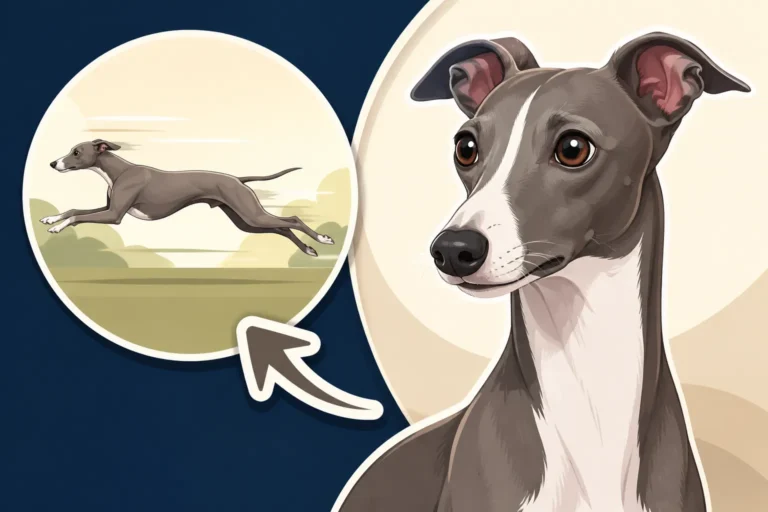
When you first lay eyes on an Italian Greyhound, their almost impossibly smooth, short coat is one of their defining features. It clings to their slender frame, highlighting their elegant curves and lean muscle. This isn't just about aesthetics; it's a blueprint for minimal grooming. Unlike many other breeds with thick, multi-layered coats, the Italian Greyhound's fur is designed for simplicity. There’s no complex texture, no dense undercoat to shed in clumps, and no long, flowing locks to become tangled or matted. It's a marvel of canine design for the low-maintenance owner.
The Ultra-Short Hair: Less to Tangle, Less to Trap
Think about dogs with long, luxurious coats – Poodles, Afghan Hounds, or even certain Spaniels. Their hair can catch every burr, every bit of mud, every piece of leaf on a walk. It tangles easily, forms knots, and requires dedicated time for brushing, combing, and often, professional grooming appointments. With an Italian Greyhound, that's just not an issue. Their hair is so incredibly short, typically less than an inch long, that it simply doesn't have the length to tangle. There's nothing for debris to cling to, nothing to mat behind their ears or under their legs. A quick glance or a gentle stroke is usually enough to dislodge any loose dirt. This means less time wrestling with a comb and more time enjoying their company. It also drastically reduces the chance of things like fleas and ticks hiding unnoticed, though How Easily an Italian Greyhound Picks Up Fleas is still a consideration in certain environments.
Single-Coated Simplicity: No Undercoat, No Seasonal Blowouts
Many breeds, especially those originating from colder climates, possess a double coat. This consists of a soft, dense undercoat for insulation and a coarser, protective outer coat. While fantastic for keeping a dog warm, it also means heavy shedding periods, often referred to as "blowing coat," usually twice a year. During these times, owners of double-coated breeds find themselves battling mountains of fur, needing special de-shedding tools, and constantly vacuuming.
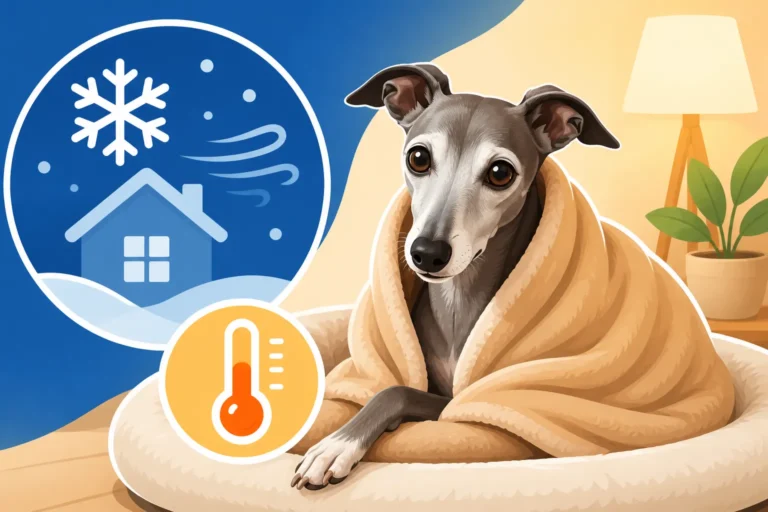
The Italian Greyhound? They are proudly single-coated. This means they lack that insulating undercoat entirely. This is why they shiver so easily and need sweaters and blankets to stay warm, but it's also a huge win for grooming. Without an undercoat, there are no massive seasonal shedding events. You won't find yourself pulling handfuls of dense fluff from your dog, nor will your home be suddenly inundated with tumbleweeds of fur. This single layer is consistent year-round, making their shedding patterns, and thus their grooming needs, remarkably stable and minimal. It’s a huge relief for allergy sufferers, too, as less dander and hair floating around means fewer triggers.
Fine Texture: Why It Feels Like Silk and Sheds So Little
Beyond its length, the texture of an Italian Greyhound's coat is incredibly fine and soft, often described as feeling like velvet or silk. This isn't coarse or wiry hair that stands on end; it's delicate and lies flat against their body. This fine texture contributes to the minimal shedding. When these hairs do shed, they are so light and fine that they often fall unnoticed or are easily swept up. They don't have the "stickiness" of coarser hairs that can weave themselves into carpets and upholstery. This also means that when you do brush your Italian Greyhound, the experience is incredibly pleasant for both of you. It's more akin to stroking their skin than actually brushing dense fur, a gentle massage that strengthens your bond without any struggle. The fineness of their skin, however, does mean you need to be careful with cuts and scrapes, a topic we discuss in Cuts, Scrapes and an Italian Greyhound's Paper Thin Skin.
Shedding: Dispelling the Myth of the "Non-Shedding" Dog
It’s a lovely thought, isn't it? A dog that doesn't shed at all. Unfortunately, apart from truly hairless breeds, every dog with fur sheds to some extent. It's a natural process of hair growth and replacement. Where the Italian Greyhound shines, though, isn't in being completely non-shedding, but in how manageable their shedding truly is compared to most other breeds. It’s a subtle, almost unnoticeable affair most of the time, rather than a daily battle.
Yes, They Shed, But It's Different
Let's be realistic: your Italian Greyhound will shed. Just like humans lose strands of hair every day, dogs lose dead hair to make way for new growth. However, because their hair is so short and fine, the shedding is microscopic compared to, say, a Labrador Retriever or a German Shepherd. You won't find huge clumps of hair on your furniture or stuck to your clothes in the same way. Instead, you might notice a very fine dust of hair, particularly if you have dark furniture or wear a lot of black. But even then, it's easily wiped away. The hairs don't typically embed themselves deeply into fabric, making cleanup far less of a chore. If you run a damp cloth over your sofa, you’ll pick up most of it in one swipe, unlike the tenacious fur from some other breeds.
Managing Minimal Shed: Practical Tips for a Clean Home
Given how little they shed, managing an Italian Greyhound's coat really is a breeze. Regular, light cleaning is often all that's required.
- Weekly Dusting/Vacuuming: A quick run-over with a vacuum or a microfiber cloth once a week is usually sufficient to keep any shed hairs at bay. Because the hairs are so light, they don't tend to settle heavily.
- Sticky Lint Rollers: Keep a lint roller handy for clothing or quick spot checks on furniture before guests arrive. You can find economical multi-packs on Amazon that last for ages when dealing with such minimal shedding.
- Washable Throws: If your Italian Greyhound is anything like mine, they love to burrow and snuggle on furniture. Having soft, washable throws or blankets on their favorite spots makes keeping your home clean incredibly easy. Toss them in the wash weekly, and you're good to go. This also helps immensely with Why an Italian Greyhound Needs Blankets to stay warm.
- Regular Brushing (Lightly!): Even though they don't need intense brushing, a quick once-over with a soft brush a few times a week (or even daily, if you enjoy it) can capture loose hairs before they fall. This is more of a massage and a bonding experience than a necessary de-shedding task.
The key takeaway here is that while they aren't zero shedding, their minimal, fine hair makes shedding an entirely manageable aspect of ownership, demanding hardly any dedicated time.
Bathing Basics: Keeping Your Italian Greyhound Clean Without the Fuss
One of the great joys of having an Italian Greyhound is how infrequently they truly need a bath. Unlike breeds with oily coats or those prone to rolling in every patch of mud, Italian Greyhounds tend to stay remarkably clean and odor-free. Their single, short coat and typically fastidious nature means they manage to keep themselves quite tidy, reducing the need for frequent dips in the tub.
Infrequent Baths: Preserving Natural Skin Oils
Because Italian Greyhounds have such thin skin and a sparse coat, they are more susceptible to dry skin and irritation if bathed too often. Their skin produces natural oils that protect their delicate dermal layer and keep their coat healthy and supple. Frequent bathing, especially with harsh shampoos, can strip these essential oils, leading to itchiness, flakiness, and discomfort. For this reason, most Italian Greyhounds only need a bath when they are visibly dirty or start to develop a "doggy" smell, which is quite rare for this breed. This might mean once every few months, or even less frequently, depending on their lifestyle. If you're wondering How Often an Italian Greyhound Needs a Bath, the answer is usually: not very often! This is a huge time-saver compared to weekly or bi-weekly bathing required by many other breeds.
Choosing the Right Shampoo: Gentle Care for Sensitive Skin
When bath time does roll around, selecting the correct products is crucial for your Italian Greyhound's sensitive skin. You'll want something that cleans effectively without being overly harsh or stripping.
- Hypoallergenic and Gentle Formulas: Look for shampoos that are specifically formulated for sensitive skin, often labeled as hypoallergenic, soap-free, or tearless. Ingredients like oatmeal, aloe vera, or natural emollients can be soothing. Avoid anything with strong fragrances, dyes, or harsh chemicals. Many excellent options are available through pet retailers like Chewy, making it easy to find gentle products.
- Moisturizing Shampoos: A shampoo with added moisturizers can help replenish any lost oils and keep their skin from drying out, especially in winter when dry indoor air can be a problem.
- Conditioner (Optional but Recommended): A light, rinse-out conditioner can add an extra layer of moisture and leave their coat feeling even silkier. Again, choose a gentle, fragrance-free formula.
Before bathing, brush them lightly to remove any loose hairs. Use lukewarm water, thoroughly wet their coat, and gently massage the shampoo in. Rinse extremely thoroughly – any residue left behind can cause irritation.
The Quick Drying Advantage: Bathtime is a Breeze
One of the biggest time-sinks with bathing many dogs is the drying process. Breeds with thick undercoats can take hours to air dry, and blow-drying can be a prolonged, noisy affair. This isn't the case with an Italian Greyhound. Their ultra-short, single coat dries incredibly fast. A quick towel-dry is often all it takes to get them mostly dry, and within minutes, they'll be completely air-dried, especially if they're in a warm room. This rapid drying means less time spent shivering, less effort on your part, and no worries about damp fur leading to skin issues or chills. It truly makes bath time a five-minute task, plus a few minutes of towel-drying and perhaps a sweater to keep them cozy while they finish air-drying. This rapid drying capability contributes significantly to Why an Italian Greyhound Barely Smells.
Brushing: More for Bonding Than Beauty
When we talk about brushing an Italian Greyhound's coat, it's rarely about detangling knots or removing massive amounts of shed fur. Instead, the act of brushing with these delicate dogs transforms into something more meaningful: a quiet moment of connection, a gentle massage that stimulates their skin, and an opportunity for a quick health check. It's a testament to their low-maintenance nature that even this typically essential grooming task becomes less about necessity and more about well-being and affection.
The Joy of a Soft Brush: What Tools You Actually Need
Forget the array of de-shedding rakes, slicker brushes, and dematting combs that fill the grooming kits of other dog owners. For an Italian Greyhound, your toolset is wonderfully simple. The goal isn't to penetrate a thick coat or work out tangles, but to gently polish their already sleek fur and stimulate their skin.
- Rubber Curry Brush or Grooming Mitt: These are fantastic for Italian Greyhounds. The soft rubber nubs gently massage the skin, loosening any dead skin cells and very fine, shed hairs without irritating their delicate skin. They're also great for a quick wipe-down after an outdoor adventure to remove loose dirt.
- Soft Bristle Brush: A natural bristle brush, similar to what you might use for a baby, is ideal. It's gentle, feels wonderful against their skin, and helps distribute natural oils, leaving their coat looking even shinier. It's more of a finishing touch than a heavy-duty brush.
- Microfiber Cloth or Chamois: A damp cloth can be used for a quick wipe to remove dust and add a shine, especially before heading out or after a cuddle session.
That's really it. You don't need anything aggressive or complicated. The simpler, the better, for an Italian Greyhound's sensitive skin. Many of these basic grooming tools can be found readily on Amazon or at any well-stocked pet supply store.
Daily Five-Minute Ritual: Not for Detangling, But for Shine and Health
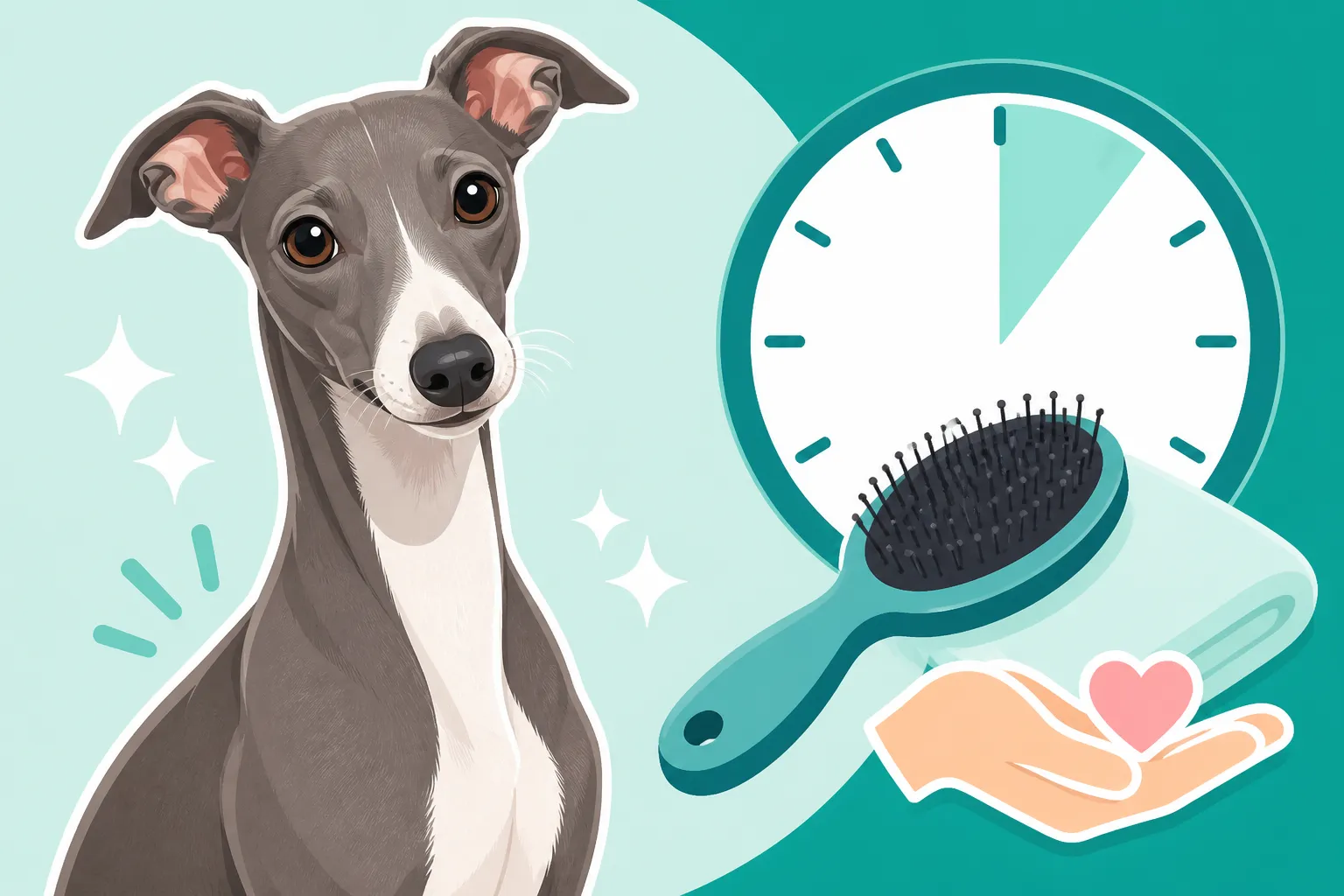
While an Italian Greyhound's coat might only require brushing once a week to manage shedding, a daily or every-other-day quick brush can be a delightful ritual. This isn't a long, arduous task; we're talking about literally one to five minutes of gentle strokes.
- Stimulates Circulation: The soft massage from a rubber brush or grooming mitt can stimulate blood circulation in their skin, promoting overall skin health and a healthy coat.
- Distributes Natural Oils: Brushing helps spread their natural skin oils evenly across their coat, enhancing its natural luster and softness.
- Removes Loose Hairs and Dandruff: Even though they shed minimally, brushing helps to collect any fine, loose hairs and flakes of skin (dandruff) before they land on your furniture.
- Bonding Time: Perhaps most importantly, these short grooming sessions are a wonderful opportunity for bonding. Most Italian Greyhounds adore the gentle attention, melting into your touch as you stroke their fur. It's a calm, affectionate interaction that strengthens the connection between you and your dog.
It’s worth noting that while brushing their coat is simple, other daily care tasks like Brushing an Italian Greyhound's Teeth Every Day are far more critical for their long-term health.
Checking for Skin Issues: Brushing as a Health Check
Because an Italian Greyhound's coat is so thin and close to their skin, brushing becomes an excellent opportunity for a quick, routine health check. During these brief sessions, you can easily feel and visually inspect their entire body, noticing any changes that might warrant further attention.
- Lumps, Bumps, or Lesions: Your fingers can quickly detect any new lumps, bumps, or strange textures on their skin that weren't there before. Early detection of skin growths or irritations can be crucial for prompt veterinary care.
- Dryness or Flakiness: You might notice areas of dry, flaky skin, especially in colder, drier months. This could signal a need for a more moisturizing shampoo, dietary adjustments, or even just adding a humidifier to your home.
- Parasites: While their short coat doesn't offer many hiding spots, a quick visual check during brushing can help you spot any fleas, ticks, or other external parasites that might have hitched a ride.
- Minor Injuries: Given their thin skin, minor scrapes and nicks can occur. Brushing allows you to gently check for any small wounds or areas of tenderness that your Italian Greyhound might be hiding. How an Italian Greyhound's Skin Tears is a topic that every owner should be familiar with.
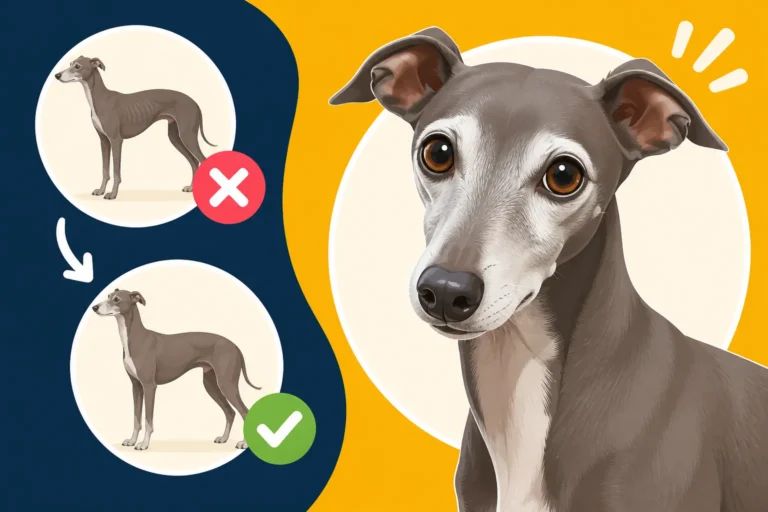
- Overall Body Condition: Feeling along their ribs and spine during brushing also gives you a good sense of their body condition. You want to feel their ribs easily but not see them prominently. If they feel too bony, it might be time to discuss their diet with your vet, especially if you're keeping track of What an Italian Greyhound Weighs and How to Tell If It Is Right.
This quick "once-over" is invaluable for proactive health management, turning a simple grooming task into a vital part of their overall care routine.
Seasonal Considerations: Adapting Coat Care to the Weather
While the Italian Greyhound's short, single coat is largely a blessing for minimal grooming, it does present a few unique challenges, particularly when it comes to regulating their body temperature and protecting their delicate skin from environmental extremes. Their lack of an insulating undercoat means they are exquisitely sensitive to both cold and sun, requiring thoughtful intervention from their human companions. This isn't so much about more grooming as it is about protective care that works in tandem with their low-maintenance coat.
Winter Warmth: Protecting Delicate Skin from Dryness
As soon as the temperatures drop, you'll notice your Italian Greyhound's need for warmth. They'll shiver, seek out sunny spots, and burrow under blankets like it's their life's mission. This extreme sensitivity to cold is directly related to their thin skin and lack of an insulating undercoat.
- The Sweater and Coat Regimen: This isn't just a fashion statement for IGs; it's a necessity. From cozy sweaters indoors to robust, waterproof coats for outdoor excursions, clothing is your primary defense against the cold. They need help staying warm, and this directly impacts their skin. If they're constantly cold and shivering, their skin can become stressed, potentially leading to dryness.
- Humidifiers for Indoor Air: Winter air, especially with indoor heating, can be incredibly dry. This dry air can leach moisture from your Italian Greyhound's skin, leading to itchiness, flakiness, and discomfort. A humidifier in their main living areas or where they sleep can make a significant difference in maintaining skin hydration.
- Moisturizing Shampoos and Conditioners: As mentioned earlier, when baths are necessary in winter, opt for highly moisturizing shampoos and follow up with a conditioner. You might also consider a pet-safe leave-in conditioner or a touch of coconut oil massaged into their coat (sparingly, to avoid greasiness) to combat dryness.
- Paw Protection: While not directly coat care, remember their delicate paws in winter. Cold pavements, ice, and road salt can be harsh. Boots or paw balms can prevent cracking and irritation, maintaining overall comfort.
Remember, a comfortable Italian Greyhound is a happy one, and keeping them warm indirectly supports healthy skin and coat during the harsh winter months.
Summer Sun: Guarding Against Sunburn on Thin Coats
Conversely, when summer arrives, the very features that make their coat low-maintenance also make them vulnerable to the sun's harsh rays. Their fine, short coat offers very little natural protection against ultraviolet (UV) radiation. Just like humans, Italian Greyhounds can get sunburned, especially on areas with sparse hair or light pigmentation.
- Sunscreen is a Must: For Italian Greyhounds that enjoy sunbathing or spend extended time outdoors, pet-safe sunscreen is essential. Focus on areas like the bridge of their nose, ear tips, and any areas with very thin hair or light skin. Always use a sunscreen specifically formulated for dogs, as human sunscreens can contain ingredients toxic to pets. You can find these at most pet stores or online, including through Chewy or Amazon.
- Shade and Timing: The easiest way to prevent sunburn is to limit direct sun exposure during peak UV hours (typically 10 AM to 4 PM). Encourage your Italian Greyhound to rest in shaded areas when outdoors, or plan walks during early mornings or late evenings.
- Lightweight Clothing: While it might seem counterintuitive, a very lightweight, breathable UV-protective shirt or coat can offer an additional layer of defense against the sun, particularly for long periods outside. This isn't about warmth, but about blocking harmful rays. Where to Put Sunscreen on an Italian Greyhound is a specific topic that can help you with practical application.
- Hydration: Ensure your Italian Greyhound always has access to fresh, cool water to stay hydrated in the heat. Dehydration can affect overall health, including skin and coat condition.
Being mindful of both extremes of weather—providing warmth in winter and sun protection in summer—ensures that their easy-care coat remains healthy and their delicate skin stays protected, truly making their "five minutes a week" coat care effective year-round.
Beyond the Brush: Other Grooming Tasks (and why they're not coat-related)
While the Italian Greyhound's coat care is undeniably minimal, owning one still involves a few other essential grooming tasks. It's important to understand that these tasks are distinct from coat maintenance and often require more consistent attention than their fur. This section highlights these other grooming necessities, helping you to round out your Italian Greyhound's care routine with precision.
Nail Trims and Ear Checks: The Real "Maintenance" Work
Unlike their coats, an Italian Greyhound's nails and ears do require regular attention. Neglecting these areas can lead to discomfort, pain, or even serious health issues.
- Nail Trims: Italian Greyhounds have delicate, often dark nails with a quick (the pink, live part of the nail) that can be difficult to see. Because they are light-bodied, their nails might not wear down naturally as much as heavier breeds during walks. Long nails can cause pain, affect their gait, and even lead to splayed toes or foot problems. Regular nail trims, ideally every 2-4 weeks, are crucial. This can be intimidating for owners, but consistent, gentle handling from a young age can make it easier. Using a Dremel tool or sharp clippers (and always having styptic powder on hand just in case of a quick nick) is necessary. How Often an Italian Greyhound's Nails Need Trimming is a common question, and consistency is key. Understanding Why an Italian Greyhound's Nails Grow Fast will also help you stay on top of this.
- Ear Checks: Italian Greyhounds have "rose" ears that fold back, generally not trapping a lot of moisture or debris, which means ear infections are less common than in breeds with heavy, drop ears. However, it's still important to check their ears weekly for redness, odor, excessive wax buildup, or any signs of irritation. A quick, gentle wipe with a vet-approved ear cleaner on a cotton ball is usually all that's needed. Never use cotton swabs inside the ear canal. If you notice any signs of infection, consult your veterinarian. Their ears are another point of inspection where their fine skin allows for easy visibility.
These tasks, while important, are typically quick to perform and contribute more to their overall comfort and hygiene than to their aesthetic appearance.
Dental Care: The Actual Daily Grooming Priority
If there's one area of Italian Greyhound care that truly demands daily attention, it's their dental health. This is where the "five minutes a week" philosophy goes out the window, and for good reason. Italian Greyhounds are incredibly prone to dental disease, often starting at a very young age. Their delicate, narrow jaws are often overcrowded with teeth, leading to food and plaque buildup, which quickly progresses to tartar, gingivitis, and ultimately, painful Periodontal Disease Is the Italian Greyhound's Most Common Diagnosis.
- Daily Brushing is Non-Negotiable: This is the single most effective thing you can do to prevent severe dental problems. Using a soft, finger-sized toothbrush and pet-specific toothpaste, aim for a quick brush every single day. Even a minute or two can make a significant difference in removing plaque before it hardens into tartar. It may feel like a chore at first, but with patience and positive reinforcement, most IGs can learn to tolerate it. For a deeper dive, check out Brushing an Italian Greyhound's Teeth Every Day.
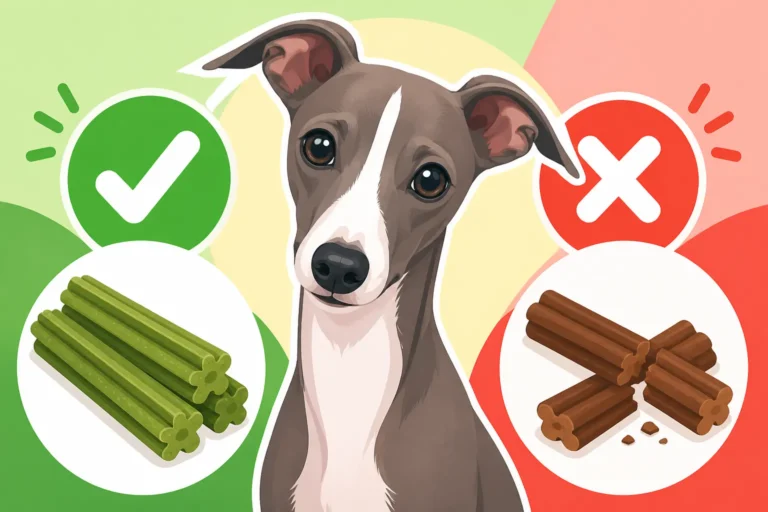
- Dental Chews and Water Additives: While not a substitute for brushing, certain veterinary-approved dental chews and water additives can be used as supplementary tools to help reduce plaque and tartar. Always choose products designed for small breeds and supervise your dog with any chew.
- Regular Veterinary Dental Cleanings: Despite your best home care efforts, your Italian Greyhound will likely need professional dental cleanings under anesthesia throughout their life. These cleanings allow the vet to scale off tartar, polish teeth, and address any extractions needed. How Often an Italian Greyhound Needs a Dental Cleaning is a question every IG owner will ask. Starting a fund or budgeting for these cleanings is essential, as they can be costly but are vital for their health and longevity.
- High-Quality Diet: A balanced, high-quality diet contributes to overall health, which includes oral health. Brands like Ollie offer fresh, human-grade food that supports general well-being, though the direct impact on dental health is still secondary to physical brushing.
While their coat care is minimal, understanding where your Italian Greyhound does need consistent attention, particularly with their dental health, is key to being a responsible and loving owner. It's a trade-off many of us happily make for their sweet dispositions and easy-to-manage fur!
Comparative Grooming Effort: Italian Greyhound vs. Other Breeds
To truly appreciate just how low-maintenance an Italian Greyhound's coat is, it helps to put it into perspective by comparing it to other popular breeds. This table illustrates the stark differences in grooming demands, emphasizing why Italian Greyhounds are a dream for owners who prefer spending less time brushing and more time cuddling.
| Grooming Task | Italian Greyhound | Golden Retriever | Poodle (Standard) | Siberian Husky |
|---|---|---|---|---|
| Coat Type | Short, fine, single-layered | Medium-long, dense double coat | Curly, non-shedding, continually growing | Thick, dense double coat |
| Brushing Frequency | 1-2 times/week (5 min per session) | Daily to every other day (15-30 min per session) | Daily (30-60 min per session, plus professional grooming) | 2-3 times/week, daily during shedding (30-60 min) |
| Shedding Level | Minimal, fine hairs | Heavy, especially seasonally | Very low (hair is caught in curls) | Extreme, massive seasonal "blowouts" |
| Bathing Frequency | Every few months, or as needed | Monthly to bi-monthly | Bi-weekly to monthly (plus professional bathing) | Every 1-3 months, as needed |
| Drying Time | Very fast (minutes) | Long (hours to air dry, 30+ min with blow dryer) | Long (1-2 hours with blow dryer) | Very long (hours to air dry, 45+ min with blow dryer) |
| Tangling/Matting | Almost never | Moderate, especially behind ears, tail, and legs | High, prone to severe matting without diligent care | Low (if brushed), but undercoat can clump |
| Professional Grooming Need | Almost none (unless for nail trims or specific needs) | Occasional (trimming feathering, de-shedding) | Mandatory every 4-6 weeks | Occasional (de-shedding, sanitary trim) |
This comparison clearly shows that the Italian Greyhound's coat demands significantly less time and effort across the board, making their "five minutes a week" claim not just realistic, but an actual advantage for their owners.
Disclaimer
This article is for general informational purposes only and does not constitute professional advice. Laws, prices and regulations vary by location and change over time. Consult a qualified professional for guidance on your specific situation.