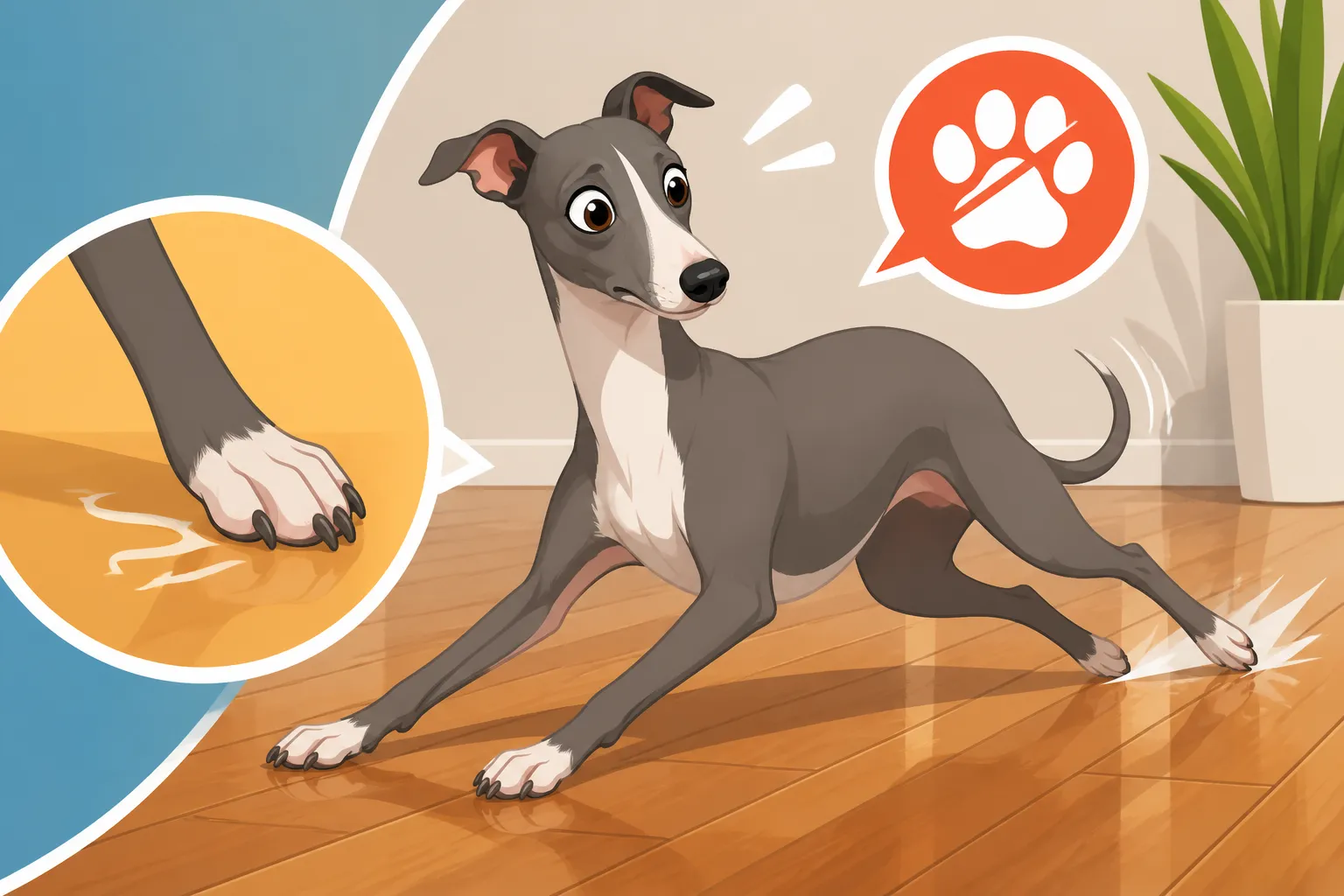
Why an Italian Greyhound Slips on Hardwood
Anyone who shares their home with an Italian Greyhound knows the unique blend of grace and utter, hilarious clumsiness they bring. But for all their elegance, there's one constant source of anxiety for many of us: hardwood floors. That sudden scramble, the wide-legged splits, the pathetic slide across the kitchen floor – it's not just funny or annoying, it's a real danger. This guide will walk you through exactly why your delicate IG struggles on those slick surfaces and, more importantly, what you can do to keep them safe and comfortable in their own home.
The Anatomy of an Italian Greyhound and Hardwood
Our beloved Iggies are built like tiny, exquisite athletes, but that very build, unfortunately, works against them on slippery surfaces like hardwood. Their design, honed for speed and agility on soft terrain, becomes a liability indoors. It's not a flaw in their character; it's simply a matter of physics and physiology. Understanding this fundamental aspect of their breed helps us, as owners, empathize and implement the right solutions.
The Delicate Bone Structure
Italian Greyhounds are famously delicate, and this isn't just an aesthetic observation; it's a biological reality. Their bones are fine-boned, almost bird-like in their lightness, designed for swift movement without excess weight. While this makes them incredibly fast and agile on appropriate surfaces, it also means their bones are more susceptible to injury from sudden impacts or awkward landings. When an IG slips, that impact isn't cushioned by heavy bone mass or thick muscle. Instead, the force of the fall can travel directly through their slender limbs, often leading to serious consequences. This inherent fragility is a constant worry for us IG owners, and a slick floor exacerbates that concern significantly. You can learn more about Why an Italian Greyhound's Leg Bones Break So Easily.
Imagine your IG, all coiled energy, taking off across a polished floor. Their paws lose purchase, their legs splay out, and their body slams down. That fine radius bone in their front leg, or even a hind leg, takes the brunt of the impact. It's a terrifying sight, and the underlying reason is their specialized bone structure. They simply aren't built for the kind of jarring, uncontrolled movements that slipping causes. This delicacy means we must be extra vigilant in protecting them from situations that could lead to such injuries, and hardwood floors are high on that list of hazards.
Tiny Paws and Lack of Padding
Take a moment to look closely at your Italian Greyhound's paws. Aren't they just adorable? But beyond their cuteness, they reveal another reason for their hardwood woes: they're small, and they lack the heavy padding you'd find on, say, a Labrador. Italian Greyhounds have what's often referred to as "hare feet" – elongated middle toes and a generally slender foot shape, perfect for digging into soft earth for traction during a sprint. However, these delicate paws offer minimal surface area for gripping a smooth, hard floor. The pads themselves aren't particularly thick or textured compared to many other breeds, meaning there's very little natural friction to prevent a slide.
Furthermore, the natural oils and minute dirt particles that collect on their paw pads can make them even slicker. Think of trying to walk on ice with smooth-soled shoes; that's often what it feels like for an Italian Greyhound on hardwood. Their paw structure simply isn't engineered for this environment, leaving them at a distinct disadvantage. This lack of natural grip combined with their body weight and speed creates a perfect storm for slipping, making even a casual trot across the living room a risky endeavor.
Long, Thin Legs
The hallmark of the sighthound, including our Iggies, is their magnificent long, lean legs. These powerful levers are built for covering ground quickly, driving propulsion, and reaching incredible speeds. When they're running in a field, those long legs extend and retract with breathtaking efficiency. But indoors, on a surface that offers no resistance, these same long legs can become unwieldy. When an Italian Greyhound slips, those long limbs can splay out at unnatural angles, putting immense strain on their joints and ligaments.
The lack of lateral stability on a slippery floor means their legs can twist or overextend in ways that their natural gait isn't designed for. This isn't just uncomfortable; it can lead to acute injuries like sprains, strains, or even fractures. The sheer length of their legs means a greater lever arm for forces acting on their joints, amplifying the risk of injury when they lose their footing. It's a cruel irony that the very feature that makes them so graceful in motion also makes them so vulnerable on our polished indoor surfaces.
The Impact of Environment: Hardwood Floors and Your IG
It's not just about your Italian Greyhound's physical build; the environment they live in plays a huge role in their comfort and safety. Many modern homes feature beautiful hardwood floors, which are wonderful for humans but can be a nightmare for an Italian Greyhound. The smooth, unyielding nature of these surfaces creates a set of challenges that can lead to physical injury and even psychological stress for your delicate companion.
Lack of Traction
This is the most obvious problem, isn't it? Hardwood floors offer virtually no traction for an Italian Greyhound's delicate paws. Unlike carpet or grass, which provide natural resistance for their claws and pads to grip, a polished hardwood surface is simply too smooth. When your IG tries to accelerate, turn, or stop quickly, their paws just slide. It's like trying to walk on ice without skates – you just can't get any purchase. This isn't a problem for dogs with thicker, more robust paws and a lower center of gravity, but for an Italian Greyhound, it's a constant struggle.
The consequences of this lack of traction range from minor slips and slides that shake their confidence, to full-blown falls where their legs splay out from under them. Even if they don't sustain a visible injury, the repeated strain on their muscles and joints from constantly trying to gain purchase can take a toll over time. It makes their home, which should be their safest haven, a place of constant low-level danger and physical effort just to navigate.
The Fear Factor
Beyond the physical danger, consistent slipping takes a significant psychological toll on an Italian Greyhound. These intelligent and sensitive dogs quickly learn that certain areas of the house are "unsafe" or difficult to navigate. You might notice your IG hesitating at the edge of a rug before venturing onto the hardwood, or carefully tiptoeing with exaggerated high steps, almost like they're walking on eggshells. This isn't them being dramatic; it's a genuine fear response. They associate the slippery floor with discomfort, loss of control, and potential pain.
This fear can manifest in various ways: increased anxiety, reluctance to move freely through the house, or even avoiding certain rooms altogether. A dog that is constantly worried about slipping is not a happy, confident dog. It can impact their willingness to play, to approach you for cuddles, or even to get to their food bowl if it means traversing a scary patch of floor. We want our Iggies to feel secure and happy in their environment, and a home full of treacherous hardwood floors undermines that sense of security. It's heartbreaking to see them hesitant in their own space.
Zoomies and Sudden Movements
Ah, the glorious zoomies! Every Italian Greyhound owner knows and loves these sudden bursts of pure, unadulterated joy and speed. Your IG might go from a serene nap to a full-throttle sprint in a matter of seconds, tearing around the living room like a tiny, furry missile. In a carpeted home or a secure, grassy yard, this is perfectly fine and a wonderful expression of their sighthound nature. However, on hardwood, zoomies become a high-stakes, high-risk activity.
When your IG hits a patch of hardwood during a zoomie, their paws lose traction almost instantly. That incredible speed and momentum, which is so impressive on a proper surface, turns into an uncontrolled slide or even a spectacular, painful crash. The sudden twists, turns, and abrupt stops characteristic of zoomies are precisely what put their delicate bones and joints at the highest risk for injury on a slick floor. It's incredibly difficult to prevent zoomies—they're an instinctive release of energy—so managing the environment to make them safe is crucial. We simply can't expect them to instinctively know to slow down on dangerous surfaces when their instinct is to go.
Health Implications of Slipping
Slipping on hardwood floors isn't just about a moment of embarrassment or a funny video clip; it carries significant health risks for Italian Greyhounds. Their unique physiology makes them especially vulnerable to both acute injuries and chronic conditions stemming from these frequent tumbles. As responsible owners, we need to be aware of these potential consequences so we can proactively protect our companions.
Increased Fracture Risk
This is, by far, the most terrifying and common concern for Italian Greyhound owners regarding slippery floors. An IG's bones are slender and brittle, making them notoriously prone to fractures, particularly in their front legs. When they slip and fall, especially during a sudden burst of speed like a zoomie, their long, thin legs can splay out violently or twist beneath them. The impact or unnatural torque can easily snap a bone, most commonly the radius and ulna, but other bones are also at risk. The sound alone is enough to send a chill down any owner's spine.
A fractured leg in an Italian Greyhound often means expensive, complex surgery, a long and challenging recovery period, and the potential for lifelong issues. It's not just a physical ordeal for the dog; it's an emotional and financial strain on the owner. The cost and stress of dealing with What Fracture Repair Costs on an Italian Greyhound is something every owner dreads. Preventing these slips is a primary way to mitigate this devastating risk. Even seemingly minor slips can, over time, weaken bones or contribute to hairline fractures that might go unnoticed until a more significant incident occurs.
Joint Strain and Arthritis
Even if your Italian Greyhound never suffers a full-blown fracture from slipping, the repeated stress on their joints from constant instability and awkward landings can lead to long-term problems. Every time their legs splay out or they scramble to regain footing, their joints—hips, knees, and ankles—are subjected to unnatural forces. This repeated micro-trauma can wear down cartilage, inflame soft tissues, and contribute to the premature development of arthritis.
You might not see immediate limping, as Italian Greyhounds are incredibly stoic and often How an Italian Greyhound Hides Pain. However, over months and years, this constant strain accumulates. An older Italian Greyhound that has spent years navigating hardwood without proper traction is far more likely to experience painful joint issues, stiffness, and reduced mobility as they age. Preventing slips isn't just about avoiding a single traumatic event; it's about safeguarding their joint health for their entire Why an Italian Greyhound Lives Fourteen to Fifteen Years. Addressing this early can make a world of difference in their comfort as seniors, reducing the likelihood of severe Arthritis in an Italian Greyhound's Healed Leg.
Psychological Stress and Anxiety
We touched on the fear factor earlier, but it's worth reiterating how deeply slipping can impact an Italian Greyhound's mental well-being. These are sensitive, intelligent dogs who thrive on comfort and security. Constantly feeling unstable or experiencing sudden, frightening falls in their own home can lead to chronic anxiety. They might become reluctant to play, hesitant to explore, or even start exhibiting signs of stress like excessive licking, pacing, or withdrawal.
Imagine living in a world where you constantly felt like you were on the verge of falling. It would be exhausting and terrifying. For an Italian Greyhound, this psychological stress can manifest as behavioral issues or a general decline in their quality of life. A happy dog is a confident dog, and confidence is hard to build when every step on a hard floor feels like a gamble. Protecting them from slips isn't just about their physical safety; it's about nurturing their emotional health and ensuring they feel secure in the place they call home.
Practical Solutions for a Safer Home
Okay, so we understand why Italian Greyhounds struggle on hardwood. Now, let's talk about the practical steps we can take to turn a treacherous environment into a safe haven for our delicate companions. These solutions range from simple adjustments to more active interventions, but all are aimed at improving traction and protecting those precious paws and bones.
Area Rugs and Runners
This is, hands down, the most effective and often easiest solution for transforming slippery hardwood floors into safe pathways for your Italian Greyhound. Strategically placed area rugs and runners provide the much-needed traction their paws crave. Think of them as safe islands or continuous bridges across the polished expanse. You don't necessarily need to carpet your entire house, but focus on high-traffic areas where your IG frequently walks, plays, or jumps from furniture.
Place runners in hallways, in front of the sofa, leading to their food and water bowls, and around any areas where zoomies might typically occur. Look for rugs with non-slip backings to prevent them from sliding around, which would defeat the purpose. If your chosen rug doesn't have one, invest in non-slip pads to place underneath. Not only do rugs provide traction, but they also offer a softer landing should an accidental fall still occur. It's about creating a landscape of safety, allowing your Italian Greyhound to navigate their home with confidence, reducing both physical risk and psychological stress. Plus, there are so many beautiful rugs out there that can enhance your decor while protecting your pup!
Paw Protection: Socks, Grips, and Waxes
Sometimes, rugs aren't enough, or there are areas where they just don't make sense. That's where paw protection comes in. There's a variety of options designed to give your Italian Greyhound's paws extra grip, and it might take a little trial and error to find what works best for your dog and lifestyle.
- Dog Socks/Boots: These are exactly what they sound like – little socks or boots with rubberized soles that provide fantastic traction. They come in various sizes, and you'll need to find ones that fit your Italian Greyhound's slender legs and tiny feet properly. Brands like Chewy and Amazon offer a wide selection, so you can explore different styles and fit guides. The key is ensuring they stay on during activity and don't restrict blood flow. Some Iggies take to them easily, others require a bit of positive reinforcement and patience to get used to wearing them.
- Paw Grips/Stickers: These are adhesive pads that you stick directly onto your dog's paw pads. They're usually clear or black, thin, and designed to provide extra grip. They last for a certain period before needing replacement and are a good option for dogs who refuse to wear socks. Ensure the paw is clean and dry before application for the best adhesion.
- Paw Wax: Products like Musher's Secret are balms or waxes that you rub onto your dog's paw pads. While primarily designed for protection from hot pavement, snow, or rough terrain, they can also provide a slight increase in traction on slippery indoor surfaces. It's not as dramatic as socks or grips, but it can make a noticeable difference for some dogs, adding a bit of natural "stickiness."
Finding the right solution often involves considering your dog's tolerance, the amount of activity they have, and how often you're willing to apply or change the product. Whatever you choose, these options are vital tools in the fight against slippery floors.
Nail Maintenance and Trimming
Believe it or not, your Italian Greyhound's nail length plays a significant role in their ability to grip surfaces. When a dog's nails are too long, they push their paw pads up and away from the ground. This means their pads, which are designed to provide traction, can't make proper contact with the floor. Instead, the dog ends up walking on the tips of their nails, which are smooth and offer no grip whatsoever on hardwood. It's like trying to walk on tiptoes with slick fingernails – not stable at all!
Regular nail trims are therefore essential. You should be able to hear a faint click as they walk, or ideally, no sound at all. If you hear loud clicking, their nails are definitely too long. For Italian Greyhounds, whose quick (the blood vessel inside the nail) can be hard to see due to dark nails, using a Dremel tool for grinding can be more effective than clippers, as it allows for smaller, more frequent adjustments, gradually receding the quick. If you're unsure how to do it, ask your vet or a professional groomer for a demonstration. Consistent nail care ensures their paw pads can flatten out and make maximum contact with the floor, providing a crucial bit of natural grip. For more details on this, check out Nails, Ears and Feet on an Italian Greyhound and How Often an Italian Greyhound's Nails Need Trimming.
Long-Term Strategies for Italian Greyhound Mobility
Beyond immediate fixes for slippery floors, there are overarching strategies that contribute to your Italian Greyhound's long-term mobility, stability, and overall health. These aren't quick solutions but rather foundational elements of good care that strengthen their body, making them less susceptible to injury and more capable of navigating their world with grace, even on less-than-ideal surfaces.
Diet and Muscle Mass
An Italian Greyhound's delicate frame, combined with their naturally low body fat, means they need a high-quality diet to support their lean muscle mass. Muscle acts as a natural shock absorber and provides crucial support for their bones and joints. A dog with adequate, strong muscle tone is inherently more stable and better equipped to recover from a slip without injury than a dog that is underweight or lacks muscle. You might find resources, even from brands like Ollie, that emphasize species-appropriate, nutrient-dense foods that support muscle development and overall vitality.
Ensuring your IG is at a healthy weight, with visible muscle definition, is paramount. They should feel light, but you should also be able to feel muscle over their bones, not just skin and bone. Referencing guides like What an Italian Greyhound Weighs and How to Tell If It Is Right can help you assess their condition. While they inherently Why an Italian Greyhound Carries Almost No Body Fat, a balanced diet provides the building blocks for strength. Discussing your dog's diet with your vet can help ensure they are getting all the necessary nutrients for optimal bone and muscle health. This foundational strength helps them maintain better balance and absorb impacts more effectively.
Controlled Exercise and Muscle Building
Regular, controlled exercise is crucial for building and maintaining the muscle tone that helps stabilize your Italian Greyhound. This isn't about letting them run wild on hardwood; it's about intentional activities that strengthen their core, hindquarters, and leg muscles. Short, supervised walks on varied terrain (like grass or packed dirt) can be very beneficial. Activities like gentle hill walking or walking through tall grass can encourage them to use different muscle groups.
Indoor activities can also be structured to build muscle without high-impact risk. Using props like K9 Fit Bones or wobble boards, under careful supervision, can improve proprioception (their sense of body position) and strengthen stabilizer muscles. Even simple exercises like controlled "stand-to-sits" or walking over low cavaletti poles can be effective. Remember, slow and steady wins the race. The goal is to build strength and coordination progressively, not to push them to exhaustion or risk injury. Stronger muscles mean a more stable dog, better able to adjust to slippery conditions and recover from minor stumbles.
Regular Vet Check-ups
Routine veterinary care is an absolute cornerstone of maintaining your Italian Greyhound's mobility and addressing any potential issues before they become severe. During annual wellness exams, your vet can assess your IG's gait, examine their joints, check for any signs of pain or stiffness, and evaluate their overall muscle condition. This regular monitoring is especially important for Iggies, who are masters at How an Italian Greyhound Hides Pain.
Your vet can also offer advice on supplements if needed, especially as your IG ages, to support joint health. They might suggest omega-3 fatty acids or glucosamine/chondroitin, which can be beneficial for preventative care or managing early signs of arthritis. Addressing issues like Whether an Italian Greyhound Needs Joint Support Late early on can significantly impact their comfort and mobility. By having consistent check-ups, you're not just waiting for a problem to appear; you're actively working with a professional to keep your Italian Greyhound as healthy, mobile, and comfortable as possible throughout their life, ensuring they can confidently navigate their environment, slippery floors or not.
Here's a quick comparison of common paw solutions:
| Solution | Pros | Cons | Best For |
|---|---|---|---|
| Area Rugs/Runners | High traction, soft landing, aesthetic | May not cover all areas, can be costly | Main living spaces, high-traffic routes |
| Dog Socks/Boots | Excellent grip, paw protection | May slip off, dog may resist wearing, sizing issues | Targeted slippery areas, outdoor protection |
| Paw Grips/Stickers | Good grip, less bulky than socks, disposable | Adhesion can fail, not always comfortable | Dogs resistant to socks, specific slip spots |
| Paw Wax | Subtle grip, moisturizes pads, easy application | Less dramatic traction, needs frequent reapplication | Mild slipping issues, general paw health |
| Nail Trims | Essential for natural grip, no additional cost | Requires regular maintenance, can be tricky to do correctly | Foundational, always recommended |
Disclaimer
This article is for general informational purposes only and does not constitute professional advice. Laws, prices and regulations vary by location and change over time. Consult a qualified professional for guidance on your specific situation.