Whether Salted Sidewalks Hurt an Italian Greyhound’s Feet
For Italian Greyhound owners, the arrival of winter often brings a unique set of worries, especially when those first icy mornings mean sidewalks are covered in rock salt and de-icing chemicals. It’s a completely valid concern because those delicate, thin-skinned paws that carry our beloved Iggies so gracefully are incredibly vulnerable to the harsh realities of winter pavement. This guide will meticulously break down exactly why salted sidewalks pose such a threat to your Italian Greyhound's feet and what practical, empathetic steps you can take to protect them.
The Unique Vulnerability of Italian Greyhound Paws to Winter Conditions
It’s no secret that Italian Greyhounds are built differently than most other dogs. Their sleek, refined physique, that minimal body fat, and their incredibly fine skin aren't just for show; they dictate much of their daily care. When it comes to their paws, this unique build makes them particularly susceptible to the damage caused by salted sidewalks. Many people see a dog's paw pads as tough, but for an IG, they're surprisingly delicate.
Why Your Italian Greyhound's Paws Are So Sensitive
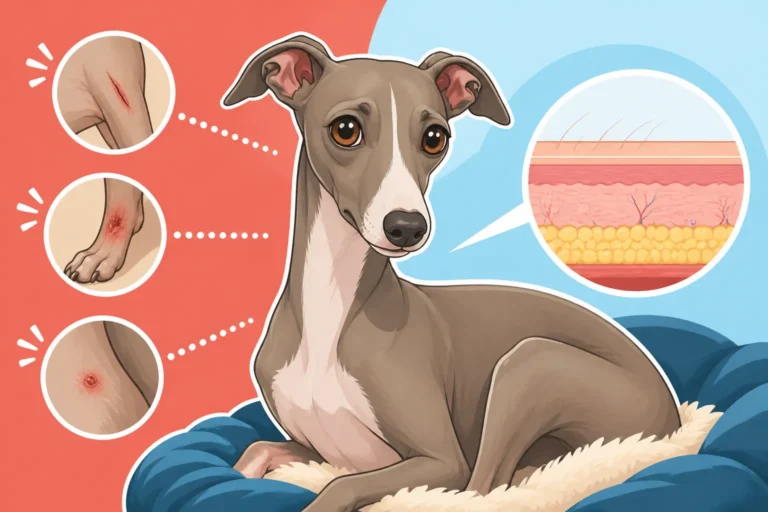
Think about your own skin. Now imagine walking barefoot on a surface that’s not only freezing cold but also coated in abrasive, drying chemicals. That’s essentially what we're asking our Italian Greyhounds to do on a salted sidewalk. Their paw pads, while designed for traction, don't have the thick, calloused protection you might find on a larger, heavier-boned breed. They lack the fatty insulation that helps many dogs withstand cold, and their skin is notoriously thin and prone to tearing, which extends to the skin between their paw pads. This means they feel temperature extremes much more acutely and are easily irritated by chemical exposure. When winter really sets in, and the temperatures drop, you'll notice your IG is shivering much more readily than other dogs, even indoors (see Why an Italian Greyhound Cannot Hold Its Own Heat). This same sensitivity applies to their feet, making outdoor excursions on treated surfaces a potential ordeal.
The Problem with Common De-Icing Agents
Not all de-icers are created equal, but almost all of them pose a risk to your Italian Greyhound. The most common culprit is rock salt, or sodium chloride, which you’ll find widely used on city streets and residential sidewalks. While effective at melting ice, it's highly corrosive and drying, drawing moisture from the environment – and from your dog’s delicate paw pads.
Beyond basic rock salt, many commercial de-icers contain a cocktail of chemicals like magnesium chloride, calcium chloride, and even urea. Some are advertised as "pet-safe," but even these can still cause irritation, especially if a dog has particularly sensitive skin or open micro-abrasions on their pads. These chemicals work by lowering the freezing point of water, but in doing so, they can also cause a chemical burn on unprotected skin, leading to redness, inflammation, and pain. It's a frustrating reality for owners who simply want to take their dog for a walk, only to discover their short stroll has left their IG limping and miserable.
Immediate Dangers and Long-Term Consequences of Salt Exposure
The moment your Italian Greyhound steps onto a salted surface, the clock starts ticking on potential harm. The dangers aren't just theoretical; they manifest quickly and can lead to both acute discomfort and more persistent issues if not addressed. It’s important to recognize these risks so you can take prompt, protective action.
Chemical Burns, Irritation, and Cracked Pads
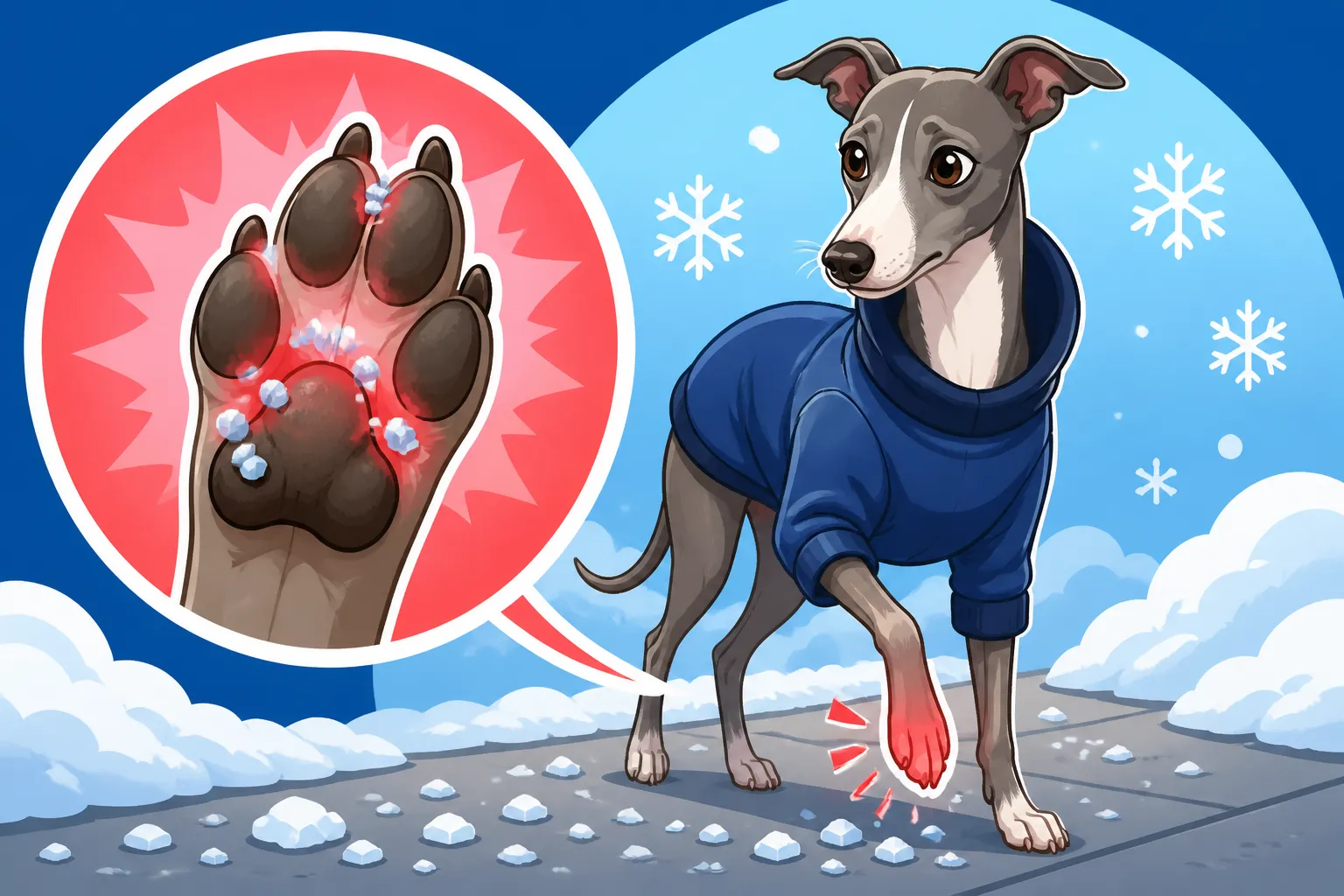
The most immediate and visible danger is the risk of chemical burns and severe irritation. Picture your Italian Greyhound taking a tentative step onto a sidewalk glittering with rock salt. The tiny, sharp crystals can lodge between their paw pads, and the chemicals begin to work their irritating magic. Many Italian Greyhounds will instinctively lift their paws, hop, or start limping almost immediately after encountering a heavily salted area. This isn't just them being dramatic; it’s a genuine response to pain and discomfort.
Over time, or with repeated exposure, these chemicals strip the natural oils from the paw pads, leading to extreme dryness and cracking. Imagine the discomfort of cracked heels, but on every single toe bean. Deep cracks can be incredibly painful, making walking difficult and opening the door to secondary bacterial infections. These micro-injuries can also make them more susceptible to other winter hazards, like frostbite, should they venture into extremely cold conditions without proper protection. Where an Italian Greyhound Gets Frostbite
The Hidden Risk of Ingestion
Beyond the direct impact on their paws, there’s another significant danger: ingestion. Italian Greyhounds are meticulous groomers. After a walk, especially one on a salty surface, it's completely natural for them to lick their paws to clean them. When they do this, they inevitably ingest whatever residue is clinging to their pads – including the salt and de-icing chemicals.
Ingesting these substances can lead to a range of gastrointestinal issues. At best, it might be mild stomach upset, characterized by drooling, vomiting, or diarrhea. In more severe cases, particularly with concentrated chemical ingestion, it could lead to electrolyte imbalances, kidney damage, or even toxicity. It's a silent threat that many owners don't consider until their otherwise healthy IG suddenly seems unwell after a winter walk. The amount of salt a tiny Italian Greyhound can safely ingest is far less than a larger breed, making them particularly vulnerable to this secondary form of exposure.
Here's a quick look at common de-icers and their potential impact:
| De-Icer Type | Primary Chemical | Risks to Italian Greyhounds | Severity of Risk |
|---|---|---|---|
| Rock Salt | Sodium Chloride | Chemical burns, dehydration of pads, ingestion (vomiting, diarrhea) | Moderate to High |
| Magnesium Chloride | Magnesium Chloride | Skin irritation, drying, ingestion (GI upset, neurological issues) | Moderate |
| Calcium Chloride | Calcium Chloride | Severe chemical burns, ulceration of pads, ingestion (severe GI) | High |
| Potassium Chloride | Potassium Chloride | Skin irritation, ingestion (GI upset, electrolyte imbalance) | Moderate |
| Urea (Fertilizer-based) | Urea | Mild irritation, ingestion (GI upset, potential toxicity) | Low to Moderate |
| Pet-Safe Glycols | Propylene Glycol | Generally less toxic, but still can cause mild GI upset if ingested | Low |
Practical Solutions for Protecting Those Delicate Paws
Knowing the risks is the first step; the next is arming yourself with effective strategies to protect your Italian Greyhound’s paws during the colder months. It’s not about avoiding walks entirely, but rather about being prepared and proactive.
Boots: A Physical Barrier
Dog boots are often the first line of defense many owners consider, and for good reason. They provide a physical barrier between your Italian Greyhound’s delicate paw pads and the harsh elements, including rock salt, ice, and cold pavement. However, finding boots that actually fit an Italian Greyhound's unique foot shape can be a challenge. Their long, slender legs and hare feet mean many standard dog boots are too bulky or simply slip off.
Look for boots specifically designed for sighthounds or those with adjustable straps that cinch snugly around the ankle without cutting off circulation. Brands available on platforms like Chewy or Amazon often carry a variety of styles, from simple rubber balloon-style booties to more robust fabric and sole constructions. Introduce boots gradually, starting with short periods indoors, and reward heavily to create a positive association. Your IG might do the "boot dance" at first, but with patience, most will adapt. Which Boots Stay On an Italian Greyhound It's important that the boots stay on, not just for protection, but also to prevent your IG from becoming frustrated or even injured by a poorly fitting boot.
Paw Balms and Waxes: A Protective Layer
If boots aren't an option or you need an extra layer of defense, paw balms and waxes are excellent. Products like Musher's Secret or other paw protective waxes, widely available through retailers like Amazon, create a semi-permeable barrier on the paw pads. This barrier helps to repel moisture and protects against drying and irritation from salt and chemicals.
Apply a generous layer to your Italian Greyhound’s paw pads and between their toes before heading out for a walk. These waxes are typically made from natural, non-toxic ingredients, so if your IG licks their paws after application, it’s generally not a concern. The key is consistent application; think of it like putting on hand cream for yourself before going out in the cold. It won't offer the same level of protection as a full boot in extreme conditions, but for quick potty breaks or lightly salted areas, it can make a significant difference in preventing dryness and chemical exposure.
Post-Walk Paw Care: Don't Skip This Step!
Even with boots or balms, post-walk paw care is absolutely non-negotiable, especially after a walk on salted sidewalks. This is where you remove any lingering chemicals and prevent your Italian Greyhound from ingesting them later.
Here's a simple, effective routine:
- Immediate Rinse: As soon as you come inside, lead your IG directly to an area where you can wash their feet. A small basin of lukewarm water, a dedicated dog foot-washer, or even a damp washcloth are all excellent tools.
- Thorough Wash: Gently but thoroughly wash each paw, paying close attention to the pads and the spaces between the toes. You don't need harsh soap; plain water is usually sufficient to rinse away salt and chemicals. If your IG has visible irritation, a very mild, pet-safe soap might be used, but rinse it completely.
- Pat Dry: Use a soft towel to thoroughly pat their paws dry. Moisture left between the toes can lead to skin irritation or fungal issues.
- Inspect: While drying, take a moment to inspect their paw pads for any signs of redness, cracking, cuts, or foreign objects (like salt crystals). Catching these issues early can prevent them from worsening.
- Moisturize (Optional but Recommended): After drying, if their pads feel dry or rough, apply a small amount of a hydrating paw balm or coconut oil (ensure it's pet-safe) to help restore moisture.
This routine only takes a few minutes but can save your Italian Greyhound from significant discomfort and potential health issues.
Proactive Steps and Choosing Safe Winter Gear
Beyond immediate protection, a comprehensive approach to winter paw care involves proactive measures and smart gear choices. It’s about creating an environment where your Italian Greyhound can comfortably navigate the colder months without constant worry over their delicate feet.
Planning Your Winter Walks
Sometimes, the best protection is prevention. When conditions are particularly harsh – heavy salting, extremely low temperatures, or icy patches – consider adjusting your walking routine.
- Choose Your Route Wisely: Opt for grassy areas, parks (if they aren't heavily treated with chemicals), or pathways you know are less prone to heavy salting. Avoiding the busiest sidewalks can significantly reduce exposure.
- Keep Walks Short: On days when sidewalks are heavily treated, limit outdoor time to quick potty breaks. Your Italian Greyhound will likely prefer to do their business quickly and get back to the warmth indoors anyway. How Long an Italian Greyhound Lasts Outdoors at Twenty Degrees
- Indoor Exercise: Supplement outdoor walks with indoor play to keep your IG active and mentally stimulated. Zoomies in the living room count!
Year-Round Paw Health
The strength and resilience of your Italian Greyhound's paw pads in winter are often a reflection of their year-round health. Regular paw care throughout the year can make them more robust against winter challenges.
- Regular Nail Trims: Keeping nails trimmed prevents them from pushing the paw pads apart, which can make them more susceptible to debris and chemicals getting lodged between toes.
- Moisturize Regularly: Just like human skin, paw pads benefit from regular moisturizing, especially if they tend to be dry. A light application of a pet-safe paw balm a few times a week can maintain their suppleness and prevent cracking, which becomes crucial when facing winter dryness. Why an Italian Greyhound's Feet Crack in Winter
- Check for Injuries: Always be vigilant for any cuts, scrapes, or minor injuries on their paw pads. Italian Greyhounds have very thin skin, and even a small cut can quickly become irritated or infected, especially when exposed to salt. Cuts, Scrapes and an Italian Greyhound's Paper Thin Skin
Selecting the Right Gear
When it comes to winter gear, think comfort, warmth, and protection.
- Boots: As mentioned, a good pair of boots is invaluable. When selecting, consider not just the fit but also the sole. A grippy, flexible sole will offer better traction on slippery surfaces. You might need to try a few different brands or styles to find the perfect match for your IG. Read reviews from other sighthound owners on platforms like Chewy or Amazon to see which brands have had success.
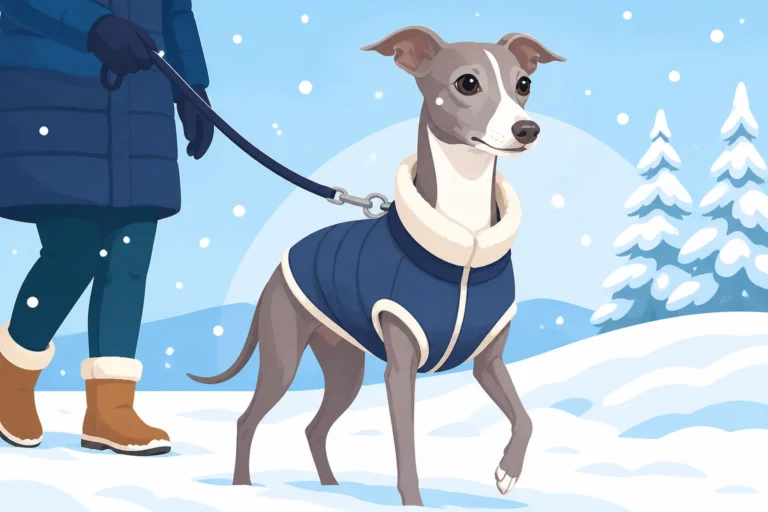
- Warm Coats/Sweaters: While not directly related to paw protection, keeping your Italian Greyhound warm overall contributes to their comfort during winter walks. A shivering dog is more likely to rush their outdoor time and may not pick their steps as carefully. Choose a well-fitting coat that covers their chest and belly for maximum warmth. Walking an Italian Greyhound in Snow
By combining protective measures with year-round care and smart choices, you can ensure your Italian Greyhound's delicate feet stay safe and comfortable, no matter how much salt ends up on the sidewalks.
Disclaimer
This article is for general informational purposes only and does not constitute professional advice. Laws, prices and regulations vary by location and change over time. Consult a qualified professional for guidance on your specific situation.