Where to Put Sunscreen on an Italian Greyhound
It’s a common misconception that because our Italian Greyhounds are house dogs, they’re safe from the sun's harsh rays. But anyone who’s spent a sunny afternoon watching their Iggy snooze in a sunbeam or scamper around the yard knows just how quickly their delicate skin can get burned. This guide will walk you through exactly where your Italian Greyhound is most vulnerable to sunburn and how to apply protective sunscreen to keep them safe and comfortable, preventing painful burns and long-term damage.
Why Sunscreen is a Must-Have for Italian Greyhounds
If you've ever felt the fine, silky fur of an Italian Greyhound, you know it's not exactly built for heavy-duty protection. Unlike double-coated breeds or even many short-haired dogs, Iggies have incredibly thin skin and a coat so sparse it often barely covers them. This combination makes them highly susceptible to sunburn, even on days you might not think are particularly sunny.
The Delicate Nature of Italian Greyhound Skin
Italian Greyhounds are sighthounds, bred for speed and agility, not for lounging in the snow. Their physical characteristics, including their fine bones and almost paper-thin skin, are part of their unique charm, but they also come with specific care requirements. Their skin is much more exposed to the elements than that of, say, a Labrador. There's not a thick undercoat or even a dense topcoat to act as a barrier against UV radiation. Think of it like a very fair-skinned person going out without protection – the sun hits differently when there's no natural shield.
Even a short stroll on a bright day can be enough to cause pink skin to turn red and irritated. It's not just about comfort; repeated sun exposure can lead to more serious health concerns down the line. Many Italian Greyhounds also have light-colored skin, especially those with fawn, cream, or blue coats, which makes them even more vulnerable. Even black Iggies can get burned on areas where the hair is thinnest or if their skin pigmentation is naturally lighter underneath their darker fur. It’s a year-round concern in many climates, not just during peak summer. You might also notice their skin tearing easily; for more on this, check out Cuts, Scrapes and an Italian Greyhound's Paper Thin Skin.
Understanding UV Exposure Risks
Just like with humans, prolonged or intense exposure to ultraviolet (UV) radiation can be detrimental to your Italian Greyhound’s health. Sunburns are painful in the short term, leading to tenderness, redness, and discomfort, which might make your usually cuddly Iggy irritable or reluctant to be touched. But the real concern extends beyond immediate discomfort. Chronic sun exposure can increase the risk of skin cancer in dogs, including squamous cell carcinoma and melanoma. These cancers can be aggressive and difficult to treat, making prevention absolutely critical.
Moreover, certain medications can increase photosensitivity, making your dog even more prone to burning. If your Italian Greyhound is on any long-term medication, it’s always a good idea to discuss sun exposure with your vet. We often think of UV damage in terms of lying out on a beach, but reflective surfaces like concrete, sand, or even snow can intensify UV exposure, increasing the risk even when the direct sun isn’t scorching. This is why vigilance and proactive protection are so important for our thin-skinned companions. How an Italian Greyhound Handles Summer Heat offers further advice on keeping them comfortable in warm weather.
Key Areas to Protect on Your Italian Greyhound
Knowing where to apply sunscreen is paramount because not all areas of an Italian Greyhound's body are equally vulnerable. Their unique build means certain spots get more direct sun exposure or have even less protective fur than others.
Ears, Nose, and Belly: Prime Targets for Sunburn
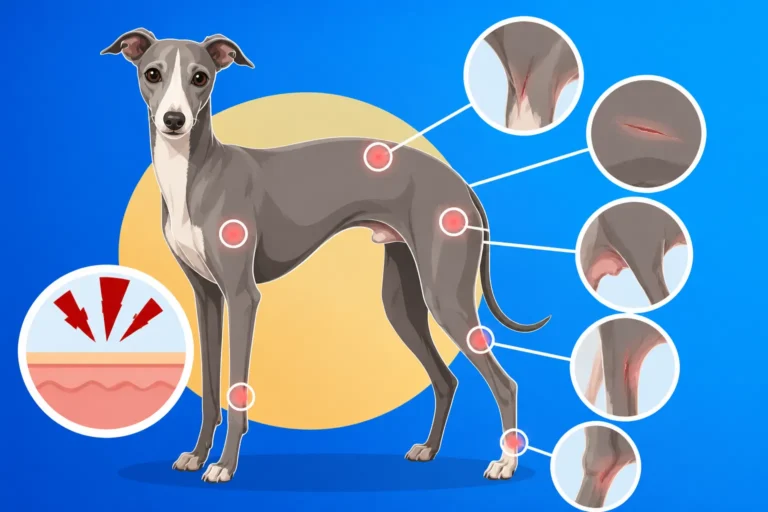
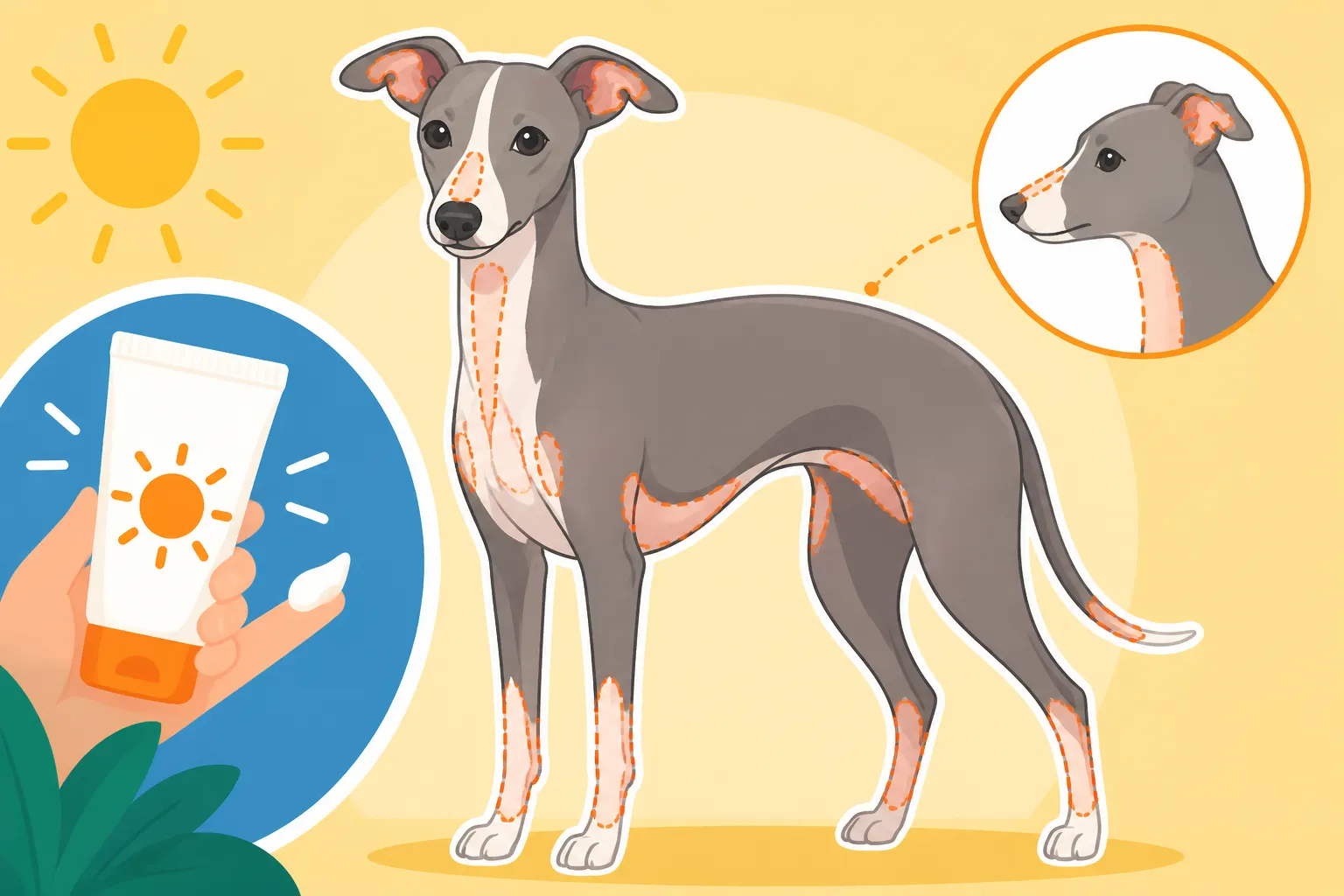
These are the absolute top priority areas. Your Italian Greyhound's ears are thin, often lightly pigmented, and have very little fur on the edges, making them prime candidates for burning. Just imagine how painful a burned ear tip would be! The bridge of their nose, particularly if it's pink or butterfly-patterned, is another high-risk area. They'll often push their nose into everything, or simply raise their head to sniff the air, exposing it directly to the sun.
The belly and inner thighs are also incredibly vulnerable. Think about how your Iggy loves to sprawl out on their back, soaking up the sun's warmth. That pale, fur-free skin on their tummy is completely unprotected. Even when they're simply walking, the low angle of the sun can hit their underside. Many Italian Greyhounds have very sparse fur on their chest and inner legs too, making these areas easily overlooked but equally susceptible to damage. Don't forget their armpits and groin area, especially if they enjoy sunbathing on their side.
Protecting Paws and Other Less Obvious Spots
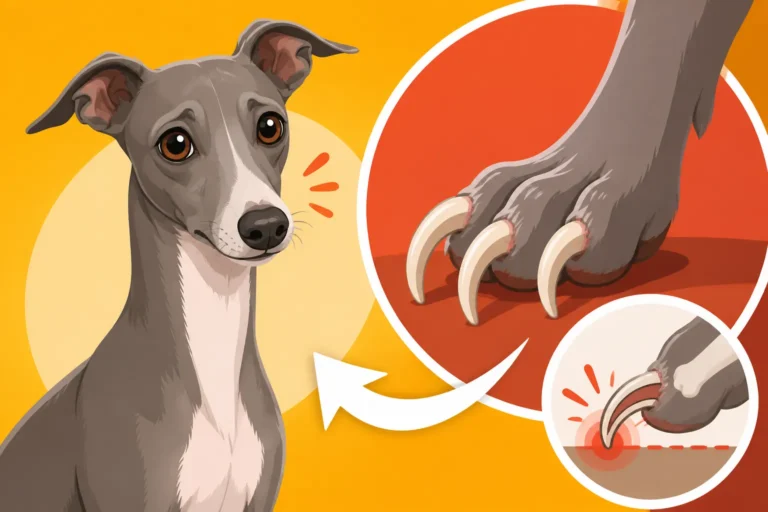
While less common, paw pads can also get sunburned, especially if your Italian Greyhound likes to lie down with their paws splayed out, exposing the tender skin between the pads. If they have light-colored paw pads, this risk increases. It’s not just about the heat of the pavement, which is a separate but equally important concern, but the direct UV exposure.
Other less obvious but critical areas include any spots where their fur is particularly thin or where they have scars. Old injury sites, areas where hair might not grow back as thickly, or even friction spots where harnesses rub, can become extra sensitive to the sun. For Iggies with lighter coats, even their topline, though covered, can sometimes thin out enough to allow UV penetration, especially after extensive grooming or if they have certain coat conditions. Remember to inspect your Italian Greyhound regularly for any areas that appear unusually pink or irritated, as these might indicate a need for more diligent sun protection. Consider also that Which Italian Greyhound Colors Sunburn Fastest will highlight certain coat colors needing extra vigilance.
Here's a quick guide to prime sunscreen application spots:
| Area to Protect | Why It's Vulnerable | Application Notes |
|---|---|---|
| Ear Tips and Edges | Thin skin, very sparse fur, often light pigmentation. | Gently rub a small amount into the tips and edges. |
| Bridge of Nose | Often pink or light-colored, direct sun exposure. | A thin layer on the top and sides of the muzzle, avoiding nostrils. |
| Belly and Groin | Large area of exposed, thin, pale skin, often targeted by sunbathing. | Apply generously while your Iggy is lying on their back. |
| Inner Thighs/Armpits | Similar to belly, minimal fur, exposed when lying or moving. | Don't forget these creases and folds. |
| Any Pink Skin Patches | Areas with less pigment are more susceptible to burning. | Inspect thoroughly and apply to any visible pink skin. |
| Scars or Thin Fur Spots | Damaged skin or very sparse fur offers little natural protection. | Treat these like open wounds; apply carefully and watch for irritation. |
| Paw Pads | Exposed when splayed out, especially light-colored pads. | Apply a thin layer, focusing on the tops and between the pads if they lie on their back. |
Choosing and Applying the Right Sunscreen for Your Italian Greyhound
Picking out sunscreen for your Italian Greyhound isn't quite as simple as grabbing any old tube from your bathroom cabinet. What's safe for humans can be harmful to dogs, especially given their tendency to lick themselves.
What to Look For in a Dog-Safe Sunscreen
First and foremost, never use human sunscreen on your Italian Greyhound without checking the ingredients carefully, or better yet, using a product specifically formulated for dogs. The biggest no-nos are zinc oxide and para-aminobenzoic acid (PABA). Zinc oxide is commonly found in human sunscreens and is toxic to dogs if ingested, which is almost guaranteed to happen when they lick their skin. PABA can also be irritating. Avoid anything with fragrances or artificial colors, as these can cause skin irritation or allergic reactions in sensitive Iggies.
Instead, look for sunscreens that are explicitly labeled "dog-safe" or "pet-safe." Many of these use titanium dioxide as the active ingredient, which is generally considered safer for dogs. Broad-spectrum protection is key, meaning it blocks both UVA and UVB rays. Water-resistant formulas are also a bonus if your Iggy is going to be playing near water or if you live in a humid climate where sweat might reduce effectiveness. You can find a good selection of pet-specific sunscreens on sites like Chewy or Amazon, often from brands dedicated to pet health. While I can't name specific products or guarantee their availability, reputable pet product manufacturers are your best bet. Always read the ingredient list thoroughly and check reviews, especially those from other Italian Greyhound owners.
Step-by-Step Application Guide
Once you have your dog-safe sunscreen, application is straightforward but requires a bit of patience and a gentle touch, especially with an Italian Greyhound's sensitive nature.
- Start Small and Positive: If your Iggy isn't used to being fussed over with lotions, introduce it slowly. Let them sniff the tube, offer a treat, and start with a very small dab on a non-sensitive area, like their back, before moving to more vulnerable spots. Make it a positive experience with praise and rewards.
- Focus on Key Areas: As discussed, prioritize the ear tips, bridge of the nose, and the entire belly/groin area. Don't forget those inner thighs and armpits.
- Rub In Thoroughly (but Gently): You want to ensure the sunscreen is absorbed into the skin, not just sitting on top, which could make it easier to lick off or rub away. Use gentle, circular motions. For very sparse areas, a light, even layer is usually sufficient.
- Allow to Dry: Give the sunscreen a few minutes to absorb and dry before letting your Italian Greyhound run around or interact with furniture. This reduces the chance of it rubbing off or being immediately licked. A distraction like a favorite chew toy (perhaps from Ollie) can help during this waiting period.
- Reapply as Needed: Sunscreen isn't a one-and-done application. If your Iggy is spending extended time outdoors, swimming, or running around vigorously, you’ll need to reapply every couple of hours, just like humans. Even on overcast days, UV rays can still penetrate, so don't let a cloudy sky fool you into skipping protection.
Beyond Sunscreen: Additional Sun Protection Strategies
While sunscreen is a vital tool, it's just one part of a comprehensive sun protection strategy for your Italian Greyhound. Their delicate skin and lean bodies require a multi-faceted approach to truly keep them safe.
Timing Walks and Seeking Shade
One of the simplest and most effective ways to protect your Italian Greyhound from sunburn and overheating is to adjust your outdoor routine. Avoid walking your Iggy during the peak sun hours, typically between 10 AM and 4 PM, when UV radiation is at its strongest. Early mornings or late evenings are not only cooler but also significantly reduce their exposure to intense sunlight. This also helps protect their paw pads from hot pavement, which can be an overlooked danger.
When you are outside, actively seek out shaded areas. Parks with plenty of trees, covered patios, or even walking on the shaded side of the street can make a huge difference. If you have a yard, ensure there's a shaded spot where your Italian Greyhound can retreat if they choose to be outside. A well-placed umbrella or a covered run can be a lifesaver. Even on seemingly mild days, the sun can be deceptively strong, especially for a dog with such minimal fur and thin skin.
Protective Clothing and Accessories
Sometimes, sunscreen just isn't enough, or your Iggy simply won't tolerate it on certain areas. That's where protective clothing comes in. Lightweight, breathable, UV-protective clothing designed for dogs can provide an excellent physical barrier against the sun. Think of long-sleeved rash guards or full-body suits made from sun-blocking fabrics. These can be particularly useful for their backs, bellies, and even parts of their legs. When choosing clothing, ensure it fits properly, allowing for full range of motion without chafing their delicate skin. You might find specialty items on websites like Amazon or Chewy that cater to sighthound builds, which often differ from other breeds.
In addition to clothing, consider dog-specific eyewear if your Italian Greyhound will be spending extended time in very bright conditions, like at the beach or in snowy environments where glare is intense. While not directly for sunburn, protecting their eyes from UV damage is another important aspect of their overall health. There are also wide-brimmed hats or visors designed for dogs, though many Iggies might not be keen on wearing them. The goal is to create as much of a physical barrier as possible between their sensitive skin and the sun's rays, allowing them to enjoy the outdoors safely. For more information on what to dress your Iggy in, especially during various weather conditions, see What an Italian Greyhound Wears in the Rain.
Disclaimer
This article is for general informational purposes only and does not constitute professional advice. Laws, prices and regulations vary by location and change over time. Consult a qualified professional for guidance on your specific situation.