Getting Weight Off an Overweight Italian Greyhound
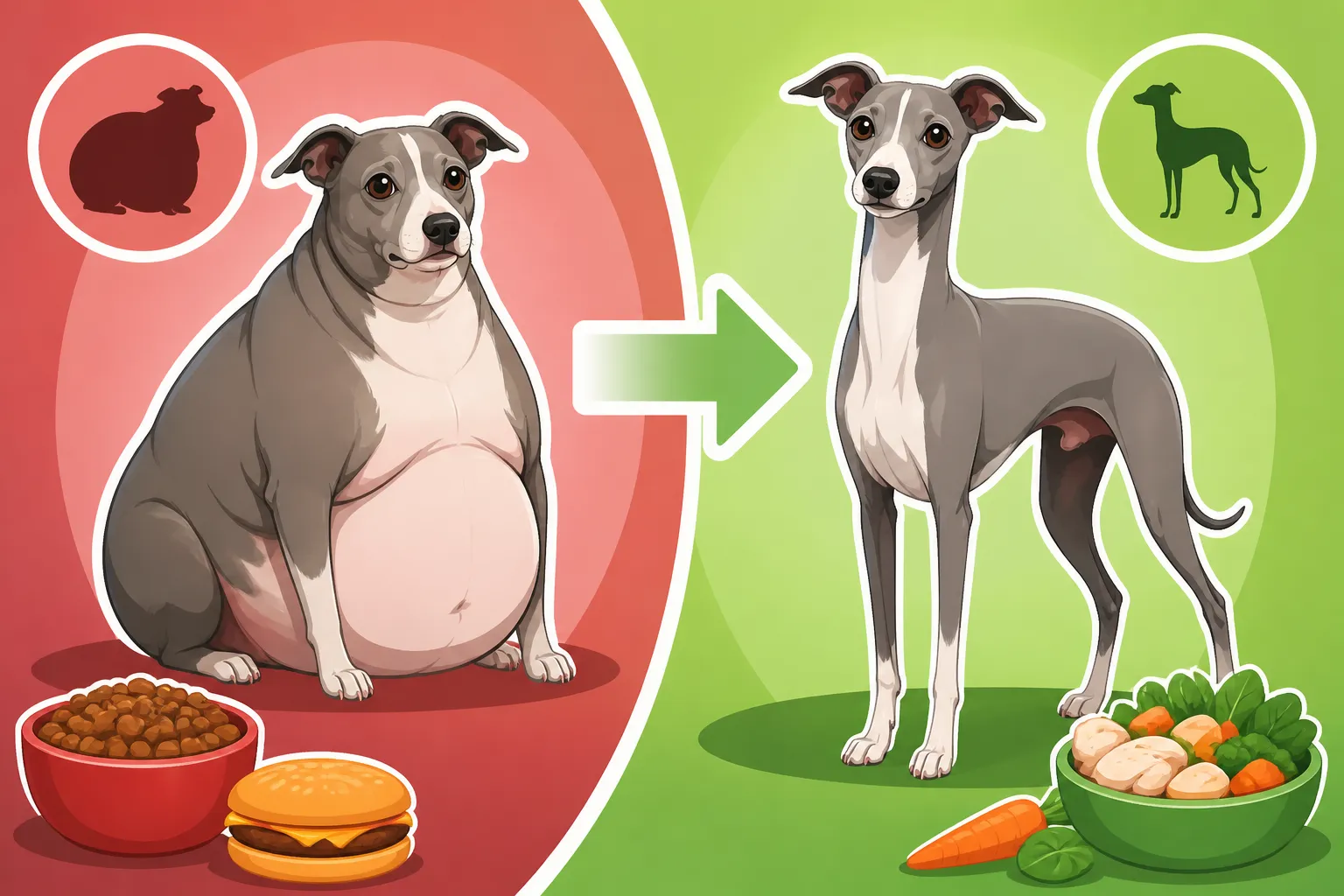
It's a common misconception that Italian Greyhounds can't get overweight. After all, they’re famously lean, built like tiny racehorses, and often seem to burn off calories just by existing! But the truth is, even our sleek Iggies can pack on a few extra pounds, and when they do, it's not just a matter of aesthetics. It brings a whole host of risks for their delicate bodies. This guide will walk you through how to recognize those subtle signs of weight gain and, more importantly, how to safely and effectively get your beloved Italian Greyhound back to their ideal, healthy weight.
Spotting the Extra Pounds: How to Tell if Your Italian Greyhound is Overweight
You might be looking at your Italian Greyhound thinking, "Overweight? Mine?" It's easy to overlook because they are naturally so slender. However, even a pound or two extra on such a small frame can make a significant difference. Unlike some breeds where a bit of extra padding might seem 'normal,' an Italian Greyhound’s entire structure is designed for lightness and agility. Any deviation from that ideal can impact their health and mobility.
The Rib Test and Body Condition Scoring
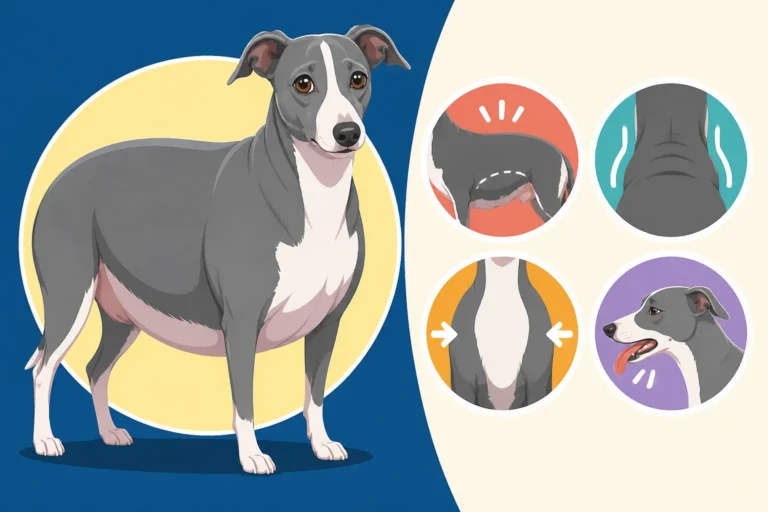
The most reliable way to determine if your Italian Greyhound is carrying too much weight is by performing the "rib test" and understanding body condition scoring. Ideally, you should be able to easily feel your Italian Greyhound's ribs without pressing too hard, and they should have a visible waistline when viewed from above. When you gently run your hands along their sides, you should feel each rib distinctively, almost like feeling the knuckles on your hand. If you have to press firmly to feel them, or if there's a soft, squishy layer over them, that's a red flag. You can also get a good sense of their physique by looking at them from the side; there should be a distinct tuck-up from their chest to their abdomen.
Veterinarians often use a Body Condition Score (BCS) system, typically on a scale of 1 to 9, with 1 being emaciated and 9 being morbidly obese. An ideal Italian Greyhound usually falls around a 4 or 5. A score of 6 or higher means they are overweight. It’s a tool that helps quantify what you’re feeling and seeing. Don’t be shy about asking your vet to demonstrate how to properly assess your dog's BCS during your next visit. Learning How to Feel an Italian Greyhound's Ribs is a foundational skill for every Iggy owner.
Beyond the ribs and waist, pay attention to their spine and hips. In a healthy Italian Greyhound, you should be able to feel the bony prominences of their spine and hips with minimal pressure. If these areas are covered by a thick layer of fat, or if their back appears flat or even slightly rounded rather than having that elegant, gentle curve, it's another sign of excess weight. Remember, Italian Greyhounds are supposed to be slender; a healthy one might look 'thin' to someone unfamiliar with the breed, but that's their natural, athletic build.
Behavioral Clues and Subtle Changes
Sometimes, the first signs of weight gain aren't visible, but behavioral. Has your usually spry Italian Greyhound been a little less enthusiastic about their zoomies? Are they tiring out faster on walks? Do they seem less keen to jump onto the sofa, or are they struggling a bit more with stairs? These subtle changes in activity level can often indicate that their body is working harder to carry extra weight. They might not complain directly, but their movements can tell a story.
Another behavioral clue might be an increased appetite or demanding nature around food. While many Iggies are food-motivated, an overweight one might seem constantly hungry or become very adept at counter-surfing (something they are already prone to doing!). You might notice them begging more frequently, or even trying to steal food more often. It’s also worth noting if their sleeping patterns have changed – are they more lethargic, sleeping deeper, or less prone to their usual bursts of energy throughout the day? All these little shifts can be indicators that their weight is impacting their overall vitality.
It's also important to consider if their favorite clothes are fitting a little tighter. Those adorable sweaters and coats that fit perfectly last season might be snug now, or even hard to fasten. This isn't just a sign that your Iggy needs a new wardrobe, but a gentle nudge that their body shape has changed. Remember, Clothing an Italian Greyhound Is a Real Budget Line, so keeping them at a healthy weight helps ensure their current garments still fit comfortably, besides being vital for their health.
The Hidden Dangers: Why Extra Weight is Especially Risky for Italian Greyhounds
For any dog, being overweight carries health risks, but for an Italian Greyhound, those risks are amplified due to their unique, delicate physical structure. They are bred for speed and agility, with fine bones and a lean physique. This means that even a small amount of extra weight can put disproportionate strain on their bodies, leading to serious health issues.
Increased Fracture Risk and Joint Strain
This is arguably the biggest concern for an overweight Italian Greyhound. Their long, slender leg bones, particularly the radius and ulna, are already prone to fractures, even at a healthy weight. When an Italian Greyhound carries extra weight, the stress on these delicate bones increases significantly. A jump off the sofa that might have been manageable before could now result in a catastrophic fracture because their bones are suddenly bearing more impact than they’re designed for. It’s a heartbreaking reality that many owners face. Why an Overweight Italian Greyhound Is at Fracture Risk is a topic that can't be stressed enough, and it's a direct consequence of their unique skeletal structure combined with excess weight.
Beyond fractures, extra weight also puts undue strain on their joints. While Italian Greyhounds aren't typically predisposed to hip or elbow dysplasia like some larger breeds, the added burden on their knees and ankles can accelerate the development of arthritis or exacerbate existing minor joint issues. Imagine carrying a backpack with extra bricks all day, every day – that's what even a pound or two feels like to your small Iggy. This can lead to chronic pain, reduced mobility, and a decreased quality of life as they age. They might become reluctant to play or even walk, further contributing to a cycle of weight gain and decreased activity.
Anesthesia Concerns and Other Health Implications
Another significant, often overlooked, risk for overweight Italian Greyhounds relates to anesthesia. Italian Greyhounds are already considered a unique challenge for veterinary anesthesia due to their low body fat, thin skin, and tendency to get cold easily. Why Anesthesia Is Handled Differently in an Italian Greyhound is a critical piece of knowledge for any owner. When an Italian Greyhound is overweight, these challenges are compounded. Fat tissue alters how anesthetic drugs are distributed and metabolized in the body, making it harder for vets to accurately dose medication and predict recovery times. They also lose heat more quickly on the operating table, and excess fat can interfere with breathing, especially if they need to be positioned for surgery.
Beyond surgical risks, carrying extra weight can contribute to a range of other health problems. Just like in humans, it can lead to conditions like diabetes, heart disease, and liver issues. Their organs have to work harder, and the accumulation of fat can lead to inflammation throughout the body. While Italian Greyhounds are generally a robust breed with a good lifespan, carrying excess weight will absolutely shorten it and reduce their overall vitality. It can also worsen respiratory issues, making them more prone to heat intolerance during warmer months and making simple breathing harder on their tiny frames.
Table: Body Condition Score (BCS) for Italian Greyhounds
Understanding your Italian Greyhound's Body Condition Score (BCS) is crucial for assessing their weight. This table provides a general guide.
| BCS | Description (Visual) | Description (Palpation) | Recommendation |
|---|---|---|---|
| 1-2 | Emaciated/Very Thin | Ribs, spine, pelvic bones easily visible and prominent. No fat covering. | Increase food, vet check |
| 3 | Underweight | Ribs, spine, pelvic bones easily palpable and visible. Minimal fat covering. | Increase food slightly |
| 4-5 | Ideal Weight | Ribs easily palpable without excess fat covering. Waist easily noted, abdominal tuck evident. | Maintain current diet |
| 6 | Overweight | Ribs palpable with slight excess fat covering. Waist discernable but not prominent. Abdominal tuck present. | Moderate calorie reduction |
| 7-9 | Obese/Severely Obese | Ribs difficult to palpate due to heavy fat covering. No waist or abdominal tuck. | Significant calorie reduction, vet supervision |
Crafting a Weight Loss Strategy: Diet and Exercise Tailored for Your Italian Greyhound
Once you've determined your Italian Greyhound needs to shed some pounds, it's time to put a plan into action. This isn't about crash dieting or extreme exercise, but a careful, measured approach that respects their delicate build and unique metabolism. The goal is sustainable weight loss that improves their overall health and longevity.
Re-evaluating Their Current Diet and Calorie Intake
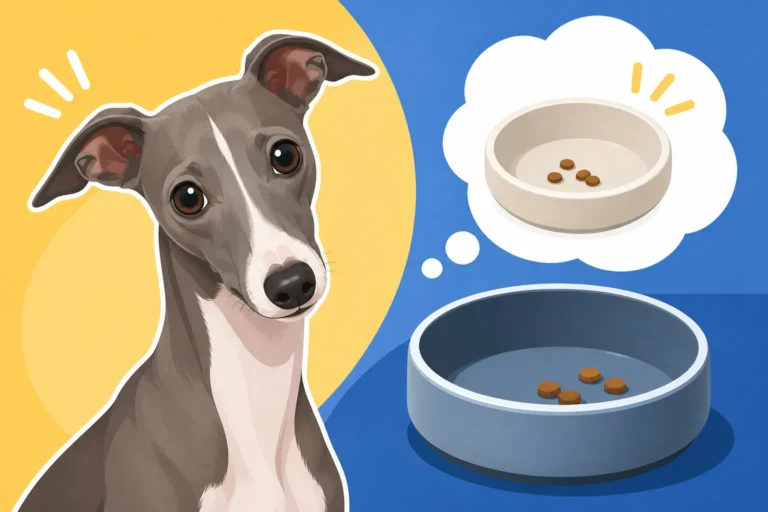
The first place to start is always their food bowl. Even if you're feeding a high-quality kibble, the portion size might be too generous, or the number of treats adding up. Italian Greyhounds are small dogs, and their caloric needs are surprisingly low. It's often underestimated how little How Much an Adult Italian Greyhound Eats compared to what we might think they need. Begin by accurately measuring their food. Don't just scoop; use a proper measuring cup or, even better, a kitchen scale for precision.
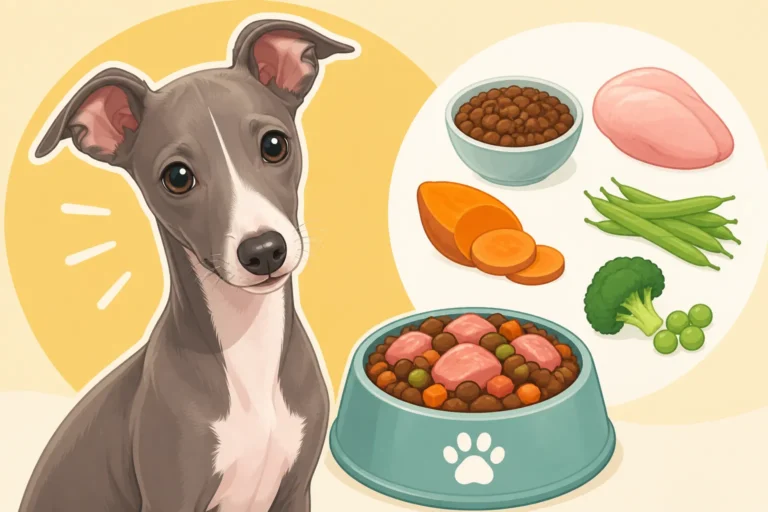
Consider switching to a lower-calorie, high-fiber dog food, or reducing the amount of their current food. If your Iggy is currently eating regular adult kibble, a "light" or "weight management" formula might be beneficial, as these often have fewer calories per cup while still providing essential nutrients and helping them feel fuller with the added fiber. Brands like Chewy often carry a wide range of these specialized diets. It's also worth double-checking if Whether an Italian Greyhound Needs Small Breed Kibble is part of your current feeding strategy, as these are often formulated with appropriate calorie densities.
Many owners find success with portioning out their Italian Greyhound’s daily food into two smaller meals rather than one large one. This can help manage hunger and metabolism throughout the day. If you're currently free-feeding, that absolutely needs to stop for a weight loss plan. Scheduled mealtimes help you control exactly how much they're eating. If your Italian Greyhound is accustomed to getting table scraps, that's another area where you'll need to be extremely disciplined. Those small bites add up quickly for a dog of their size, easily sabotaging even the most well-intentioned diet.
Safe and Effective Exercise for Delicate IGs
Exercise is crucial, but for an Italian Greyhound, it’s about quality and safety, not just quantity. Their delicate bones mean that high-impact activities or unsupervised rough play with larger dogs are always a risk, and even more so when they're carrying extra weight. Instead, focus on consistent, moderate exercise. Daily walks are your best friend here. Aim for two to three brisk walks a day, gradually increasing the duration as your Iggy builds stamina. For many Iggies, 20-30 minutes twice a day is a good starting point, but listen to your dog and increase slowly. How Far an Italian Greyhound Should Walk Daily will depend on their current fitness level and age.
Leashed walks are also important because Italian Greyhounds have a strong prey drive and absolutely cannot be trusted off-leash in unsecured areas. A secure, fenced yard where they can do short bursts of "zoomies" is fantastic for burning calories safely. However, if you don't have access to a yard, indoor playtime is perfectly acceptable. Games of fetch in a hallway, chasing a flirt pole, or even just encouraging them to follow you around the house can add up to meaningful activity. During colder months, when Exercising an Italian Greyhound Indoors in Winter becomes more frequent, get creative with playtime inside.
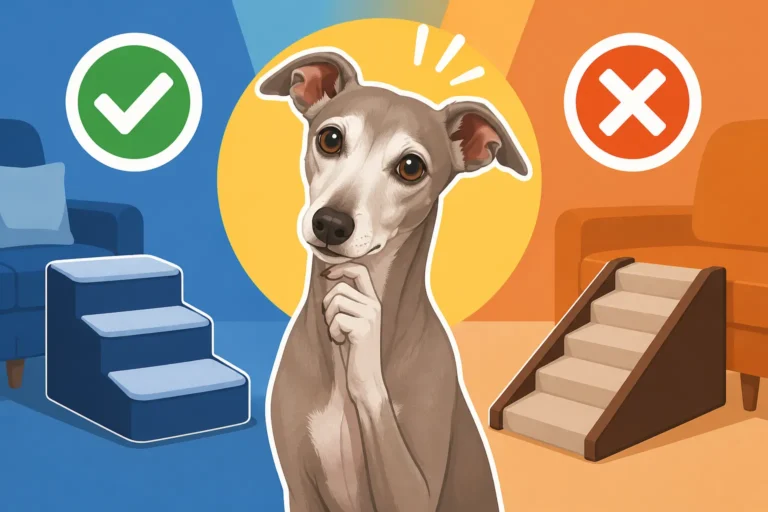
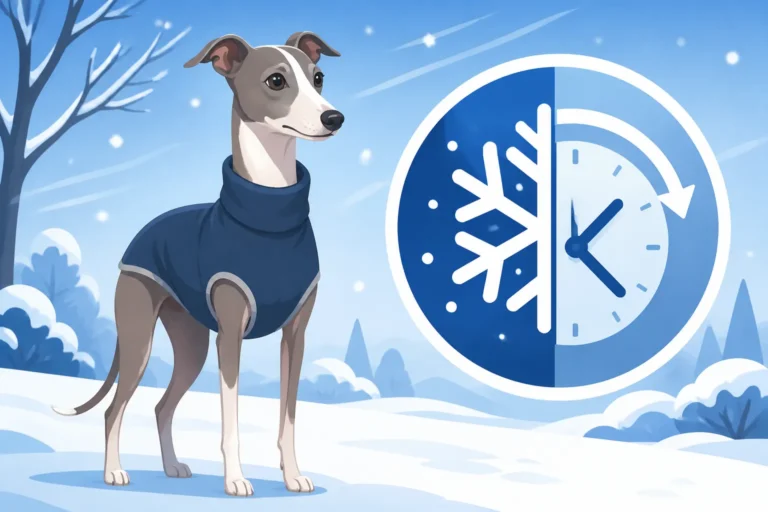
Consider introducing ramps or steps to furniture they regularly jump on and off. This isn't directly exercise, but it prevents sudden impacts that could lead to injury, especially with added weight. Gradually increasing activity will not only burn calories but also build lean muscle, which is beneficial for their overall metabolism and strength. Always ensure they are warm enough if exercising outdoors in cooler weather, as Italian Greyhounds are prone to shivering.
Implementing and Monitoring Your Italian Greyhound's Weight Loss Journey
Embarking on a weight loss journey with your Italian Greyhound is a marathon, not a sprint. It requires consistency, patience, and careful observation. Remember, the goal is long-term health, not just a quick fix.
Smart Snacking and Portion Control
Treats are often the silent calorie culprits. While it's hard to resist those adorable Iggy eyes, you need to be smart about snacking. Instead of calorie-dense biscuits, opt for low-calorie, healthy alternatives. Small pieces of plain, cooked chicken or turkey, green beans, carrots, or even blueberries can be fantastic training treats or rewards. Just make sure they are vet-approved and given in moderation. Remember that even healthy human foods contain calories, so they need to be factored into their daily intake.
Many people find success by pre-portioning their Italian Greyhound's entire day's worth of food in the morning, including any treats, and making sure not to exceed that amount. If you have multiple people in the household, everyone needs to be on the same page about food and treat distribution to prevent accidental overfeeding. Brands like Ollie offer fresh, pre-portioned meals that can take the guesswork out of calorie counting, making it easier to ensure your Iggy is getting exactly what they need without excess.
When giving treats, make them work for it! Use treats as rewards for short training sessions or for calm behavior. This adds a mental stimulation component that is also beneficial for your dog. For Iggies who are highly food-motivated, using a puzzle feeder or a KONG filled with a small amount of their daily kibble (rather than extra food) can extend mealtime and provide mental enrichment without adding calories. This addresses their natural inclination to scavenge and keeps them engaged.
Regular Check-Ins and Vet Partnerships
The most crucial aspect of any weight loss plan is regular monitoring and, most importantly, partnership with your veterinarian. Schedule regular weigh-ins at your vet's office – many clinics are happy for you to pop in just for a quick weigh. Aim for weekly or bi-weekly weigh-ins to track their progress. A healthy weight loss is gradual, typically 1-2% of their body weight per week. Rapid weight loss can be unhealthy and unsustainable. Your vet can also help you determine How Much an Italian Greyhound Should Weigh based on their individual build and frame.
Your veterinarian can also rule out any underlying medical conditions that might be contributing to weight gain, such as an underactive thyroid (hypothyroidism). They can provide guidance on the appropriate calorie reduction, recommend specific food brands or formulas, and adjust the plan if progress stalls. Don't hesitate to ask them for a precise daily calorie target, as this is often more accurate than just reducing the volume of food. They are your best resource to ensure your Italian Greyhound is losing weight safely and effectively.
Keeping a log of their food intake, exercise, and weight can be incredibly helpful. This allows you to see what's working and identify any patterns that might be hindering progress. If your Iggy isn't losing weight, or if they seem overly hungry or lethargic, it's time to revisit the plan with your vet. Websites like Amazon have a plethora of pet scales, though a simple visit to the vet's office is often the easiest route for consistent weight monitoring. Remember, patience is key. It took time for your Italian Greyhound to gain the weight, and it will take time for them to lose it safely.
Disclaimer
This article is for general informational purposes only and does not constitute professional advice. Laws, prices and regulations vary by location and change over time. Consult a qualified professional for guidance on your specific situation.