Which Bed Shape an Italian Greyhound Prefers
Italian Greyhounds are notoriously particular about their comfort, and finding the perfect spot for them to snooze is often a bigger quest than new owners anticipate. Their delicate bodies, thin skin, and inherent desire for warmth and security mean that just any old dog bed won't quite cut it. This guide will dive deep into the world of Italian Greyhound slumber, exploring why bed shape is such a critical consideration and helping you pick out a cozy haven that your little companion will truly adore.
Why Bed Shape Matters So Much for an Italian Greyhound
When you’re looking at a dog bed for an Italian Greyhound, you're not just buying a cushion; you’re investing in a piece of furniture that needs to cater to a very specific set of physiological and psychological needs. These aren't just quirks; they're essential factors for their well-being, influencing everything from their skeletal health to their emotional security.
Their Delicate Bone Structure and Need for Support
Italian Greyhounds, bless their hearts, are built like finely-tuned athletes but with a fragility that keeps us on our toes. Their bones are slender, their joints are small, and they carry very little body fat to cushion themselves. This isn't like a hefty Labrador who can flop down anywhere and be comfortable. An IG needs proper, thoughtful support, or they'll let you know about it through restless nights and uncomfortable days.
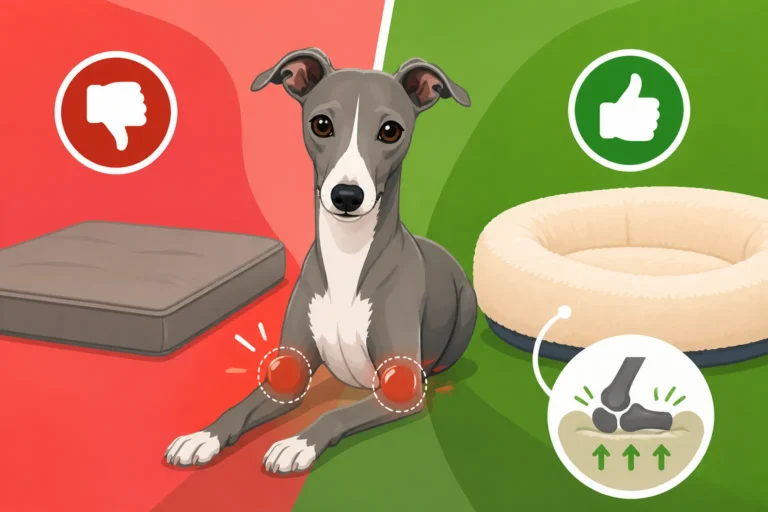
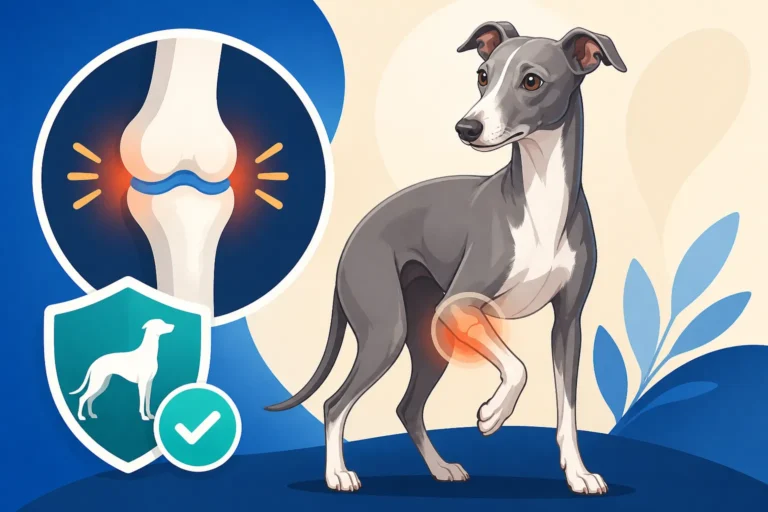
Imagine trying to sleep yourself on a thin blanket laid directly on a hardwood floor; it wouldn't be long before you felt every bump, every hard surface pressing into your hips, shoulders, and spine. For an Italian Greyhound, this feeling is magnified. Their prominent hip bones, elbows, and hocks are constantly under pressure if their bedding isn't up to par. Over time, inadequate cushioning can lead to painful pressure points, which can manifest as redness, thinning fur, and eventually, thick, unsightly calluses. In severe cases, these can even break down into open sores, requiring veterinary intervention. This is particularly true for older IGs or those recovering from injuries, whose bodies are even less forgiving. It’s why we often discuss Why an Italian Greyhound Gets Calluses on Its Elbows and how to prevent them. A well-designed bed is a frontline defense, protecting their delicate frame from the harsh realities of hard surfaces.
This is why we talk so much about The Bedding a Thin Skinned Italian Greyhound Actually Needs. You want something that molds to them without bottoming out, distributing their weight evenly across the surface. It’s not just about a soft top layer; it’s about resilient, supportive fill that springs back and cradles their unique physique. A bed that's too flat, too firm, or made with cheap, easily compressed polyfill can exacerbate existing joint issues or create new ones. They need that feeling of being gently held and supported, not just resting on a surface that quickly gives way. It's an investment in their long-term comfort and joint health, especially as they gracefully age, and a far cry from allowing them to sleep on a hard surface, which is why Whether an Italian Greyhound Should Sleep on a Hard Floor is generally not recommended.
The Instinct to Burrow and Feel Secure
If you've spent any time with an Italian Greyhound, you know they are champion burrowers. They don't just like to be under blankets; they need to be under blankets. It's an innate behavior, harking back to their sighthound ancestors who would dig dens for warmth and safety. This instinct translates directly into their profound preference for enclosed, secure sleeping spaces. They want to feel hidden, protected, and snuggled, tucked away from the world.
A flat mat, while sometimes useful for quick naps or sunbathing, rarely satisfies this deep-seated, primal need for enclosure. You might see an IG on a flat bed frantically circling, digging at the bedding, or even nudging blankets with their nose in a desperate attempt to create a more suitable nest. If they fail, they often give up, moving to a sofa cushion where they can wedge themselves in, or worse, abandoning the bed entirely for a spot that feels more protected. They want to be enveloped, to feel the fabric pressing gently against them from all sides, simulating the comforting pressure of a den.
Think about it from their perspective: they are small, vulnerable creatures in a big world, and even in the safety of your home, they can feel exposed. A cozy, enclosed bed simulates a den, a private retreat where they are safe from imaginary predators and the constant comings and goings of a human household. This psychological comfort is just as important as physical support for their overall well-being. When they feel truly safe and secure, they can deeply relax, leading to more restorative sleep and reducing overall stress. This is particularly crucial if your IG tends to be a bit anxious or prone to Signs an Italian Greyhound Has Separation Anxiety, as a personal sanctuary can be immensely soothing.
Temperature Regulation and Warmth
This is a really big one for our IGs, and often the primary reason owners seek specific bed types. Why an Italian Greyhound Cannot Hold Its Own Heat is a topic practically every owner becomes an expert on the moment winter arrives, or even when the AC kicks on. They have minimal body fat—often around 17% or less—and a very fine, single coat of fur that offers little insulation. This means they get cold very easily, even indoors at what humans consider a comfortable room temperature. A warm, well-insulated bed is not a luxury; it's a physiological necessity for their comfort and health.
A bed's shape can significantly impact its ability to retain heat. An open, flat bed allows body heat to dissipate quickly into the surrounding air, leaving your Italian Greyhound shivering and restless. They’ll shiver even when you feel perfectly warm, and a cold dog is an uncomfortable dog, leading to poor sleep quality and potentially even a weakened immune system over time. Conversely, a bed with high sides, a hooded cover, or one specifically designed for burrowing helps trap their precious body heat, creating a warm, self-regulated microclimate that acts like a personal, heated cocoon. This is precisely why you'll often find them attempting to dig into sofa cushions, pile up with other IGs, or seek out sunny spots on the floor.
This profound need for warmth also ties into why Why an Italian Greyhound Needs Blankets so often, even inside a bed. The combination of a well-shaped, insulating bed and a soft, lightweight blanket provides the ultimate cozy spot, allowing them to adjust their internal temperature by burrowing deeper or partially uncovering themselves. Which Blanket Weight Suits an Italian Greyhound is often a consideration, with lighter fleece or thin quilted options being popular. When they are truly warm, their muscles can relax, they can achieve that coveted deep, restorative sleep, and they are generally happier, less stressed, and more comfortable companions. It’s about creating an environment where their delicate internal thermostat doesn't have to work overtime just to stay comfortable.
Popular Bed Shapes and How They Suit an Italian Greyhound
With so many bed types on the market, it can feel overwhelming to choose. Let's break down the most popular shapes and how they stack up for the discerning Italian Greyhound.
Bolster Beds: The Argument for a Headrest
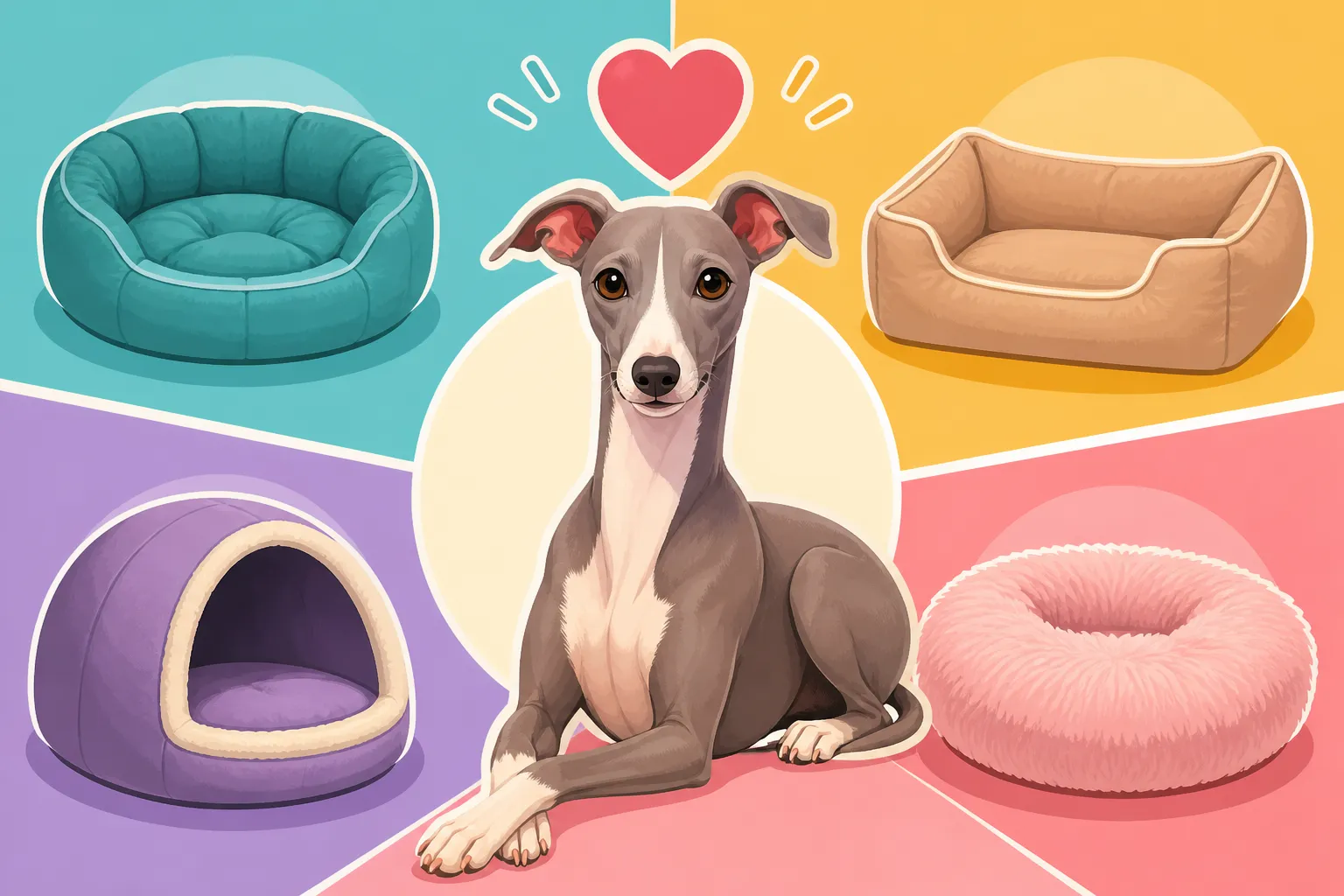
Bolster beds are incredibly popular for many breeds, and they can work quite well for Italian Greyhounds, especially those who like to stretch out a bit while still feeling supported. These beds typically have raised, padded sides around at least three edges, creating a cozy nook with a natural headrest. Think of it like a miniature sofa for your dog.
For an Italian Greyhound that enjoys resting its head on something firm, observing the room from a slightly elevated position, or curling up against a soft barrier, a bolster bed provides that perfect combination. The raised sides offer a sense of security without being fully enclosed, and they can lean into the bolsters for added warmth and a sense of containment. You'll often see them using the bolster as a plush pillow, which helps support their neck and spine, especially if they have a preference for laying with their head up. Many large online pet retailers, such as Chewy, offer a wide variety of bolster beds, making it easy to find one that fits your aesthetic and, more importantly, your IG's size and needs.
However, not all bolster beds are created equal, and this is where quality really makes a difference. Look for ones with dense, supportive bolsters that won't flatten quickly under pressure and a plush, orthopedic-grade bottom cushion that provides true support. A flimsy bolster bed with sparse fill might not provide the security or the necessary physical support your Italian Greyhound truly needs. Additionally, some IGs might still feel a bit too exposed in an open bolster bed if their burrowing instinct is exceptionally strong, leading them to pile blankets on top of themselves or seek out other hiding spots.
Donut and Round Beds: Curled-Up Comfort
Donut beds, also often called cuddle beds or calming beds, and other circular shapes are absolute winners for Italian Greyhounds who love to curl into a tight ball when they sleep. These beds are specifically designed to cradle their body, mimicking the natural curvature of a curled-up dog. The continuous raised rim provides a comforting boundary and a perfect spot to rest their chin, lean their back against, or simply feel the soft pressure from all sides.
The inherent beauty of a donut bed is how it truly envelops them. It creates a powerful sense of being hugged, which many Italian Greyhounds adore, fulfilling that deep-seated need for security and comfort. Plus, the round shape, combined with the raised sides, naturally helps to trap and retain warmth, which, as we know, is absolutely crucial for this thin-skinned breed. For Italian Greyhounds who prioritize curling up as tightly as possible and feeling utterly snug, these beds are often a consistent go-to choice, providing immediate satisfaction the moment they step in.
Just like with bolster beds, quality matters immensely here. The fill should be substantial enough to maintain the donut shape, preventing it from collapsing, and provide adequate cushioning in the center. If the middle section flattens too quickly, your IG might end up feeling the hard floor underneath, negating the bed’s purpose. Keep an eye out for beds from reputable brands available on Amazon that offer plush, yet supportive, options in this appealing, comforting style. Some newer designs even feature extra-long shag fur, which IGs often adore for its softness and ability to further trap warmth.
Cave and Snuggle Beds: The Ultimate Den
If your Italian Greyhound is a dedicated burrower, or if you constantly find them Why an Italian Greyhound Sleeps Under the Covers every night (and day!), then a cave or snuggle bed is likely to be their absolute dream come true. These beds take the concept of enclosure to the next level, offering a partially or fully covered sleeping area that acts exactly like a private, cozy den.
Typically featuring a soft, flexible hood or a more structured dome, these beds allow your Italian Greyhound to completely disappear from view, satisfying their profound instinct to hide, feel utterly secure, and be undisturbed. The fully enclosed space is also fantastic for trapping body heat, creating a warm, snug environment that is wonderful for keeping them wonderfully warm, which is essential given Why an Italian Greyhound Cannot Hold Its Own Heat. Many IGs will spend hours, if not all night, happily tucked away in their cave bed, emerging only when absolutely necessary. This is precisely what Whether a Snuggle Sack Suits an Italian Greyhound addresses, offering a deep dive into these types of beds.
There are various styles within the cave bed category: some have a semi-rigid opening that stays propped open for easy access, almost like a little doorway, while others are more like a plush sleeping bag where they actively burrow their way in. Consider your Italian Greyhound's preference for entry – a dog that likes to "dig" its way under blankets might prefer the latter, while a dog that wants to easily pop in and out might prefer a more structured opening. For deep sleepers, anxious dogs, and true den-lovers, a cave bed is often the unparalleled favorite, providing unmatched comfort and security.
Flat Pads and Mats: Simplicity for the Senior or Stretcher
While the majority of Italian Greyhounds seem to prefer the snugness and security of an enclosed or bolstered bed, flat pads or mats still have their place, especially for specific scenarios and individual preferences. These are essentially flat cushions, often made with high-density foam, without any raised sides, bolsters, or covers.
For an Italian Greyhound who is a dedicated stretcher, sprawling out completely rather than curling up into a ball, a large, flat orthopedic pad can be ideal. It allows them to fully extend their long, elegant limbs without being constrained or bumping into bolsters. Older IGs or those with arthritis or mobility issues might also benefit significantly from a flat, supportive surface that's easy to get onto and off of, without having to navigate high sides or burrow into a tight space. However, Whether an Old Italian Greyhound Needs a Warmer Bed still very much applies, so if you go this route, ensure the pad is very thick and consider pairing it with a self-warming blanket or a heated pad (always used safely) for added warmth.
However, the complete lack of enclosure means these beds don't provide the same profound sense of security or inherent warmth that many Italian Greyhounds crave. You'll almost certainly need to provide ample loose blankets for burrowing if you use a flat pad, or perhaps place it within a crate for a more den-like feel if your IG is comfortable with Crating an Italian Greyhound Overnight. The key with flat pads is investing in high-quality, dense orthopedic foam to truly protect those delicate joints from pressure points. While a brand like Ollie might be more known for their fresh dog food, the principle of premium, health-conscious materials applies across dog products, and for beds, it means durable, supportive foam that won't compress quickly.
Considering Your Italian Greyhound's Sleeping Habits and Personality
Beyond the general characteristics of the breed, your individual Italian Greyhound’s unique personality and specific sleeping habits are the best indicators of which bed shape will truly hit the mark. Observing them closely will give you invaluable clues.
The Curler vs. The Stretcher
Just like people, dogs have distinct sleeping styles. Observing how your Italian Greyhound naturally settles down for a nap or for the night can give you huge clues about their preferred bed shape. Do they meticulously spin three times, perhaps kicking up a bit of bedding, before tucking their nose under their tail, becoming a tight little cinnamon roll? That’s a classic curler, and they’ll likely adore a donut bed or a cave bed that perfectly accommodates their compact, curled form, making them feel secure and nested. These beds provide the exact contour they seek.
On the other hand, do they sprawl out like a starfish, belly up, legs akimbo, taking up as much space as possible, completely unconcerned with being contained? That’s a stretcher. For them, a large bolster bed or an expansive, thick flat mat might be significantly more comfortable, allowing them to fully extend without bumping into sides or feeling constricted. Some IGs are a fascinating mix, curling up initially for warmth and security but then stretching out as they get deeper into sleep. For these versatile sleepers, a large bolster bed might offer the best of both worlds – a place to lean and curl, with room to stretch out.
It's also important to remember that these habits can subtly change over time, especially as they age. A young, agile IG might be a dedicated curler, but an older one with some stiffness or arthritis might appreciate the ease of stretching out on a more open bed, as curling up can become uncomfortable. Pay close attention to their current preferences, and don't be afraid to adapt their sleeping arrangements as their needs and mobility evolve.
Anxiety and the Need for Security
Italian Greyhounds are often described as "Velcro dogs" for a reason; they thrive on closeness and can be particularly prone to anxiety, especially The Velcro Dog: What Constant Company Means With an Italian Greyhound. For these sensitive souls, the bed isn't just a place to sleep; it's a sanctuary, a safe haven from the perceived threats and uncertainties of the world. The design of their bed can significantly impact their stress levels and overall sense of calm.
For an anxious Italian Greyhound, a bed that offers a strong sense of security, like a deep cave bed or a deeply bolstered donut bed, can make a tremendous positive difference. The feeling of being completely enveloped and protected can soothe their nerves and help them relax more profoundly than an open bed ever could. This is particularly crucial during times of stress, such as thunderstorms, fireworks, or simply when they are left alone, even for short periods. The bed becomes their personal 'safe space,' a retreat where they feel they can truly let their guard down.
If your Italian Greyhound tends to pace, whine, tremble, or is generally restless before settling down, or if they struggle when you leave the house, a more enclosed bed might provide the calming comfort they desperately need. It gives them a sense of control over their immediate environment, a small, dark, and secure space that is entirely their own. This psychological benefit can’t be overstated for a breed so deeply bonded to their people, as it helps to reduce cortisol levels and promotes a healthier, happier state of mind.
Multi-Dog Households and Shared Spaces
In a household with multiple Italian Greyhounds, bed preferences can get even more interesting and often lead to adorable, if sometimes chaotic, scenes. IGs often love to pile up together, creating their own little warm "igloo" of dog bodies, a testament to their desire for contact and warmth. If you have several IGs, you might find they largely ignore individual beds in favor of snuggling together in one large, communal space, even if you’ve provided several options.
In this scenario, a large, open bolster bed or an extra-large flat orthopedic mat, generously supplied with blankets for burrowing, might actually be the most popular choice, as it allows for optimal piling and communal warmth. They will often choose warmth and proximity to their packmates over the 'perfect' individual bed shape. However, even within a pile, some might prefer to be the "burrower" at the bottom, seeking the most warmth and security, while others are the "cuddler" on top, enjoying the elevated view and the warmth of their siblings.
It's also worth noting that even in multi-dog homes, having individual bed options available, perhaps one cave bed for the dedicated burrower in the pack and a large bolster for the communal nappers, can ensure everyone has a preferred spot. This allows for both group snuggles and solitary retreats as needed. Observe their social dynamics; sometimes, the smallest or most anxious dog in the pack will consistently seek out the most enclosed bed as their personal, non-negotiable retreat, even if it means elbowing a sibling out of the way!
Making the Final Decision and Observing Your Italian Greyhound's Preferences
Choosing the perfect bed is an evolving process. What works today might be different tomorrow, and your Italian Greyhound will be the ultimate judge.
Trial and Error: It's Okay to Experiment
Let's be real: buying dog beds can sometimes feel like a game of chance. What one Italian Greyhound adores, another might completely ignore, preferring your clean laundry pile instead. Don't be discouraged if your first choice isn't a runaway success; it's perfectly okay and even expected to try a few different shapes and styles before finding "the one." Many reputable online retailers, including Chewy and Amazon, have generous return policies, which can make experimentation a little less painful on the wallet and allows you to test out various options.
Consider starting with a versatile option, like a quality donut or bolster bed, and diligently observe how your Italian Greyhound takes to it. If they consistently try to burrow under the edges, push blankets over themselves, or attempt to dig into the bed itself, then a more enclosed cave bed might be the next logical step. If, conversely, they seem to stretch out and appear too confined by bolsters, a larger, flatter orthopedic option could be better suited. Your Italian Greyhound's non-verbal feedback is the single most important data point in this journey!
It also helps to introduce a new bed in a low-pressure way. Place it in a quiet, familiar spot where they already like to nap. Drape one of their favorite blankets or even an old t-shirt that smells like you inside it to make it more appealing. Don't force them into it; let them explore and discover it on their own terms, at their own pace. Sometimes a little bit of encouragement, like placing a favorite treat inside, can help, but ultimately, patience and observation are key to letting them adopt it as their own.
Observing Your Dog's Body Language
Your Italian Greyhound can't tell you in words what they prefer, but their body language speaks volumes. When they are truly comfortable and content in a bed, you'll see deep, relaxed sleep: soft, even breathing, occasional happy sighs, gentle paw twitches as they dream, and possibly even soft snoring. They'll settle quickly, often with a little contented nest-making, and stay asleep for long periods without much tossing and turning. This is the goal – deep, restorative sleep.
Signs of discomfort or dissatisfaction, on the other hand, are quite noticeable once you know what to look for. These can include frequent repositioning, restless shifting, loud sighs, excessive "digging" at the bed in a futile attempt to create a more suitable nest, or ultimately, abandoning the bed altogether for a less ideal but seemingly more comfortable spot (like the back of your sofa, a laundry pile, or even the cold, hard floor). If they seem restless, wake up frequently, or change sleeping spots multiple times throughout the night, it might be a clear sign that the bed isn't quite right for their needs.
Also, pay close attention to where they choose to sleep when they are not in their designated bed. Are they always trying to squeeze behind a cushion, under a throw blanket, or into a tight corner? Are they consistently digging at blankets on the floor and trying to pull them over themselves? These instinctive behaviors are strong clues and can directly guide you towards a bed shape that better fulfills those deep-seated needs. A dog that likes to "hide" will almost certainly benefit from a cave bed; a dog that likes to stack itself vertically against a barrier might prefer a bed with sturdy, high bolsters.
Layering and Customization
Even the seemingly "perfect" bed shape can often be enhanced and made even better with a little clever customization and strategic layering. Remember, Italian Greyhounds absolutely love blankets. Regardless of the bed shape you choose, adding one or two soft, lightweight blankets for them to burrow under is almost always a good idea. This allows them to fine-tune their comfort and warmth levels throughout the day and night. For instance, Which Blanket Weight Suits an Italian Greyhound is a consideration; lighter fleece or thin quilted options are usually preferred so they don't feel too heavy.
For beds that might not offer enough inherent warmth on their own, like a simple flat pad, consider adding a heated bed insert (always check for safety, proper wattage, and appropriate temperature settings specifically designed for pets). For Italian Greyhounds who enjoy outdoor patio time, a self-warming mat can provide a bit of extra insulation against cooler surfaces. You can also experiment with different textures of bedding material; some IGs adore the cloud-like softness of faux fur, while others might prefer a smoother, more durable fleece or a crisp cotton.
Ultimately, creating the ideal sleeping environment for your Italian Greyhound is an ongoing and attentive process. It's about combining the right bed shape with appropriate layers, and constantly monitoring your Italian Greyhound's reactions and preferences. You might even find that your IG has a favorite bed for daytime naps (perhaps a snuggly cave bed) and another for nighttime sleeping (a large bolster bed on your bed!), or even one for summer (a cooler, flatter pad) and another for winter (a heated cave). Being flexible, observant, and deeply attentive to their subtle cues will ensure your delicate companion always has a perfect, cozy, and comfortable place to rest their head.
| Bed Shape | Ideal Sleeping Style | Key Benefits | Potential Drawbacks | Best for Italian Greyhounds Who… |
|---|---|---|---|---|
| Bolster Bed | Curls, stretches, leans | Head/neck support, moderate security, versatile | Can feel exposed for deep burrowers; bolsters can flatten | Like to lean, rest their head, observe, or stretch out moderately |
| Donut/Round Bed | Tight curler | High security, traps warmth, cuddly feel, sense of being hugged | Less room to stretch fully; center may flatten over time; can be tricky to clean | Love to curl into a tight ball, feel enveloped, and prioritize warmth |
| Cave/Snuggle Bed | Deep burrower, den seeker, anxious dog | Maximum security, excellent warmth retention, ultimate den experience | Can be harder to get into/out for some older/larger IGs; less visibility of dog | Strongly instinct to burrow, are anxious, get very cold, or prefer deep privacy |
| Flat Pad/Mat | Stretcher, senior, easy access | Easy access, orthopedic support, ample room to sprawl, portable | No inherent security or enclosure; less warmth without added blankets | Sprawl out, have mobility issues, or prefer a simple, supportive flat surface |
Disclaimer
This article is for general informational purposes only and does not constitute professional advice. Laws, prices and regulations vary by location and change over time. Consult a qualified professional for guidance on your specific situation.