Whether an Old Italian Greyhound Needs Softer Kibble
It's a common worry for Italian Greyhound owners, especially as our beloved little dogs start to show the signs of age: are they really eating enough? Are they comfortable? One of the biggest questions that comes up is whether their once-enthusiastic crunching of kibble has become a painful chore. This guide is dedicated to helping you understand if your senior Italian Greyhound truly needs softer kibble and how to make that transition smoothly if the time comes.
The Shifting Landscape of an Aging Italian Greyhound's Mouth
As Italian Greyhounds gracefully step into their golden years, typically around age 8 or 9, we start to notice changes that impact everything from their morning zoomies to their mealtime routine. One of the most significant, yet often underestimated, areas is their oral health. Our Iggies are notoriously prone to dental issues throughout their lives, and these problems only tend to compound with age. What might have been mild tartar buildup in their younger years can progress to severe periodontal disease, loose teeth, or even missing teeth as they get older.
Imagine trying to crunch a hard cracker when you have a toothache, or worse, several missing teeth. That's often the reality for older Iggies. Their delicate, long muzzles and tightly packed teeth make them prime candidates for Periodontal Disease Is the Italian Greyhound's Most Common Diagnosis, which means inflammation, infection, and potential loss of the structures supporting their teeth. Even with diligent home care and regular professional cleanings, the cumulative effect of a lifetime of chewing and plaque buildup can leave their mouths a lot more sensitive than they once were. You might not always see an obvious broken tooth or severe bleeding, but your dog's reluctance to eat their usual hard kibble, or taking a long time to do so, could be a subtle cry for help.
When an Italian Greyhound struggles with dental pain, it's not just about discomfort; it can lead to a reduced appetite, weight loss, and even systemic health issues if the infection spreads. The small size of their mouths, combined with their propensity for crowded teeth, creates tiny crevices where food particles and bacteria thrive, making them more susceptible to problems. It's a cruel irony that these elegant little dogs, who bring so much joy, often face such significant challenges with their teeth. Understanding that their oral landscape is probably not what it once was is the first step in deciding if a change in diet texture is necessary. How Common Dental Disease Is in an Italian Greyhound is a reality every owner needs to acknowledge.
When Softer Kibble Becomes a Necessity, Not Just a Preference
It’s easy to dismiss a senior dog’s slower eating as just a sign of age, but for an Italian Greyhound, it can very well be a direct indicator of pain or difficulty. So, how do you know when it’s truly time to switch to softer kibble? It moves beyond a mere preference when eating becomes genuinely challenging or painful.
Here are some key indicators:
- Difficulty Chewing: Your Ig might drop kibble from their mouth, chew on one side only, or take an unusually long time to finish a meal, even seeming to struggle with each bite. They might even approach their food bowl, sniff it, and then walk away, indicating discomfort rather than lack of hunger.
- Missing or Loose Teeth: This is perhaps the most obvious sign. If your Italian Greyhound has had multiple extractions over the years, or if you notice any wobbly teeth, hard kibble simply isn't going to be comfortable or efficient for them to eat. Imagine trying to eat a crunchy carrot with no front teeth – it's just not practical. How an Italian Greyhound Eats With No Teeth is something we need to prepare for as they age.
- Gum Sensitivity or Inflammation: Even with teeth intact, inflamed or receding gums can make chewing painful. If their gums look red, swollen, or bleed easily, every piece of hard kibble can feel like a sharp jab.
- Reduced Appetite or Weight Loss: If your Ig starts turning up their nose at food they once loved, or if you notice them losing weight despite being offered adequate calories, dental pain could be the culprit. They might be hungry, but the prospect of chewing is too daunting.
- Favoring Softer Treats: If your Italian Greyhound readily devours soft treats but hesitates with their regular kibble, it's a strong clue that texture is the issue.
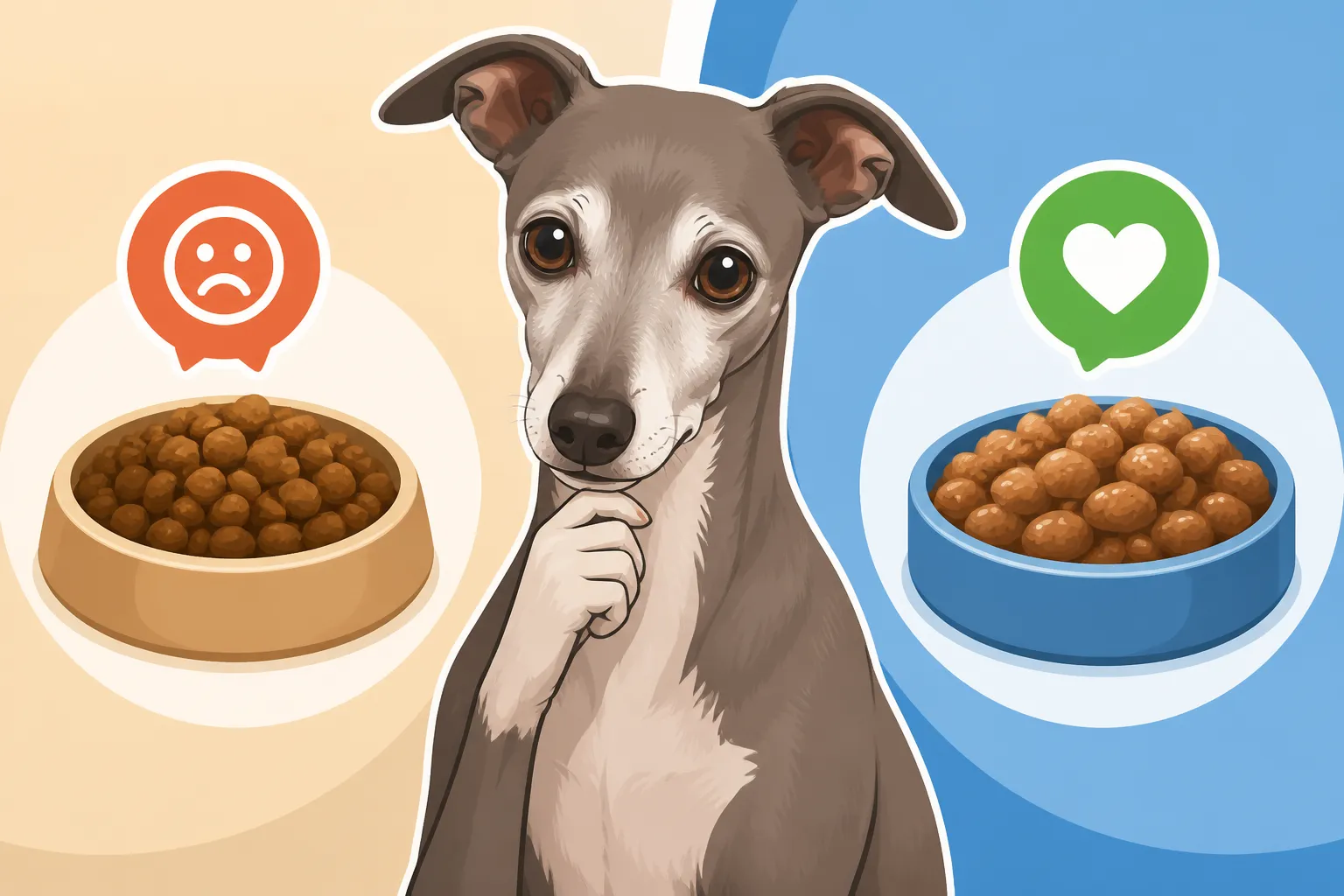
When these signs become apparent, transitioning to softer food isn't just a kindness; it's a necessity for their health and well-being. This doesn't necessarily mean a complete overhaul of their diet right away. Sometimes, simply moistening their existing kibble with warm water or low-sodium broth can make a huge difference. Let it sit for a few minutes until it softens, creating a more palatable texture. You can find excellent senior-specific kibbles designed to be more digestible and with smaller pieces on platforms like Chewy or Amazon. For those looking at a more significant change, there are also fresh dog food delivery services, such as Ollie, which provide gently cooked, softer meals that are highly palatable and easy to eat. Many of these formulations are specifically designed for sensitive stomachs and older dogs. This simple step can reignite their joy in eating and ensure they're getting the nutrition they need without unnecessary discomfort. For more detailed information on feeding senior Iggies, refer to Softer Food for an Old Italian Greyhound.
Beyond Softness: Other Nutritional Considerations for Senior Iggies
While the texture of their food is a primary concern for older Italian Greyhounds, it's really just one piece of a larger puzzle when it comes to their senior nutrition. As our Iggies age, their entire physiological system undergoes changes that demand a more tailored approach to their diet. It's not enough to just make the food softer; we need to think about what's in the food and how their bodies are processing it.
One of the most common changes is a slowdown in their metabolism. Just like us, older dogs often burn fewer calories, even if their activity level doesn't seem to drop drastically at first. This means their caloric needs might decrease, and feeding them the same amount of their adult kibble could lead to unhealthy weight gain, which puts additional strain on their joints. Conversely, some Iggies become incredibly finicky or develop health conditions that cause them to lose weight. It's a delicate balance. Therefore, a senior diet should generally be lower in calories but still packed with high-quality protein to help maintain muscle mass. Look for ingredients that support aging bodies, such as easily digestible carbohydrates and healthy fats.
Joint health is another critical area. A lifetime of running, jumping, and those occasional (and terrifying) tumbles can take a toll on an Italian Greyhound's joints. Many senior dog foods incorporate supplements like glucosamine and chondroitin, which are crucial for maintaining cartilage health and reducing inflammation. While these can be added as separate supplements, having them integrated into their daily diet ensures consistent intake. Omega-3 fatty acids, often derived from fish oil, are also excellent for their anti-inflammatory properties, benefiting not just joints but also skin and coat health, and even cognitive function.
Digestibility is key. An older Italian Greyhound's digestive system might not be as robust as it once was. Senior formulations often contain prebiotics and probiotics to support a healthy gut microbiome, which can improve nutrient absorption and reduce digestive upset. This is particularly important if you're transitioning to a new food or if your Ig already experiences occasional loose stools or constipation. Beyond the food itself, ensuring constant access to fresh water is paramount, especially if you're feeding dry kibble. Even if you soften it, adequate hydration is crucial for kidney health, which can become a concern in later years. Taking a holistic approach to their diet, considering both texture and nutritional content, is how we best support our Italian Greyhound through their senior years. Caring for an Italian Greyhound Past Eleven often involves these nuanced dietary adjustments. We need to remember that What Changes in an Old Italian Greyhound's Care extends to every aspect of their daily life, including their dinner bowl.
Making the Switch: Practical Tips and What to Watch For
Deciding to switch your senior Italian Greyhound to a softer kibble or a different food entirely is a big step, and it's one that should always be done thoughtfully and, ideally, with veterinary guidance. Your vet can rule out any underlying medical conditions that might be contributing to their eating difficulties and help you choose the most appropriate diet for your specific Ig's health profile.
Once you have a plan, the key to a successful transition is gradual introduction. Abruptly changing your dog's food can lead to stomach upset, including vomiting or diarrhea, which is the last thing you want for an older dog. Start by mixing a small amount of the new, softer food with their current kibble. Over the course of 7-10 days, slowly increase the proportion of the new food while decreasing the old.
Here's a general guideline for a gradual transition:
| Day | Old Food Percentage | New Food Percentage |
|---|---|---|
| 1-2 | 75% | 25% |
| 3-4 | 50% | 50% |
| 5-6 | 25% | 75% |
| 7+ | 0% | 100% |
During this transition period, keep a close eye on your Italian Greyhound. Monitor their appetite, stool consistency, energy levels, and overall demeanor. Are they eating more enthusiastically? Do they seem more comfortable? Is their stool firm and well-formed? If you notice any digestive upset, slow down the transition and give them more time at each stage. Some Iggies are more sensitive than others and might need an even slower introduction.
It’s also important to remember that switching to softer kibble doesn't negate the need for continued dental care. While it might alleviate immediate pain, it won't prevent future plaque and tartar buildup. Regular Brushing an Italian Greyhound's Teeth Every Day is still paramount, and scheduled veterinary dental check-ups, even if they involve extractions, remain a crucial part of their health routine. How Often an Italian Greyhound Needs a Dental Cleaning might increase as they get older, even with a softer diet, because some types of soft food can actually adhere to teeth more readily. Your vet can advise on suitable dental chews or supplements if appropriate, but these should never be a substitute for manual brushing.
Making this dietary adjustment can significantly improve your senior Italian Greyhound's quality of life, ensuring they continue to enjoy meal times and get the vital nutrients they need to thrive in their golden years.
Disclaimer
This article is for general informational purposes only and does not constitute professional advice. Laws, prices and regulations vary by location and change over time. Consult a qualified professional for guidance on your specific situation.