Whether the Italian Greyhound Was Ever a Hunting Dog
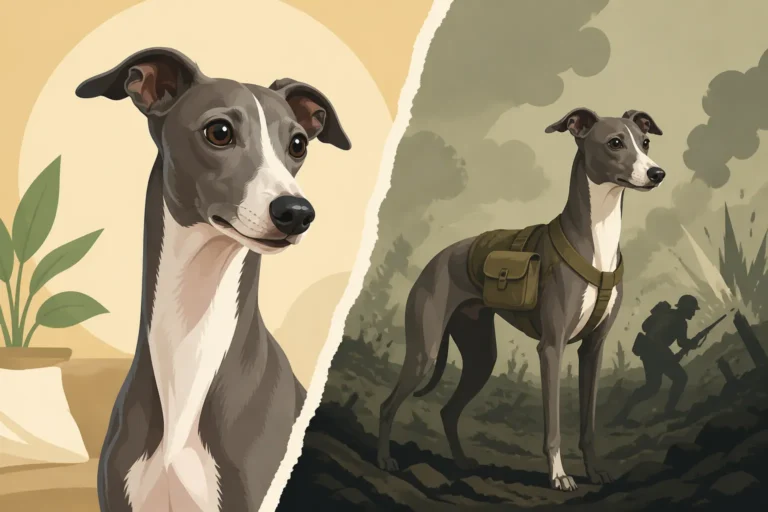
You see that graceful, almost impossibly delicate form, those long, elegant legs, and the way an Italian Greyhound can hit warp speed in a flash, and it's easy to assume they must have been formidable hunters in their past. Many people, understandably, look at their sighthound features and jump to the conclusion that these little speed demons once roamed fields in pursuit of prey. However, the true history of the Italian Greyhound tells a much different, and equally captivating, story. This guide will explore their ancient origins, their real purpose through the centuries, and why, despite their incredible athleticism, they were never truly bred as hunting dogs.
Unpacking the Italian Greyhound's Ancestry: Where Do They Really Come From?
It’s natural to connect the dots between "Greyhound" in their name and the image of a hunting dog, but the Italian Greyhound's lineage, while ancient, leans heavily towards companionship rather than the chase. Their story stretches back millennia, woven into the tapestries of noble houses and artistic masterpieces, far from the rough-and-tumble of the hunt.
Tracing Ancient Roots: Italian Greyhounds in History
The Italian Greyhound is a truly ancient breed, with evidence suggesting their presence in human society for thousands of years. We're talking about dogs that appear in artifacts and artworks from cultures as old as those in the Mediterranean basin. Imagine a dog like our modern Iggies depicted in the frescoes of Pompeii or unearthed from ancient burial sites. It’s believed their ancestors were small sighthounds from areas like modern-day Greece and Turkey, eventually making their way to Italy. These early canines were prized not for their prowess in hunting boar or deer, but for their beauty, grace, and affectionate nature. They were companions, often found gracing the laps of royalty and nobility. You can even find traces of them in artwork from the Renaissance, proudly displayed alongside their aristocratic owners, signifying wealth and refined taste. Their delicate structure and refined demeanor were admired, making them perfect symbols of status and elegance, a far cry from a rugged working dog. The Italian Greyhound Is Two Thousand Years Old is not just a catchy title; it reflects a deep, rich history that positions them firmly as a dog of leisure and luxury.
The Myth of the Miniature Hunter
The idea of the Italian Greyhound as a miniature hunting dog is a persistent myth, largely fueled by their striking resemblance to their larger sighthound cousins, like the actual Greyhound or the Whippet. However, selective breeding over centuries aimed to reduce their size, not to enhance their hunting capabilities. While all sighthounds possess a strong prey drive, the Italian Greyhound's size, bone structure, and delicate nature made them ill-suited for the demanding and often dangerous work of hunting live game. A dog weighing barely ten pounds, with fragile leg bones, simply wouldn't survive the rigors of chasing down rabbits or larger prey through dense underbrush or over rough terrain. Their purpose evolved to be solely ornamental and companionate. They were bred to be decorative, warm, living ornaments, ideal for warming laps in drafty castles or accompanying ladies on their strolls. The very traits that make them so beloved today – their petite size and gentle disposition – actively worked against any role as a hunter.
The Italian Greyhound's Original Purpose: A Companion, Not a Chaser
To truly understand the Italian Greyhound, we need to shift our perspective from the hunting fields to the opulent chambers of palaces and the cozy corners of noble homes. Their purpose was intimate companionship, offering comfort, charm, and beauty to their human families.
From Palace to Lap: A History of Companionship
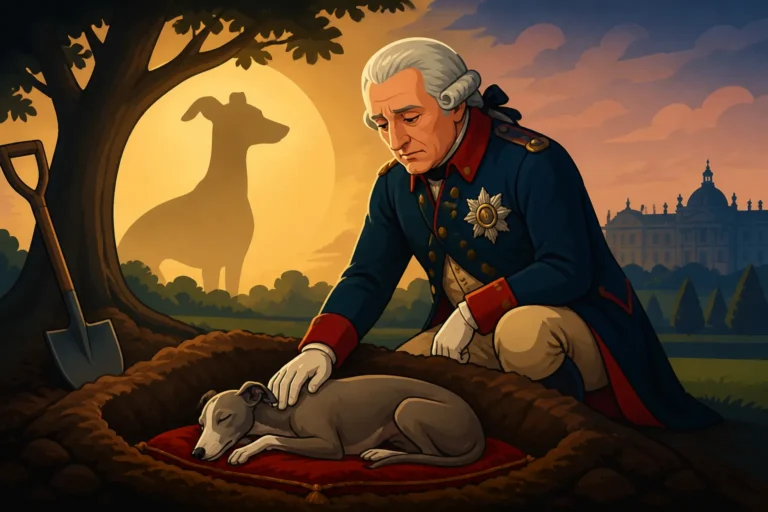
Throughout their long history, Italian Greyhounds have consistently been companions. They weren't bred to herd sheep, guard property, or retrieve fowl. Instead, they were cherished members of the household, often seen in the arms or at the feet of queens, kings, and other historical figures. Imagine Frederick the Great, a renowned philosopher and King of Prussia, so devoted to his Italian Greyhounds that he wished to be buried among them. This speaks volumes about their role: not as tools, but as beloved family members. Who Frederick the Great's Italian Greyhound Was gives a glimpse into the profound bond between these little dogs and their owners. Their delicate frames and desire for warmth made them perfect lap warmers, particularly in colder climates or less insulated homes of yesteryear. They were essentially living hot water bottles with an undeniable charm and grace. This close physical contact fostered an incredibly deep bond, shaping the breed's inherently affectionate and "Velcro" nature we see today. They excelled at being present, at being adored, and at returning that adoration tenfold. This is Why the Italian Greyhound Was Bred Purely for Company.
The Delicate Build: Not Suited for the Hunt
Let's be frank: an Italian Greyhound's physical attributes, while beautiful, are fundamentally unsuitable for sustained, vigorous hunting. Their slim bones, particularly the radius and ulna in their forelegs, are notoriously fragile, making them prone to fractures from even seemingly minor falls or missteps. A broken leg is the emergency every Italian Greyhound owner fears, and this fragility is a key indicator of their non-hunting past. Imagine a dog built like this trying to navigate treacherous terrain, jump over obstacles, or grapple with prey. It simply wouldn't end well, and it certainly wouldn't lead to a successful hunt. Their thin skin, which gives them that velvety feel, is also easily torn or scraped, another disadvantage for a hunting dog facing thorns and brambles.
Consider the energy expenditure required for hunting. While Italian Greyhounds are capable of incredible bursts of speed – they are sighthounds, after all – they lack the stamina for prolonged pursuit often needed in hunting. Their low body fat, while contributing to their sleek appearance, also means they get cold quickly and would struggle in harsh weather conditions typical of outdoor hunting environments. Why a Nine Pound Italian Greyhound Gets Cold on the Table highlights this delicate physiology that defines the breed and sets them apart from more robust hunting breeds.
Comparison of Italian Greyhound vs. Traditional Sighthounds
To really drive home the point, let's look at how Italian Greyhounds stack up against sighthounds historically used for hunting.
| Feature | Italian Greyhound | Greyhound / Whippet (Hunting Types) |
|---|---|---|
| Size/Weight | Small (typically 7-14 lbs) | Medium to Large (Greyhound: 60-70 lbs, Whippet: 25-45 lbs) |
| Bone Structure | Very delicate, prone to fractures, particularly leg bones | Stronger, more robust to withstand hunting impact and speed |
| Primary Purpose | Companionship, lap warmers, ornamental dogs | Coursing, racing, hunting small game (rabbits, hares, foxes) |
| Stamina | Bursts of speed, but limited endurance for long pursuits | High endurance for sustained chasing |
| Coat/Skin | Extremely thin skin, little body fat, susceptible to cold | Short, dense coat, more body fat for insulation, tougher skin |
| Temperament | Sensitive, affectionate, "Velcro" dogs, thrive on comfort | Often more independent, focused on prey, though still affectionate |
| Historical Role | Pet of nobility and royalty, symbol of status | Working dog for farmers and gentry, used for pest control and sport |
This table clearly illustrates that while they share the sighthound silhouette, the Italian Greyhound's specific development diverged significantly from that of a hunting animal. They were selectively bred for completely different qualities, emphasizing refinement and companionship above all else. How an Italian Greyhound Differs From a Greyhound explores this further.
Modern Italian Greyhounds and Their Instinctual Drives
Even without a history of active hunting, Italian Greyhounds still possess the deep-seated instincts of their sighthound heritage. These instincts don't disappear just because their ancestors traded the field for the palace. Understanding these drives is crucial for responsible Italian Greyhound ownership in the modern world.
The Prey Drive: A Vestige of Sighthound Heritage
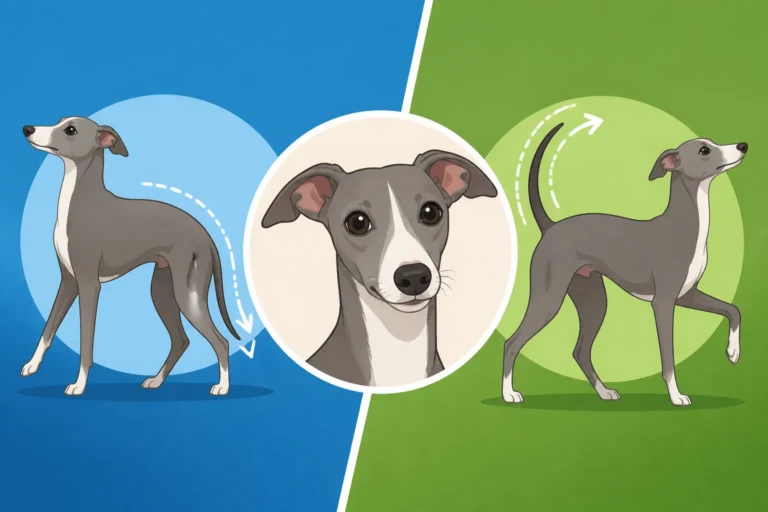
Despite never being working hunting dogs, Italian Greyhounds absolutely retain a powerful prey drive. This isn't something that can be bred out in a few generations; it's an intrinsic part of being a sighthound. When an Italian Greyhound sees something small and fast dart across their vision – a squirrel, a rabbit, even a blowing leaf – that instinct ignites, and they're off like a rocket. It's often referred to as "chase instinct," and it's incredibly strong. They don't think, they react. This is why How Strong an Italian Greyhound's Prey Drive Is is a critical piece of knowledge for any owner. This isn't about malice or disobedience; it's about an ancient, hardwired impulse taking over. Their eyes are exceptional for spotting movement, and their bodies are designed for acceleration, even if those fragile bones weren't meant for a rough-and-tumble catch. You'll see them fixate, their bodies coil, and then they'll launch with an almost unbelievable burst of speed.
This instinct can manifest in various ways, from intense focus on a bird outside the window to sudden lunges on the leash when a cat crosses their path. It's not a learned behavior; it's purely genetic. And because of their speed and single-minded focus when this drive kicks in, it's virtually impossible to call them back once they're truly committed to the chase. Their ears, quite literally, turn off when they are pursuing something.
What an Italian Greyhound Actually Chases Today
So, if they're not hunting for survival, what exactly do modern Italian Greyhounds chase? The answer is: anything small and fast that moves! In a typical suburban backyard, that often means squirrels, rabbits, or even neighborhood cats. Inside the home, it could be a dust bunny floating across the floor, a remote-control car, or even a toy flung during play. What an Italian Greyhound Chases is usually something small and darting.
For many Iggies, playtime involves channeling this prey drive into appropriate outlets. Think about how they play with toys – they love to "kill" squeaky toys, shaking them vigorously, mimicking the final moments of a hunt. They adore toys they can chase, especially those that unpredictably bounce or roll. Many owners find that a good game of fetch or a flirt pole (a wand with a lure attached) can satisfy this instinct beautifully and safely in a contained area. You might see them doing "zoomies" in the house or yard, running full-speed in circles, often as an expression of pure joy and energy, but also a release of that inherent need for speed and chase. The instinct is still there, but the "prey" has evolved from wild animals to approved toys and safe, enclosed spaces.
Why the Hunting Dog Misconception Persists
It's clear that Italian Greyhounds were not hunting dogs, but the confusion is understandable. Several factors contribute to this persistent misconception, stemming from their appearance and nomenclature.
Confusion with Larger Sighthound Relatives
One of the biggest reasons for the confusion is their name and their striking resemblance to larger sighthound breeds that were historically used for hunting. The Greyhound, for instance, is a quintessential hunting and racing dog, known for its incredible speed and efficiency in pursuing game. The Whippet, often called a "poor man's racehorse," also has a history of hunting small game. When people see an Italian Greyhound, they immediately notice the same elegant, aerodynamic build, the deep chest, the long legs, and the tucked abdomen – all hallmarks of a sighthound. It’s logical to assume that a "miniature Greyhound" would simply be a smaller version of a hunting dog.
However, as we’ve discussed, while they share a common ancestral root with other sighthounds, the Italian Greyhound's breeding path diverged significantly. The selective pressure was not on hunting ability or robustness, but on elegance, size reduction, and temperament suitable for a companion. This differentiation is key. Without this historical context, it's easy to lump all sighthounds together based on their shared physical characteristics and assume a common working purpose.
The "Greyhound" Name: A Source of Misunderstanding
The inclusion of "Greyhound" in their breed name is undoubtedly a major contributor to the misunderstanding. If they were called "Italian Mini Companions" or "Regal Italian Lapdogs," the confusion would likely be minimal. But "Italian Greyhound" immediately brings to mind images of fast dogs chasing game. The term "Greyhound" itself has ancient, somewhat debated origins, but it's universally associated with speed and sight-hunting.
The name likely came about due to their strong physical similarities to the larger Greyhounds rather than a shared working history. When they arrived in Italy, their elegance and form were recognized as akin to the sighthounds of the time, and their smaller stature was a mark of refinement. Over time, the name stuck, and it has perpetuated the idea that they must have served a similar function to their larger, more overtly "Greyhound" relatives. It’s a linguistic legacy that continues to baffle new Italian Greyhound owners who quickly learn their delicate dog isn't quite built for the rough-and-tumble life of a hunter, no matter how fast they can run across the living room carpet.
Managing Your Italian Greyhound's Natural Instincts Safely
Understanding that your Italian Greyhound has a strong prey drive, even without being a historical hunter, is paramount for their safety and your peace of mind. It means you need to be proactive in managing their environment and providing appropriate outlets.
Providing Safe Outlets for Their Drive
You can't extinguish a deeply ingrained instinct, but you can redirect it. Providing safe and enriching outlets for your Italian Greyhound's prey drive is key to their happiness and well-being. This often involves structured play and activities that mimic the chase in a controlled manner.
- Flirt Poles: These are fantastic! A flirt pole is essentially a long pole with a rope and a lure (often a toy or piece of fabric) attached to the end. You can swing it around, making the lure dart and weave, triggering your IG's chase instinct. This allows them to run, jump, and "catch" their "prey" in a safe, enclosed space like your backyard. It's great exercise and mental stimulation. You can find excellent quality flirt poles on platforms like Chewy, ensuring they are durable enough for vigorous play.
- Supervised Off-Leash Play in Secure Areas: If you have access to a fully fenced, escape-proof area, allowing your Italian Greyhound to run at top speed is vital for their physical and mental health. This could be a private dog park rental, a friend's securely fenced yard, or a sighthound-specific meet-up. Remember, "escape-proof" means no gaps they can squeeze under, no fences they can jump (yes, they can be surprisingly high jumpers!), and secure gates. Where an Italian Greyhound Can Run Safely is often a harder question than owners initially think.
- Interactive Toys: Puzzle toys, treat-dispensing toys, and strong chew toys can also help engage their minds and satisfy some of that instinctual need to "work" for something. Toys that squeak or crinkle can be particularly satisfying, as they simulate the sounds of prey.
Remember, consistent engagement with appropriate toys and play helps to prevent boredom and reduces the likelihood of them seeking out inappropriate "prey" or becoming destructive indoors.
The Importance of a Secure Environment
This really cannot be stressed enough: an Italian Greyhound should never, ever be trusted off leash in an unfenced or unsecured area. Their prey drive, combined with their incredible speed and tendency to fixate, means they will be gone in a flash, oblivious to your calls, if they spot something interesting. Why an Italian Greyhound Cannot Be Trusted Off Leash, Ever is a truth that every owner must accept for their dog's safety.
Creating a secure environment means:
- High Fences: A standard 4-foot fence might not be enough for a determined Italian Greyhound, especially if there's a tempting squirrel on the other side. Many Iggie owners opt for 6-foot fences or ensure there are no easy climbing points.
- No Gaps: These dogs are masters of finding the smallest gaps. Regularly check your fence line for any holes they could squeeze through or dig under.
- Secure Doors: They can be incredibly fast to "bolt" out an open door. Training them to "wait" at the door is crucial, and always being mindful of their presence when opening external doors.
- Leash Walking: On walks, always use a secure harness – not just a collar – because their narrow heads mean they can easily slip out of a traditional collar. A martingale collar or a properly fitted sighthound harness provides better security.
- GPS Trackers: For extra peace of mind, especially if you live near busy roads or areas with wildlife, a GPS tracker is an excellent investment. Should the unthinkable happen and your IG gets loose, it can be a lifesaver. You can find various options for these on sites like Chewy.
Understanding their vulnerabilities and instincts means taking every precaution to ensure their safety. It's not about stifling their natural drives, but ensuring those drives are expressed in ways that keep them out of harm's way.
Italian Greyhounds in Performance Sports: Beyond the Hunt
While not hunting dogs, Italian Greyhounds are incredibly athletic and excel in certain canine sports. These activities provide fantastic mental and physical stimulation, channeling their natural sighthound abilities in safe and structured environments.
Lure Coursing: A Modern Twist on Ancient Instincts
Lure coursing is perhaps the most natural fit for an Italian Greyhound, as it directly taps into their sighthound instincts in a safe, controlled way. In lure coursing, dogs chase a mechanically operated "lure" (typically a plastic bag or strip of fabric) that zips across a field, mimicking the unpredictable darting movements of live prey. The course is designed with turns and straightaways, allowing the dogs to stretch out and run at full speed, using their keen eyesight and incredible acceleration.
For an Italian Greyhound, lure coursing is pure joy. It's a legal, ethical, and safe way for them to fulfill that deep-seated desire to chase without any risk to small animals or themselves. They get to use their inherent speed and agility, often displaying breathtaking turns and bursts of energy. It's incredible to watch these little dogs, so delicate indoors, transform into powerful, focused athletes on the field. Lure Coursing and Racing With an Italian Greyhound is a popular avenue for many owners who want to see their Iggies truly shine. The satisfaction they get from the chase, even if it's just a plastic bag, is palpable, and it leaves them happy and tired.
Why Agility Is a Different Game Entirely
While Italian Greyhounds are certainly agile, competing in agility sports presents a slightly different challenge and requires careful consideration for this particular breed. Agility involves dogs navigating an obstacle course, including jumps, tunnels, weave poles, and contact obstacles like A-frames and dog walks.
The concern with Italian Greyhounds in agility primarily revolves around their delicate bone structure. The impact of repeated jumps, especially higher ones, and the sudden twists and turns required on an agility course can put undue stress on their fragile legs. Many Italian Greyhound owners and breeders are cautious about high-impact agility for this reason, fearing the risk of fracture. While some Iggies do participate successfully, often at lower jump heights and with careful conditioning, it's not universally recommended without a clear understanding of the risks.
Instead of traditional agility, activities like "fun runs" or "gamblers" courses (which focus more on strategy and less on high-impact jumping) can be a better fit. Nose work or scent work is another fantastic option for Italian Greyhounds. While sighthounds are primarily sight-driven, they also have excellent noses, and these activities engage their minds and natural seeking behaviors in a way that is entirely safe for their physical structure. These alternatives allow them to exercise their intelligence and instincts without the inherent risks of more physically demanding sports.
Disclaimer
This article is for general informational purposes only and does not constitute professional advice. Laws, prices and regulations vary by location and change over time. Consult a qualified professional for guidance on your specific situation.