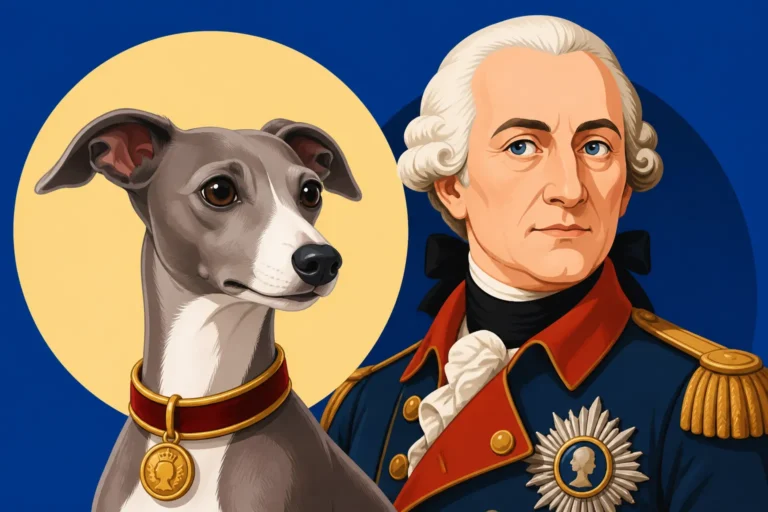
Why Brindle Disqualifies an Italian Greyhound
It can be incredibly confusing and even a little frustrating when you see an Italian Greyhound with gorgeous brindle markings, yet you know they aren't considered "correct" in the show ring. Many prospective owners fall in love with these unique patterns, only to learn that such a dog would be disqualified from conformation events. This guide aims to clear up that confusion, explaining why brindle is a disqualifying color for Italian Greyhounds and what that means for both breeders and pet owners.
Understanding the Italian Greyhound Breed Standard
When you’re looking at purebred dogs, the concept of a "breed standard" is absolutely central to how a breed is defined, maintained, and judged. It's not just some arbitrary rulebook; it’s the blueprint.
The Importance of a Breed Standard
Think of a breed standard as the official description of the ideal Italian Greyhound, meticulously crafted by the breed's parent club—in the United States, that's the Italian Greyhound Club of America (IGCA) working with the American Kennel Club (AKC). This document covers everything from physical appearance, like height, weight, and coat color, to gait, temperament, and even general health characteristics. Its purpose is multifaceted: it serves as a guide for breeders to maintain the distinctive traits of the breed, a tool for judges to evaluate dogs in conformation shows, and a comprehensive resource for anyone interested in understanding what an Italian Greyhound "should" be.
The standard helps preserve the breed's unique type, ensuring that an Italian Greyhound from California still looks and behaves recognizably like one from New York, or even Italy. Without these agreed-upon guidelines, breeds could quickly diverge, losing the very characteristics that make them special. It's about consistency and preserving generations of careful breeding decisions. For example, the specific elegant arch of an Italian Greyhound's back and its delicate bone structure are hallmarks of the breed, carefully described and upheld by the standard.
What the Italian Greyhound Standard Says About Color
Now, let's get to the crux of the matter: color. The Italian Greyhound breed standard is quite specific when it comes to acceptable coat colors. Generally, most solid colors and combinations are accepted, as long as they aren't patterned in a specific way. For instance, you’ll see beautiful solid reds, creams, blacks, blues, and fawn Italian Greyhounds, as well as those with white markings or patches. These are all perfectly acceptable and celebrated within the breed.
However, the standard explicitly lists certain colors and patterns as disqualifications. Brindle is one of the most prominent of these. This means that if an Italian Greyhound exhibits brindle markings, no matter how otherwise perfect its structure or temperament, it cannot compete in AKC conformation events. Similarly, black and tan markings are also listed as disqualifications. While a dog with a disqualifying color is still 100% an Italian Greyhound and can be registered, it cannot earn championship points in the show ring. The standard is a crucial guide for Which Colors an Italian Greyhound Comes In.
It’s important to note that many other sighthound breeds, like Greyhounds or Whippets, do accept brindle as a standard color. This can add to the confusion for people who are generally familiar with sighthounds but new to the nuances of the Italian Greyhound. For our beloved Iggies, the expectation is a smooth, even color, or distinct patches, without the striped pattern characteristic of brindle. This isn't a judgment on the dog's beauty or value as a companion, but a strict adherence to what the breed's stewards have defined as correct for conformation.
The Genetic Reality Behind Brindle Markings
To truly understand why brindle is a disqualification, we need to dip our toes into the fascinating, albeit sometimes complex, world of canine genetics. It's all about what genes an Italian Greyhound carries and expresses.
The Role of the K Locus in Brindle Expression
In canine coat color genetics, there are several "loci" or specific locations on a chromosome where genes for color are found. One of the most important for patterns like brindle is the K locus. This locus has three main alleles (versions of a gene):
- K (dominant black): This allele produces solid black and other solid colors (like blue or chocolate) by preventing the expression of red/fawn pigment.
- kbr (brindle): This is the allele responsible for brindle patterns. When a dog inherits one or two copies of kbr, it will typically show brindle stripes over any red or fawn areas of its coat.
- ky (non-black/fawn): This allele allows the expression of red or fawn pigment, but it doesn't cause brindle itself.
For a dog to be brindle, it must have at least one kbr allele (kbr/kbr or K/kbr) and also have areas of red or fawn on its coat that the brindle can "stripe." If an Italian Greyhound puppy is born with brindle, it means it inherited the kbr allele from at least one parent, and its other coat color genes allowed for red or fawn expression. This isn't something that can develop later; it's present from birth.
Why Brindle Isn't Part of the Italian Greyhound Genetic Makeup (Officially)
The key phrase here is "officially." While genetically possible for any dog, Italian Greyhounds have been selectively bred for centuries to not carry or express the brindle gene. Breeders aiming for the standard have deliberately chosen breeding pairs that do not produce brindle offspring. This intense selective breeding means that the kbr allele is essentially absent or extremely rare within the established Italian Greyhound gene pool.
When a brindle Italian Greyhound does appear, it typically signals one of a few possibilities. It might be a spontaneous mutation (though less common for something like brindle), a recessive gene from a distant ancestor that suddenly expressed itself, or, more likely, an indication of outcrossing at some point in the dog's lineage. Outcrossing means breeding a purebred Italian Greyhound with another breed. Historically, during periods when the breed was struggling for survival, like after the World Wars, there were instances where other sighthounds were introduced to bolster the gene pool. While this saved the breed, careful selection was then done to breed back to the specific Italian Greyhound type, eliminating traits like brindle that were not part of the original ideal. How American Breeders Saved the Italian Greyhound
So, for the show community, the appearance of brindle is seen as a deviation from the established, pure Italian Greyhound genetic profile. It's not that brindle itself is inherently bad or unhealthy; it just doesn't align with the historical and aesthetic definition of the breed that has been carefully cultivated over The Italian Greyhound Is Two Thousand Years Old years.
Historical Context: Why Brindle Was Excluded
Delving into the history of the Italian Greyhound helps us understand the breed standard’s current stance on brindle markings. Breeds evolve, and their standards reflect the values and aesthetics of those who shaped them.
Early Italian Greyhound Development and Desired Traits
The Italian Greyhound is an ancient breed, tracing its origins back thousands of years. They were cherished companions, particularly among nobility and royalty throughout Europe, especially during the Renaissance. These dogs were prized for their delicate beauty, elegant lines, and affectionate nature. Their role was primarily that of a cherished pet and symbol of status, rather than a working hunter. Imagine them gracing the laps of duchesses and accompanying kings on quiet strolls.
In this context, breeders sought to refine a specific aesthetic. They valued uniformity in size, a fine, sleek coat, and colors that conveyed elegance and often exclusivity. Solid colors, or colors with distinct white markings, fit this refined image perfectly. Brindle, with its striped pattern, might have been associated more with larger, working sighthounds like Greyhounds or Lurchers, which were used for hunting game. These were magnificent dogs, but their appearance signaled a different purpose. The Italian Greyhound was bred for grace and companionship, a distinction that has historically informed its appearance. Why the Italian Greyhound Is a Toy and Not a Hound
The very essence of the Italian Greyhound was its miniature, refined sighthound form, designed for intimacy and beauty. Any characteristic that deviated from this perceived ideal, such as a coat pattern that might imply a more robust or working lineage, was systematically bred out over generations.
Avoiding Outcrossing and Maintaining Purity
The breed faced several periods of significant decline throughout its history, particularly during tumultuous times like the World Wars. During these critical junctures, the gene pool became incredibly small, and dedicated breeders sometimes had to make difficult decisions to save the breed from extinction. This sometimes involved limited, careful outcrossing to other similar sighthound breeds to introduce genetic diversity and strengthen the lines.
However, after such instances, the intense focus was always on "breeding back" to the established Italian Greyhound type. This meant meticulously selecting dogs that most closely resembled the historical ideal and, crucially, breeding away from any traits that were considered foreign to the Italian Greyhound. Brindle was one such trait. Its presence, even if introduced through a necessary outcross, was seen as an undesirable reminder of that temporary deviation. The Italian Greyhound Nearly Died Out Twice in Europe
Maintaining breed purity wasn't just about appearance; it was about ensuring the Italian Greyhound remained distinct and that its unique characteristics, both physical and temperamental, were preserved. Allowing brindle to become an accepted color could have blurred the lines between the Italian Greyhound and other sighthound breeds, something historical breeders and breed clubs have consistently worked to prevent. The explicit disqualification of brindle in the standard is a powerful statement of this historical commitment to breed purity and the specific aesthetic chosen for the Italian Greyhound.
What a "Disqualification" Means for an Italian Greyhound
The term "disqualification" sounds pretty harsh, especially when it applies to something as superficial as coat color. It's important to understand what this really implies within the world of purebred dogs and what it doesn't mean for the dog itself.
The Show Ring and Conformation Events
When an Italian Greyhound is "disqualified" due to its brindle coat, it means it cannot compete in conformation dog shows, like those hosted by the AKC. Conformation shows are not beauty pageants in the typical sense. They are events where purebred dogs are judged on how closely they conform to their specific breed standard. The purpose is to identify the best breeding stock—dogs that, if bred, would likely produce offspring that also meet the breed standard and contribute positively to the breed's future.
A disqualification means the dog cannot earn championship points, cannot be awarded "Best of Breed," or move on to group or Best In Show competitions. The judge will simply excuse the dog from the ring, noting the disqualifying fault. For serious breeders whose goal is to produce show champions, a disqualifying color is a major hurdle, as it renders a dog ineligible for the very purpose of conformation showing. This is why Why Brindle Markings End an Italian Greyhound's Show Career. It's a statement about the dog's suitability for breeding purposes within the show ring criteria, not a judgment on its intrinsic worth.
Impact on Breeding Programs
For Italian Greyhound breeders committed to the breed standard and aiming to produce dogs for the conformation ring, a brindle dog would not be used in their breeding program. This is because breeding a disqualified dog, even if it has otherwise excellent traits, would be contrary to the goal of producing show-quality dogs. If a breeder accidentally produces a brindle puppy, they would typically place that puppy in a pet home, often with a spay/neuter contract, ensuring it isn't bred and doesn't introduce the brindle gene further into the purebred lines.
This careful genetic management is crucial for preserving the breed's distinct characteristics. Reputable breeders invest heavily in understanding genetics, performing health clearances, and selecting mates to uphold the standard. While it might seem strict, this adherence ensures the Italian Greyhound maintains its unique look and characteristics for future generations. When considering a puppy, it’s always wise to ask a breeder about their understanding of genetics and their breeding goals, including color expectations. You can also ask What Health Testing an Italian Greyhound Breeder Should Show.
However, it's vital to reiterate: a disqualification in the show ring has no bearing on a dog's health, temperament, or its ability to be a loving, devoted companion. It simply means it doesn't fit the very specific aesthetic criteria for show competition.
The Pet Italian Greyhound with Brindle Markings
So, what if you encounter a brindle Italian Greyhound outside the show ring? Do these dogs suddenly become less "Italian Greyhound"? Absolutely not!
Health and Temperament Are Unaffected
This is perhaps the most important takeaway: a brindle coat color does not, in any way, affect an Italian Greyhound's health, lifespan, or wonderful personality. The brindle gene itself is purely cosmetic. It doesn't carry any associated health risks or temperamental quirks. A brindle Italian Greyhound will still possess all the hallmark traits of the breed: the loving, "Velcro dog" personality, the incredible speed and grace, the charming shivers and cuddles, and the tendency to burrow under blankets. Whether the Italian Greyhound Is a Healthy Breed is determined by far more than coat color.
These dogs are just as susceptible to the common Italian Greyhound health concerns—like dental disease or leg fractures—as their solid-colored counterparts. The brindle pattern simply provides them with a unique and eye-catching coat. When you look at an Italian Greyhound, whether brindle or fawn, you're seeing a dog whose primary joy in life is to be with its person, warming laps and offering endless affection. Their health and well-being should always be the top priority, regardless of coat color.
Finding a Brindle Italian Greyhound
Because brindle is a disqualification, you won't find reputable show breeders deliberately trying to produce brindle Italian Greyhounds. If a brindle puppy appears in a litter from otherwise standard-colored parents, it's often an unexpected outcome. Sometimes, it might be due to a recessive gene expressing itself, or as discussed, a very distant, historical outcross that brought the gene into the lineage. In other cases, a dog marketed as a "brindle Italian Greyhound" might actually be an Italian Greyhound mix, where a parent from another breed introduced the brindle gene. This isn't necessarily a bad thing, but it's important for prospective owners to be aware of.
If you are specifically looking for a brindle Italian Greyhound, you might encounter them through:
- Accidental Litters: Breeders focused on conformation may occasionally have a brindle puppy born, which they then place in a pet home. These puppies are usually sold with limited registration and spay/neuter contracts to ensure they aren't bred.
- Rescue Organizations: Occasionally, brindle Italian Greyhounds or Italian Greyhound mixes end up in rescue. These dogs are just as deserving of loving homes. Rescue groups like Italian Greyhound Rescue Foundation (IGRF) often have a wide variety of IGs looking for families.
- Pet Breeders (Non-Conformation Focused): Some breeders might not be involved in the show circuit and focus purely on breeding for companionship. While they should still adhere to ethical breeding practices like health testing, they may not strictly adhere to every aspect of the breed standard's aesthetic requirements.
Always exercise due diligence when acquiring any puppy or dog. Look for transparency from the breeder or rescue, ask about health clearances, and meet the parents if possible.
| Color Category | Accepted Italian Greyhound Colors | Disqualifying Italian Greyhound Colors |
|---|---|---|
| Solid Colors | Black, Blue, Fawn, Cream, Red, Seal | None |
| With White | Any accepted solid color with white markings | None |
| Patterns | None | Brindle, Black and Tan |
This table provides a general overview based on breed standards. Always consult the official breed standard for the most detailed and current information.
Loving Your Unique Italian Greyhound
Ultimately, whether your Italian Greyhound has a brindle coat or any other color, what truly matters is the bond you share. These dogs are incredible companions, known for their deep affection and loyalty. A brindle Italian Greyhound is a unique and beautiful animal, and its genetic heritage, while not conforming to show standards, doesn't diminish its ability to be a beloved family member.
If you have a brindle Italian Greyhound, celebrate its individuality! It's a special dog with a coat that tells a unique genetic story. Focus on providing it with a safe, warm, and loving home, plenty of appropriate exercise (like running safely in a securely fenced yard, perhaps with a fun toy from Chewy), excellent nutrition, and regular veterinary care. They will offer you endless joy, snuggles, and the distinctive charm that only an Iggy can provide, regardless of the stripes on their fur. You'll find that their heart-warming presence far outweighs any considerations of breed standard disqualifications.
Disclaimer
This article is for general informational purposes only and does not constitute professional advice. Laws, prices and regulations vary by location and change over time. Consult a qualified professional for guidance on your specific situation.