How an Italian Greyhound Puppy’s Color Changes
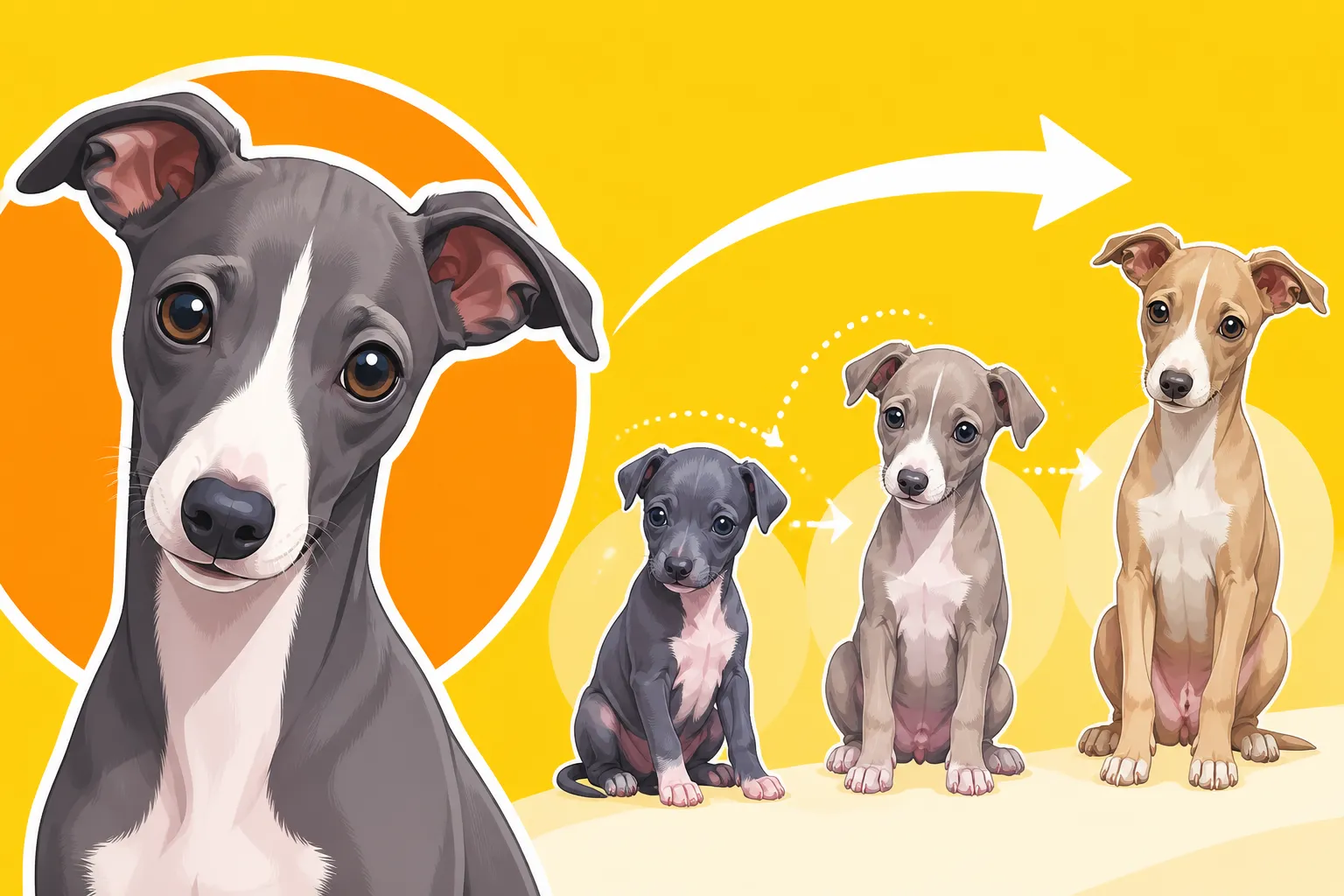
An Italian Greyhound puppy may look noticeably different by the time its adult coat comes in: a dark puppy can soften in tone, a pale one may gain richer shading, and markings can become easier to see. These shifts are often normal, but they can be confusing when you are choosing a puppy or wondering whether a change signals a health problem. Here’s what to expect and what to watch.
How an Italian Greyhound puppy’s coat color changes
Puppy color is a starting point, not a guarantee
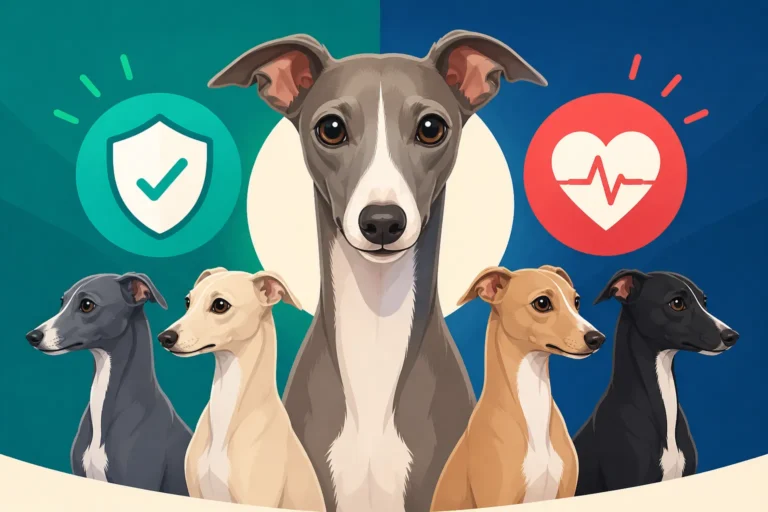
Some Italian Greyhound puppies keep a coat that looks much like their puppy coat as they mature. Others change subtly: a blue-gray puppy may become lighter or more silver-toned, while a fawn or cream puppy may develop warmer shading or a clearer contrast between the body and face. The change can be gradual, so it may be easier to notice in comparison with older photographs than from one day to the next.
A puppy’s coat may also look different under different lighting. A blue coat can appear charcoal indoors and silvery outside; cream can read as nearly white in a bright room but warmer in shade. Before deciding that your puppy’s color has changed dramatically, look at the coat in natural light and compare photos taken in similar conditions.
Breed color descriptions can help you name what you see, but labels do not always capture every shade or subtle variation. For a broader overview of recognized shades, see Which Colors an Italian Greyhound Comes In and Every Color an Italian Greyhound Is Allowed to Be. Those references are useful when comparing descriptions, but the color listed by a breeder is not a promise that the adult coat will match the puppy’s exact appearance.
When the coat changes
There is no single age when every Italian Greyhound’s color settles. Coat development varies from puppy to puppy, and changes may be more obvious during the transition from a soft puppy coat to the short adult coat. Some owners notice the shift over the first year; others see small changes continue after that.
The transition can be especially noticeable around the face, ears, back, or along the topline. A puppy may also appear to change color when the coat becomes smoother and lies closer to the skin. That does not necessarily mean the hair pigment itself has changed dramatically; the way light reflects off a different coat texture can affect how the color reads.
Keeping a few photos can make this easier to interpret. Take one in daylight every month or two, from the same side and at roughly the same distance. If you are buying a puppy, ask the breeder whether they have photos of adult relatives and whether the puppy’s color has shifted in previous litters. Those examples offer context, not a guarantee: littermates can develop differently, even when they share the same parents.
Coat color terms can be imprecise
Words such as blue, fawn, cream, red, and black are convenient shorthand, but two people may use the same word for slightly different shades. Lighting, the puppy’s age, and the amount of dark shading can all affect how a coat is described. A breeder may describe a puppy by its current appearance, while a show or registration record may use a formal color category.
If a puppy’s recorded color matters to you, ask the breeder what they mean by the label and what they expect might change. It is also helpful to ask whether the puppy has white markings, shaded areas, or any color pattern that may be described separately. For a closer look at how coat descriptions relate to appearance, Whether Coat Color Predicts an Italian Greyhound's Health is a useful companion topic.
| What you notice | Common explanation | What to do |
|---|---|---|
| A gradual shift in shade across the coat | Normal development or a change in how the coat reflects light | Photograph the coat periodically in consistent daylight |
| Color looks different indoors and outdoors | Lighting and shadows | Compare the coat under similar lighting before judging a change |
| A few pale hairs appearing with age | Individual variation or, later in life, graying | Note whether the change is limited to color or comes with skin or coat symptoms |
| Patchy hair loss, irritated skin, or scaling | A skin or coat concern rather than a simple color shift | Contact your veterinarian for an assessment |
Normal color variation versus a health concern
Changes in shade are not the same as hair loss
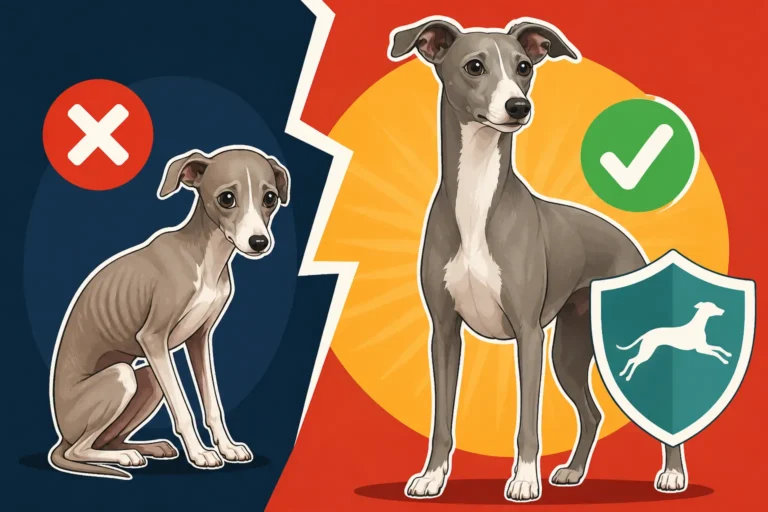
A coat that becomes lighter or darker while remaining even and smooth is different from a coat that thins, breaks, or falls out in patches. Color variation on its own is usually not enough to diagnose a health problem. Look at the skin and hair together: is the skin comfortable-looking, and is the coat still covering the same areas?
Pay attention to whether the change is symmetrical or patchy. A gradual, fairly even shift in tone is less concerning than bald spots, persistent redness, scabs, scaling, or areas where the hair seems fragile. Itching, repeated licking, or discomfort also deserves attention, particularly if it starts around the same time as a coat change.
Italian Greyhounds have fine coats and delicate skin, so even a small-looking area can be worth checking if it is worsening. If you are unsure, take a clear photo and note when you first noticed the change. That simple record can help your veterinarian tell whether the issue is stable, spreading, or linked to another change in your puppy’s health.
Dilute coat colors and color dilution alopecia
Color dilution alopecia, often shortened to CDA, is a condition associated with some dilute coat colors. It can involve thinning hair and skin changes in affected dogs. However, having a blue or another dilute-looking coat does not mean a dog will develop CDA, and a change in shade by itself does not establish that diagnosis.
The important distinction is the coat’s condition. If a blue Italian Greyhound develops progressive thinning, broken hairs, or skin problems, ask a veterinarian to examine the dog rather than trying to identify the condition from color alone. Other skin issues can have overlapping signs, and a veterinary assessment is needed to sort them out. Color Dilution Alopecia in a Blue Italian Greyhound and Which Italian Greyhound Colors Carry the Alopecia Risk explain why color can be part of the discussion without serving as a diagnosis.
If the puppy has healthy-looking skin and an even coat, there is no reason to assume that a gradual color shift is a warning sign. If you are choosing a puppy, ask the breeder about the health of the parents and relatives, including any history of coat thinning or skin trouble. A responsible breeder should be willing to discuss health concerns honestly rather than making broad promises based only on color.
Sun exposure can change the way a coat looks
Sunlight may make some coats look faded or warmer, especially after long periods outdoors. That is not the same thing as a disease, though it can make color comparisons tricky. A puppy photographed after a summer outdoors may look different from the same puppy photographed indoors in winter.
Italian Greyhounds have short, fine coats that offer limited coverage compared with dense-coated breeds. Protecting the dog from excessive sun is sensible, especially if the skin is pale, exposed, or has areas with less hair. Ask your veterinarian whether a dog-safe sun-protection product is appropriate for your puppy and where it can be used safely. Retailers such as Chewy may offer pet-care supplies, but check labels carefully and confirm suitability with your veterinarian rather than assuming a human product is safe for dogs.
If your puppy has an area of thinning or exposed skin, avoid treating it as merely a cosmetic color difference. Sunburn on a Bald Italian Greyhound covers the particular concern of protecting skin when the coat is sparse. A veterinarian can help you decide whether the area needs treatment and how to prevent further irritation.
Tracking your puppy’s coat as it matures
Take useful photos and notes
A small photo record is often more reliable than memory. Take a clear picture of your puppy’s back, sides, face, and any distinctive markings in daylight. Try to keep the distance and lighting similar from one photo to the next. You do not need a professional camera; the goal is simply to make comparisons fair.
Alongside the pictures, note your puppy’s age and any changes you observe. For example: “At six months, the back looks slightly lighter, but the coat is even and the skin looks normal.” That is more useful than “the color seems weird,” especially if you later need to discuss a change with a breeder or veterinarian.
Avoid frequent bathing just to see the coat more clearly. Over-washing can irritate sensitive skin, and shampoo will not reveal an adult color that has not developed yet. If you are shopping for basic grooming supplies, Chewy is one retailer where owners may look for dog-care items; choose gentle products intended for dogs, and ask your veterinarian for advice if your puppy has sensitive or irritated skin.
Questions to ask a breeder
A breeder can provide helpful background on the puppy’s family and the way related dogs matured. Ask for photographs of adult relatives in natural light, and whether the parents’ coats changed as they aged. You can also ask how the breeder describes the puppy’s current shade and whether that description is expected to remain stable.
It is reasonable to ask about skin and coat history as well. Has the breeder seen unusual thinning, persistent skin irritation, or coat loss in the puppy’s relatives? A clear, thoughtful answer is more useful than a guarantee that a particular color will never change. Coat color is only one part of a puppy’s health and suitability, so it should not replace questions about temperament, veterinary care, and health testing.
If you are comparing puppies, focus on the whole dog rather than choosing solely for a shade. A puppy’s exact adult color can be difficult to predict, and the most appealing photograph may not show how the coat will look in different lighting or at maturity. What an Italian Greyhound Breeder Should Have Tested offers useful context for considering health questions alongside appearance.
When to contact your veterinarian
Contact your veterinarian if a color change comes with hair loss, persistent itching, redness, sores, scaling, a strong odor, or obvious discomfort. Also get advice if the change is rapid, localized, or spreading. These signs do not point to one specific condition on their own, but they are a good reason to have the skin and coat checked.
Before the appointment, take photos and make a note of when the change began, whether it is getting worse, and whether anything else has changed, such as food, shampoo, medication, or time spent in the sun. If you have recently introduced a grooming or skin-care product, bring its name or packaging details. Chewy may be one place you bought a pet-care item, but your veterinarian is the right person to assess whether it could be related to a skin reaction.
A smooth coat that gradually shifts in shade is usually a very different situation from patchy loss or inflamed skin. When in doubt, a brief veterinary conversation can save you from worrying over normal variation—or overlooking a problem that needs attention. The aim is not to predict every strand of your puppy’s adult coat. It is to understand what is ordinary for your dog and notice when the skin or hair changes in a way that deserves care.
Disclaimer
This article is for general informational purposes only and does not constitute professional advice. Laws, prices and regulations vary by location and change over time. Consult a qualified professional for guidance on your specific situation.