Whether an Italian Greyhound Gets Cold Under Sedation
It's a genuine worry for any Italian Greyhound parent, watching your tiny, delicate companion head into a veterinary procedure, especially one that involves sedation or anesthesia. We all know how easily our Iggies get cold in the house, shivering even under blankets when the thermostat dips a degree too low. So, the thought of them being purposefully sedated, their tiny bodies lying still, and their natural ability to regulate temperature compromised, can be truly terrifying. This guide is here to unravel those fears, explaining exactly why Italian Greyhounds are prone to feeling the chill under sedation and, more importantly, detailing the comprehensive measures veterinarians take to keep them safe and warm, along with what you can do to prepare.
The Unique Physiology of Italian Greyhounds and Cold Sensitivity
Italian Greyhounds are, by their very nature, delicate creatures built for speed and grace, not for insulation against the cold. Their unique physical characteristics make them exceptionally prone to feeling the chill, a fact that's amplified under sedation. Understanding this baseline sensitivity is the first step to appreciating why their anesthetic protocols need special consideration.
Why Italian Greyhounds Get Cold So Easily Even When Awake
Anyone who shares their life with an Italian Greyhound knows the constant quest for warmth that defines much of their existence. You’ll find them perpetually burrowed under blankets, snuggled against you, or sporting the latest in canine fashion – a cozy sweater or coat. This isn't just a quirk of the breed; it's a fundamental physiological reality. Italian Greyhounds possess an incredibly thin coat, almost negligible body fat, and remarkably thin skin. These combined factors mean they have very little natural insulation.
Think about it from their perspective: their normal body temperature is naturally a few degrees higher than a human's, typically ranging from 101 to 102.5°F (38.3 to 39.2°C). So, what feels like a comfortable room temperature to us – say, 70-72°F – can feel quite cool, or even chilly, to an Italian Greyhound. When the ambient temperature drops below that, their small bodies struggle significantly to maintain their core warmth. They simply don't have the subcutaneous fat layer that most dog breeds possess, which acts as a thermal barrier. This constant battle against the cold means their tiny systems are always working a little harder to stay warm, making them highly susceptible to environmental temperature fluctuations even in their normal, waking state.
The Role of Body Fat and Metabolism in Temperature Regulation
The lack of body fat in an Italian Greyhound is perhaps the most significant contributor to their inability to regulate temperature effectively. Unlike breeds with thick fur or a good layer of fat, Iggies have almost no natural buffer against heat loss. Imagine trying to stay warm in winter wearing only a t-shirt – that's often how an Italian Greyhound's body perceives its environment. This lean physique, while stunning in appearance, is a disadvantage when it comes to keeping warm.
Their metabolism plays a dual role here. Italian Greyhounds tend to have a relatively high metabolism, which generally helps generate body heat. This is part of why they’re often seen zooming around with bursts of energy. However, this high metabolic rate also means they burn through energy quickly, and if they're not generating enough heat to compensate for what's lost through their thin skin and large surface area relative to their small body mass, they quickly lose warmth. This becomes a critical factor during periods of inactivity, stress, or illness. When their metabolic processes are deliberately slowed down by sedation, the balance tips dramatically, making them even more vulnerable to hypothermia. You can read more about why Why an Italian Greyhound Carries Almost No Body Fat and how it impacts their overall health and care.
Anesthesia and Its Impact on Body Temperature
It's one thing for your Italian Greyhound to get a bit chilly curled up on the sofa, but when they're under anesthesia, the stakes are significantly higher. The medications used to sedate and anesthetize them have a profound effect on their body's ability to maintain a stable temperature, turning a common concern into a critical safety consideration.
How Sedatives Affect Thermoregulation in Dogs
When a dog receives sedatives or anesthetic agents, several physiological changes occur that directly impact their body's thermoregulation. First, many anesthetic drugs cause vasodilation. This means the blood vessels, particularly those close to the surface of the skin, widen. While this can sometimes make it easier for the veterinary team to access veins for IV lines, it also increases the surface area through which heat can escape the body, leading to more rapid heat loss.
Second, anesthesia depresses the central nervous system, which is responsible for controlling involuntary bodily functions, including temperature regulation. The hypothalamus, often called the body's thermostat, becomes less responsive. This means the dog’s natural defenses against cold, such as shivering (which generates heat through muscle activity) or vasoconstriction (narrowing blood vessels to conserve heat), are significantly impaired or completely suppressed. The body essentially loses its ability to autonomously adjust to the surrounding temperature, making it entirely dependent on external warming measures. Different sedative agents can have varying degrees of impact on these systems, but the general principle holds true: anesthesia makes a dog more vulnerable to hypothermia.
The Specific Risks for Small, Lean Breeds Like Italian Greyhounds
Now, combine the general effects of anesthesia with the inherent cold sensitivity of an Italian Greyhound, and you can see why their care requires extra vigilance. Their small size means they have a high surface area-to-volume ratio. This is a scientific way of saying that there's a lot of skin for heat to escape from, compared to the total mass of their body that generates and retains heat. Think of it like a tiny teapot cooling down much faster than a large cauldron – more surface exposed to the air relative to the volume of liquid inside.
This anatomical reality, coupled with their minimal body fat, means Italian Greyhounds lose heat at an accelerated rate compared to larger or more robust breeds. During even a short procedure, their core body temperature can drop precipitously if not actively managed. A significant drop in body temperature (hypothermia) during anesthesia isn't just uncomfortable; it can lead to a cascade of complications, including delayed recovery from anesthesia, impaired immune function, prolonged bleeding times, and increased risk of cardiac arrhythmias. This is why when your vet talks about Why a Nine Pound Italian Greyhound Gets Cold on the Table, it’s not an exaggeration; it’s a critical consideration for their safety. For these reasons, veterinarians who work with Italian Greyhounds are particularly meticulous about warming protocols.
Proactive Measures Vets Take to Keep IGs Warm During Procedures
Given the inherent risks, veterinary teams are well-versed in combatting hypothermia in small, lean breeds like Italian Greyhounds. It's not an afterthought; it's an integral part of their anesthesia protocol, from pre-op preparation through recovery.
Warming Techniques in the Veterinary Setting
Modern veterinary medicine employs a range of sophisticated and effective warming techniques designed to prevent and treat hypothermia during anesthesia. These aren't just blankets tossed over a dog; they are active, controlled systems.
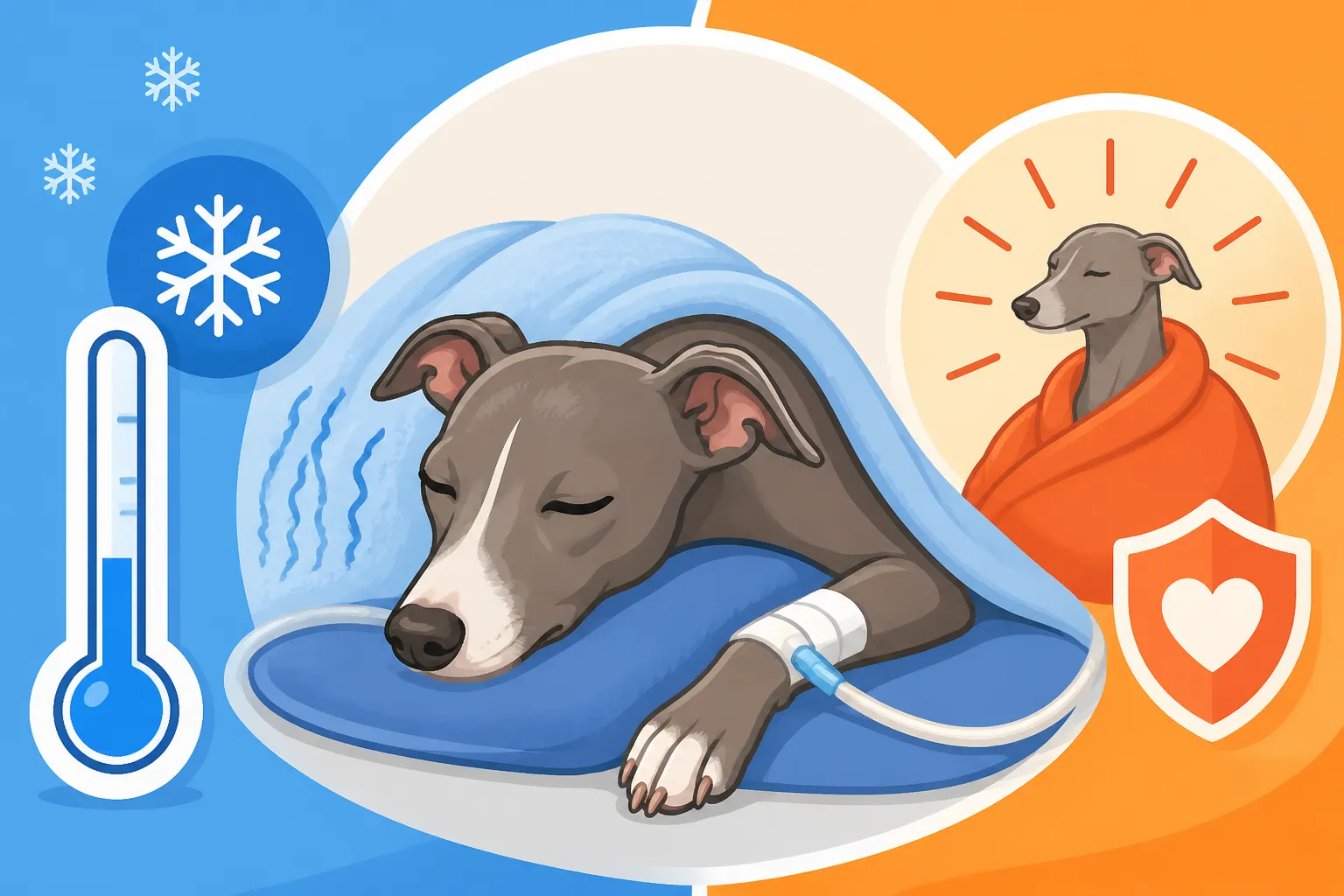
One of the most common and effective methods is the use of forced-air warming blankets, often referred to by a common brand name like Bair Hugger. These devices consist of a blanket with channels that are inflated with warm air, circulating it over the patient's body. They provide consistent, regulated warmth to a large surface area, effectively counteracting heat loss. Another popular method involves circulating warm water blankets that lie beneath the patient, providing conductive heat directly to the body.
Heated surgery tables are also standard in many clinics, offering a continuous warm surface. Beyond external warming, veterinary teams often administer warm intravenous (IV) fluids. Passing warmed fluids directly into the bloodstream helps to maintain core body temperature from the inside out, which is especially important during longer procedures. The goal is not just to prevent cooling but to actively maintain the Italian Greyhound's body temperature within a safe, normal range. This proactive approach to warming an Italian Greyhound through surgery is a testament to the veterinary team's understanding of their unique needs.
Monitoring Core Body Temperature Throughout Anesthesia
It's not enough to simply apply warming devices; constant monitoring is key. Throughout the entire anesthetic period, from induction until the Italian Greyhound is fully awake and alert, their core body temperature is meticulously tracked. The most accurate way to do this is with a rectal thermometer or, during surgery, an esophageal probe, which provides a continuous reading of the internal temperature.
Veterinary technicians and anesthesiologists keep a close eye on these readings, often recording them every few minutes. If they notice even a slight downward trend, they can immediately adjust warming measures, increase the temperature of circulating blankets, or ensure the IV fluids are appropriately warmed. This vigilance is crucial because rapid drops in temperature can happen quickly in such a small breed. The goal is to maintain the temperature between 100°F and 102.5°F (37.8°C to 39.2°C). This constant observation allows the team to be highly responsive to the Italian Greyhound's needs, preventing hypothermia from becoming a significant issue and helping ensure a smoother, safer recovery. It's also vital for ensuring a good recovery, as explained in articles like How Slowly an Italian Greyhound Wakes From Anesthesia.
What Owners Can Do Before and After the Procedure
As an Italian Greyhound owner, you're their best advocate. While your veterinary team is highly skilled, there are practical steps you can take to contribute to their warmth and well-being before, during, and after any procedure requiring sedation.
Pre-Procedure Preparations and Communication with Your Vet
Before your Italian Greyhound undergoes any procedure that involves sedation or anesthesia, open communication with your veterinarian is paramount. Don't hesitate to voice your concerns about your Iggy's known sensitivity to cold. Ask about their specific protocols for keeping small, lean breeds warm during surgery and recovery. Inquire about the type of warming equipment they use – whether it's forced-air blankets, heated tables, or warm IV fluids. A good vet will appreciate your proactive questions and be happy to explain their safety measures.
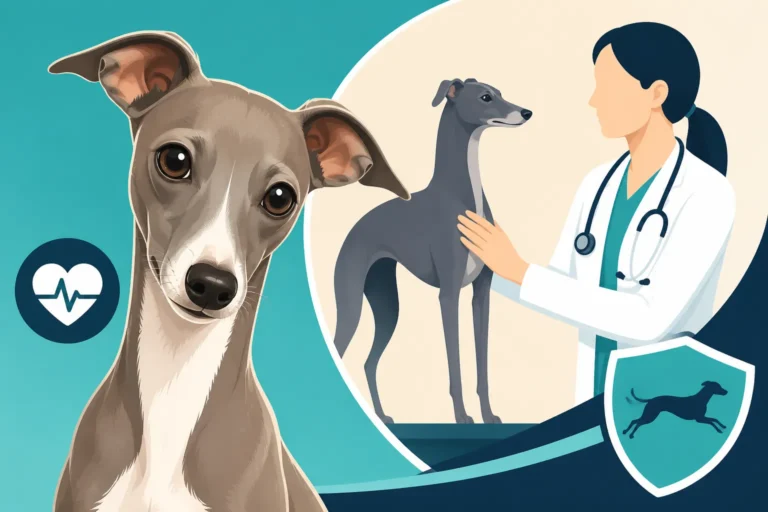
It's always a good idea to choose a veterinary practice that has experience with sighthounds. These breeds, including Italian Greyhounds, often have unique physiological responses to certain medications and temperature regulation challenges that a sighthound-savvy vet will be intimately familiar with. You can explore more on Why an Italian Greyhound's Vet Should Know Sighthounds. You might also consider bringing a familiar, soft, and warm blanket from home. Sometimes, the scent of home can provide a comforting sense of security to your dog, and it can be used in their recovery kennel to further bolster their warmth. Having pet insurance from providers like Healthy Paws can also provide immense peace of mind. Knowing that you have coverage for unexpected diagnostics, procedures, or potential complications means you can focus on advocating for the best possible care for your Italian Greyhound without added financial stress.
Post-Anesthesia Care to Maintain Warmth at Home
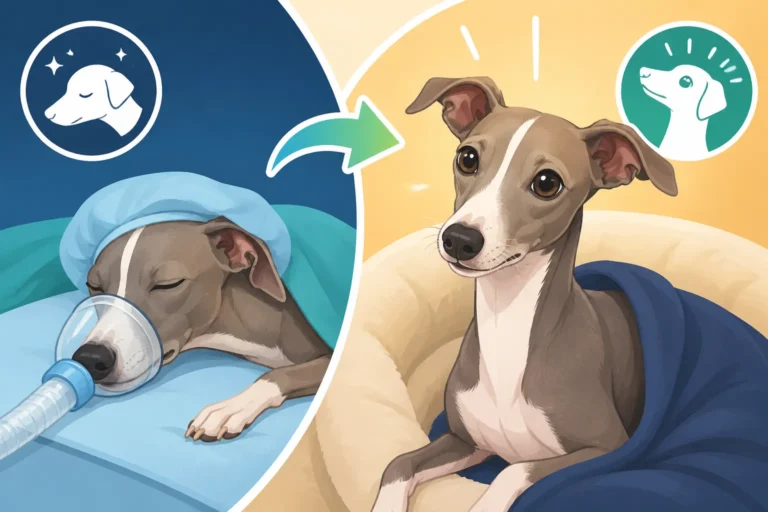
Once your Italian Greyhound is discharged from the clinic, their journey back to full warmth and recovery continues at home. They will likely still be groggy and colder than usual. Prepare a warm, quiet, and draft-free space for them to recover. This might be a soft bed on the floor, surrounded by their favorite blankets. Consider having a cozy sweater ready to put on them, as even indoors, they might still shiver.
Keep a close eye on their behavior and temperature. While active warming is essential, you also don't want to overheat them. Make sure they have a way to move to a slightly cooler spot if they get too warm. Offer small amounts of water once they're fully awake and able to swallow safely, and follow your vet's instructions for food. If you notice persistent shivering, lethargy, or if they feel excessively cold to the touch for an extended period, contact your vet. Recovery can sometimes involve unexpected issues, and having pet insurance like Healthy Paws can be incredibly helpful for covering follow-up vet visits or any unforeseen medical needs that arise during the post-operative period. Ensuring warmth is a crucial part of their overall Caring for an Italian Greyhound Past Eleven as they age, but it's especially critical after any medical procedure.
The Importance of a Sighthound-Savvy Veterinary Team
Choosing the right veterinary team for your Italian Greyhound is one of the most important decisions you'll make as an owner, particularly when it comes to procedures involving anesthesia. Sighthounds have unique physiological traits that necessitate specialized care.
Understanding Sighthound Anesthesia Protocols
It's not just about keeping them warm; it's about the entire anesthetic approach. Italian Greyhounds, along with other sighthound breeds like Greyhounds and Whippets, are known to metabolize certain drugs differently than other dog breeds. Their lean body mass, low body fat, and unique liver enzyme activity mean that some anesthetic agents can last longer in their system or have more profound effects. For instance, certain barbiturates, once commonly used for anesthesia, can have a prolonged and slow recovery in sighthounds because these drugs tend to accumulate in fat stores, which Iggies barely have. Without fat to absorb and release the drug slowly, it remains in the bloodstream longer, leading to extended periods of sedation.
A sighthound-savvy veterinarian understands these pharmacological nuances. They will carefully select anesthetic drugs and dosages specifically tailored to your Italian Greyhound's breed and individual health status, choosing agents that are rapidly metabolized or have different metabolic pathways. This precision minimizes the risks of prolonged recovery and helps ensure a safer, more predictable anesthetic experience. This is why Why Anesthesia Is Handled Differently in an Italian Greyhound is such a vital topic for owners to understand. You can delve deeper into Which Sedatives an Italian Greyhound Should Not Be Given to be fully informed.
Advocating for Your Italian Greyhound's Special Needs
As an Italian Greyhound owner, you are your dog's primary advocate. Don't be afraid to ask your vet detailed questions about their anesthesia protocols for sighthounds. A reputable and knowledgeable veterinary team will welcome your questions and be able to clearly articulate their specific approach for Italian Greyhounds, including drug choices, monitoring techniques, and warming strategies.
This isn't about second-guessing your vet; it's about ensuring your peace of mind and demonstrating responsible pet ownership. Knowing that your veterinary team is well-versed in the unique needs of sighthounds, from anesthesia to general care, provides an invaluable sense of security. It gives you confidence that your precious companion is in the most capable hands. This level of specialized care might involve additional costs, but services like Healthy Paws pet insurance can act as a crucial safety net, ensuring you don't have to compromise on specialized veterinary expertise due to financial concerns. It empowers you to seek out the best possible care for your Iggy, knowing that their unique breed needs are fully understood and respected.
Long-Term Considerations and Overall Health
While immediate anesthetic safety is critical, considering your Italian Greyhound's overall health and taking a long-term approach to their wellness plays a significant role in mitigating risks associated with future procedures. A healthy body is always better equipped to handle stress, including anesthesia.
General Health and Anesthesia Risk
An Italian Greyhound's overall health status directly influences their risk under anesthesia. A dog with underlying health issues, even minor ones, may be more vulnerable to complications during sedation. This is why veterinarians often recommend pre-anesthetic bloodwork, especially for older pets or those undergoing more extensive procedures. This bloodwork screens for organ function (liver and kidneys), blood cell counts, and electrolyte balance, which can all impact how a dog processes anesthetic drugs and recovers. You can learn more about this crucial step in Bloodwork Before an Italian Greyhound's Anesthesia.
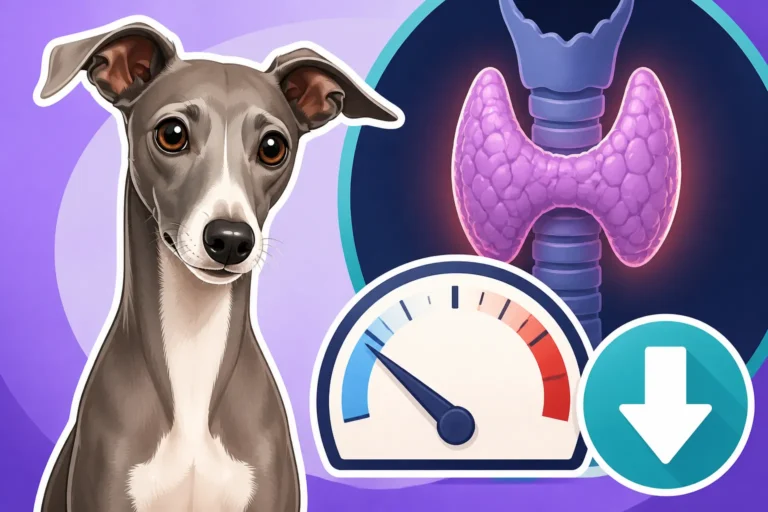
Conditions like hypothyroidism, for example, can affect metabolism and the body's ability to regulate temperature, potentially increasing anesthetic risks. If your Italian Greyhound has been diagnosed with Hypothyroidism in an Italian Greyhound or any other chronic condition, your vet will factor this into the anesthetic plan, making adjustments to drug choices and monitoring protocols to ensure their safety. Maintaining optimal health through regular vet check-ups and proactive care helps create a stronger foundation for handling any medical challenges that may arise throughout their life.
Ensuring a Lifetime of Wellness
A holistic approach to your Italian Greyhound's health means focusing on their well-being every single day, not just during emergencies. This includes appropriate nutrition, regular but safe exercise, consistent dental care, and maintaining a healthy weight. An Italian Greyhound that is at an ideal weight and muscle condition, as described in guides like What an Italian Greyhound Should Weigh, will generally have better outcomes from any medical procedure compared to one who is underweight or overweight. Regular veterinary wellness exams are also crucial for early detection of potential health issues, allowing for intervention before problems become severe.
By prioritizing these aspects of care, you not only enhance their quality of life but also build their resilience for any future medical needs, including those requiring anesthesia. Investing in comprehensive pet insurance, such as a plan from Healthy Paws, can be an invaluable part of this long-term wellness strategy. It helps cover the costs of unexpected illnesses, accidents, and even some emergency surgeries, ensuring that you can always provide the best possible care without being constrained by budget concerns. This empowers you to make medical decisions based on what’s best for your Italian Greyhound, supporting their health and longevity throughout their unique and wonderful lifespan.
Anesthetic Temperature Management for Italian Greyhounds
Here’s a quick overview of how temperature management might differ for your Italian Greyhound during anesthesia compared to a more typical, larger breed:
| Feature/Aspect | General Dog Anesthesia (e.g., Labrador) | Italian Greyhound Anesthesia (Sighthound) |
|---|---|---|
| Natural Insulation | Moderate to High (Body fat, thicker coat) | Very Low (Minimal body fat, thin skin, short coat) |
| Heat Loss Rate | Slower, due to lower surface area-to-volume ratio | Faster, due to high surface area-to-volume ratio and lack of insulation |
| Metabolism | Varies by breed, generally robust | Higher baseline, but sensitive to drug effects; unique drug metabolism |
| Thermoregulation | Suppressed by anesthesia | Highly suppressed, natural vulnerability to cold compounded |
| Warming Protocols | Often implemented, but may be less aggressive | Always aggressive and proactive: mandatory active warming (forced-air, circulating water blankets, heated IV fluids, pre-warming) |
| Monitoring Intensity | Regular temperature checks | Continuous and meticulous core temperature monitoring (rectal/esophageal probe) |
| Recovery | Generally straightforward, might shiver | Slower to fully recover, risk of prolonged hypothermia without continued post-op warmth |
| Drug Selection | Standard anesthetic agents often suitable | Specific drug choices to avoid prolonged recovery due to unique metabolism |
Disclaimer
The information provided in this guide is intended for general knowledge and informational purposes only, and does not constitute veterinary advice. Always consult with a qualified veterinarian for any health concerns or before making any decisions about your Italian Greyhound's medical care. Individual outcomes can vary, and your veterinarian is the best resource for personalized advice based on your dog's specific health needs.