The Age an Italian Greyhound’s Bones Finish Hardening
It's a question that keeps every Italian Greyhound owner up at night, especially during those early, boisterous puppy months: "When can I stop worrying so much about my little noodle horse breaking a leg?" That bone-chilling fear is absolutely real and valid. Italian Greyhounds are famously delicate, and their slender limbs feel like they're made of spun glass until you're told otherwise. This guide is here to shed light on exactly when an Italian Greyhound's bones truly finish hardening, giving you the knowledge you need to navigate their vulnerable early years with confidence, not constant anxiety.
Understanding Growth Plates and Italian Greyhound Bone Development
The concern about your Italian Greyhound's delicate bones isn't just an owner's paranoia; it's rooted in the breed's unique physiology. Their elegant, fine-boned structure, while beautiful, also comes with inherent fragilities that distinguish them from many other dog breeds. Understanding this is the first step in providing them the best possible protection.
The Fragile Foundation: Why Italian Greyhounds Are Different
Italian Greyhounds, or Iggys as we affectionately call them, are renowned for their delicate build. They are miniature sighthounds, bred for speed and agility, which translates to a lean, muscular body supported by slender, almost bird-like bones. Unlike a stocky bulldog or a sturdy Labrador, an Iggy's bone density and circumference are significantly smaller. This isn't a flaw in the breed; it's simply how they are built to be light and fast. However, it also means their bones are more susceptible to injury from impacts, falls, or even awkward landings.
Many new Iggy owners are shocked by how easily these dogs can suffer a fracture, often from seemingly innocuous activities like jumping off a sofa or a quick tumble during play. This reality makes owners incredibly cautious, bordering on obsessive, and rightly so. The statistics about Why an Italian Greyhound's Leg Bones Break So Easily are sobering, and the breed's conformation demands a proactive approach to safety from day one. You're not overreacting; you're being a responsible Iggy parent.
What Exactly Are Growth Plates?
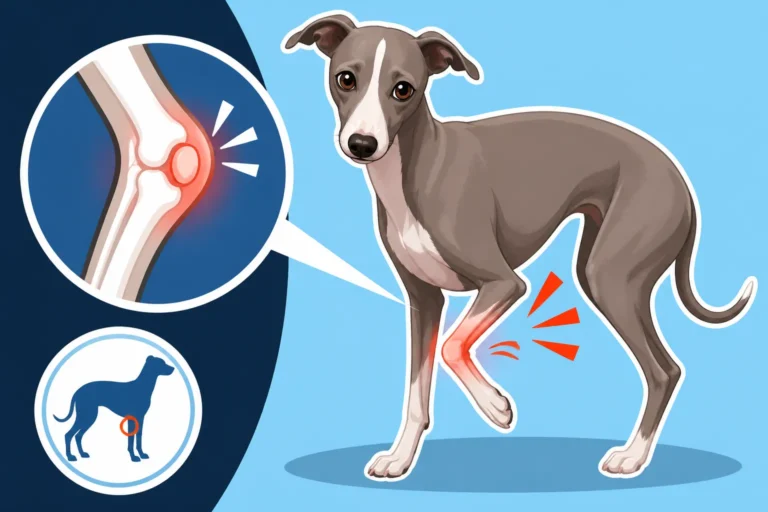
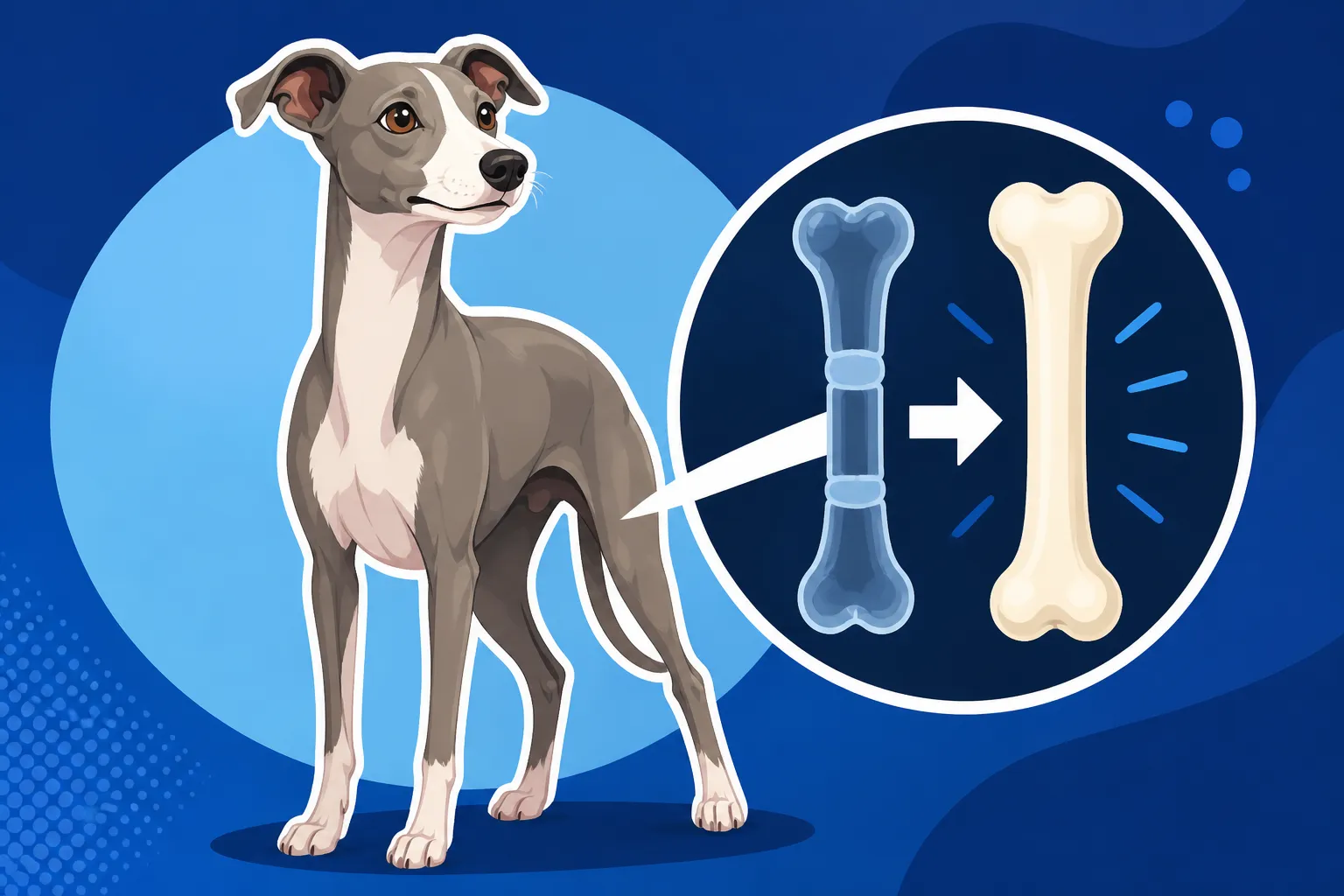
To truly understand when your Italian Greyhound's bones are "hard," we need to talk about growth plates. Scientifically known as epiphyseal plates, these are areas of cartilage located near the ends of long bones in young, growing animals. Think of them as the construction zones where new bone tissue is constantly being produced, allowing the bone to lengthen. They are crucial for your puppy's growth, helping them go from a tiny bundle of joy to the sleek adult Iggy you adore.
However, because growth plates are made of cartilage rather than solid bone, they are inherently softer and weaker than the rest of the bone structure. This makes them the most vulnerable point for injury in a growing dog. A fracture that occurs at a growth plate can be particularly problematic, not just because it's a break, but because it can interfere with the bone's future growth, potentially leading to deformities or uneven limb length if not treated correctly. During a puppy's development, these plates are constantly undergoing changes, making vigilance absolutely paramount until they are fully closed.
The Critical Timeline: When Italian Greyhound Bones Truly Harden
The journey from soft cartilage to hardened bone is a gradual one, and for Italian Greyhounds, this period of vulnerability lasts longer than many owners might expect. It's not a switch that flips overnight; rather, it's a process that demands ongoing awareness and appropriate care to prevent devastating injuries.
The Average Age for Growth Plate Closure
For most small to medium-sized dog breeds, growth plates typically close between 8 to 12 months of age. However, with Italian Greyhounds, the timeline often extends, and it's widely accepted that their growth plates can remain open and vulnerable well into their adolescence. Generally, you can expect the primary long bone growth plates, especially in their legs, to start fusing and hardening anywhere from 10 to 18 months of age.
It's crucial to understand that this is an average range, and individual dogs can vary. Factors like genetics, overall health, and even nutrition can play a role. Some Iggies might mature a little faster, while others, particularly larger males, might take closer to the 18-month mark. Even after the initial fusion, the bone continues to strengthen and densify, meaning that while the growth plates might be technically closed, the bone itself is still maturing. This is why many experienced Italian Greyhound owners and breeders advise caution for an even longer period.
Why the "Under Two" Rule Is Paramount
If growth plates generally close by 18 months, why do so many in the Italian Greyhound community stress the importance of protecting them until they are two years old? This "under two" rule isn't an arbitrary guideline; it's a wisdom born from countless experiences and heartbreaking accidents. Even once the growth plates are officially "closed," the bones are still consolidating and gaining their full strength and density. They're still relatively fragile compared to a fully mature adult bone.
Imagine a newly paved road; it might be "open," but it's not fully cured and ready for heavy traffic for a while. Similarly, your Iggy's bones need that extra time to truly toughen up. During this period, activities that involve high-impact jumps, rough play with larger or boisterous dogs, or unsupervised access to high furniture can still pose a significant risk. This extended period of vulnerability means that The Age an Italian Greyhound Is Most Likely to Break a Leg extends beyond just their youngest puppy months, continuing well into their second year of life. Taking preventative measures during this time can literally save your dog from immense pain and you from significant veterinary bills.
Navigating the Vulnerable Years: Protecting Your Italian Greyhound
Living with an Italian Greyhound during their growth phase requires a mindful approach to their environment and activities. It's about balancing their natural exuberance with the critical need to protect their developing skeletal system. This isn't about stifling their joy, but channeling it safely.
Practical Steps for a Safe Puppyhood and Adolescence
One of the most effective ways to protect your Italian Greyhound during these crucial developmental months is to modify their environment. Consider their world from their perspective. A sofa that seems low to you is a mountain to a tiny Iggy. Invest in Ramps and Steps for an Italian Greyhound's Furniture to allow them safe access to beds and sofas without the risk of a misjudged jump and a hard landing. Blocking off stairs until they are older and more coordinated is also a smart move. Falls down stairs can be catastrophic for developing bones.
Supervision is non-negotiable, especially around other animals and children. It’s imperative that Why an Italian Greyhound Puppy Should Not Wrestle Big Dogs is understood by everyone in the household. Even a playful swipe from a larger dog can result in a serious injury. Similarly, young children, no matter how well-meaning, can accidentally drop an Italian Greyhound or play too roughly, leading to injuries that could have been avoided. Consistent Restricting an Italian Greyhound Under Two is not cruel; it's responsible ownership. This means crating them when unsupervised, using playpens, and always being present during active play. Even How an Italian Greyhound Breaks a Leg in Its Own Yard can happen from a sudden sprint and turn on uneven ground, so controlled outdoor access is key. Remember, while Italian Greyhounds are incredibly active dogs, moderation is vital during their formative years. Short, frequent play sessions on soft surfaces are far better than prolonged, high-impact activities.
Nutrition and Veterinary Care for Optimal Bone Health
Beyond environmental management, proper nutrition and regular veterinary care play a supportive role in your Italian Greyhound's bone development. It's a common misconception that simply adding extra calcium will strengthen your puppy's bones. In reality, over-supplementation of calcium can actually be detrimental, interfering with the delicate balance of minerals needed for proper bone formation. Instead, focus on feeding a high-quality, veterinarian-approved puppy food specifically formulated for small breeds. These foods are designed to provide the correct ratios of calcium, phosphorus, and other essential nutrients for healthy growth. A good puppy food for What an Italian Greyhound Puppy Eats at Four Months will set them up for success.
Regular veterinary check-ups are also crucial. Your vet can monitor your puppy's growth and general health, and offer personalized advice. It's especially beneficial to find a veterinarian who has experience with sighthounds, as their unique physiology (including their bone structure and anesthetic sensitivities) requires specialized knowledge. Discussing your concerns about bone development with your vet can provide peace of mind and tailored guidance. While proactive care is essential, accidents can still happen, which is why considering pet insurance early on, from providers like Healthy Paws, can be a financial lifeline if an unexpected fracture occurs. Having a plan for the potential cost of What Fracture Repair Costs on an Italian Greyhound can significantly reduce stress during an emergency.
What Happens If Bones Break Before Maturity?
Despite our best efforts, accidents can sometimes happen. A fracture in an Italian Greyhound is always serious, but when it occurs in a puppy or adolescent whose bones are still developing, it presents a unique set of challenges that can have long-lasting implications.
The Unique Challenges of Puppy Fractures
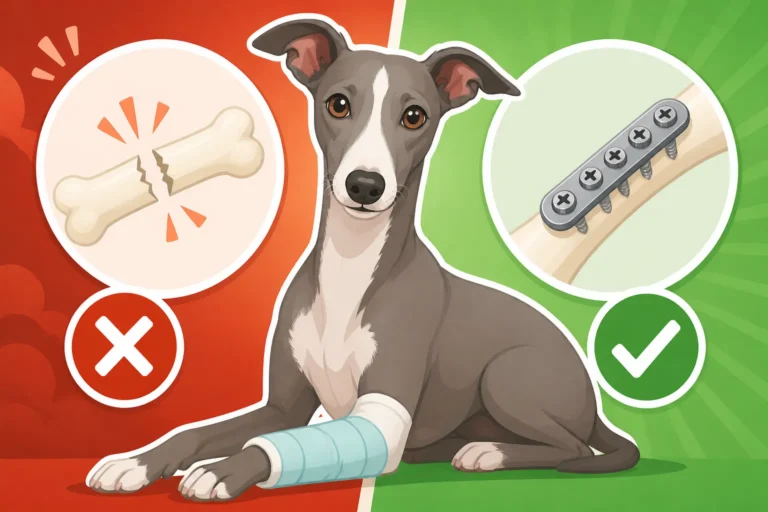
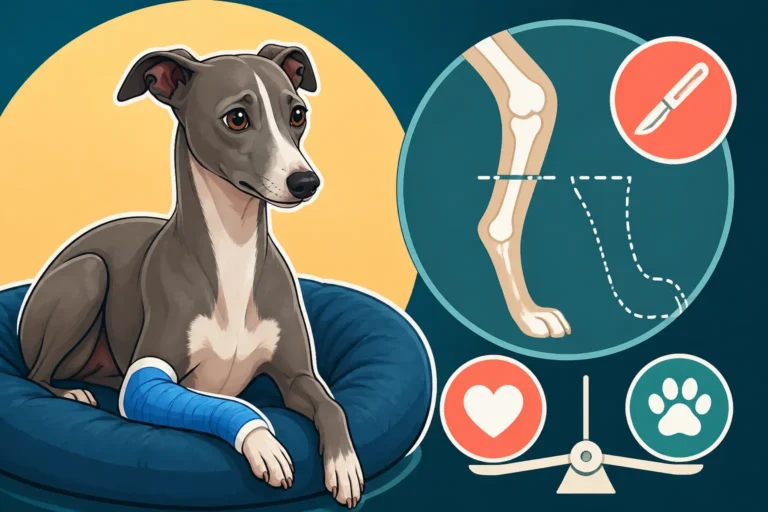
A fracture in a young Italian Greyhound is particularly concerning because of those still-open growth plates. If the break occurs through or very near a growth plate, it's called a physeal fracture, and these can be much more complicated than a simple break in a mature bone. The primary concern is that damage to the growth plate can disrupt its function, potentially leading to premature closure of the plate. If one growth plate closes earlier than the corresponding one on the same bone (or the paired bone on the other leg), it can result in uneven bone growth, causing angular limb deformities. This can lead to lameness, arthritis, and further surgical interventions down the line.
The surgical repair itself is often more intricate when dealing with growing bones. The surgeon must not only fix the break but also try to preserve the growth plate's function if possible. This might involve different types of fixation methods, such as pins or plates designed to allow for continued growth. Why an Italian Greyhound's Radius Is the Bone That Breaks so frequently in these dogs is due to its slender nature, and when it breaks in a puppy, the stakes are even higher. The recovery for a puppy fracture often involves strict confinement, which can be incredibly challenging for a young, energetic Italian Greyhound, and puts a significant burden on owners.
Long-Term Implications and Recovery
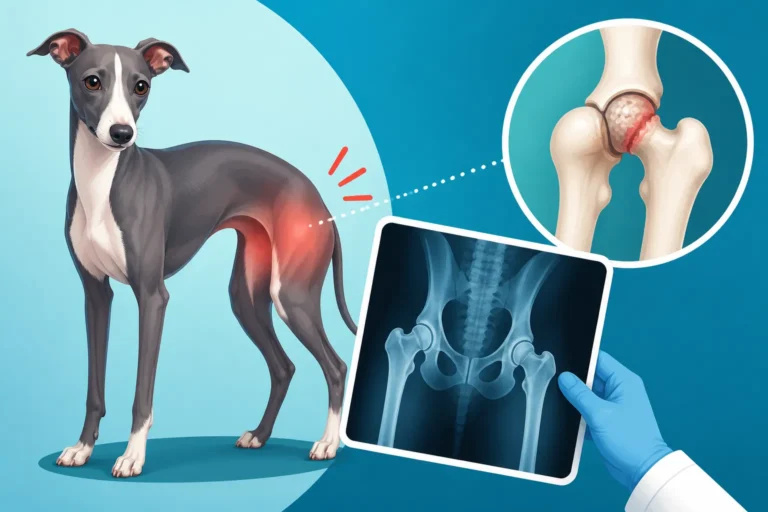
The recovery period for any Italian Greyhound fracture is extensive, usually involving weeks or even months of strict rest and rehabilitation, but a puppy fracture can mean an even longer, more uncertain road. Owners often find themselves wondering How Long an Italian Greyhound Takes to Heal a Fracture, and for growing pups, complications can prolong this timeline. Even with successful surgery and diligent post-operative care, there's always the risk of ongoing issues. Arthritis in the affected joint is a common long-term consequence, even if the bone heals perfectly. In some severe cases, if a growth plate is irreparably damaged or if complications arise, the affected leg may never achieve its full potential.
The emotional and financial toll on owners can be immense. The worry, the constant management of activity, and the potentially staggering veterinary bills are a heavy burden. This is where pet insurance, such as a plan from Healthy Paws, truly proves its worth, helping to cover the often exorbitant costs associated with specialist surgery, follow-up care, and rehabilitation. While How Long an Italian Greyhound Stays Crated After Surgery can feel like an eternity, consistent adherence to veterinary instructions is crucial for the best possible outcome. Understanding these potential outcomes reinforces why prevention during the vulnerable growth period is the absolute best approach.
| Age Range (Approximate) | Bone Development Stage | Key Risks | Care & Prevention Tips |
|---|---|---|---|
| 0-10 Months | Growth Plates Actively Open | Highest risk of physeal (growth plate) fractures | Strict supervision, no jumping, ramps/steps, avoid rough play with larger dogs, quality puppy food. |
| 10-18 Months | Growth Plates Closing/Fusing | Risk of fractures still high, bone density increasing | Continue environmental modifications, supervised play, gradual increase in safe exercise, maintain appropriate weight. |
| 18-24 Months | Bones Consolidating/Hardening | Risk decreasing, but still more fragile than mature bone | Continue caution with high jumps/rough play, introduce new activities gradually, focus on controlled exercise. |
| 24+ Months | Fully Matured Bones | Lower fracture risk (relative to breed), stable bone density | Normal adult activity, still mindful of breed's delicate build, continued good nutrition. |
Disclaimer
The information provided in this guide is for general educational purposes only and should not be considered a substitute for professional veterinary advice. Always consult with a qualified veterinarian for any health concerns or before making any decisions related to your Italian Greyhound's care. Breed-specific information is based on common knowledge and best practices within the Italian Greyhound community and veterinary field.