Signs an Italian Greyhound Has an Underactive Thyroid
It's incredibly disheartening when our beloved Italian Greyhounds, those delicate, spirited companions, start showing subtle changes that just don't feel right. Sometimes, these shifts can creep in so gradually that we might dismiss them as normal aging or just a quirky personality trait. This guide is here to walk you through the often-missed and more obvious signs of an underactive thyroid, empowering you to recognize the symptoms early and seek the proper care for your cherished Iggy.
Understanding Hypothyroidism in Italian Greyhounds
When we talk about an "underactive thyroid" in our Italian Greyhounds, we're really focusing on a condition known as hypothyroidism. It's one of the most common endocrine disorders affecting dogs, and while Italian Greyhounds aren't as notoriously susceptible as some larger breeds, they can absolutely develop it. Recognizing this condition starts with understanding what the thyroid gland does in the first place and why it's so vital for their overall well-being.
What Exactly is an Underactive Thyroid?
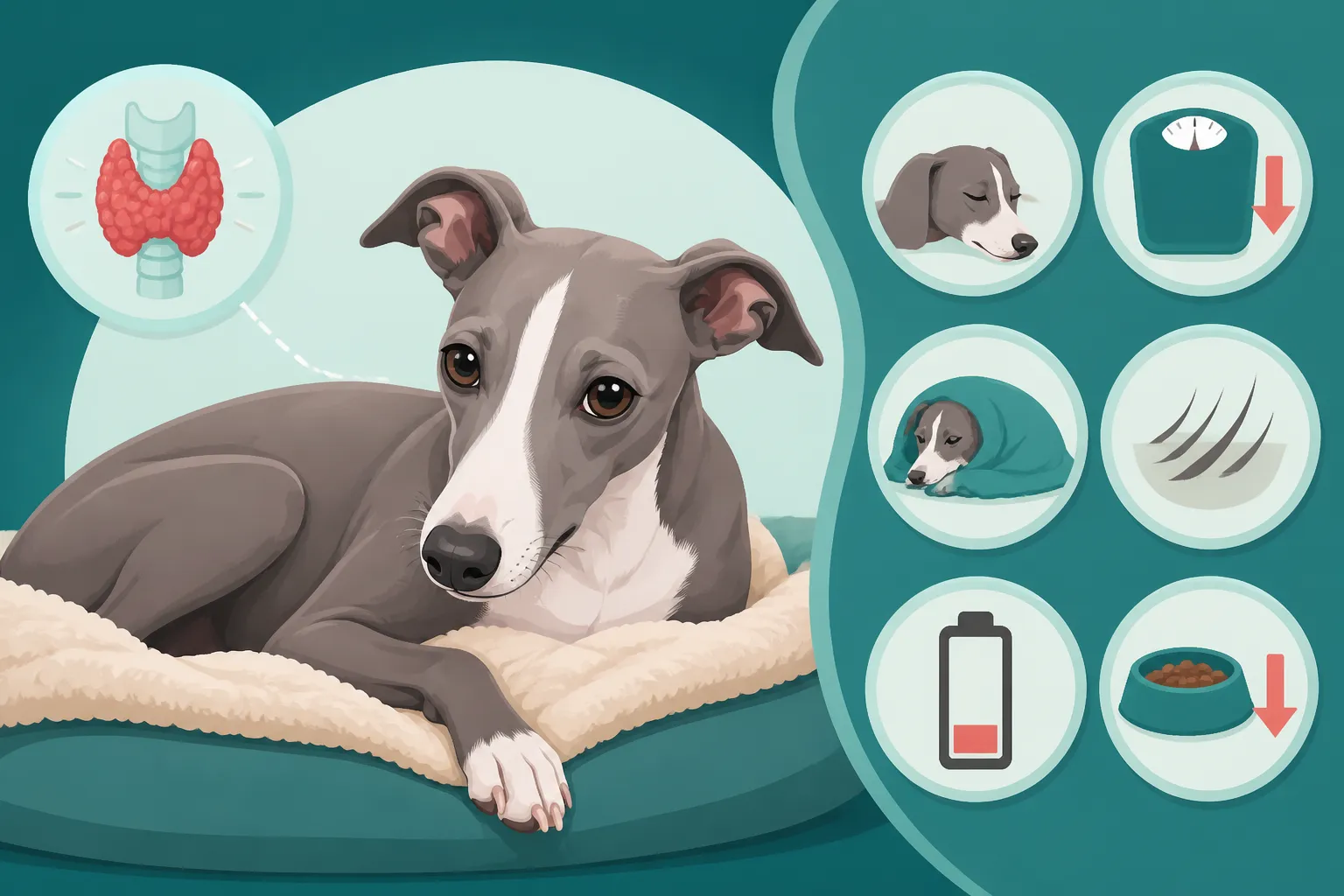
Deep within your Italian Greyhound's neck, near their voice box, sit two small, butterfly-shaped glands: the thyroid. These glands are tiny but mighty, producing hormones, primarily thyroxine (T4) and triiodothyronine (T3), that act like the body's master regulators. Think of them as the control panel for your dog's metabolism – every single cell in their body depends on these hormones to function correctly. They influence everything from energy production and growth to skin health, heart rate, and even brain function.
When an Italian Greyhound has an "underactive" thyroid, it means these glands aren't producing enough of these crucial hormones. This deficiency causes a widespread slowdown in their bodily processes, much like a car trying to run on fumes. The most common cause in dogs is called lymphocytic thyroiditis, an autoimmune disease where the body's immune system mistakenly attacks and destroys the thyroid gland itself. Less frequently, it can be idiopathic thyroid atrophy, where the gland simply degenerates for unknown reasons. Regardless of the cause, the result is the same: a systemic reduction in metabolism that can affect virtually every organ system, leading to a cascade of observable symptoms that can be frustratingly vague at first.
Why Italian Greyhounds Can Be Prone to Thyroid Issues
While Italian Greyhounds are generally considered a relatively healthy breed with a good lifespan – many enjoy Why an Italian Greyhound Lives Fourteen to Fifteen Years – they are not immune to certain health challenges, including hormonal imbalances. Though not as high on the "at-risk" list as breeds like Golden Retrievers or Doberman Pinschers, Italian Greyhounds can indeed develop hypothyroidism. It often manifests in middle-aged to older dogs, typically between four and ten years of age, but it can sometimes appear earlier.
The predisposition in certain breeds, including sighthounds, is often genetic. Breeders who prioritize health screenings understand the importance of testing for these conditions to minimize their prevalence. While it's not a trait that immediately disqualifies a breeding pair, responsible breeders will certainly be aware of any history of thyroid disease in their lines. It's always wise to discuss the health history of your puppy's parents with your breeder, including any endocrine disorders, to get a clearer picture of potential risks.
Subtle Early Warning Signs You Might Miss
One of the trickiest things about hypothyroidism is how subtly it can begin. These early signs are often easy to write off as normal aging, a temporary mood, or even just a phase. However, by being vigilant and knowing what to look for, you can catch these changes before they become more pronounced and potentially lead to more serious complications.
Behavioral Shifts and Energy Levels
Perhaps the most common early indicator that something isn't quite right with your Italian Greyhound's thyroid is a noticeable shift in their energy levels and overall demeanor. You might find your usually playful and energetic Iggy becoming increasingly lethargic, less interested in their favorite games, or just generally slowing down. They might sleep more than usual, seem less enthusiastic about walks, or be reluctant to engage in activities they once loved.
This isn't just about them being "lazy"; it's a genuine metabolic slowdown that zaps their vitality. You might notice they aren't greeting you with the same bounce or that their daily zoomies, a hallmark of the breed, are becoming shorter, less frequent, or non-existent. An Italian Greyhound that suddenly seems to prefer lounging indefinitely over a brisk trot might be giving you a quiet signal that their thyroid isn't pulling its weight. Keep a close eye on any sustained decrease in their usual zest for life.
Changes in Coat and Skin Health
The thyroid hormones play a massive role in maintaining healthy skin and a beautiful coat. When levels drop, you’ll often see significant deterioration. One of the classic signs of hypothyroidism is a dry, dull, and brittle coat that lacks its usual sheen. You might notice excessive shedding, even outside of normal seasonal cycles, leaving their delicate, fine hair all over your furniture and clothes. The hair itself may become thinner, and in some cases, you might even see symmetrical hair loss, particularly along their flanks, tail ("rat tail"), or the bridge of their nose.
Beyond the coat, the skin itself can suffer. It might become thickened, especially over pressure points, and take on a scaly or flaky appearance. Some Italian Greyhounds might develop hyperpigmentation, where areas of their skin darken. Because their immune system can also be compromised, they might become more prone to recurrent skin infections or allergies that are harder to clear up. If you notice any of these skin or coat changes, especially if they’re symmetrical, it's definitely a red flag that warrants veterinary attention.
Physical Symptoms That Become More Apparent
As hypothyroidism progresses, the signs tend to become more overt and harder to ignore. These physical manifestations are a direct consequence of the body's prolonged struggle with insufficient thyroid hormone, affecting their ability to regulate weight, temperature, and even the function of internal organs.
Weight Gain Without Diet Change
This is a classic sign of an underactive thyroid that many owners notice. Despite not changing their diet or exercise routine, your Italian Greyhound might start to put on weight. This isn't just about them getting a little chubby; it's often a combination of a slowed metabolism, which burns fewer calories, and sometimes even fluid retention, making them appear puffy or "bloated."
Given that Italian Greyhounds naturally Why an Italian Greyhound Carries Almost No Body Fat, any significant or unexplained weight gain is particularly noteworthy. They should be lean, with ribs easily felt but not visibly protruding. If your Iggy is gaining weight despite your best efforts, and other reasons like overfeeding have been ruled out, hypothyroidism should be high on the list of possibilities. It can be incredibly frustrating to see your dog gain weight when you're doing everything right, but understanding it might be a medical issue is the first step towards a solution.
Temperature Sensitivity and Shivering
Italian Greyhounds are notoriously sensitive to cold due to their minimal body fat and thin coats. This is why a sweater indoors (When an Italian Greyhound Needs a Sweater Indoors) is not just a fashion statement for them, but often a necessity. Hypothyroidism exacerbates this natural cold intolerance dramatically. With a lowered metabolism, their body struggles even more to generate and maintain warmth, making them feel the cold much more acutely.
You might notice your Italian Greyhound shivering more often, even in indoor temperatures that previously seemed comfortable for them. They'll actively seek out warm spots – burrowing deeper under blankets, cuddling closer to you, or insisting on being near a heat source. They might be less willing to go outside, even for short potty breaks, especially in cooler weather, or show increased reluctance to move from a warm bed. This heightened sensitivity to cold is a strong indicator that their internal thermostat is out of whack.
Other Less Common But Significant Indicators
While lethargy, weight gain, and coat/skin issues are the most common signs, hypothyroidism can present with a variety of other symptoms, some of which are less frequently observed but still important to recognize. For instance, some dogs with hypothyroidism can develop a slow heart rate, known as bradycardia. This is due to the thyroid hormones' direct influence on cardiac function.
In more advanced cases, neurological signs, though rare, can emerge. These might include weakness, facial nerve paralysis, or even seizures. It's a reminder of how widespread the effects of thyroid hormones are throughout the body. Additionally, hypothyroidism can affect the reproductive system, leading to fertility issues in breeding dogs, irregular heat cycles, or even stillbirths. Occasionally, you might notice some subtle facial swelling, particularly around the eyes, which gives a somewhat "tragic" or dull expression. If you observe any of these less common but significant indicators alongside the more typical signs, it strengthens the case for immediate veterinary evaluation.
| Symptom Category | Common Signs | Less Common / Advanced Signs |
|---|---|---|
| Energy & Behavior | Lethargy, increased sleeping, decreased activity | Disinterest in play, reluctance to walk, mental dullness |
| Coat & Skin | Dry, dull, brittle coat, excessive shedding | Symmetrical hair loss (flanks, tail), thickened/scaly skin, recurrent infections, hyperpigmentation |
| Weight | Unexplained weight gain, difficulty losing weight | Puffy appearance (fluid retention) |
| Temperature | Increased cold sensitivity, shivering | Seeking excessive warmth, reluctance to go outdoors in cool weather |
| Other | N/A | Slow heart rate (bradycardia), facial swelling, neurological issues, reproductive problems |
When to Consult Your Veterinarian and What to Expect
Recognizing the signs is just the first step. The next, and most crucial, is seeking professional veterinary help. Don't wait until your Italian Greyhound is severely symptomatic, as early intervention can make a world of difference in their quality of life and long-term health.
The Importance of Timely Diagnosis
If you suspect your Italian Greyhound has an underactive thyroid based on the signs discussed, don't hesitate to contact your veterinarian. Timely diagnosis is paramount because, left untreated, hypothyroidism can lead to more severe and debilitating health problems. While not typically a life-threatening emergency in its early stages, chronic untreated hypothyroidism can contribute to other serious conditions, including heart problems, anemia, and even myxedema coma in extreme, rare cases.
Moreover, addressing the issue promptly means your beloved Iggy can start feeling better sooner. Imagine how much better they'll feel once their metabolism is back on track, their energy returns, and their coat regains its luster. Early intervention improves their prognosis dramatically, helps prevent secondary issues like skin infections from becoming entrenched, and ensures they can continue to live a long, comfortable, and happy life. It’s about not just treating the symptoms, but restoring their overall vitality.
Diagnostic Process for Hypothyroidism
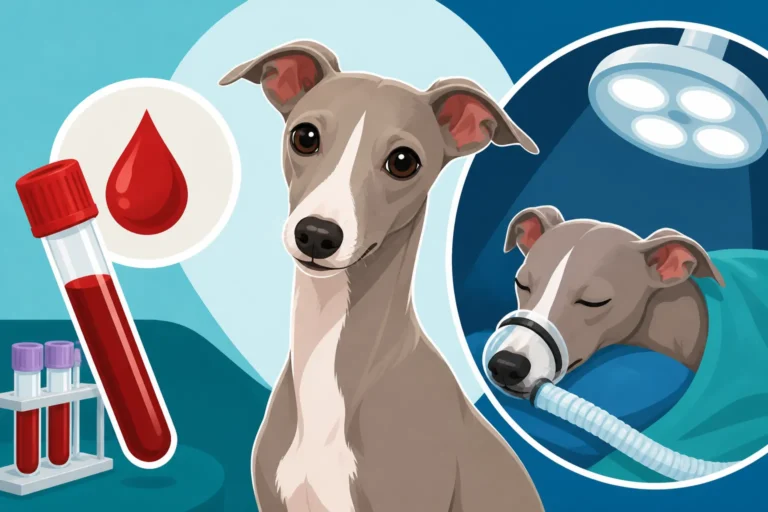
When you bring your Italian Greyhound to the vet with suspected hypothyroidism, they will start with a thorough physical examination and a detailed discussion of your dog's symptoms and medical history. Be prepared to share everything you’ve observed, no matter how minor it seems. From there, the diagnostic process primarily revolves around blood tests.
Your vet will likely recommend a complete thyroid panel, which typically measures several key hormones. This usually includes total T4 (thyroxine), free T4 (the unbound, active form of thyroxine), and canine TSH (thyroid-stimulating hormone). Low T4 and free T4 levels, especially when combined with an elevated TSH, are strong indicators of primary hypothyroidism. Sometimes, additional tests like autoantibody measurements might be included to identify an autoimmune cause. It's important to remember that certain medications or other illnesses can influence thyroid hormone levels, so your vet will take a holistic view of your Italian Greyhound's health before making a definitive diagnosis.
Management and Long-Term Care
Once hypothyroidism is diagnosed, the good news is that it’s a very manageable condition. The primary treatment involves daily oral medication – synthetic thyroid hormone replacement, typically levothyroxine. This medication simply replaces the hormones your Italian Greyhound's thyroid gland isn't producing enough of. Your vet will determine the appropriate dosage, which is crucial for successful treatment.
Initial dosages are often adjusted based on follow-up blood tests, usually performed a few weeks after starting medication, to ensure the levels are within the normal range. Once stable, your Iggy will require lifelong medication and regular monitoring, typically with blood tests every six to twelve months, to ensure the dosage remains effective. Consistency in administering the medication is key, and most dogs respond wonderfully, showing significant improvement in their symptoms within weeks. For managing the costs of such a chronic condition, pet insurance can be a huge help. Providers like Healthy Paws can assist with the ongoing expenses of medication and follow-up diagnostic tests, giving you peace of mind that you can afford the best care for your Italian Greyhound throughout their Caring for an Italian Greyhound Past Eleven and beyond. Having a plan like What Pet Insurance Actually Covers on an Italian Greyhound in place can truly ease the financial burden over your dog’s lifetime.
Beyond medication, supportive care involves maintaining a healthy diet to help manage any weight gain and ensuring they stay warm, especially given their natural tendency to get cold (Why an Italian Greyhound Cannot Hold Its Own Heat). With diligent care and consistent medication, an Italian Greyhound with hypothyroidism can live a full, happy, and long life, often with complete resolution of their symptoms.
Disclaimer
The information provided in this article is for educational and informational purposes only, and does not constitute veterinary medical advice. Always consult with a qualified veterinarian for any health concerns or before making any decisions related to your pet's health and treatment.