How Slowly an Italian Greyhound Wakes From Anesthesia
It can be incredibly nerve-wracking to pick up your Italian Greyhound from the veterinary clinic after a procedure requiring anesthesia, only to find them groggy, stumbling, and far from their usual energetic self. Many owners are genuinely shocked by how long it takes these delicate sighthounds to truly "wake up," leaving them worried and wondering if something is wrong. This comprehensive guide will explain why Italian Greyhounds have a unique response to anesthesia and what you can realistically expect during their recovery.
Why Italian Greyhounds Are So Sensitive to Anesthesia
The Italian Greyhound's distinctive physiology, while making them incredibly elegant and charming companions, also makes them particularly sensitive to anesthetic agents. This isn't a sign of weakness; it's simply a biological reality that requires a highly informed and cautious approach from your veterinary team. Understanding these unique factors can help you advocate for your beloved companion and prepare for their recovery.
Unique Sighthound Metabolism
Italian Greyhounds, like other sighthounds such as Greyhounds and Whippets, possess a metabolism that's quite different from most other dog breeds. Their lean body mass and efficient systems mean that certain drugs are metabolized and eliminated from their bodies at a different rate. For instance, some anesthetic agents, particularly those that are lipid-soluble (meaning they dissolve in fat), can linger longer in their systems. Because Italian Greyhounds have very little body fat compared to other breeds, these drugs aren't absorbed into fat tissues as quickly. This means the drugs stay in their bloodstream and brain for an extended period, leading to a much slower, more prolonged recovery from sedation and anesthesia. This is a critical point that any vet administering anesthesia to your Italian Greyhound should be intimately familiar with. If you're wondering, it's why vets often recommend that your chosen veterinarian should ideally be familiar with the nuances of sighthound physiology. You can learn more about this by reading about Why an Italian Greyhound's Vet Should Know Sighthounds.
Lack of Insulating Body Fat
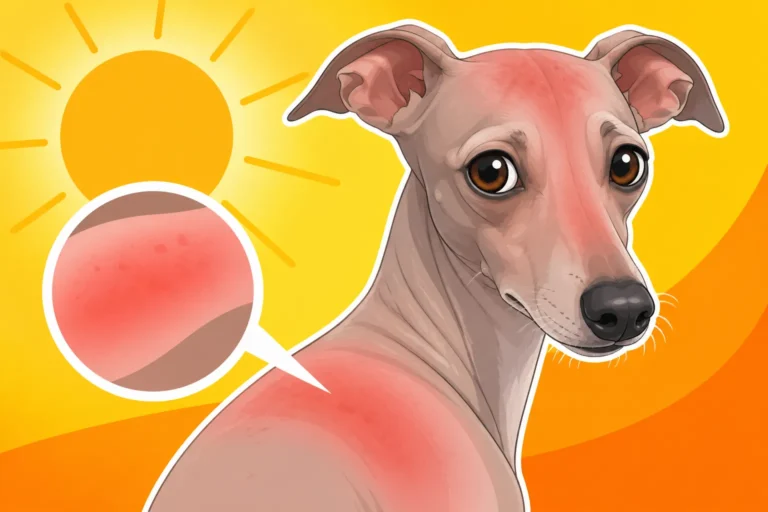
Take a moment to feel your Italian Greyhound's ribs and spine; you'll notice how incredibly thin and lean they are. This extreme lack of body fat, while contributing to their graceful appearance, also means they have very little natural insulation. This is a major factor in how they handle anesthesia. Most anesthetic drugs cause a drop in body temperature, and without sufficient fat to keep them warm, Italian Greyhounds are highly susceptible to hypothermia during and after a procedure. This isn't just about comfort; a significant drop in body temperature slows down their metabolic rate even further, meaning the drugs are processed even more slowly, prolonging their recovery time. Think of it like trying to warm up a cold room with the windows open; it's a constant battle. This is precisely why specialized protocols are in place to ensure proper Warming an Italian Greyhound Through Surgery.
Temperature Regulation Challenges
Beyond the simple lack of fat, Italian Greyhounds also have a harder time actively regulating their body temperature, especially when under the influence of sedatives. Their large surface area to body mass ratio further exacerbates heat loss. During surgery, they are often lying on a cold table, which quickly draws heat away from their bodies. Even with blankets and warming devices, maintaining a stable core temperature can be a challenge. The shivering you might observe during recovery isn't just from being cold; it's their body's attempt to generate heat, but it also expends energy at a time when they need it most for recovery. This sensitivity to cold is why you might notice Why a Nine Pound Italian Greyhound Gets Cold on the Table even during routine exams, let alone major surgery. It's a constant concern for us IG owners to keep them comfortable, which extends into their post-anesthesia care.
The Recovery Process: What to Expect in the Clinic and at Home
Watching your Italian Greyhound recover from anesthesia can be alarming, especially if you're not prepared for their typically slow and sometimes disoriented awakening. It’s a process that demands patience and careful observation, both from your veterinary team and from you once your beloved pet is back in your care. Knowing what's normal will help you differentiate between typical grogginess and something that might warrant a call to your vet.
Initial Waking in the Clinic
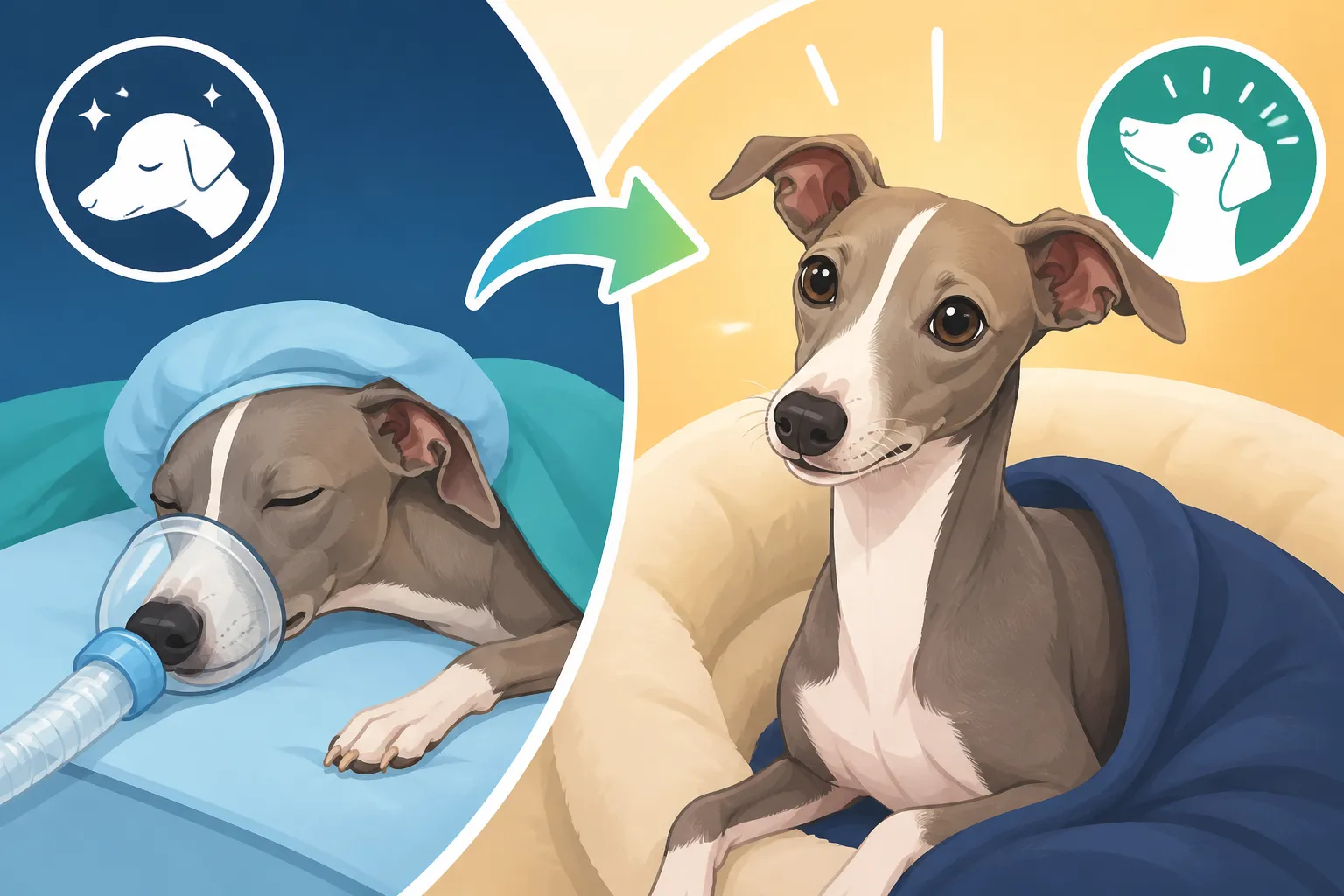
When your Italian Greyhound first starts to stir from anesthesia, it's rarely a quick, clean process like a human waking from a nap. They often appear deeply disoriented, bumping into things, struggling to stand, and sometimes crying out in confusion or discomfort. The veterinary staff will be carefully monitoring their vital signs – heart rate, respiration, and especially their body temperature – and providing additional warmth if needed. They might use specialized warming blankets or even incubators to help bring their temperature back up to a safe level. This initial phase, often still at the clinic, is where their unique physiology truly shines through in a challenging way. You might be told they are "still a little out of it," which for an IG means they could be truly wobbly and uncoordinated for hours. This careful monitoring is part of why Why Anesthesia Is Handled Differently in an Italian Greyhound.
Bringing Your Italian Greyhound Home
The moment you bring your Italian Greyhound home after anesthesia, you might expect them to be nearly back to normal, but that's rarely the case. They are likely to still be very drowsy, staggering when they walk, and potentially bumping into furniture. Some IGs might whine or cry intermittently, not necessarily from pain, but from confusion as the drugs continue to wear off. They might also appear unusually quiet and withdrawn, seeking out a dark, quiet spot to rest. Expect them to want to sleep, a lot, for the rest of the day and possibly even into the next. It's crucial to have a safe, warm, and easily accessible space ready for them, perhaps a crate lined with soft, warm blankets or a bed on the floor to prevent falls. If you've wondered Whether an Italian Greyhound Gets Cold Under Sedation, you'll definitely see the effects at home during this stage.
Common Post-Anesthesia Behaviors
Beyond grogginess, you might observe a range of common behaviors in the hours following anesthesia. Many Italian Greyhounds experience a temporary loss of appetite or mild nausea, making them reluctant to eat. They might also need to urinate more frequently or have a few accidents inside the house due to lingering drug effects or disorientation. Some dogs may shiver a lot, which could be from being cold, residual drug effects, or even mild anxiety. Restlessness or pacing can also occur as they slowly come out of the fog. It's important to remember that these behaviors, while concerning to a worried owner, are often typical for Italian Greyhounds. However, significant vomiting, severe tremors, collapse, extreme lethargy that doesn't improve, or signs of intense pain warrant immediate contact with your vet.
Here's a quick comparison of what to expect:
| Feature | Typical Dog Recovery (Non-Sighthound) | Italian Greyhound Recovery |
|---|---|---|
| Initial Wakefulness | Often alert within 1-2 hours, mild grogginess. | Deeply disoriented, stumbling, crying for 3-6 hours or more. |
| Appetite | May eat small meal within a few hours. | Often delayed for 6-12 hours, sometimes longer. |
| Coordination | Wobbly for a short period, generally regains balance quickly. | Staggering, bumping into objects, difficulty standing for many hours. |
| Temperature | May be slightly low, often normalizes within a few hours with blankets. | Significant risk of hypothermia, requires active warming for longer. |
| Overall Drowsiness | Sleeps more but rouses easily, largely "themselves" by next morning. | Very deep sleep, often appears drugged, can take 24-48 hours to fully clear. |
| Environmental Needs | Quiet, comfortable spot. | Warm, quiet, low-level, easily accessible bed with many blankets. |
Essential Post-Anesthesia Care for Your Italian Greyhound
Bringing your Italian Greyhound home after anesthesia isn't just about providing cuddles; it requires specific, proactive care to ensure a smooth and safe recovery. Your role as an owner is paramount in preventing complications and supporting their unique physiological needs during this vulnerable time. A little preparation goes a long way in making this experience less stressful for both of you.
Prioritizing Warmth and Comfort
Given their minimal body fat and challenge with temperature regulation, keeping your Italian Greyhound warm is absolutely critical. Even if the house feels comfortable to you, it might not be enough for your groggy, recovering IG. Set up a nest of soft, warm blankets in their crate or on their bed. Consider using a heated dog bed on a low setting, or wrap a warm (not hot!) water bottle or rice sock in a towel and place it near them. Keep them away from drafts, open windows, or air conditioning vents. Just like Keeping an Italian Greyhound Warm Is Daily Work, Not a Winter Job, it's even more important after surgery. Their thin skin also means they appreciate soft surfaces, so a plush bed or plenty of blankets are key to comfort and preventing pressure sores. Think about a specially designed orthopedic bed, as mentioned in The Bedding a Thin Skinned Italian Greyhound Actually Needs.
Monitoring Hydration and Appetite
Your vet will likely advise you on when to offer water and food. Typically, once they are more awake and can stand steadily, you can offer small amounts of water. Don't let them gulp too much, as this can lead to vomiting. If they hold down water for an hour or two, you can try offering a small, bland meal. This might be boiled chicken and rice or their usual food mixed with a little warm water to make it softer and more appealing. Don't be alarmed if their appetite is suppressed for the first 12-24 hours; this is common. However, if they refuse water or food for longer than your vet recommended, or if they are vomiting repeatedly, it’s time to call the clinic. Staying hydrated helps flush the remaining anesthetics from their system and supports overall recovery. Remember to offer food in small, frequent portions to ease their stomach.
Preventing Post-Surgical Complications
Your vigilance is key to preventing complications. If your Italian Greyhound had surgery, closely monitor the incision site for any signs of redness, swelling, discharge, or if it appears open. Prevent them from licking or chewing the incision, using a cone (Elizabethan collar) if necessary. Confine them to a small, safe area where they can't jump on or off furniture, run, or climb stairs, as their coordination will be compromised. This is especially crucial for IGs, who are prone to fractures even when fully alert. A seemingly small jump could easily lead to a broken leg when they're still wobbly. Ensure their bladder is emptying regularly. If they are straining to urinate or defecate, or haven't gone within a reasonable timeframe, consult your vet. They may have been given Which Sedatives an Italian Greyhound Should Not Be Given or combinations that could affect bowel movements.
Managing Your Own Anxiety During Recovery
It's completely normal to feel a surge of anxiety when your Italian Greyhound is recovering from anesthesia. Their vulnerability, coupled with their notoriously fragile build and dramatic recovery tendencies, can make any owner feel helpless and worried. Remember, you're not alone in these feelings. Thousands of IG owners go through this same stressful experience, and acknowledging your stress is the first step toward managing it.
Preparing for the Unknown
The best way to combat anxiety is through preparation and knowledge. Before the procedure, have a detailed conversation with your vet about the specific anesthetic protocol they will use for your Italian Greyhound. Ask them about their experience with sighthounds and their specific warming and recovery plans. Understand what medications they will use and how long they expect the recovery to take. Knowing what to expect – that your IG will be extra groggy and wobbly – can make the reality less shocking. Prepare your home with warm beds, easy access to water, and a safe, confined space before you pick them up. This proactive approach helps you feel more in control during a situation where much is out of your hands. Don't forget to ask about potential costs; understanding What an Italian Greyhound's Emergency Vet Visit Costs can alleviate financial stress later.
When to Call the Vet
Even with thorough preparation, there will always be moments of doubt. It's better to be overly cautious than to regret not calling. Don't hesitate to contact your veterinary clinic if you observe any of the following:
- Persistent, uncontrolled shivering or inability to get warm.
- Repeated vomiting, especially if unable to keep water down.
- Labored breathing, excessive panting, or blue/pale gums.
- Inability to urinate or significant straining.
- Severe pain despite prescribed pain medication.
- Complete lack of interest in moving or responding to you after 24 hours.
- Any signs of an adverse reaction at the surgical site (excessive swelling, bleeding, pus).
- Any behavior that just "feels wrong" to you. Trust your gut; you know your Italian Greyhound best.
Your vet wants to hear from you and address your concerns. This is particularly important for breeds like IGs where complications can sometimes escalate quickly.
The Importance of Patience
Recovery from anesthesia, especially for an Italian Greyhound, is a marathon, not a sprint. It takes time for the drugs to fully clear their system, for their body temperature to stabilize, and for their coordination and normal personality to return. Try to create a calm, quiet environment for them to rest without excessive stimulation. While it’s tempting to hover and fuss, sometimes the best thing you can do is let them sleep undisturbed. Focus on the small improvements, like them lifting their head more easily or taking a few sips of water. This period can be emotionally draining, so make sure you're also taking care of yourself. Knowing that you've done everything you can, from getting pre-anesthetic Bloodwork Before an Italian Greyhound's Anesthesia to preparing their recovery space, is a huge part of managing your anxiety. Having pet insurance like Healthy Paws can also offer immense peace of mind, especially when unexpected vet visits or complications arise, ensuring you can focus on their recovery without added financial strain. This kind of coverage, often detailed in articles like What Pet Insurance Actually Covers on an Italian Greyhound, is invaluable.
Disclaimer
The information provided in this article is for general informational purposes only and is not a substitute for professional veterinary advice. Always consult with a qualified veterinarian for any health concerns or before making any decisions about your pet's health or treatment.