Which Sedatives an Italian Greyhound Should Not Be Given
It’s a terrifying moment for any Italian Greyhound owner when your beloved, fragile companion needs a procedure that requires sedation or anesthesia. The worry is palpable, and many of us have heard whispers, or even direct warnings from vets, about how differently Iggys handle these drugs compared to other breeds. This guide is here to shed light on those concerns, helping you understand why some sedatives are riskier for your Italian Greyhound and what questions to ask your vet to ensure their safety.
Why Sedation is a Unique Challenge for Italian Greyhounds
Italian Greyhounds aren't just small dogs; their unique physiology means they metabolize and react to sedatives and anesthesia in ways that differ significantly from most other breeds. This isn't just a quirky trait; it's a critical factor that needs careful consideration every single time they go under.
The Impact of Low Body Fat on Anesthesia
One of the most defining characteristics of an Italian Greyhound is their incredibly lean body mass. They are true sighthounds, built for speed with minimal body fat, often carrying only around seventeen percent body fat. While this contributes to their elegant, athletic appearance, it also has profound implications for how their bodies process certain medications. Many anesthetic drugs are fat-soluble, meaning they are absorbed by and stored in fatty tissues before being slowly released and metabolized. In breeds with more fat, these drugs are distributed and then gradually released, leading to a smoother, more predictable recovery.
However, an Italian Greyhound simply doesn't have the fatty reserves to act as a buffer. This means that a drug that would be safely sequestered in fat cells in a Labrador might circulate at higher concentrations in an Iggy's bloodstream, leading to a much more potent and prolonged effect. The initial dose might seem appropriate, but without that fatty tissue redistribution, the drug's impact can be much more intense, causing deeper sedation than intended and a significantly extended recovery period. This often means they take far longer to wake up, sometimes exhibiting disorientation and weakness for hours longer than expected, making for a very anxious waiting period for owners.
Extreme Sensitivity to Cold During Procedures
Another major concern stems directly from their sparse body fat and thin skin: hypothermia. Italian Greyhounds simply cannot maintain their body temperature as effectively as other breeds, even in a warm room. When you combine this natural predisposition with the effects of sedatives, which depress the central nervous system and can interfere with the body's thermoregulation, you have a recipe for dangerously low body temperatures.
During any procedure requiring sedation, a vet clinic needs to be acutely aware of an Italian Greyhound's tendency to get cold on the table. This isn't just about comfort; hypothermia can slow down drug metabolism even further, prolonging recovery and increasing the risk of complications. It can also stress their cardiovascular system. Ensuring your Italian Greyhound is kept warm throughout the entire process—before, during, and after—is paramount. This often involves specialized warming blankets, heated IV fluids, and constant temperature monitoring, especially as they're coming out of anesthesia. It’s why you'll often hear us talk about Why a Nine Pound Italian Greyhound Gets Cold on the Table and why it’s so vital for their care.
Sedatives to Approach with Extreme Caution or Avoid Entirely
Given their unique physiology, certain sedatives that are commonly used in other dog breeds can pose significant risks to Italian Greyhounds. It's crucial for your veterinarian to understand these sensitivities and select appropriate alternatives. This is often where a sighthound-savvy vet really shines.
Phenothiazine Derivatives like Acepromazine
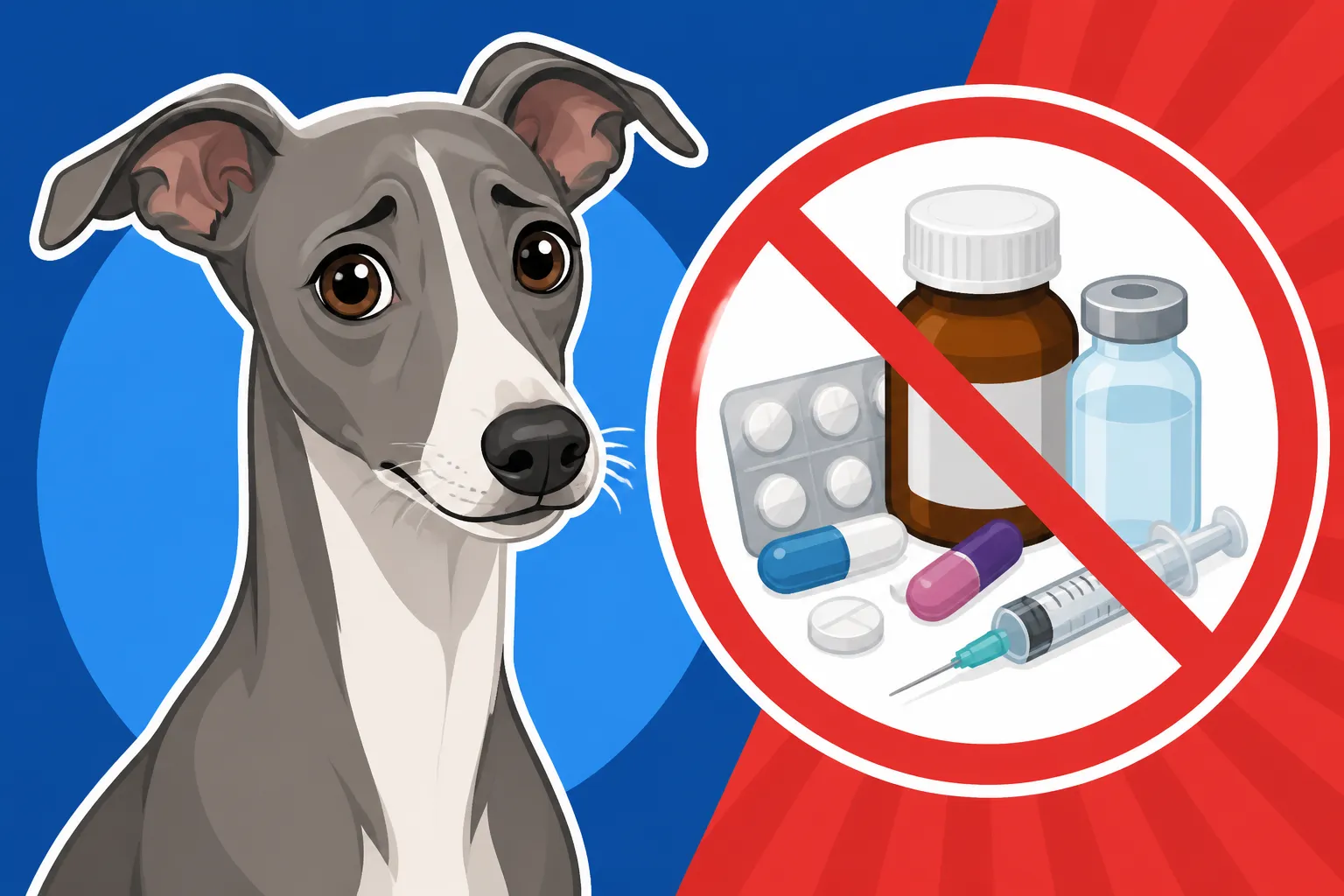
One of the most common sedatives that Italian Greyhound owners are often warned about is acepromazine, which belongs to a class of drugs called phenothiazines. While effective at calming anxious dogs, acepromazine can have a dramatically different and more intense effect on sighthounds. For an Italian Greyhound, even a small dose can lead to profound, prolonged sedation that can last for many hours, sometimes even a full day. Owners have reported their Iggys being completely "out of it," unresponsive, and struggling to coordinate movements for far longer than anticipated.
Beyond the extended sedation, acepromazine can also cause a significant drop in blood pressure (hypotension) and a further decrease in body temperature (hypothermia), both of which are already risks for Italian Greyhounds. The drug lacks an effective reversal agent, meaning once it's administered, you simply have to wait for it to wear off. This lack of control over the depth and duration of sedation makes it a less-than-ideal choice for a breed as sensitive as the Italian Greyhound, especially when safer, reversible options exist. It’s why you hear discussions about Why Anesthesia Is Handled Differently in an Italian Greyhound and the need for specialized protocols.
Thiobarbiturates Such as Thiopental
Another class of drugs that are generally considered highly risky for Italian Greyhounds and other sighthounds are the thiobarbiturates, with thiopental being a prime example. These drugs are fast-acting, often used for induction of anesthesia. In most dogs, thiopental quickly enters the bloodstream, then redistributes into fatty tissues, which helps shorten the duration of its effect in the central nervous system. This redistribution allows for a relatively quick "wake-up" as the drug moves out of the brain.
However, as we discussed, Italian Greyhounds have very little body fat. This means that when thiopental is administered, there's no significant "fat sink" for the drug to redistribute into. Consequently, it remains in the bloodstream and brain at higher concentrations for longer periods. This can lead to an excessively deep and prolonged state of anesthesia, making recovery much more difficult and hazardous. The lack of adequate fatty tissue for redistribution means that the effects are much more sustained and potent, increasing the risk of respiratory depression and cardiovascular complications during recovery. Many sighthound specialists advocate for completely avoiding these types of drugs in Italian Greyhounds due to these inherent risks.
Safer Sedation Options and Protocols for Italian Greyhounds
Understanding the risks is important, but so is knowing that there are indeed safer options and protocols available for your Italian Greyhound. Modern veterinary medicine offers a variety of anesthetic drugs and techniques that minimize risk, especially when administered by a veterinary team experienced with sighthounds.
Preferred Sedative Choices
When it comes to sedation or anesthesia for an Italian Greyhound, many sighthound-savvy veterinarians lean towards drugs that are either quickly metabolized by the liver and kidneys, or those that have readily available reversal agents. This allows for more precise control over the depth and duration of sedation, which is critical for such a sensitive breed.
One excellent example is propofol, an intravenous anesthetic that acts very quickly and has an ultra-short duration of action because it's rapidly metabolized by the body, rather than relying on fat redistribution. This means that an Italian Greyhound can be induced and recover from propofol much more predictably than from a thiobarbiturate, significantly reducing the risk of prolonged grogginess. Alfaxalone is another newer injectable anesthetic that shares similar desirable characteristics, offering a smooth induction and rapid recovery. Both propofol and alfaxalone are often used for short procedures or as induction agents before transitioning to an inhalant anesthetic.
For longer procedures, inhalant anesthetics like isoflurane or sevoflurane are generally preferred after induction, as they allow for minute-by-minute control over the anesthetic depth. The pet is maintained on gas, and once the gas is turned off, they wake up relatively quickly as the drug is exhaled, with less reliance on organ metabolism or fat redistribution. When sedation is needed for less invasive procedures, or as a pre-medication, combinations of drugs like an opioid (e.g., butorphanol) with a benzodiazepine (e.g., midazolam or diazepam) or an alpha-2 agonist (e.g., dexmedetomidine) are often chosen. The key advantage of alpha-2 agonists is that they have specific reversal agents (e.g., atipamezole), allowing the veterinary team to "wake up" the dog almost immediately if needed, providing an extra layer of safety. This careful selection and understanding of drug interactions are why it's so vital for Which Health Tests an Italian Greyhound Breeder Should Run to include considerations for vet protocols.
Essential Monitoring and Support Protocols
Beyond the choice of drugs, the actual protocol for administering and monitoring anesthesia is paramount for Italian Greyhounds. Any veterinary team working with an Iggy should implement a rigorous approach to their care. This begins even before the procedure with thorough Bloodwork Before an Italian Greyhound's Anesthesia to ensure organs like the liver and kidneys are functioning optimally to metabolize drugs.
During the procedure, continuous and vigilant monitoring is non-negotiable. This includes:
- Intravenous (IV) Catheter and Fluids: An IV catheter is essential for administering drugs, fluids, and emergency medications quickly. IV fluids help maintain blood pressure and hydration, which is crucial, especially for such lean dogs.
- Temperature Regulation: As discussed, Italian Greyhounds get cold easily. The veterinary team must actively prevent hypothermia using circulating warm water blankets, forced-air warming systems (like Bair Huggers), and heated IV fluids. Monitoring core body temperature continuously is critical.
- Cardiovascular Monitoring: Continuous ECG (electrocardiogram) to track heart rhythm, blood pressure monitoring, and pulse oximetry (to measure oxygen saturation in the blood) are all vital to catch any subtle changes early.
- Respiratory Monitoring: End-tidal CO2 monitoring (capnography) helps ensure adequate ventilation and detects any respiratory depression, which can be a side effect of sedatives.
Post-procedure, the careful monitoring continues into recovery. Italian Greyhounds can take longer to wake up, and they must be kept warm and in a quiet, low-stress environment. The veterinary staff should closely observe them for shivering, disorientation, and any signs of discomfort. It’s not uncommon for them to still be a bit wobbly, even if conscious, and extra care is needed to prevent falls as they regain full coordination. The goal is always a smooth, controlled, and safe recovery, which often requires more hands-on attention than for many other breeds.
Preparing Your Italian Greyhound for Any Sedation Procedure
As a devoted Italian Greyhound owner, your role in advocating for your dog's safety during any sedation or anesthetic procedure is absolutely critical. You are their voice, and being well-informed and prepared can make all the difference.
Advocating for Your Italian Greyhound with Your Vet
The first and most important step is open and honest communication with your veterinarian. Don't be afraid to ask questions, even if you feel like you're asking "too many." You are your dog's best advocate. Make sure your vet understands that your dog is an Italian Greyhound and is aware of the breed's unique anesthetic sensitivities. It’s always best to choose a vet who knows sighthounds, or at least is willing to research and adapt their protocols. Many specialized sighthound vets are available, and it's always worth asking your breeder or local Italian Greyhound rescue for recommendations. You might find that Why an Italian Greyhound's Vet Should Know Sighthounds is a topic many owners are passionate about.
Before any procedure, discuss the specific anesthetic protocol they plan to use. Ask about the drugs they intend to administer, whether they have reversal agents, and what measures they take to prevent hypothermia. Enquire about their monitoring equipment and staffing during anesthesia and recovery. If your vet isn't familiar with the specific sensitivities of Italian Greyhounds to certain drugs like acepromazine or thiopental, politely share your concerns and ask if they would consider alternative, sighthound-safe options. A good vet will appreciate your informed concern and be willing to discuss their approach in detail.
It's also a good idea to discuss the financial aspects of care, especially for unexpected emergencies. Pet insurance, such as a plan from Healthy Paws, can be incredibly beneficial for covering unforeseen expenses like emergency surgeries or prolonged hospital stays that might involve extensive sedation and monitoring. Having a plan like Healthy Paws in place can give you peace of mind, allowing you to focus on your dog's recovery without the added stress of crushing vet bills.
Pre-Procedure and Post-Procedure Care at Home
Your involvement extends beyond just talking to the vet; your actions at home before and after the procedure play a significant role in your Iggy's safety and comfort. Before the appointment, follow all fasting instructions precisely. This is usually to prevent aspiration (inhaling vomit) during anesthesia, which can be very dangerous. Even a tiny treat can cause problems, so resist those pleading eyes!
When you take your Italian Greyhound to the clinic, bring their favorite blanket or a sweater to help keep them warm and comforted. These familiar scents can also help reduce anxiety, making the sedation process a bit smoother. If the procedure involves a nail trim, for instance, you might discuss Sedation for an Italian Greyhound's Nail Trim ahead of time to ensure minimal stress.
After the procedure, when you bring your precious Iggy home, be prepared for a period of careful observation and support. They will likely be groggy, disoriented, and colder than usual. Keep them in a warm, quiet, and safe space, away from stairs or other hazards. Offer small amounts of water initially, and once they seem more alert, a small, easily digestible meal. Keep them wrapped in warm blankets and check their temperature if you have a rectal thermometer at home. Expect them to sleep a lot and perhaps be a bit "out of it" for the remainder of the day. If you notice excessive lethargy, difficulty breathing, persistent vomiting, or any other worrying signs, don't hesitate to call your vet immediately. Having a robust pet insurance plan, like Healthy Paws, means that if any unexpected complications arise after you've brought your IG home, you won't hesitate to seek immediate follow-up care.
For owners of Italian Greyhounds, knowing the ins and outs of anesthesia and sedation is not just good practice, it's a vital part of responsible ownership. Being informed means you can better protect your delicate companion.
Comparative Sedation Guide for Italian Greyhounds
To help summarize, here's a quick reference comparing different types of sedatives and their general suitability for Italian Greyhounds. Remember, this is a general guide, and your veterinarian will make the final decision based on your individual dog's health and the specific procedure.
| Sedative Class | Common Examples | General Suitability for Italian Greyhounds | Key Considerations |
|---|---|---|---|
| Phenothiazines | Acepromazine | AVOID / HIGH RISK | Prolonged, profound sedation; significant hypotension (low blood pressure); no reversal agent; exacerbates hypothermia. |
| Thiobarbiturates | Thiopental, Methohexital | AVOID / HIGH RISK | Prolonged, deep anesthesia due to lack of body fat for redistribution; higher risk of respiratory and cardiovascular issues. |
| Opioids | Butorphanol, Buprenorphine | Generally Good | Excellent pain relief and mild sedation; reversible; often used as pre-medication or for minor procedures. |
| Benzodiazepines | Midazolam, Diazepam | Generally Good | Mild calming and muscle relaxation; reversible; often used in combination with other drugs, especially for anxious Iggys. |
| Alpha-2 Agonists | Dexmedetomidine, Xylazine | Good with Caution | Provide good sedation and pain relief; REVERSIBLE (critical safety feature); can cause initial blood pressure spike, then drop. Used at lower doses. |
| Cyclohexamines | Ketamine | Used with Caution | Often combined with other drugs; not typically used alone for sedation in Iggys. |
| Dissociatives | Tiletamine | Used with Caution | Often combined in a mixture; similar considerations to ketamine. |
| Non-Barbiturates | Propofol, Alfaxalone | PREFERRED | Rapid onset and ultra-short duration due to rapid metabolism; smooth induction and recovery; less reliance on fat. |
| Inhalants (Gas) | Isoflurane, Sevoflurane | PREFERRED | Excellent for maintenance after induction; precise control over anesthetic depth; rapid recovery once turned off. |
Disclaimer
The information provided in this guide is for informational purposes only and does not constitute veterinary medical advice. Always consult with a qualified veterinarian regarding any medical concerns or before making any decisions about your Italian Greyhound's health or treatment plan. Anesthesia and sedation carry inherent risks, and individual responses to medications can vary.