What Health Testing an Italian Greyhound Breeder Should Show
Finding a reputable Italian Greyhound breeder can feel like navigating a minefield, especially when you’re trying to understand all the jargon around health clearances. Many prospective owners get overwhelmed, worrying they might accidentally support unethical practices or end up with a puppy prone to serious, heartbreaking health issues. This guide will walk you through the essential health tests a responsible Italian Greyhound breeder should be doing, explaining why each one matters and how to interpret the documentation they provide, so you can choose your future companion with confidence and peace of mind.
Why Health Testing Matters So Much for Italian Greyhounds
Bringing an Italian Greyhound into your home is a commitment to a lifetime of love, joy, and yes, sometimes worry. But a significant portion of that worry can be alleviated right from the start by choosing a puppy from parents who have undergone thorough health testing. It's not just about avoiding immediate problems; it's about setting your future companion up for the longest, happiest, and healthiest life possible.
Understanding Inherited Conditions
Italian Greyhounds, like all purebred dogs, have certain genetic predispositions to specific health conditions. These aren't always immediately obvious in a cute, bouncy puppy. They can lie dormant, only to emerge months or even years down the line, often leading to costly treatments and significant heartache. Think about conditions like Progressive Retinal Atrophy (PRA), which can cause blindness, or Patellar Luxation, where the kneecap slips out of place, causing pain and lameness. These aren't random occurrences; they are often passed down through generations. A responsible breeder understands this genetic lottery and actively works to reduce the odds of these conditions appearing in their puppies by screening the parent dogs. It’s a proactive measure that speaks volumes about their dedication to the breed's future and the well-being of their puppies.
The Ethical Breeder's Commitment
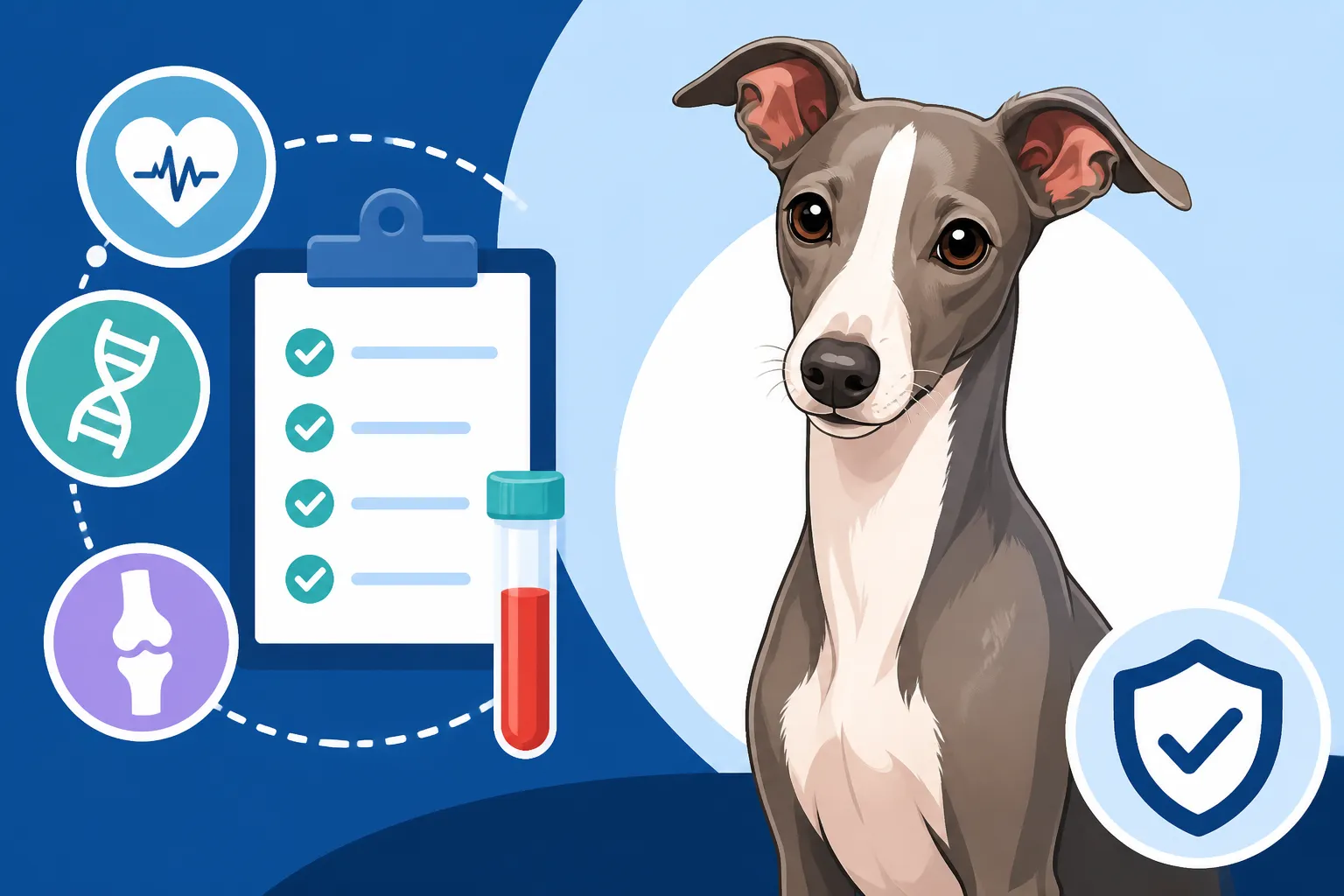
An ethical breeder views themselves as a steward of the breed, not just someone selling puppies. This means they are deeply invested in improving the health, temperament, and conformation of Italian Greyhounds. Health testing is a cornerstone of this commitment. It demonstrates that they are making informed breeding decisions, not just pairing two dogs because they are pretty or convenient. They spend considerable time and financial resources taking their breeding dogs to veterinary specialists for these evaluations. They share these results transparently, often through public databases, because they have nothing to hide and everything to gain from producing healthy, well-adjusted puppies. When a breeder proudly presents detailed health clearances for the parents, it's a strong indicator of their integrity and passion for Italian Greyhounds. They understand the nuances of What an Italian Greyhound Breeder Should Have Tested and actively pursue those screenings.
Saving Future Vet Bills and Heartache
Let’s be honest, vet bills can be incredibly expensive. While no amount of testing can guarantee a dog will never face health challenges, thorough health screening of breeding stock drastically reduces the likelihood of inheriting certain genetic conditions. Imagine adopting a puppy only to discover a year later it needs expensive knee surgery for a luxating patella, or that it’s slowly losing its eyesight due to a genetic eye condition. These situations are emotionally and financially draining. By choosing a puppy from health-tested parents, you're investing in prevention. It can mean the difference between a lifetime of manageable preventative care and chronic, expensive medical interventions. Organizations like Healthy Paws offer pet insurance plans, but even with insurance, deductibles and co-pays for recurring genetic issues can add up quickly. A healthy start for your Italian Greyhound means fewer unexpected trips to the veterinary specialist and more joyful moments at home.
The Essential Health Tests for Italian Greyhounds
When you're speaking with a prospective breeder, you'll want to inquire about specific tests. These aren't just general vet check-ups; they are specialized screenings designed to identify common inherited conditions in Italian Greyhounds. Knowing what to ask for and why will empower you in your search.
Eye Examinations (CERF/OFA Eye Certification)
One of the most crucial tests for Italian Greyhounds is a comprehensive eye examination performed by a board-certified veterinary ophthalmologist. Historically, these results were often registered with the Canine Eye Registry Foundation (CERF), but many are now maintained through the Orthopedic Foundation for Animals (OFA) Eye Certification database. This yearly exam screens for a range of inherited eye diseases that can affect Italian Greyhounds, including:
- Progressive Retinal Atrophy (PRA): This is a group of genetic diseases that cause the retina to degenerate over time, leading to blindness. There are specific DNA tests available for some forms of PRA, and a responsible breeder should be able to show proof of these tests for their breeding dogs. Early detection is key, even if it's just to be aware of potential future issues. The Eye Diseases an Italian Greyhound Breeder Screens For offers a deeper dive into these concerns.
- Cataracts: While cataracts can develop with age in any dog, hereditary cataracts can appear much earlier in life. The ophthalmologist looks for any opacities in the lens of the eye.
- Vitreous Degeneration: This condition involves changes to the vitreous humor (the gel-like substance that fills the eye), which can sometimes lead to retinal detachment.
The ophthalmologist will issue a report noting whether the dog is clear of observable inherited eye disease at the time of examination. It's important that these exams are done annually because some conditions can develop or progress later in life.
Patellar Luxation Grading (OFA Patella)
Patellar luxation, or "slipping kneecap," is a condition where the patella (kneecap) dislocates from its normal position in the groove of the femur. This can range from mild, intermittent skipping to severe, constant lameness requiring surgical correction. Italian Greyhounds are particularly prone to this condition due to their delicate bone structure and sometimes shallow patellar grooves.
The Orthopedic Foundation for Animals (OFA) provides a grading system for patellar luxation, typically done on dogs over one year of age. A veterinarian manually palpates the knee to assess the degree of luxation. The grades range from 0 (normal, no luxation) to 4 (severe, permanent luxation). Responsible breeders will only breed dogs with a grade of 0, or sometimes a very mild grade 1 if the dog is otherwise exceptional and paired with a completely clear mate. Asking to see the OFA Patella certification for both parents is crucial. Patellar Luxation in an Italian Greyhound covers this in more detail if you want to understand the mechanics.
Thyroid Screening (OFA Thyroid)
Hypothyroidism, an underactive thyroid gland, can affect Italian Greyhounds, though perhaps less commonly recognized than some other conditions. It can lead to a variety of symptoms, including lethargy, weight gain, coat changes (thinning or dryness), and even behavioral issues. While it's often manageable with daily medication, it's a condition that can impact a dog's quality of life and require lifelong care.
The OFA maintains a thyroid registry, certifying dogs based on blood tests that measure thyroid hormone levels. Breeders should have their dogs screened for thyroid function, typically annually, to ensure they are within healthy ranges. While not as prevalent a concern as eye or patella issues, it's still a responsible screening to undertake to help ensure healthy offspring. A breeder demonstrating attention to detail will have these records readily available, as discussed further in Hypothyroidism in an Italian Greyhound.
Legg-Calve-Perthes Disease (OFA Hip/Femoral Head)
Legg-Calve-Perthes disease (LCP) is a condition that affects the hip joint, specifically the head of the femur. It occurs when the blood supply to the femoral head is interrupted, causing the bone to degenerate and eventually collapse. This leads to pain, lameness, and arthritis. It typically manifests in small breeds, including Italian Greyhounds, usually between 4 and 12 months of age.
Diagnosis often involves X-rays of the hips. While there isn't a specific OFA certification just for LCP like there is for patellas, a breeder might pursue OFA hip evaluations or simply ensure their vets are actively checking for any signs of hip issues in their breeding stock and previous litters. A good breeder will be open about any instances of LCP in their lines and discuss how they are working to breed away from it. Understanding Legg Calve Perthes Turns Up in an Italian Greyhound at Six Months can help you recognize the signs in a young puppy.
What to Look for in Health Test Documentation
So, a breeder tells you their dogs are health tested. That’s a great start, but how do you verify it? Transparency is key, and an ethical breeder will be happy to provide tangible proof.
Verifying Results Through OFA and CERF Databases
The gold standard for health testing is public registration with organizations like the Orthopedic Foundation for Animals (OFA) or the Canine Eye Registry Foundation (CERF, now largely integrated into OFA for eye certifications). Many breeders will simply give you the registered names or registration numbers of the parent dogs, and you can look up their health clearances yourself on the OFA website. This is incredibly empowering for you as a prospective owner.
The OFA database is comprehensive and allows you to search by breed, registered name, or registration number. You can see not only the current dog's results but often those of their parents and siblings, giving you a fuller picture of the health prevalent in that particular lineage. If a breeder is reluctant to provide registered names or direct you to these databases, consider that a significant red flag. This transparency means you don't just take their word for it; you see the objective, verifiable results.
Beyond Parentage: Grandparents and Siblings
While the health of the immediate parents is paramount, a truly dedicated breeder will also consider the health history of the wider family tree. Genetically, grandparents and even siblings can influence a puppy's health. Ask the breeder about the health clearances of the grandparents, if they are known, and inquire about any health issues that may have arisen in previous litters from the same parents or closely related dogs.
An experienced breeder will be able to discuss patterns in their lines and articulate how they are working to minimize inherited conditions. For example, if they know a particular line has a predisposition to early cataracts, they might specifically choose a mate from a line consistently clear of that issue. This level of knowledge and transparency goes far beyond simply clearing the bare minimum for the parent dogs. It shows a deep understanding of genetics and a long-term commitment to improving the breed, rather than just producing puppies for sale.
Interpreting the Results
When you look at OFA certificates, you'll see specific grades or clearances. For example, patellar luxation will be graded 0-4, with 0 being normal. Eye certifications will state "normal" or list specific conditions found. It’s important to understand what these mean:
- "Normal" or "Clear": This is what you want to see for most tests, indicating no evidence of the condition at the time of the exam.
- Grades (e.g., Patella Grade 1): A Grade 1 patella might be considered borderline. While some breeders might use a Grade 1 dog if paired with a Grade 0, it's generally best to see both parents with Grade 0. The higher the grade, the more severe the condition.
- "Carrier" or "Affected" for DNA tests: For certain conditions like PRA, DNA tests can identify if a dog is "clear," a "carrier" (has one copy of the gene, often unaffected but can pass it on), or "affected" (has two copies and will develop the condition). A responsible breeder should avoid breeding two carriers together, as this can result in affected puppies. This consideration is why Why Two Carrier Italian Greyhounds Should Not Be Bred is such an important topic.
Don't hesitate to ask the breeder to explain any results you don't understand. A good breeder will patiently walk you through their documentation and genetic philosophy.
The Red Flags: When a Breeder Lacks Transparency
Not all breeders operate with the same high standards. Unfortunately, some prioritize profit over the health and welfare of their dogs. Being aware of red flags can protect you from making a regrettable decision.
Vague or Missing Information
One of the biggest warning signs is a breeder who gives vague answers or completely avoids discussing health testing. If they say things like, "Oh, all our dogs are healthy," or "Our vet checks them," without offering specific test results or OFA/CERF numbers, proceed with extreme caution. A truly responsible breeder will be proud to share their health clearances and will view your questions as a sign of a responsible prospective owner. They understand that you’re doing your due diligence, and they should respect that.
Another red flag is if they can only provide results for one parent, or if the testing dates are years old and not current for annual screenings like eye exams. Health testing is an ongoing commitment, not a one-time event, and the documentation should reflect that. If they change the subject or get defensive when asked about specific tests, it's often because they either haven't done them or have results they aren't proud to share.
"Vet Checked" vs. OFA/CERF Certified
This is a critical distinction that many people miss. A "vet check" is a general physical examination by a general practice veterinarian. While essential for overall wellness, it is not the same as specialized health clearances. A general vet check will likely not detect early stages of patellar luxation (unless severe), definitively diagnose inherited eye diseases, or provide a comprehensive thyroid panel required for OFA certification.
OFA and CERF certifications are performed by board-certified specialists (like orthopedic or ophthalmology vets) using specific protocols and often involve submitting results to a public database. When a breeder says their dogs are "vet checked," always follow up by asking if they mean OFA/CERF certified. If they try to equate the two, they either don't understand the difference (which is concerning for a breeder) or are trying to mislead you. Don't be shy about asking for the specific OFA numbers.
Pressure to Buy Quickly
High-pressure sales tactics are almost always a sign of a less-than-reputable breeder. If a breeder tries to rush you into making a decision, says there are many other buyers waiting, or discourages you from asking too many questions, it's time to walk away. Ethical breeders want to ensure their puppies go to the right homes and will take their time getting to know you, answering all your questions, and encouraging you to do your research. They understand that selecting a puppy is a significant decision.
They won't object to you asking about the parents' temperaments, or inquiring about their feeding routine (perhaps mentioning brands like Ollie for nutrition or Chewy for supplies). They'll appreciate that you're thinking long-term about your Italian Greyhound's care. If a breeder insists on meeting in a public parking lot instead of allowing you to see where the puppies are raised, or won't let you meet the mother dog, these are also serious red flags that suggest they might be hiding something, including poor living conditions or lack of health screening.
Summary of Key Health Tests
To help you keep track, here’s a quick overview of the essential health tests for Italian Greyhounds. Remember, responsible breeders will provide proof of these screenings for their breeding dogs.
| Test Name | What It Screens For | Typical Age for Testing | How Results Are Verified | Why It Matters |
|---|---|---|---|---|
| Eye Examination | Progressive Retinal Atrophy (PRA), Cataracts, Vitreous Degeneration, Glaucoma | Annually (by specialist) | OFA Eye Certification / CERF database | Prevents genetic blindness and other painful eye conditions. |
| Patellar Luxation Grading | Slipping Kneecaps (dislocated patella) | 12 months + (by specialist) | OFA Patella database (Grades 0-4) | Reduces risk of painful lameness and costly corrective surgery. |
| Thyroid Screening | Hypothyroidism (underactive thyroid) | Annually (by vet/specialist) | OFA Thyroid database | Helps identify and manage a condition affecting energy, coat, and metabolism. |
| Legg-Calve-Perthes (LCP) | Degeneration of the femoral head in the hip joint | Typically 4-12 months (via X-ray) | Vet records / discussion of lineage | Prevents severe hip pain, lameness, and eventual need for FHO surgery. |
| DNA Tests (Specific) | Specific genetic markers for PRA, other breed-specific conditions | Any age (blood/cheek swab) | Lab results from companies like Embark, Paw Print Genetics | Confirms carrier or affected status for conditions not detectable by physical exam. |
This table serves as a handy checklist when you're interviewing breeders and reviewing their documentation. It emphasizes that while some tests are physical exams, DNA tests are equally important for comprehensive screening.
Empowering Your Choice: Finding a Healthy Italian Greyhound
The journey to finding your Italian Greyhound puppy should be filled with excitement, not anxiety. By understanding the importance of health testing and knowing what specific documentation to ask for, you empower yourself to make an informed and responsible choice. Don't be afraid to ask questions, verify results, and take your time. A truly ethical breeder will welcome your thoroughness, knowing that you are committed to giving their puppy the best possible home. Your patience and persistence in seeking out a breeder who prioritizes health will pay off in a lifetime of companionship with a healthy, happy Italian Greyhound. This diligence is part of Finding an Italian Greyhound Breeder Worth the Waitlist and leads to a much more fulfilling ownership experience.
Disclaimer
This article is for general informational purposes only and does not constitute professional advice. Laws, prices and regulations vary by location and change over time. Consult a qualified professional for guidance on your specific situation.