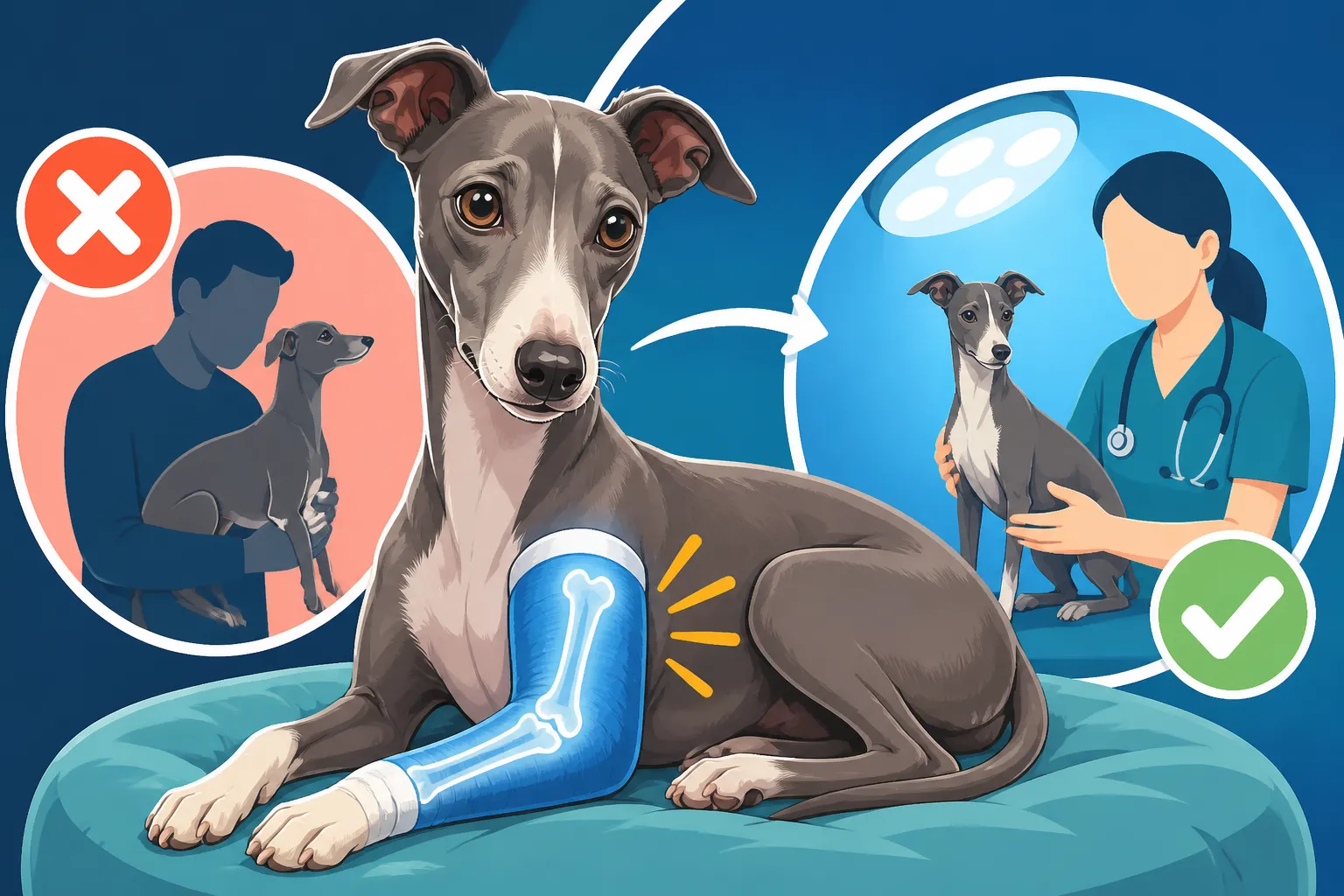
Why an Italian Greyhound’s Fracture Needs a Specialist
Finding your beloved Italian Greyhound with a broken leg is one of the most terrifying moments an owner can face. These tiny, elegant dogs, with their delicate bone structure, are notoriously prone to fractures, and when it happens, it's rarely a simple fix. This guide will delve into precisely why an Italian Greyhound's fracture demands the expertise of a veterinary specialist, ensuring your precious companion receives the best possible chance at a full recovery.
The Delicate Reality of Italian Greyhound Bones
It's no secret that Italian Greyhounds are built like supermodels – all long lines and slender frames. While this gives them their signature grace, it also comes with a significant fragility, especially concerning their bones. Their skeletal structure is unique, differing substantially from many other breeds, which makes fracture repair a particularly challenging endeavor.
The Thin Radius and Ulna
When we talk about Italian Greyhound fractures, more often than not, we're discussing breaks in the forelegs, specifically the radius and ulna. These two bones in their lower front leg are remarkably thin and delicate. Imagine a bird's bone; it's not quite that extreme, but it's a far cry from the sturdy, dense bones you'd find in a Bulldog or a Labrador. Because the radius and ulna are so slender and often close to the skin, they're highly susceptible to both direct trauma and rotational forces. Even a seemingly innocuous jump off a sofa can result in a devastating break. Why an Italian Greyhound's Radius Is the Bone That Breaks is a common and heartbreaking reality for many owners. The repair of such fine bones requires immense precision, specialized equipment, and a deep understanding of bone physiology in toy breeds. A general veterinarian might have experience with larger, more robust fractures, but the micro-surgery often needed for an IG's limb is a different league entirely.
Growth Plates and Young Iggies
Young Italian Greyhounds are particularly vulnerable because their growth plates haven't fully closed. These are areas of soft, developing cartilage near the ends of long bones in puppies and adolescent dogs, where new bone is generated. Until these plates fuse and harden, usually around 8-12 months of age, they are the weakest points in the bone. A fracture involving a growth plate in an Italian Greyhound puppy is incredibly complex. Not only do you have to repair the break, but you also have to consider the potential for growth deformities if the plate isn't aligned perfectly or if it suffers damage that impacts future growth. This is a critical factor for specialists to manage, as improper repair can lead to lifelong lameness or an uneven limb length, requiring even more corrective surgeries down the line. The Age an Italian Greyhound Is Most Likely to Break a Leg often coincides with this period of vulnerable growth.
Minimal Muscle and Fat Padding
Italian Greyhounds are renowned for their lean, athletic build, carrying very little body fat and muscle mass compared to many other breeds. While great for their speed and agility, it offers minimal natural cushioning around their delicate bones. In the event of an impact or fall, there's little soft tissue to absorb the shock before it hits the bone directly. This lack of protective padding means that any trauma, even minor, is more likely to result in a clean break rather than just a bruise or sprain. Furthermore, during surgical repair, this lack of tissue can make it harder for the surgeon to work around the delicate structures, and post-operatively, it means less cushioning to protect the healing site from further injury or pressure sores. This unique physiology necessitates a surgeon who is intimately familiar with the challenges presented by such a lean physique.
The Expertise of an Orthopedic Specialist
When an Italian Greyhound breaks a leg, it’s not just about setting a bone; it’s about meticulous surgical planning, advanced techniques, and dedicated post-operative care. This is where an orthopedic specialist truly shines.
Advanced Diagnostic Tools
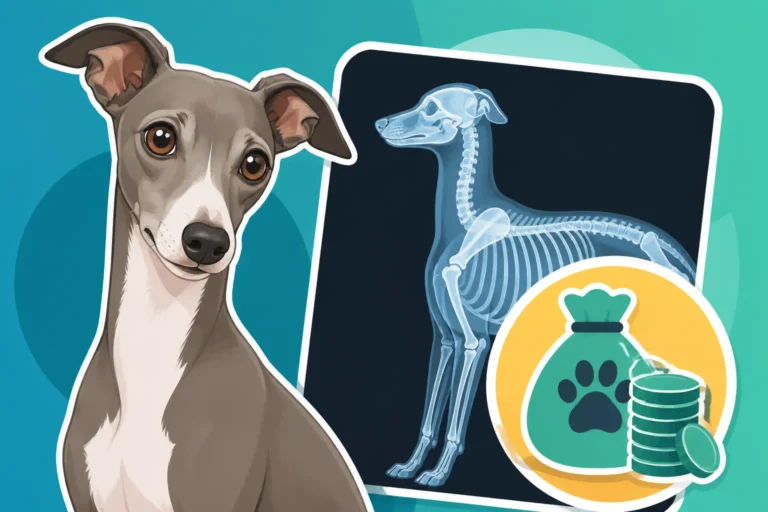
An orthopedic specialist often has access to and expertise in using advanced diagnostic tools that go beyond standard X-rays. While X-rays are crucial, they may not always reveal the full extent of the damage, especially in complex, comminuted (multiple fragments) fractures or those involving growth plates. A specialist might utilize computed tomography (CT) scans to get a three-dimensional view of the fracture, allowing for much more precise surgical planning. This detailed imaging helps them understand the exact geometry of the break, identify all bone fragments, and determine the optimal placement for plates, screws, or external fixators. Without this level of detail, a general practitioner might go into surgery with an incomplete picture, potentially leading to less effective repair. Understanding Whether an Italian Greyhound's Fracture Needs a Plate is often determined by these advanced diagnostics.
Specialized Surgical Techniques
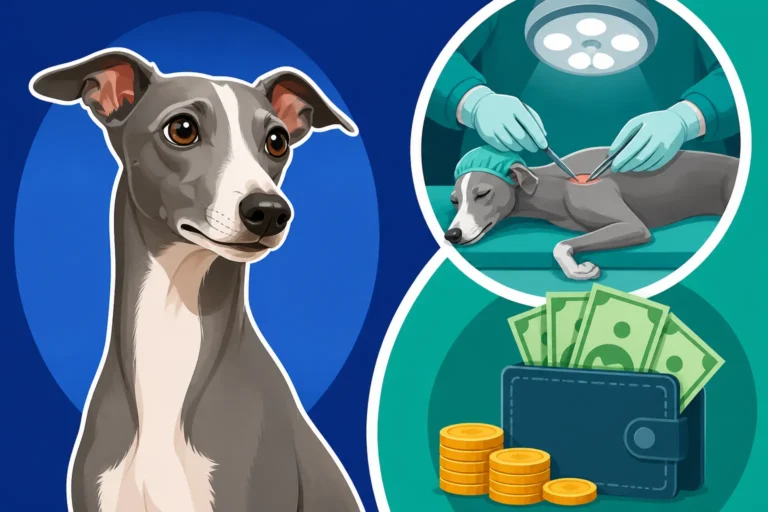
Repairing an Italian Greyhound's fracture often requires highly specialized surgical techniques and implants. The bones are too small and delicate for standard orthopedic hardware used in larger dogs. Specialists frequently use miniature bone plates and screws designed specifically for toy breeds, or external fixators that stabilize the bone from outside the limb. These procedures demand a steady hand, years of specialized training, and a deep knowledge of biomechanics to ensure the bone is not only aligned but also strong enough to bear weight during healing. What Plating an Italian Greyhound's Radius Costs often reflects the specialized nature of these materials and the surgeon's expertise. Furthermore, they are adept at minimally invasive techniques, which can reduce tissue damage and potentially speed up recovery. A general practitioner, even a skilled one, may not have the extensive surgical experience or the specific instruments required for such intricate work on a tiny limb.
Post-Operative Care and Rehabilitation
The journey doesn't end when the surgery is over. Post-operative care and rehabilitation are just as critical for a successful outcome, and orthopedic specialists are often at the forefront of this phase. They can provide detailed instructions for managing pain, monitoring the incision site, and restricting activity. More importantly, they often have or can refer you to dedicated rehabilitation services, including physical therapy, hydrotherapy, and therapeutic exercises. These services are vital for restoring muscle strength, joint mobility, and overall function to the injured limb, helping to prevent long-term stiffness or disuse atrophy. How Long an Italian Greyhound Stays Crated After Surgery is a crucial question a specialist will meticulously answer, guiding you through the delicate balance of rest and controlled movement. They understand the nuances of healing in Italian Greyhounds, including how to encourage gradual weight-bearing without risking re-injury. You might find yourself needing specialized products from places like Chewy for your Iggy's recovery, such as orthopedic beds or ramps.
Why a General Vet Might Be Out of Their Depth
While your general practice veterinarian is invaluable for routine care, vaccines, and common illnesses, a complex fracture in an Italian Greyhound presents challenges that often exceed their scope of expertise. It's not a reflection on their capabilities, but rather a recognition of the highly specialized nature of orthopedics in such a unique breed.
Limited Experience with Toy Breed Fractures
Think of it this way: your family doctor is excellent for a cold or a sprained ankle, but if you need open-heart surgery, you're going to a cardiac surgeon. The same principle applies here. General vets see a wide range of cases, but the frequency of delicate toy breed fractures, especially those requiring complex surgical intervention, might be relatively low in their practice. An orthopedic specialist, on the other hand, deals with these cases regularly, often seeing several Italian Greyhound fractures a month, or even more. This repeated exposure builds an unparalleled level of experience, allowing them to anticipate potential complications, understand the nuances of the bone structure, and perform the surgery with greater confidence and precision. They've seen How an Italian Greyhound Usually Breaks Its Leg countless times and know how to best approach the repair.
Lack of Specialized Equipment
As mentioned earlier, repairing an Italian Greyhound fracture isn't a one-size-fits-all job. It requires very specific, often miniature, orthopedic equipment. This includes tiny bone plates, screws, drills, and instruments that many general veterinary practices simply don't have. Investing in such specialized tools is costly and only justifiable for practices that routinely perform these types of surgeries. Without the right equipment, even the most skilled general vet might be forced to improvise or use less optimal solutions, which could compromise the stability of the repair and the long-term outcome for your Italian Greyhound. You don't want your dog's future mobility to depend on a surgeon making do with tools not designed for the job.
The High Stakes of Fracture Repair
The stakes are incredibly high when an Italian Greyhound breaks a leg. Their delicate bones are prone to complications, and a failed repair can lead to debilitating consequences. These aren't minor issues that can be easily corrected with a second attempt. A failed repair can result in non-union (the bone not healing), malunion (healing in an incorrect position), chronic pain, or even infection, all of which can necessitate further, more invasive, and costly surgeries. What a Second Surgery Costs on an Italian Greyhound is a financial burden no owner wants to face, not to mention the added stress and recovery time for your dog. Given these serious risks, entrusting your Italian Greyhound's care to someone who specializes in these exact challenges is not just recommended, it's often essential for the best possible prognosis. Pet insurance like Healthy Paws can be a lifesaver in these scenarios, helping to cover the often substantial costs of specialist care.
The Consequences of Suboptimal Care
Choosing not to go with a specialist for an Italian Greyhound fracture can unfortunately lead to a cascade of problems, each more heartbreaking and costly than the last. It's a decision that can impact your dog's quality of life for years to come.
Complications and Non-Union
One of the most devastating outcomes of suboptimal fracture repair is complications, particularly non-union. This occurs when the bone simply fails to heal, often because the initial repair wasn't stable enough, or the blood supply to the fracture site was compromised. Given the Italian Greyhound's slender bones and minimal muscle, healing can already be a challenge. If the alignment is off, or the hardware used isn't appropriate or secure, the chances of non-union or malunion increase significantly. Imagine your dog enduring weeks or months of recovery, only for the bone to not knit together properly. This often means more surgery, prolonged recovery, and potentially chronic pain for your pet. Why Pins Loosen in an Italian Greyhound's Bone is a known complication, and a specialist has the experience to minimize such risks.
The Emotional and Financial Toll
Dealing with a broken leg in an Italian Greyhound is already an incredibly stressful experience. The initial shock, the fear for their well-being, and the immediate need for action are overwhelming. If the repair isn't handled correctly the first time, the emotional and financial toll can become immense. You might be facing repeat surgeries, extended periods of strict confinement, and ongoing rehabilitation. Each additional surgery not only puts your dog through more trauma but also adds significantly to your vet bills. What Fracture Repair Costs on an Italian Greyhound is substantial to begin with, and these costs can quickly escalate when complications arise. Having to watch your beloved companion suffer through prolonged pain or face additional procedures due to an initial misstep is something no owner wants. It's an agonizing position to be in, highlighting why investing in specialist care upfront can actually save you money, stress, and heartache in the long run.
When Amputation Becomes the Only Option
In the most tragic and severe cases, when a fracture repair fails repeatedly, or when infection sets in and cannot be controlled, amputation can become the only viable option to alleviate pain and save the dog's life. While many dogs adapt remarkably well to life on three legs, it's a decision no owner ever wants to make, especially when it might have been avoidable with expert care from the start. When Amputation Is Discussed for an Italian Greyhound is a stark reminder of the gravity of these injuries. An orthopedic specialist will exhaust every possible avenue to save the limb, but they will also be realistic about the prognosis and guide you through difficult decisions if they become necessary. They understand the anatomy and mechanics well enough to know when a limb is truly unsalvageable versus when a different approach might still yield a positive outcome. Providing soft, palatable food, like offerings from Ollie, can be helpful during recovery periods, regardless of the outcome, to encourage eating and maintain strength.
Making the Right Choice for Your Italian Greyhound
When your Italian Greyhound suffers a fracture, the immediate priority is always to get them stable and to a veterinarian. However, the next crucial step is to advocate for specialist care. Don't hesitate to ask your general vet for a referral to a board-certified veterinary orthopedic surgeon. They are equipped with the knowledge, experience, and specialized tools needed to handle these delicate and complex injuries.
| Feature | General Veterinarian | Board-Certified Orthopedic Specialist |
|---|---|---|
| Experience | Broad range of conditions, less frequent complex fractures | Deep expertise in orthopedic injuries, high volume of complex fractures (esp. toy breeds) |
| Diagnostic Tools | Standard X-rays | Advanced X-rays, CT scans, MRI for detailed views |
| Surgical Equipment | General surgical tools | Miniature bone plates, specialized drills, external fixators |
| Techniques | Standard fracture repair methods | Advanced, minimally invasive, precise techniques for small bones |
| Post-Op Care | General monitoring, basic pain management | Tailored rehabilitation plans, specialized physical therapy referrals |
| Risk of Complications | Higher, due to less specialized experience/equipment | Lower, due to specialized expertise and precise execution |
| Cost | Initial cost may be lower, but potential for repeat costs | Higher initial cost, but better long-term prognosis, potentially fewer total costs |
Remember, your Italian Greyhound's long-term comfort and mobility are paramount. Investing in specialist care from the outset offers the best chance for a full and successful recovery, minimizing pain, complications, and the immense emotional and financial burden that can accompany a poorly managed fracture. Budgeting for an Italian Greyhound's Broken Leg Before It Happens is wise planning, as these emergencies highlight the importance of being prepared for the unexpected.
Disclaimer
This article is for general informational purposes only and does not constitute professional advice. Laws, prices and regulations vary by location and change over time. Consult a qualified professional for guidance on your specific situation.