What Rehab Costs After an Italian Greyhound’s Fracture
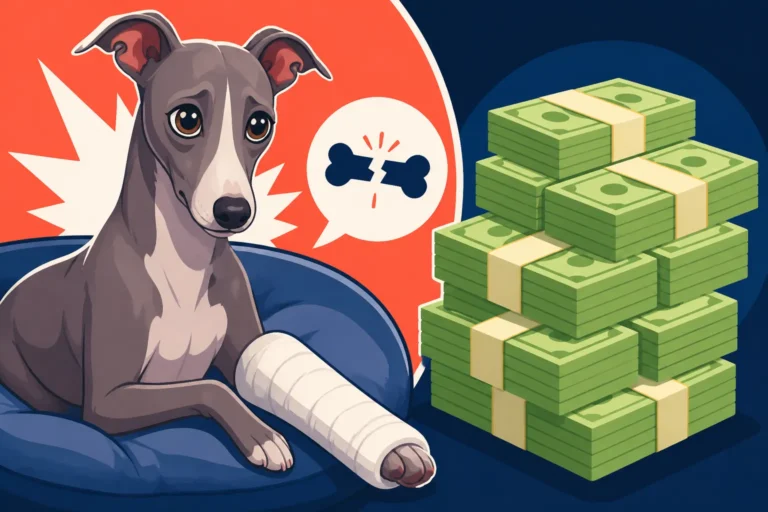
When your beloved Italian Greyhound breaks a leg, the immediate panic and the scramble for emergency vet care and specialized surgery are overwhelming. But once the initial crisis is handled and the cast is on or the plate is in, many owners are surprised to learn that the journey isn't over. In fact, a whole new phase of care begins: rehabilitation. This guide will walk you through what to expect regarding the costs associated with getting your Italian Greyhound back on all fours, from initial assessments to ongoing therapy sessions and necessary home modifications.
The Unavoidable Need for Rehabilitation After an Italian Greyhound Fracture
Let's be honest, an Italian Greyhound's delicate build is part of their charm, but it also makes them incredibly prone to fractures. If you've ever dealt with A Broken Leg Is the Emergency Every Italian Greyhound Owner Fears or heard about Why an Italian Greyhound's Radius Is the Bone That Breaks, you know the dread. After such a traumatic event, simply letting the bone heal isn't always enough, especially for a breed known for its spirited "zoomies" and high jumps. Rehabilitation isn't just a nice-to-have; it's often a critical component in ensuring a full, functional recovery and preventing secondary issues.
Imagine your Italian Greyhound, usually a blur of motion, suddenly restricted to a small crate for weeks or even months while a bone knits. During this time, muscles atrophy quickly. Joints can stiffen, and your dog's proprioception – their sense of where their body is in space – can suffer. When they finally get the green light to move more, they might be hesitant, favoring the healed leg, or even overcompensating in ways that put strain on other parts of their body. This is where rehabilitation steps in. It's about rebuilding strength, restoring flexibility, reducing pain, and retraining proper movement patterns, all while being acutely aware of the fragility of their tiny bones. Without it, your Italian Greyhound might never truly regain full use of the leg, or worse, develop compensatory lameness that leads to other injuries down the line. It's an investment in their long-term comfort and mobility.
Deconstructing the Financial Aspects of Post-Fracture Rehabilitation
Understanding the "why" is one thing, but the "how much" is often the question that truly keeps us up at night. The cost of rehabilitation for an Italian Greyhound after a fracture isn't a single, straightforward number. It's a spectrum, influenced by various factors including the severity of the fracture, the type of surgery performed, the specific therapies recommended, the duration of treatment, and your geographical location. Just like What Fracture Repair Costs on an Italian Greyhound varies wildly, so too does the subsequent rehab.
Initial Consultations and Assessments
Before any therapy can begin, your Italian Greyhound will need a thorough assessment by a certified canine rehabilitation therapist. This isn't just a quick look-over. It involves a detailed gait analysis, palpation to check muscle tone and joint mobility, neurological evaluations, and a review of all previous radiographs and surgical reports. The therapist needs to understand exactly what needs to be fixed, how the fracture healed, and what your dog's starting point is.
These initial consultations are crucial and come with their own fee. Think of it as the foundation for the entire rehab plan. The therapist will then develop a personalized treatment protocol, outlining the recommended therapies, frequency, and estimated duration. Sometimes, this initial assessment might uncover other compensatory issues you hadn't even noticed, underscoring the value of a professional eye. This phase is non-negotiable and typically costs a set fee, similar to a specialist veterinary visit.
Types of Rehabilitation Therapies and Their Costs
The menu of rehabilitation therapies available for dogs mirrors many human physical therapy options. Each type addresses different aspects of recovery and comes with its own cost structure. You might find that your Italian Greyhound needs a combination of these.
Hydrotherapy (Underwater Treadmill)
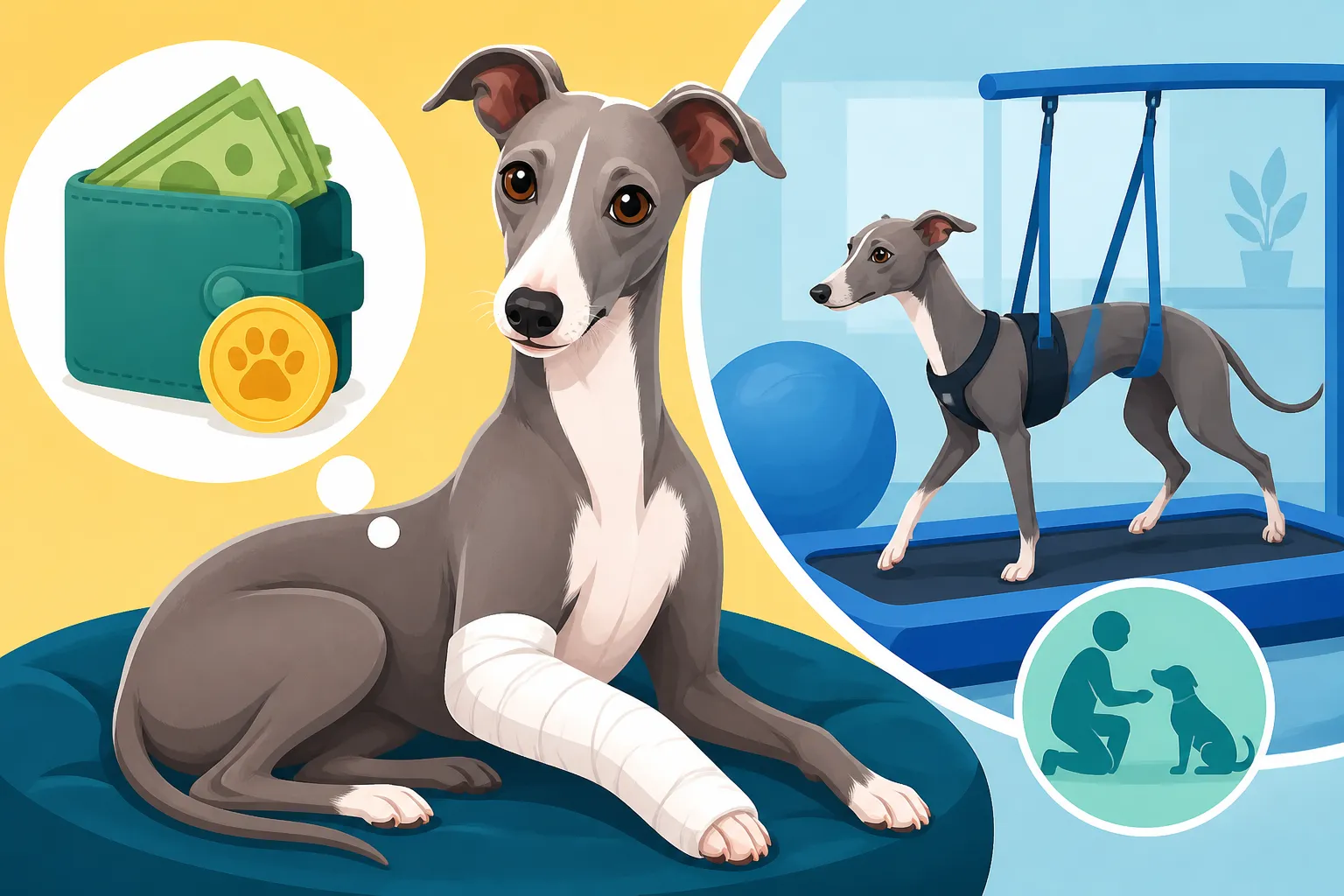
This is a fantastic option for Italian Greyhounds. The buoyancy of water reduces the weight-bearing load on their healing leg, allowing them to rebuild muscle and restore gait patterns without excessive stress. Many Iggies love the water once they get used to it! Sessions are usually 20-30 minutes long and are often billed per session or offered in packages. The cost per session can be significant, but the results in terms of muscle rebuilding and confidence can be invaluable. It's a high-value therapy due to its low impact.
Therapeutic Exercises and Manual Therapy
This category includes a wide range of activities performed directly with the therapist. These might involve specific stretches to improve range of motion, passive range of motion (PROM) exercises, targeted strengthening exercises using balance balls or wobble boards, and therapeutic massage to reduce muscle tension and improve circulation. Manual therapies are very hands-on and personalized.
These sessions are typically billed per visit, and the frequency can range from two to three times a week initially, gradually reducing as your Italian Greyhound improves. The exercises taught during these sessions are often adapted for you to continue at home, which is where consistent effort on your part really pays off.
Laser Therapy
Also known as photobiomodulation, laser therapy uses specific wavelengths of light to reduce inflammation, alleviate pain, and accelerate tissue healing. It's non-invasive and often very well-tolerated by Italian Greyhounds, who might even enjoy the warm sensation. It’s frequently used post-surgically and during the early phases of rehabilitation to manage pain and promote faster healing.
Laser therapy is usually offered as an add-on to other sessions or as a series of stand-alone treatments. The cost is often per session, and a typical course might involve several sessions close together initially, then tapering off. This can quickly add up, but for pain management and speeding healing, many owners find it worth it.
Acupuncture and Electro-acupuncture
For some Italian Greyhounds, especially those with persistent pain or neurological deficits, acupuncture can be a beneficial complementary therapy. Fine needles are inserted at specific points to stimulate nerve function, reduce pain, and promote healing. Electro-acupuncture adds a mild electrical current to the needles for enhanced effect.
Acupuncture sessions are usually billed per visit and can be a recurring expense if your dog responds well and requires ongoing treatment. Finding a veterinary acupuncturist who understands the unique physiology of sighthounds can be important, as their low body fat and thin skin require a delicate touch.
Rehabilitation Equipment and Home Modifications
Beyond the in-clinic sessions, you'll likely need to invest in some equipment for home exercises or to ensure your Italian Greyhound's safety during recovery. This can range from simple items to more substantial purchases.
- Ramps and Steps: Essential for preventing re-injury, especially for a breed prone to fractures from jumping off furniture. You can find options on sites like Chewy that are specifically designed for pets, making access to sofas and beds safer. Ramps and Steps for an Italian Greyhound's Furniture is a must-read, as preventing future jumps is key to long-term health.
- Support Harnesses/Slings: To help you support your Italian Greyhound when they're first starting to bear weight or navigate stairs.
- Non-slip Mats/Rugs: To provide traction on slippery floors, reducing the risk of slips and falls that could jeopardize recovery.
- Balance Equipment: Small balance discs or wobble boards for home exercises, as recommended by your therapist.
- High-Quality Orthopedic Bedding: Crucial for providing comfort and support during extended rest periods.
These items represent an upfront cost but are invaluable for managing your Italian Greyhound's recovery at home and preventing further accidents.
Here's a simplified look at how rehabilitation costs might break down:
| Type of Service | Description | Typical Cost Structure | Frequency Example |
|---|---|---|---|
| Initial Assessment | Comprehensive evaluation by rehab therapist. | Flat Fee | One-time |
| Hydrotherapy | Underwater treadmill sessions for low-impact exercise. | Per session / Package discount | 1-3 times/week, then tapering |
| Therapeutic Exercises | Hands-on stretches, strengthening, manual therapy. | Per session / Package discount | 1-3 times/week, then tapering |
| Laser Therapy | Reduces pain and inflammation, promotes healing. | Per session / Series discount | Several times/week initially |
| Acupuncture | Pain relief, nerve stimulation. | Per session | Weekly or bi-weekly as needed |
| Home Equipment | Ramps, harnesses, non-slip mats, orthopedic beds. | Upfront purchase | One-time or as needed |
| Follow-up Consults | Re-evaluations with therapist to adjust plan. | Per visit | Monthly or bi-monthly |
Note: Specific costs for each service will vary widely by location and clinic. Always ask for a detailed estimate.
Navigating Rehabilitation Options and Their Associated Costs
When you're facing a broken leg, the thought of additional costs for rehabilitation can feel daunting. It truly feels like Why a Broken Leg Is the Biggest Bill an Italian Greyhound Owner Gets is a never-ending story. However, there are ways to approach this financially and logistically to ensure your Italian Greyhound gets the best care without breaking your bank account.
Choosing the Right Rehabilitation Clinic
Not all veterinary clinics offer in-house rehabilitation services. You might need to seek out a specialized canine rehabilitation center or a vet clinic with a certified canine rehabilitation therapist on staff. When choosing a clinic, consider:
- Credentials: Look for therapists certified in canine rehabilitation (e.g., CCRP or CCRT). These professionals have specialized training in canine anatomy, physiology, and therapeutic techniques.
- Experience with Sighthounds: Italian Greyhounds have unique needs due to their lean build, thin skin, and fragile bones. A therapist with experience working with sighthounds will better understand their specific limitations and recovery challenges. Ask about their success rates with similar cases.
- Facility and Equipment: Does the clinic have the necessary equipment for therapies like hydrotherapy, laser therapy, and a dedicated space for therapeutic exercises?
- Cost Transparency: Get a clear breakdown of costs for assessments, individual sessions, and package deals. Ask if they offer any payment plans or accept pet insurance.
Don't be afraid to ask for a tour or a brief consultation to discuss your Italian Greyhound's specific needs and the proposed treatment plan.
Understanding Pet Insurance Coverage
This is where pet insurance can be a game-changer. Many policies, especially accident and illness plans, will cover a portion of rehabilitation costs if it's deemed medically necessary after an injury like a fracture. However, coverage varies significantly.
Before you start rehab, thoroughly review your pet insurance policy or contact your provider, such as Healthy Paws, directly. Ask specific questions:
- What percentage of rehabilitation costs do they cover?
- Is there a maximum limit for rehabilitation services?
- Are specific therapies (e.g., hydrotherapy, acupuncture) covered?
- Do you need pre-authorization for rehabilitation?
- What is your deductible for this claim, and how much of it have you already met with the surgery?
Being proactive about understanding your coverage can save you a lot of financial stress down the road. Some policies might have waiting periods, but if your Italian Greyhound was already insured before the accident, you should be in a better position.
DIY Home Exercises vs. Professional Supervision
While professional rehabilitation sessions are crucial, a significant portion of your Italian Greyhound's recovery will happen at home. Your therapist will provide you with a home exercise program (HEP) to perform between sessions. This often includes gentle massage, passive range of motion exercises, and specific low-impact strengthening activities.
It’s tempting to try to do all the rehab yourself to save money, but professional supervision is vital, especially in the early stages. A trained therapist can ensure exercises are performed correctly, preventing re-injury or improper movement patterns. They can also identify subtle signs of pain or discomfort that you might miss. Think of the home exercises as reinforcing the professional work, not replacing it. You can purchase items like small cones or balance discs from retailers like Chewy to aid in your home exercises.
Practical Tips for Funding and Facilitating Your Italian Greyhound's Recovery
The financial burden of an Italian Greyhound's broken leg, combined with the ongoing costs of rehabilitation, can feel crushing. But there are strategies you can employ to make this challenging time more manageable for both your wallet and your precious pup.
Creating a Rehabilitation Budget
Once you have an estimated treatment plan from your rehabilitation therapist, sit down and create a realistic budget. Factor in the cost of each session, any necessary medications, and home equipment. This will give you a clearer picture of the total financial commitment.
Don't forget the indirect costs. You might need to take time off work for appointments, or arrange for a pet sitter if you can't be home to administer care or supervise quiet time. These factors can add up. Being prepared financially can help alleviate some of the stress and allow you to focus on your Italian Greyhound's healing.
Exploring Financial Aid and Payment Options
If the costs feel overwhelming, don't hesitate to discuss payment options with your veterinary and rehabilitation clinics. Many offer payment plans or work with third-party financing options that allow you to spread the cost over several months.
You can also look into veterinary charitable organizations that sometimes provide assistance for owners facing significant vet bills. While these programs often have strict eligibility requirements, they can offer a lifeline in desperate situations. Local breed-specific rescues or Italian Greyhound clubs sometimes also have funds to assist members with emergency vet care, so it's worth reaching out to them.
Nutritional Support During Recovery
Proper nutrition plays a huge role in healing and recovery. During rehabilitation, your Italian Greyhound's body is working hard to repair tissues and rebuild muscle. Ensuring they receive a high-quality, balanced diet is paramount. Some pet food companies, like Ollie, offer fresh, human-grade food that can be highly palatable and nutritious, which is especially important if your Italian Greyhound's appetite is affected by pain or stress.
Discuss your Italian Greyhound's dietary needs with your veterinarian. They might recommend specific supplements to support bone healing or joint health, or suggest adjustments to their calorie intake to prevent unwanted weight gain during periods of reduced activity. A dog that is recovering needs specific nutrients to aid healing.
Emotional Support and Patience
Beyond the financial and physical aspects, don't underestimate the emotional toll a fracture and rehabilitation can take on both you and your Italian Greyhound. They might be frustrated by restrictions, nervous about using the leg, or simply tired of constant handling. You, in turn, might feel stressed, guilty, or impatient with the slow pace of recovery.
Remember that recovery is a marathon, not a sprint. Be patient, consistent, and celebrate every small victory, whether it's a few more steps taken or a tiny increase in weight bearing. Your calm and consistent demeanor will go a long way in helping your Italian Greyhound feel secure and motivated. Many owners find that Whether an Italian Greyhound Regains Full Use of the Leg often hinges on their dedication to the full rehab process.
Conclusion
The journey after an Italian Greyhound's fracture is undoubtedly challenging, both emotionally and financially. Rehabilitation is an essential part of that journey, offering the best chance for your beloved companion to regain full mobility and quality of life. While the costs can be substantial, viewing them as an investment in your Italian Greyhound's long-term health and happiness can help put them into perspective. By understanding the components of rehabilitation costs, exploring your financial options, and committing to the process, you can navigate this difficult period with confidence and ensure your Italian Greyhound gets the care they deserve.
Disclaimer
This article is for general informational purposes only and does not constitute professional advice. Laws, prices and regulations vary by location and change over time. Consult a qualified professional for guidance on your specific situation.