How Owners Finance an Italian Greyhound Emergency
It’s a moment no Italian Greyhound owner ever wants to face: the sudden, heart-stopping realization that your beloved, fragile companion is in an emergency situation. Whether it's the dreaded yelp of a broken leg from a seemingly innocent jump or the sudden onset of a scary illness, the immediate fear for their well-being is quickly followed by a cold wave of panic about the inevitable vet bill. This guide is here to help you navigate those overwhelming financial questions, offering practical strategies and a dose of realism for how owners find themselves financing these critical, often astronomical, situations.
The Harsh Reality of an Italian Greyhound Emergency
Owning an Italian Greyhound is a unique joy, but it comes with a distinct set of vulnerabilities. Their delicate build, spirited nature, and propensity for certain health conditions mean that emergencies, while hopefully rare, are a very real possibility. When they strike, the financial implications can be staggering, hitting you at the worst possible time.
Common Emergencies and Their Immediate Impact
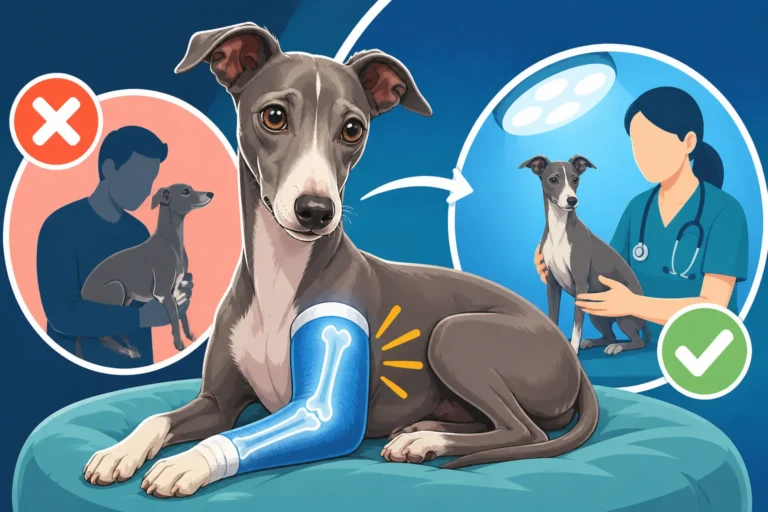
For Italian Greyhounds, some emergencies loom larger than others. The most notorious, of course, is the broken leg. We've all heard the stories, or perhaps lived one ourselves: a simple misstep off the sofa, a playful tumble with another dog, or a clumsy jump can lead to a devastating fracture. The radius and ulna, those slender bones in their forelegs, are particularly susceptible. One moment you're watching them zoom around, and the next, they're holding up a limb, crying in pain. The immediate impact isn't just the physical injury, but the sudden disruption to your life and the urgency of needing specialized veterinary care. A Broken Leg Is the Emergency Every Italian Greyhound Owner Fears is a testament to how common and frightening this can be.
Beyond fractures, other emergencies can arise. A sudden, severe dental infection can cause immense pain and spread to other parts of the body, requiring urgent intervention. Sometimes it's a mysterious sudden lameness that turns out to be something like Legg-Calve-Perthes disease, presenting as intense hip pain in a young puppy. Then there are the unexpected illnesses, a sudden onset of vomiting or lethargy that demands immediate diagnostic tests. Each of these scenarios carries with it the instant demand for funds, often before you've even fully processed what's happening.
The Emotional Toll of Unexpected Costs
Let's be honest, beyond the sheer terror of seeing your Italian Greyhound in pain, there's a deep, gnawing anxiety about the cost. It's a cruel twist that when you're at your most vulnerable, emotionally distraught over your pet, you're also forced to confront potentially life-altering financial decisions. The emotional toll can be immense. You might find yourself in the emergency vet waiting room, tears streaming, while simultaneously trying to calculate if you have enough on your credit card or if you'll need to dip into savings you had earmarked for something else entirely.
This isn't just about money; it’s about guilt. Owners often feel a profound sense of responsibility, believing that if they can’t afford the best care, they're somehow failing their beloved pet. This pressure can lead to incredible stress, sleepless nights, and difficult conversations with family members. It's important to remember that these feelings are valid. You’re not alone in feeling overwhelmed by the intersection of love, fear, and finances when an Italian Greyhound emergency strikes.
Understanding the Financial Landscape of Vet Bills
Emergency veterinary care, especially for a delicate breed like an Italian Greyhound, is rarely inexpensive. It's a complex system of diagnostics, specialized procedures, hospitalization, and follow-up care, all of which contribute to the final bill. Knowing what goes into these costs can help you better prepare, even if the specifics are impossible to predict.
The Breakdown of Emergency Vet Costs
When your Italian Greyhound needs emergency care, the bill isn't just for a single procedure; it's a culmination of many different services. It often starts with an emergency exam fee, which is typically higher than a regular vet visit. Then come the diagnostics: X-rays to check for fractures or internal issues, blood work to assess organ function, or perhaps an ultrasound. Each of these tests adds to the total. If surgery is required, such as to repair a broken leg, the costs escalate significantly. This includes anesthesia, the surgeon's fee, surgical supplies, and post-operative medications. What Fracture Surgery Costs on an Italian Greyhound can be a major wake-up call for many owners.
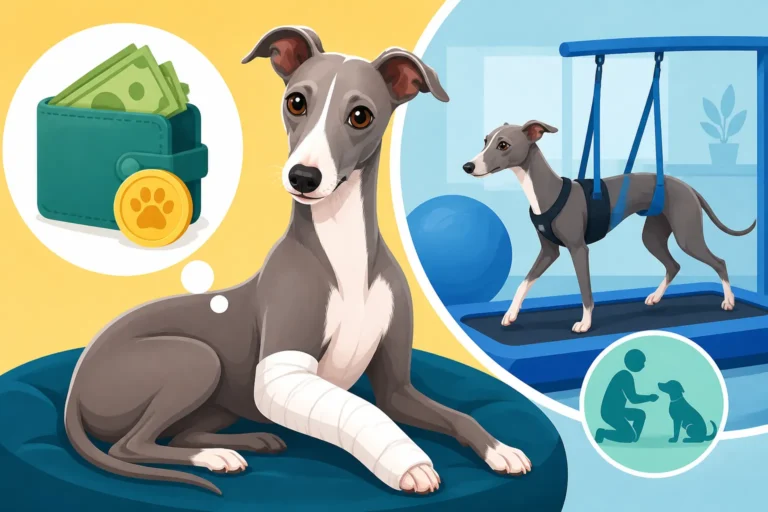
Hospitalization is another significant factor. An Italian Greyhound with a broken leg might need to stay overnight or for several days, requiring constant monitoring, pain management, and nursing care. Specialized equipment, like IV fluids and warming blankets (critical for these lean dogs), are also factored in. Follow-up appointments, cast changes, or physical therapy can continue for weeks or months, each adding further expense. It's a cumulative process where seemingly small fees add up quickly to a substantial sum.
Why Italian Greyhounds Often Incur Higher Bills
It might feel like Italian Greyhounds have a target on their backs when it comes to vet bills, and in some ways, they do. Their unique physiology contributes to higher costs. For one, their delicate bone structure makes fractures a common and often complicated occurrence. A simple cast may not suffice for a break in their thin radius and ulna, often necessitating specialized orthopedic surgery involving plates and pins. Finding a surgeon experienced with such tiny, fragile bones can mean traveling further and paying more for their expertise. Why an Italian Greyhound's Radius Is the Bone That Breaks perfectly illustrates this vulnerability.
Furthermore, Italian Greyhounds are sighthounds, and like many sighthounds, they metabolize anesthesia differently than other breeds. This means anesthesiologists must be extra cautious, using specific protocols and monitoring techniques, which can add to the complexity and cost of any procedure requiring sedation, even routine dental work. Why Anesthesia Is Handled Differently in an Italian Greyhound is a must-read for any owner. Their lean body mass also makes them prone to getting cold under sedation, requiring additional warming measures. All these factors contribute to a higher baseline cost for many medical procedures, even without considering the potential for complications.
Immediate Strategies When an Emergency Strikes
When you're standing in the vet's office, reeling from the news and the initial estimate, it's easy to feel utterly helpless. But there are immediate steps you can take to understand your options and ease some of the financial burden. You have more leverage than you might think, especially if you approach the situation calmly and proactively.
Communicating with Your Veterinary Team
Your veterinary team, especially at an emergency clinic, understands the financial strain that comes with unexpected pet care. Don't be afraid to have an open and honest conversation with them about costs as early as possible. Ask for a detailed estimate of all proposed procedures, tests, and hospitalization. Don't just look at the bottom line; ask them to break down each item. Inquire if there are different treatment options with varying price points, or if certain diagnostics are absolutely essential versus "nice to have" if finances are tight. Sometimes, there might be a less aggressive, though potentially less optimal, treatment path available.
For example, if your Italian Greyhound has a dental issue, discussing the full scope of potential extractions versus a more limited cleaning might be an initial conversation, though severe issues usually require immediate, comprehensive care. Understanding the scope of what Dental Work Repeats Every Year of an Italian Greyhound's Life helps in budgeting for ongoing care too. Don't hesitate to ask if they offer a discount for paying in full upfront, or if they have any internal payment plans. Many clinics are willing to work with owners, especially if you communicate your financial concerns clearly and respectfully.
Exploring Payment Plans and Deferred Options
When faced with a large, unexpected vet bill, many clinics partner with third-party financing services, often interest-free for a promotional period. These services can be a lifesaver, allowing you to spread the cost over several months. Always read the terms carefully to understand interest rates and repayment schedules after the promotional period ends. It's a credit line specifically for healthcare, and it’s a very common way people manage significant vet bills.
Another option might be to ask about delaying certain non-critical follow-up appointments or less urgent medications if absolutely necessary, but always discuss this thoroughly with your vet to ensure it won't jeopardize your Italian Greyhound's recovery. Some clinics might also allow you to pay a portion upfront and set up an in-house payment schedule for the remainder, though this is less common for emergency services. Exploring these options can provide much-needed breathing room during a stressful time.
Long-Term Financial Planning and Safety Nets
While immediate strategies help in a crisis, the most effective way to handle an Italian Greyhound emergency is to be prepared before it happens. Proactive financial planning can transform a terrifying situation into a manageable one, ensuring your beloved companion gets the best care without completely derailing your finances.
The Role of Pet Insurance in Mitigating Risk
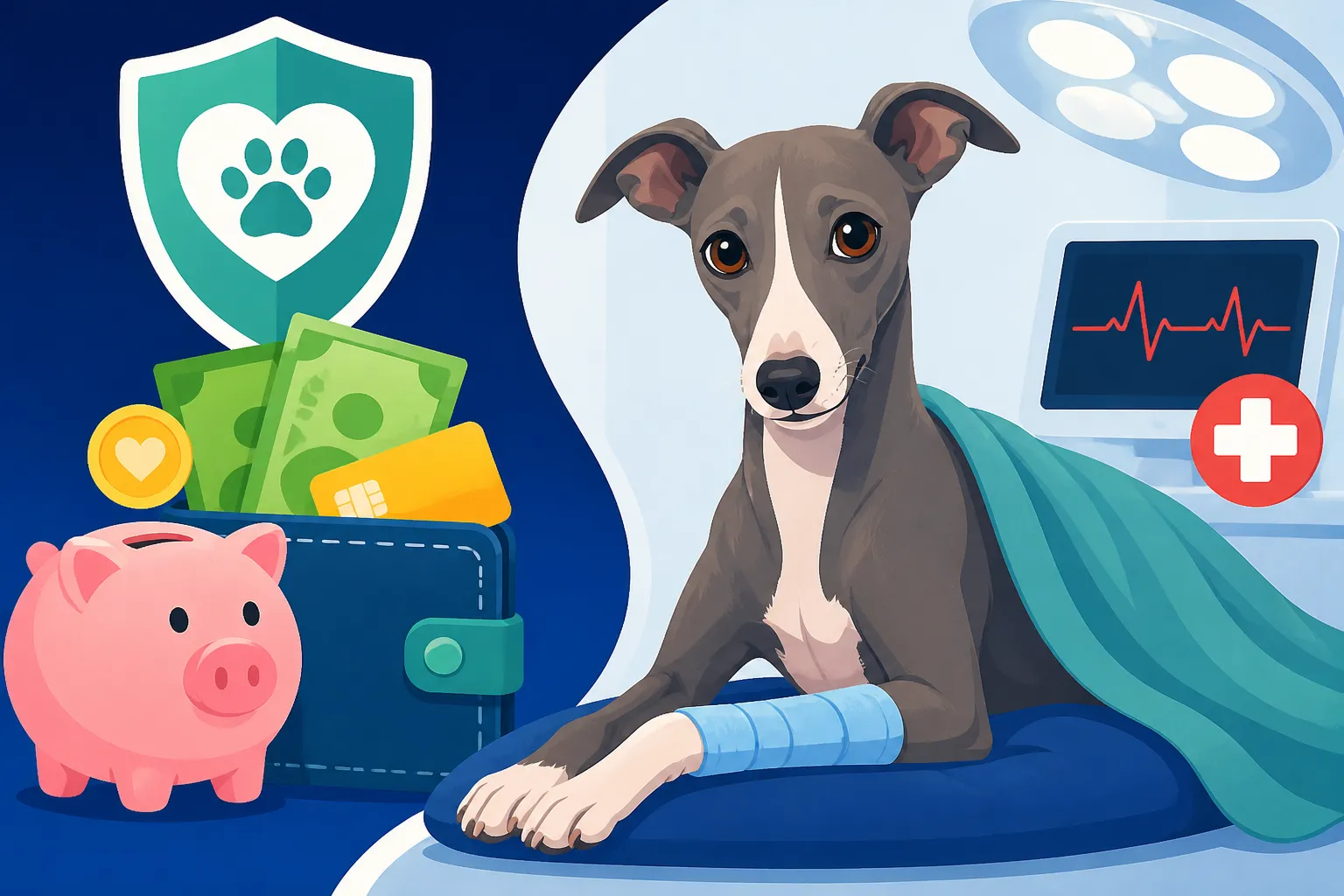
Pet insurance is one of the most powerful tools an Italian Greyhound owner can have. Imagine the relief of knowing that a significant portion of a multi-thousand-dollar fracture repair bill will be reimbursed. While no insurance covers everything, and pre-existing conditions are usually excluded, a good policy can cover accidents, illnesses, surgeries, and emergency care. Companies like Healthy Paws and many others offer various plans. It’s important to research what What Pet Insurance Actually Covers on an Italian Greyhound and how deductibles and reimbursement percentages work.
For a breed so prone to broken bones, having a policy in place long before any incident occurs is paramount. Even if you pay a monthly premium, the peace of mind and the substantial savings during a major emergency can make it incredibly worthwhile. Think of it as a financial safety net, allowing you to make medical decisions based on what’s best for your dog, rather than solely on your wallet. Don't wait until disaster strikes to look into it; research and enroll when your Italian Greyhound is young and healthy. Whether Insurance Covers an Italian Greyhound's Broken Leg is a question you want to answer before you need it.
Building a Dedicated Emergency Fund
Even with pet insurance, there will be deductibles, co-pays, and services that aren't fully covered. That's where a dedicated emergency fund comes in. This isn't just your regular savings; it's money specifically set aside for your Italian Greyhound's unexpected health needs. Start small, even if it's just putting away $20 or $50 a month into a separate savings account. Over time, this fund can grow into a substantial buffer. Having a few thousand dollars liquid and accessible can cover deductibles, medications, or even the entire cost of a less severe emergency without having to put it on credit or borrow from other essential funds.
Consider how much What an Italian Greyhound Costs Over Fifteen Years – a small portion of that annual cost set aside can really add up. Many owners aim for an emergency fund that could cover at least one major vet bill, usually in the range of several thousand dollars. While it might seem daunting to save that much, every little bit helps. It's truly a testament to responsible pet ownership to Budgeting for an Italian Greyhound's Broken Leg Before It Happens, even if you hope you never need it.
Alternative Funding Sources and Community Support
Should the unthinkable happen and you're caught without adequate insurance or savings, there are still options. Many owners turn to personal loans or credit cards, but these can come with high interest rates. A better route might be to explore veterinary charity organizations. Depending on your location and income, there may be local or national non-profits that offer financial assistance for pet emergencies. These are often geared towards owners who are truly struggling and need help to cover life-saving procedures.
Crowdfunding platforms have also become a popular way for owners to seek support from friends, family, and even strangers online. While not a guarantee, many people are incredibly empathetic to pets in need and are willing to contribute what they can. Finally, talking to your extended network – friends, family, and even local Italian Greyhound breed clubs or rescue groups – might uncover resources or assistance you weren't aware of. Sometimes, a kind word and a small donation from someone who understands the breed can make all the difference. For general pet supplies, online retailers like Chewy often have rewards programs, and for specialized diets recommended by vets, services like Ollie are popular, and sometimes they offer ways to save which can indirectly free up funds for emergencies.
No one wants to think about their precious Italian Greyhound getting hurt or sick, but the reality is that planning for the financial side of emergencies is a crucial part of responsible ownership. By understanding the costs, exploring immediate payment options, and most importantly, building long-term safety nets like pet insurance and emergency savings, you can ensure that when those scary moments arrive, your focus can remain squarely on your beloved pet's recovery.
Disclaimer
This article is for general informational purposes only and does not constitute professional advice. Laws, prices and regulations vary by location and change over time. Consult a qualified professional for guidance on your specific situation.