Why an Italian Greyhound Owner Buys a Tracker
Oh, the sheer panic of looking around and realizing your Italian Greyhound isn't there. It's a gut-wrenching feeling that far too many of us Iggy owners have experienced, even if just for a terrifying few seconds. Their speed, their prey drive, their absolute disinterest in coming when called once something catches their eye – these traits make them champion escape artists. That's why a GPS tracker isn't just a gadget; for many of us, it's a vital piece of equipment that offers invaluable peace of mind when it comes to keeping our delicate, fast, and easily distracted companions safe.
Understanding the Italian Greyhound's Escape Artist Tendencies
Let's be real, Italian Greyhounds are built for speed and chasing, not necessarily for staying put. Their entire genetic makeup screams "run fast after small, scurrying things!" This isn't a fault; it's just who they are. What might seem like a perfectly secure yard or a tight grip on a leash can quickly prove to be no match for an Iggy determined to explore or pursue a tempting scent.
The Instinct to Chase
Picture this: you're walking your Iggy on a leash, enjoying a sunny afternoon. Suddenly, a squirrel darts across the path. In a fraction of a second, your sweet, cuddly companion transforms into a miniature rocket. Their sighthound instincts kick in, and everything else — including your voice and the concept of "stay" — vanishes from their tiny, focused brain. Their prey drive is incredibly strong, meaning they will bolt, often without a second thought for their own safety. I’ve heard stories, and experienced near-misses myself, where an Iggy has spotted a rabbit or a bird, and it's like they've been shot out of a cannon. This isn't a dog that pauses to consider traffic or distance; it's a dog utterly consumed by the chase. This is precisely why Why an Italian Greyhound Cannot Be Trusted Off Leash, Ever is a mantra among owners.
Houdini-Level Escapes
It's not just about bolting from an open door, though that's a common fear and a frequent occurrence. Italian Greyhounds are surprisingly agile and can find ways out of situations you thought were impossible. A gate left ajar by a fraction, a small gap under a fence, or even a sudden lunge that slips a collar – these are all scenarios that can lead to a harrowing search. They are slender, flexible, and can squeeze through surprisingly small spaces. A friend of mine once had her Iggy slip through a gap in the fence meant for garden hoses! It’s enough to make you constantly check and double-check every potential escape route, but sometimes, life happens. For instance, Why an Italian Greyhound Bolts Through a Door is a common scenario that often leads to momentary panic.
The Risks of a Lost Italian Greyhound
When an Italian Greyhound gets loose, the stakes are incredibly high. These aren't dogs built for rugged survival or navigating busy streets. Their delicate build, thin skin, and lack of body fat make them vulnerable to a myriad of dangers. The thought of your precious Iggy out there alone is enough to send shivers down any owner's spine.
Vulnerability to Traffic and Predators
An Italian Greyhound, consumed by the thrill of the chase, simply does not have the road sense of many other breeds. They're not looking both ways before darting across a street. Their speed, while impressive, can also be their downfall, as they can cover significant distances in minutes, putting them far from home and in increasingly dangerous territory. On top of traffic, in many areas, there are legitimate concerns about predators like coyotes or even larger, aggressive dogs, especially given the Iggy's slight build. A lost Iggy isn't just in danger of getting hit by a car; they're also at risk from other animals or even from falling into unseen hazards like drainage ditches or construction sites.
Exposure and Hypothermia
Italian Greyhounds have minimal body fat and very short coats. This makes them incredibly susceptible to the cold, even in temperatures that might seem mild to us. If they get lost, especially in cooler weather or during the night, they can quickly become hypothermic. This isn't just a winter worry; even a breezy autumn evening can be perilous for an Iggy left exposed. They need warmth and shelter, which is why we often dress them in sweaters indoors! A heated bed (Whether an Italian Greyhound Needs a Heated Bed) or a cozy blanket fort is not just for comfort; it's a necessity for their well-being. A lost Iggy is immediately at risk of severe health consequences from exposure.
Injury and Fear
Beyond the immediate dangers, a lost Italian Greyhound is often terrified. This fear can lead them to run even further, or to hide in places where they are difficult to find, like dense bushes or under vehicles. This fear can also make them less likely to approach strangers, even well-meaning ones trying to help. Furthermore, their fragile bones mean that a simple jump off a curb or a fall could result in a serious injury, like a broken leg. The veterinary bills for an emergency like that can be astronomical, which is why many owners consider pet insurance from providers like Healthy Paws. A Broken Leg Is the Emergency Every Italian Greyhound Owner Fears is not an exaggeration for this breed.
How GPS Trackers Offer a Lifeline
Given all these anxieties and legitimate risks, it's no wonder that GPS trackers have become an indispensable tool for many Italian Greyhound owners. They provide a vital layer of security that traditional ID tags and microchips, while still crucial, simply cannot match when it comes to actively locating a lost pet.
Real-Time Location Tracking
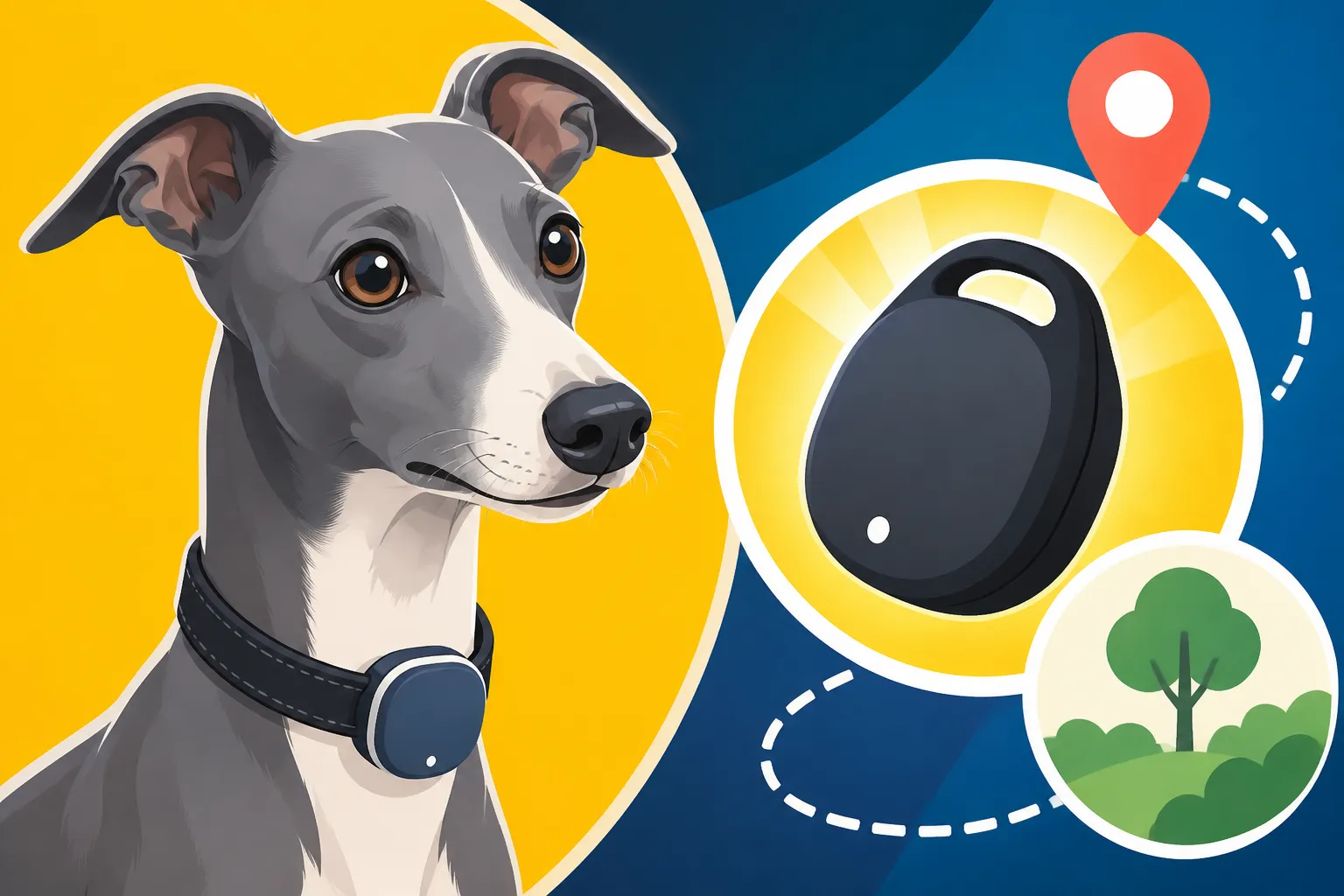
The primary benefit of a GPS tracker is, of course, its ability to provide real-time location data. Instead of frantically searching a wide area, calling your dog's name into the wind, a tracker can show you exactly where your Iggy is on a map, usually through a smartphone app. This drastically cuts down on search time, which can be critical for a breed so vulnerable to the elements and other dangers. Imagine the relief of seeing that little dot moving on the map, guiding you straight to your beloved companion, rather than wondering which direction they bolted off in. When an Italian Greyhound makes a break for it, knowing What Speed an Italian Greyhound Reaches tells you how quickly that distance can grow.
Many trackers offer features like geofencing, where you can set virtual boundaries for your yard or a safe play area. If your Iggy crosses that boundary, you get an immediate alert on your phone. This can be a game-changer, allowing you to react instantly rather than discovering your dog is missing much later. Some even integrate with online pet profiles, making it easier for good Samaritans to connect with you if they find your dog. Brands like Ollie, known for their fresh dog food, also highlight the importance of overall wellness, and a tracker contributes directly to that peace of mind.
Activity Monitoring and Health Insights
Beyond just location, many modern GPS trackers for pets also offer activity monitoring. They can track steps taken, distance covered, and even monitor sleep patterns. While not a substitute for veterinary care, these insights can be incredibly valuable for understanding your Iggy's daily routine and overall health. A sudden drop in activity, for example, could signal an underlying issue that warrants a vet visit. For a breed that can be prone to certain health conditions, any additional data point can be helpful for their well-being. This feature makes it easier to track how much exercise your Iggy is truly getting, helping you maintain a healthy routine.
Let's compare a few general features you might find in popular pet trackers:
| Feature | Basic Tracker Model | Advanced Tracker Model |
|---|---|---|
| Real-time GPS Tracking | Updates every few minutes | Continuous, near real-time |
| Geofencing | Yes, basic alerts | Yes, customizable, multiple zones |
| Activity Monitoring | Steps, distance | Steps, distance, sleep, calories |
| Battery Life | 2-3 days | 5-7 days or more |
| Durability | Water-resistant | Waterproof, shock-resistant |
| Subscription Required | Often | Usually, for full features |
| Coverage Area | Limited by cellular network | Wider network, often nationwide |
| Weight/Size | Slightly larger, often heavier | Smaller, lighter, more ergonomic |
It's important to remember that most trackers require a subscription plan to access their full range of features, as they rely on cellular networks to transmit location data. This is an ongoing cost to factor in, but for many, it's a small price to pay for the security it offers. Shopping on sites like Chewy for pet supplies, you'll find a wide array of options to choose from, often with detailed reviews to help you decide.
Peace of Mind for Owners
Ultimately, the most significant benefit of an Italian Greyhound owner buying a tracker is the immense peace of mind it provides. Knowing that you have a tool to locate your dog quickly if they ever get loose reduces a huge amount of anxiety. You can enjoy walks more, feel more secure in your yard, and generally worry less about the "what ifs." This isn't to say a tracker replaces responsible pet ownership – far from it. You still need secure fencing, a reliable leash and harness (a martingale is often recommended for Iggys to prevent slipping), and consistent training. But a tracker adds that crucial layer of protection against the unexpected. It’s an investment in your dog’s safety and your own emotional well-being, especially when you consider What a GPS Tracker Costs for an Italian Greyhound versus the heartache and potential costs of a prolonged search or emergency vet visit.
It's a proactive step that acknowledges the unique characteristics of the breed. We adore our Iggys for their playful, affectionate, and sometimes goofy nature, but we also have to respect their strong instincts and delicate bodies. A tracker isn't admitting defeat in training; it's simply being prepared for the inevitable moments when their instincts override everything else.
Disclaimer
This article is for general informational purposes only and does not constitute professional advice. Laws, prices and regulations vary by location and change over time. Consult a qualified professional for guidance on your specific situation.