How Strong an Italian Greyhound’s Prey Drive Is
If you've ever owned an Italian Greyhound, you know that their delicate, almost ethereal appearance belies a fierce, ancient hunting instinct that can take you by complete surprise. It’s a common frustration for many new owners to discover that their graceful companion, who looks more suited for a silk pillow than a chase, possesses a prey drive so powerful it can override years of careful training and bonding in an instant. This guide is here to shed light on exactly how strong that prey drive truly is in an Italian Greyhound, why it’s such a fundamental part of their being, and, most importantly, how to navigate life safely and happily with a dog whose instincts are always on high alert.
The Instinct Runs Deep: Understanding the Italian Greyhound's Prey Drive
When you look at an Italian Greyhound, you see elegance, fragility, and often, a lap-loving cuddle bug. What you might not immediately see is the legacy of thousands of years of sighthound breeding, deeply embedded in their DNA. These dogs were not bred to herd or guard; they were selectively bred to spot, chase, and capture small, fast-moving prey. This isn't just a playful quirk; it's a hardwired, primal drive that defines a significant part of their behavior.
Sighthound Heritage and What It Means
Italian Greyhounds, despite their diminutive size compared to their larger Greyhound and Whippet cousins, share the same fundamental purpose: they are sighthounds. This means their primary hunting tool is their keen eyesight, followed by incredible speed and agility. They aren't tracking by scent with their noses to the ground; they're scanning the horizon, ready to explode into action at the merest flicker of movement. This heritage explains why a seemingly lazy Italian Greyhound can transform into a lightning bolt at the sight of a distant squirrel. It’s a powerful, almost uncontrollable impulse that stems from their very origins as hunters.
This innate drive dictates much of their interaction with the world. For an Italian Greyhound, a rustling bush, a flapping bird, or a scurrying mouse isn't just an interesting observation; it's a deeply ingrained call to action. They don't analyze or rationalize; they react. This can be especially challenging for owners who might assume their intelligent, loving pet will prioritize their bond over instinct. However, when that prey drive is activated, the world outside that chase often ceases to exist for them. Understanding this fundamental aspect of their breed is the first step in creating a safe and enriching environment for your Italian Greyhound.
The Genetic Blueprint of the Chase
The prey drive in an Italian Greyhound isn't something they choose to engage; it's a part of their genetic blueprint. It’s a series of behaviors that follow a distinct pattern: orient, eye, chase, grab, bite, kill, dissect, and consume. While most pet Iggies won't complete the entire sequence, the initial "orient, eye, and chase" components are incredibly strong. Their lean, muscular bodies are built for acceleration and maneuverability, perfectly designed to run down small game.
Think of it this way: their bodies are sports cars, and their prey drive is the accelerator pedal, pushed to the floor. This explains why they have such incredible bursts of speed, often leaving their owners in the dust if given the chance. This genetic predisposition means that while training can help manage and redirect this drive, it will likely never be entirely extinguished. It's not a flaw in their personality; it's a core characteristic of the breed, something that makes them unique and, at times, a handful.
Recognizing the Triggers: What Sets an Italian Greyhound Off
It’s easy to assume that "prey" only means the obvious, like a rabbit darting across the yard. But for an Italian Greyhound, the triggers for their prey drive can be far more varied and subtle than you might expect. Being aware of these common triggers is crucial for preventing dangerous situations and keeping your Italian Greyhound safe.
Small, Fast-Moving Critters and Beyond
The most obvious triggers are, of course, small animals. Squirrels are practically Italian Greyhound kryptonite, but rabbits, chipmunks, and even neighborhood cats can send an Iggy into a full-speed chase. What might surprise you is how little it takes. A bird taking flight from a distant tree, a leaf skittering across the sidewalk in a gust of wind, or even a plastic bag blowing by can trigger that primal urge to pursue. It's the speed and often erratic movement that catches their eye, activating that deep-seated instinct.
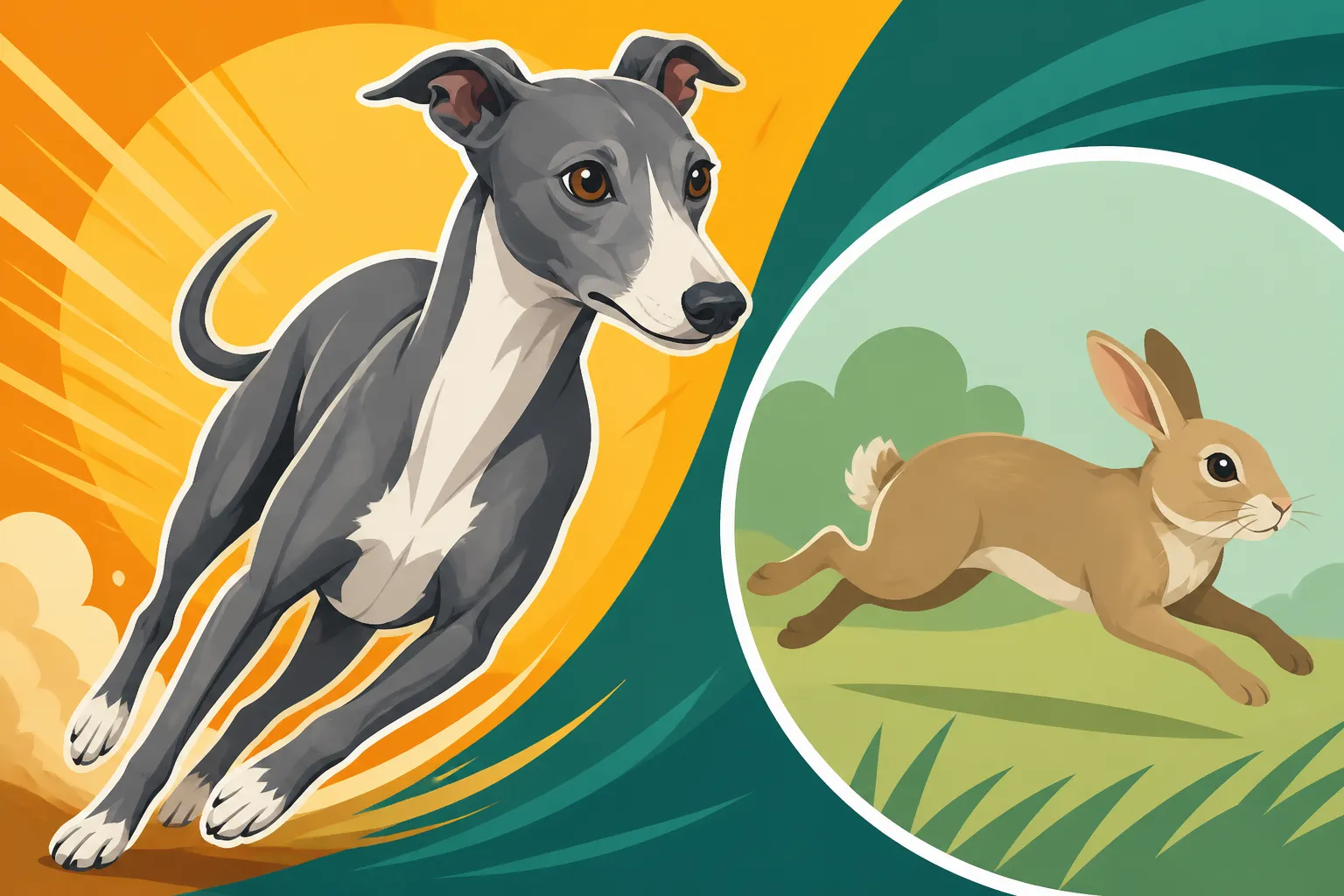
We've all been there: walking along, enjoying a peaceful moment with our leashed Iggy, when suddenly they spot something you can barely perceive. One moment they're trotting calmly, the next they're a rigid line, muscles tensed, eyes locked, ready to launch. This rapid transition is typical. Even something as innocuous as a remote-controlled car in a park can set them off, proving that anything fast-moving and unexpected is fair game for their attention. This is why vigilance is your greatest tool as an Italian Greyhound owner. What an Italian Greyhound Does When It Sees a Rabbit is a perfect example of this intense reaction.
The Role of Sight and Sound
For Italian Greyhounds, sight is paramount. Their broad field of vision and acute ability to detect movement are key. They'll often spot prey long before you do, sometimes even from a significant distance. However, sound can also play a role, especially if it indicates movement. The rustle in the leaves that signals a mouse, the chirping of a bird, or the distant barking of a dog chasing something can all prime them for a chase.
Consider an Italian Greyhound who seems calm, only to suddenly pull with all their might towards something you haven't seen yet. Chances are, they either caught a glimpse of movement in their peripheral vision or heard a sound that triggered their hunting mechanism. This heightened sensory awareness means that even in environments you might consider "safe," like a fenced yard, their prey drive can be activated by something outside their boundary. For this reason, many Italian Greyhound owners find themselves constantly scanning their environment, anticipating potential triggers before their dog even notices them.
Safety First: Essential Gear and Practices for Managing Prey Drive
Given their powerful prey drive and delicate build, ensuring your Italian Greyhound's safety is a paramount concern. A single moment of lapse in vigilance or an insecure piece of equipment can have serious consequences. This isn't just about preventing them from chasing; it's about protecting them from the world outside, which isn't designed for a dog that sprints into danger without a second thought.
The Importance of a Secure Harness and Leash
A standard collar is simply not enough for an Italian Greyhound. Their sleek, narrow heads and long necks make them expert escape artists from flat collars. When that prey drive kicks in and they lunge, they can easily back out of a collar, leaving you holding an empty leash while they vanish into the distance. This is why a secure harness is non-negotiable. Look for harnesses designed for sighthounds or those with a secure, multi-strap design that prevents them from backing out. A harness that clips both on the chest and the back can offer extra security and control.
When choosing a leash, consider a sturdy, non-retractable one, ideally four to six feet long. Retractable leashes offer little control and can be dangerous, snapping taut unexpectedly and causing injury to both you and your dog. A good quality leash, held firmly, is your direct link to safety. Brands like Ruffwear or similar high-quality pet accessory companies found on Amazon often have options that provide the security and durability needed for an Italian Greyhound. Always double-check the fit regularly, as Iggies can be surprisingly adept at wiggling out of seemingly snug gear. Which Harness Suits an Italian Greyhound's Neck goes into more detail on selecting the right fit.
Secure Environments: Fences, Crates, and Long Lines
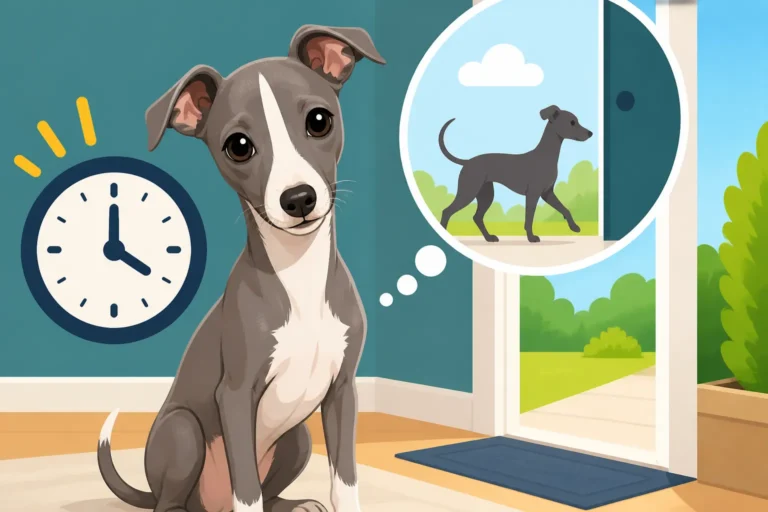
Your home and yard must be secure. For a yard, this means a fence that is high enough to prevent jumping and secure enough at the bottom to prevent digging out. Italian Greyhounds can be surprisingly athletic and resourceful when motivated by a chase. Even a seemingly small gap in a fence can be an invitation to adventure. Inside the home, management means preventing unsupervised access to open doors or windows. Many Italian Greyhound owners use baby gates to create safe zones or keep their dogs from bolting if someone unexpectedly opens the front door.
| Environment Type | Prey Drive Management Strategy | Key Considerations |
|---|---|---|
| Outdoors (Unfenced) | Always on a secure harness & leash. Consider a long line for safe, controlled "running." | Never trust recall. High potential for escape and injury. |
| Outdoors (Fenced Yard) | Fence must be high and secure at ground level. Supervised play only. | Even secure yards can have hidden escape routes or enticing prey outside. |
| Indoors (Home) | Baby gates, secured windows/doors. Crate training for safety when unsupervised. | Prevention of counter-surfing, jumping from heights, or bolting out doors. |
| Car Travel | Secure in a crash-tested crate or harness/seatbelt combo. | Prevents distraction, escape, and injury in case of sudden stops. |
When taking your Italian Greyhound to an open space, like a park, a long line (a very long leash, often 15-30 feet) can be invaluable. This allows them to run and explore safely, giving them a sense of freedom while still keeping them connected to you. It's a fantastic way for them to express their natural desire to run without the inherent risks of being off-leash. Remember, Why an Italian Greyhound Cannot Be Trusted Off Leash, Ever is a rule written in stone for a reason.
Training Against the Wind: Recall and Impulse Control Challenges
Training an Italian Greyhound to override their prey drive is one of the most significant challenges owners face. While Italian Greyhounds are intelligent and eager to please their favorite person, that ancient instinct to chase is incredibly powerful and often trumps all else. It's not that they don't love you or understand; it's that the drive to pursue is a visceral, all-consuming experience for them.
The Myth of Reliable Recall
Many dog owners dream of a dog that can romp freely in an open field, returning instantly with a joyful wag of the tail when called. For an Italian Greyhound, this is largely a fantasy. While you can certainly train a functional recall in a low-distraction environment, expecting it to hold when a squirrel, rabbit, or even a blowing leaf triggers their prey drive is unrealistic. When an Italian Greyhound locks onto potential prey, their hearing seems to vanish, and your voice becomes nothing more than background noise. How Reliably an Italian Greyhound Comes When Called really drives this point home.
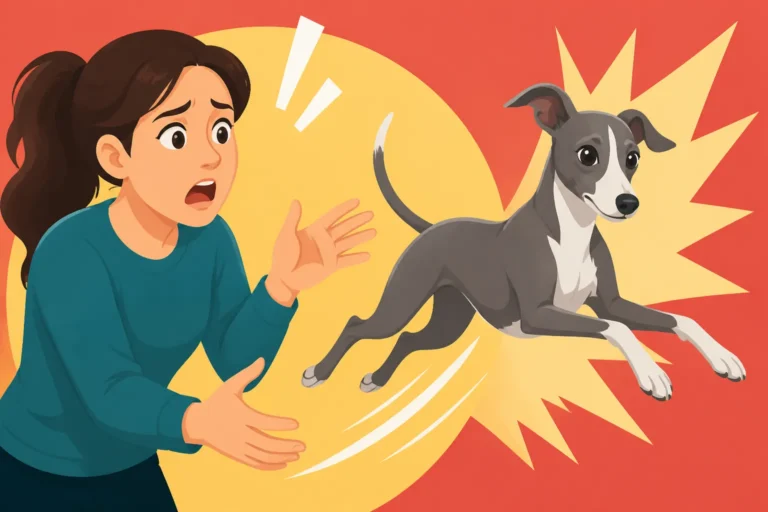
It's a disheartening truth for many, but it's crucial for safety. You might spend months, even years, perfecting a solid recall indoors or in a quiet, fenced area. You might feel confident. Then, one day, a rabbit darts across the path, and your Iggy is gone, a blur of speed and focused determination. They aren't being disobedient out of spite; they are simply fulfilling their genetic imperative. This is why strict leash protocols are paramount, regardless of how "well-trained" you believe your Italian Greyhound to be.
Working on Impulse Control and Redirection
Instead of focusing solely on recall in high-distraction environments, a more practical approach involves extensive impulse control training and redirection. This means teaching your Italian Greyhound to look at you, or perform a different behavior, when they notice something tempting. Commands like "leave it" or "watch me" can be incredibly valuable, but they require constant practice and extremely high-value rewards to compete with the allure of a chase.
Positive reinforcement methods are key here. Never punish your Italian Greyhound for engaging their prey drive; it's instinctual, and punishment can create fear and mistrust. Instead, reward them heavily for choosing to disengage or for paying attention to you when something tempting appears. Tools like BAXTER & Bella's online puppy training program, or similar positive reinforcement courses, can offer excellent strategies for building a strong foundation in impulse control and focus, even for adult dogs. The goal isn't to eliminate the prey drive, but to teach your Iggy that looking to you for guidance, even when their instincts scream "chase!", results in an even better reward. This takes patience, consistency, and a deep understanding of what truly motivates your particular Iggy.
Living Harmoniously: Strategies for Coexisting with High Prey Drive
Accepting your Italian Greyhound's strong prey drive doesn't mean resigning yourself to a life of constant stress. It means implementing smart strategies and making mindful choices that allow both of you to thrive. It's about working with their nature, not against it, and finding ways to safely channel those ancient instincts.
Enrichment and Safe Outlets for Chasing
Since the desire to chase is so strong, providing safe and appropriate outlets is vital. Interactive toys that mimic prey movement can be fantastic. Flirt poles, for example, allow your Italian Greyhound to chase a lure in a controlled environment, burning off energy and satisfying that hunting urge without putting them at risk. Laser pointers can be fun in short bursts, but ensure the session ends with a physical "catch" of a toy to prevent frustration. Toys that hide treats, requiring "hunting" with their nose, can also be mentally stimulating.
Many Italian Greyhounds also excel at activities like lure coursing, where they chase a mechanical lure around a track. This is perhaps the ultimate safe outlet for their prey drive, allowing them to run at full speed in a secure, fenced area, fulfilling their natural instincts in a structured way. If you have access to a local lure coursing club, it can be a wonderful way to bond and see your Italian Greyhound truly come alive. Lure Coursing and Racing With an Italian Greyhound describes this exhilarating activity in more detail.
Managing Multi-Pet Households and Stranger Interactions
Living with other small pets, especially cats, can be a delicate balance with a high prey drive Italian Greyhound. While many Iggies can coexist peacefully with cats they've grown up with, especially if introduced carefully as puppies, it's never a guarantee. The key is constant supervision, particularly in the early stages, and ensuring the smaller pet always has an escape route or safe high-up spaces the Iggy cannot reach. Never leave them unsupervised until you are absolutely certain of their compatibility, and even then, remain vigilant.
When it comes to strangers, particularly children or people who move quickly or unpredictably, the prey drive can sometimes manifest as an over-enthusiastic chase or nip. While not typically aggressive, an excited Italian Greyhound might "herd" or "nip" at running feet in a way that can be startling or even cause minor injury, especially to small children. Teach your Italian Greyhound appropriate ways to greet people and ensure all interactions are supervised, especially with those unfamiliar with the breed's quirks. It's always better to err on the side of caution.
The Unseen Risks: Why This Drive Demands Constant Vigilance
The Italian Greyhound's prey drive isn't just an interesting behavioral trait; it's a significant safety consideration that requires constant, unwavering vigilance from owners. The risks associated with an activated prey drive are often severe and can have lasting consequences, impacting your Iggy's health and your wallet.
Accidents and Injuries from the Chase
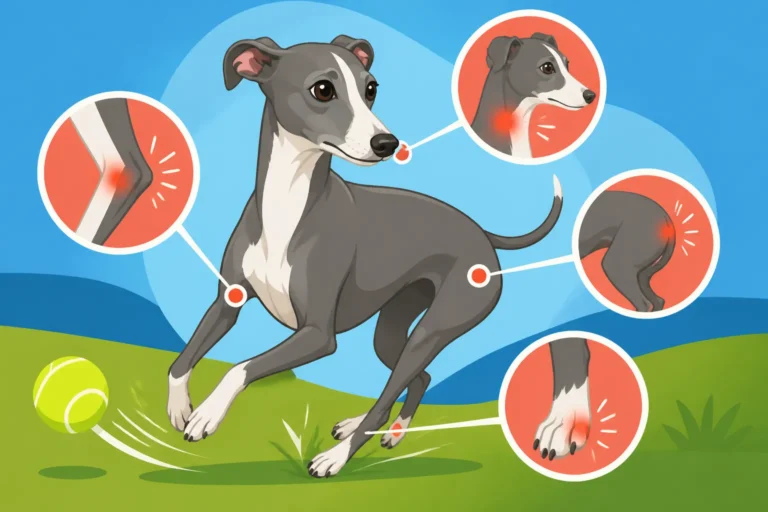
The most immediate and devastating risk is physical injury. Italian Greyhounds have famously delicate bones, particularly their long, slender legs. When they bolt at full speed, they are not looking where they're going. They can run into traffic, collide with solid objects like trees or fences, fall down stairs, or tumble over uneven terrain. A broken leg is the emergency every Italian Greyhound owner fears, and a sudden, unchecked chase is one of the primary causes. A Broken Leg Is the Emergency Every Italian Greyhound Owner Fears highlights just how serious this can be.
Beyond fractures, an Italian Greyhound on a chase can sustain cuts, scrapes, sprains, and internal injuries. Their thin skin is easily torn, and a collision at top speed can result in significant trauma. The financial and emotional toll of such an injury is immense. Emergency vet visits, specialist surgeries, and weeks or months of recovery and restricted activity are a harsh reality for many owners whose Iggies have succumbed to their prey drive and suffered an accident.
The Heartbreak of a Lost Italian Greyhound
Perhaps the most terrifying consequence of an unleashed prey drive is losing your Italian Greyhound. When they engage in a chase, their focus is absolute, tunnel vision overriding any sense of direction or awareness of their surroundings. They can cover incredible distances in a short amount of time, disappearing from sight faster than you can react. Once they are out of their immediate chase zone, they can become disoriented and lost. Their speed, coupled with their small size, makes them incredibly difficult to catch once they've bolted.
The thought of your beloved Iggy lost and alone is heartbreaking. This is why microchipping and a secure GPS tracker are not optional accessories, but essential safeguards. While a tracker won't prevent the chase, it can dramatically increase the chances of a reunion if the worst happens. Organizations like Missing Animal Response Network or local dog groups often provide invaluable support, but prevention through strict leash discipline and secure environments remains the best strategy. The risk of losing them to their instincts is a constant reminder of why their prey drive demands such respect and careful management.
Disclaimer
This article is for general informational purposes only and does not constitute professional advice. Laws, prices and regulations vary by location and change over time. Consult a qualified professional for guidance on your specific situation.