How Much Exercise an Italian Greyhound Needs
It's a common misconception that Italian Greyhounds are just delicate little couch potatoes who need minimal exercise. While they certainly excel at napping in sunbeams and burrowing under blankets, thinking they don't need significant activity can lead to a bored, restless, or even destructive dog. This guide will walk you through the real exercise needs of an Italian Greyhound, helping you understand their unique energy levels and how to provide them with safe, stimulating activity to keep them happy and healthy.
Understanding the Italian Greyhound's Energy Profile
Italian Greyhounds, or Iggys as we affectionately call them, are sighthounds, and that heritage profoundly impacts their exercise needs. They aren't built for long, plodding walks, but rather for bursts of explosive speed and intense, focused play. It’s a very specific kind of energy that owners need to understand to truly fulfill their needs.
The Sighthound Instinct: Burst of Energy
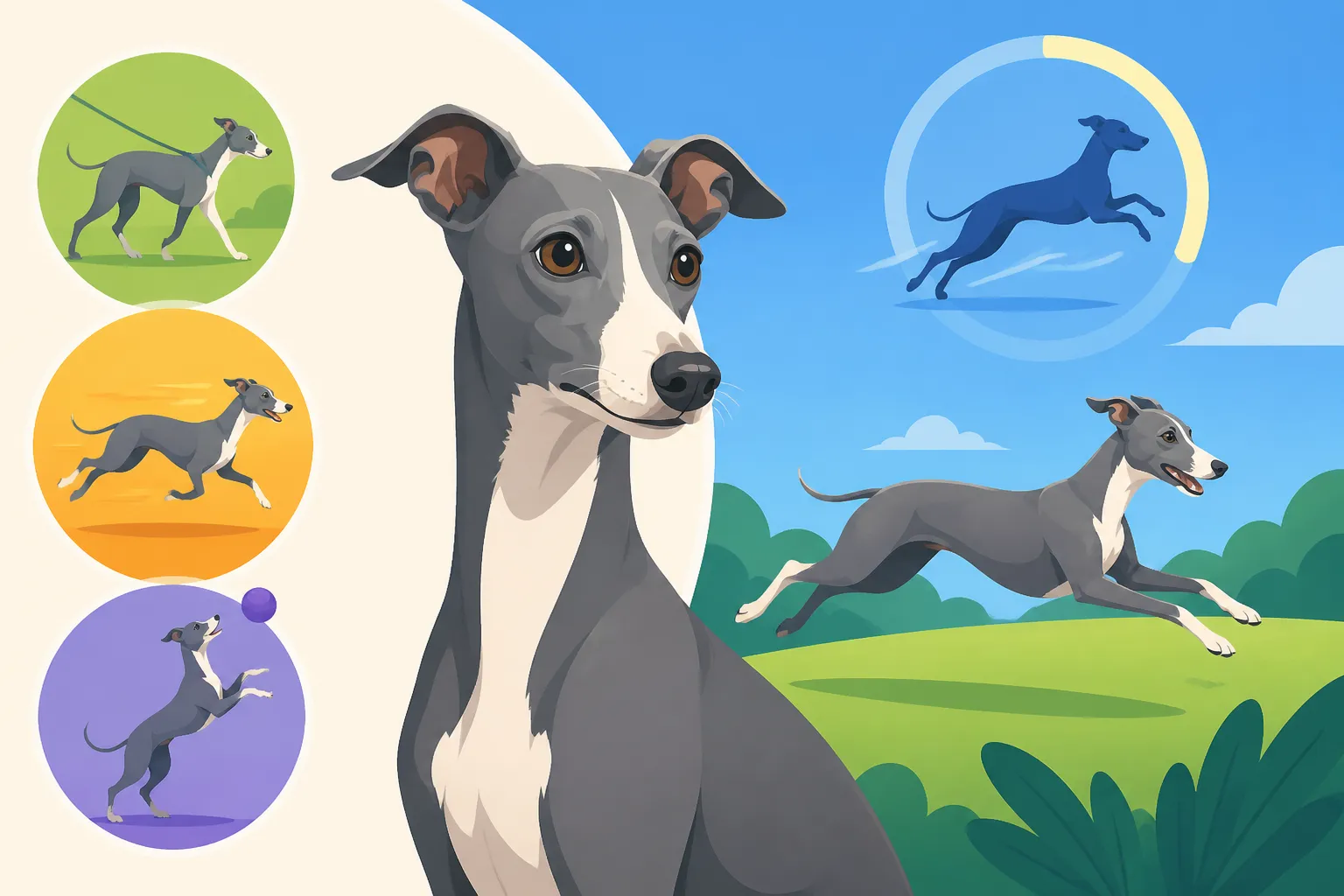
Imagine a tiny, elegant gazelle perpetually on alert for something to chase – that’s pretty close to the Italian Greyhound psyche! Their breed history is rooted in hunting small game by sight, which means they have an innate drive for short, powerful sprints. They can go from a dead stop to full gallop in mere seconds, reaching impressive speeds in a flash. What Speed an Italian Greyhound Reaches This isn't about endurance, like a Labrador retrieving ducks all day, but about quick, powerful bursts of acceleration. They need an outlet for this primal instinct. Without it, that pent-up energy can manifest as anxiety, excessive barking, or even destructive chewing indoors. Many owners find that even after a seemingly good walk, their Iggy still has an incredible amount of zoom left in them, simply because they haven't had the chance to run in the way their genetics demand.
This instinct means that even if you take your Iggy on a long, leisurely stroll, it might not truly satisfy their deep-seated need to run. They might enjoy the sniffing and the company, but their bodies are primed for something else entirely. Think of it like this: a human marathon runner enjoys a long, steady jog, while a sprinter thrives on short, intense dashes. Your Italian Greyhound is very much a sprinter in the canine world. Providing opportunities for these bursts of speed, in a safe and controlled environment, is absolutely crucial for their physical and mental well-being.
The "Velcro Dog" Lifestyle: Balancing Activity and Cuddles
Beyond their sighthound athleticism, Italian Greyhounds are famous for being "Velcro dogs" – they want to be with you, on you, or at least in the same room as you, at all times. The Velcro Dog: What Constant Company Means With an Italian Greyhound This isn't just a cute quirk; it's a fundamental aspect of their personality that intertwines with their exercise needs. For an Iggy, exercise isn't just about physical exertion; it's also about shared activity and interaction with their human. A solitary run in a backyard, while better than nothing, won't typically be as fulfilling as a play session where you're actively involved.
This means that while they need to run and play, they also need to decompress and snuggle with their people. The balance is key. After a good romp, they're perfectly content to curl up on your lap for hours, becoming the ultimate lapdog. It's during these quiet times that they truly recharge. An Iggy whose exercise needs are met will often be a calm, affectionate companion indoors, whereas one who is under-exercised might be restless, prone to pacing, or constantly seeking attention in less desirable ways. Understanding this dual nature – their need for intense bursts followed by deep relaxation with you – is fundamental to happy Italian Greyhound ownership.
Daily Exercise Requirements for a Healthy IG
So, what does this look like in practice? It's not about forcing them into long, arduous hikes, but rather integrating specific types of activity throughout their day that cater to their unique build and temperament. Consistency is often more important than duration.
The Morning Routine: Short Leashed Walks and Potty Breaks
Your Italian Greyhound's day should generally start with a brisk, leashed walk. This isn't just for potty breaks, though that's certainly part of it; it's an opportunity for them to stretch their legs, sniff around, and mentally engage with their environment. Aim for 15-20 minutes, perhaps even twice, if your schedule allows. These walks should be on a comfortable, secure harness, as Iggys are notorious for slipping out of traditional collars due to their small heads and slender necks. Which Harness Suits an Italian Greyhound's Neck Always ensure the harness fits snugly without restricting movement or rubbing sensitive areas.
During these morning walks, let them sniff. Scent is a huge part of a dog's world, and allowing them to explore with their nose is mentally stimulating and fulfilling. Don't rush them through every interesting patch of grass or lamppost. While these walks aren't about breaking speed records, a few short bursts of faster walking or a gentle jog (if you're able and they're willing) can be incorporated to satisfy some of that sighthound drive. Remember, their delicate build means concrete and asphalt can be tough on their pads over long distances, so consider softer surfaces like grass or dirt trails when possible.
Midday Merriment: Playtime and Indoor Activities
If you work from home or have the flexibility to pop back during the day, a midday play session can be a real game-changer for an Iggy. This can be as simple as 15-30 minutes of energetic play in a secure yard or even indoors. Interactive toys, chasing a soft ball down a hallway, or a vigorous game of tug can all help burn off some of that pent-up energy. For those who can't be home, puzzle toys stuffed with treats can provide mental stimulation, keeping boredom at bay. Many Italian Greyhound owners find that a short, intense "zoomie session" can be more effective than a long, slow walk for truly tiring them out. The Indoor Zoomies an Italian Greyhound Gets
Even without a yard, an Italian Greyhound can get plenty of exercise indoors. Clearing a space in your living room for a game of fetch with a soft toy, practicing some obedience commands, or even just letting them dart around the furniture (if they're good about not jumping on and off) can work wonders. Remember that Italian Greyhounds are sensitive to cold, so indoor play is especially important during winter months or on rainy days. Exercising an Italian Greyhound Indoors in Winter Companies like BAXTER & Bella offer online training resources that can introduce fun new games and commands, turning mental exercise into physical activity too, which is fantastic for clever Iggys.
Evening Wind-Down: Another Walk and Cuddles
As the day winds down, another leashed walk is usually in order. This helps ensure they've fully emptied their bladder and bowels before bedtime, minimizing accidents overnight. This walk can be a bit more relaxed than the morning one, focusing on a final stretch and a chance to observe the evening world. Again, 15-20 minutes is a good target. Always remember your Iggy's sensitivity to temperature; a sweater or coat is often a must, even on cool evenings, not just freezing ones. Keeping an Italian Greyhound Warm Is Daily Work, Not a Winter Job They simply don't have the body fat or thick coat to insulate themselves like many other breeds.
After their evening walk, it's prime time for those famous Italian Greyhound cuddles. This downtime is just as important as their active time. It allows them to relax, feel secure, and bond with their family. A tired Iggy, whose physical and emotional needs have been met, will happily curl up on the sofa or in their warm bed, ready for a peaceful night's sleep. Providing them with cozy blankets and a comfortable sleeping spot will round out their day perfectly.
Safe and Stimulating Exercise Options
Given their delicate build and unique prey drive, not all exercise options are safe or suitable for an Italian Greyhound. Owners must be vigilant in choosing activities that both fulfill their needs and protect them from injury.
Unleashed Play in Secure Environments
This is where the sighthound really shines! The absolute best exercise for an Italian Greyhound is a full-out, no-holds-barred sprint in a completely secure, fenced area. We're talking about a tall, solid fence with no gaps for them to squeeze under or through. Their vision-based chasing instinct is incredibly strong, and once they spot something interesting to pursue – a squirrel, a bird, or even just a leaf blowing in the wind – their recall often goes completely out the window. Why an Italian Greyhound Cannot Be Trusted Off Leash, Ever It's not that they're being disobedient; it's simply their instinct taking over, and they will run as fast as they can, as far as they can, if given the chance.
For this reason, dog parks are almost universally considered a risky environment for Italian Greyhounds. The risk of them slipping out of a gate, getting injured by a larger, rambunctious dog, or simply running off in pursuit of something outside the fence is too high for many owners. Why a Dog Park Is Dangerous for an Italian Greyhound Instead, seek out private, fully enclosed spaces, such as a friend's securely fenced yard, a rented dog run, or even specific Italian Greyhound breed meetups that often use safe, enclosed venues. A fence needs to be at least 5 to 6 feet high, and inspected for any potential escape routes, as Iggys are surprisingly agile and can squeeze into tiny spaces or jump unexpectedly high. Which Fence Height Contains an Italian Greyhound When you can provide this safe space, watching your Iggy stretch out into a full gallop is truly a joy to behold.
Exploring Formal Dog Sports and Activities
If your Iggy loves to run, formal sighthound sports can be a fantastic way to channel their natural instincts in a controlled and exhilarating environment. Lure coursing and Fast CAT (Coursing Ability Test) are designed precisely for dogs like Italian Greyhounds. These events involve chasing a mechanical lure around a course, simulating the chase of prey. It's incredibly satisfying for them, allowing them to run at top speed without the risk of getting lost or injured by real wildlife. Lure Coursing and Racing With an Italian Greyhound It’s also wonderful to see them perform a task that they are so genetically predisposed to excel at.
While other dog sports exist, caution must be exercised with activities like agility. The jumps and quick turns involved in agility can put undue stress on their delicate bone structure, increasing the risk of fractures. Why Agility Jumps Worry an Italian Greyhound Owner If you choose to explore agility, ensure any jumps are set very low, and consult with your veterinarian and an experienced Iggy agility trainer who understands the breed's physical limitations. The goal is always safe fun, not intense competition that could lead to injury.
Indoor Activities for Inclement Weather or Limited Space
Life happens, and sometimes outdoor exercise isn't an option. Whether it's pouring rain, freezing cold, or you're recovering from an injury yourself, your Iggy still needs to burn off energy. This is where indoor activities become crucial. Beyond the aforementioned games of fetch in a hallway, consider more structured indoor play. Obstacle courses made from household items (pillows, blankets, laundry baskets) can provide mental and physical challenges. Hide-and-seek with treats or toys is another excellent way to engage their minds and bodies.
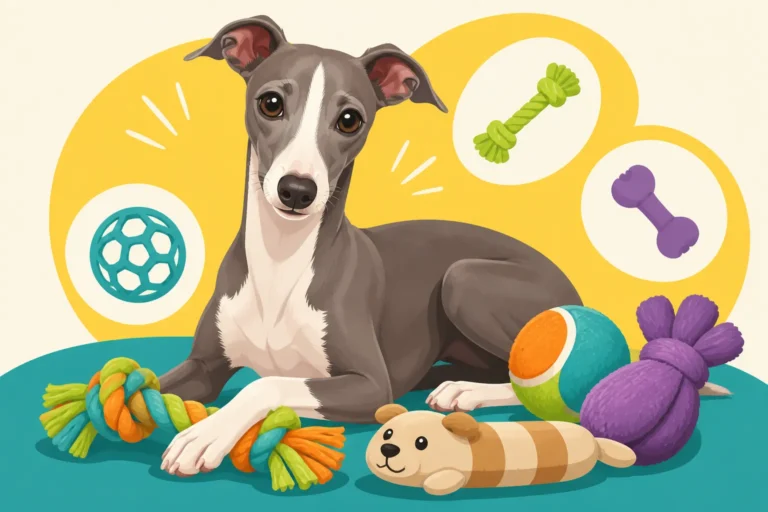
Chew toys and puzzle feeders are invaluable tools to keep them occupied and mentally stimulated when physical exercise is limited. Companies like KONG offer various puzzle toys that require your Iggy to work for their food or treats, burning mental energy in the process. You can find a wide range of these on platforms like Amazon. Regular training sessions, even short ones, can also be a form of exercise. Practicing new tricks or reinforcing known commands not only strengthens your bond but also gives them a mental workout. Remember, a tired brain can be just as effective as a tired body in creating a calm and happy Italian Greyhound.
Avoiding Common Exercise Pitfalls
Owning an Italian Greyhound means being constantly aware of their unique vulnerabilities. Their exercise routine, while vital, needs to be managed with particular care to prevent injuries and discomfort.
The Danger of High Jumps and Falls
One of the most heartbreaking realities of Italian Greyhound ownership is their propensity for broken bones. Their delicate, fine bones, particularly in their front legs, are surprisingly fragile, especially when they are young. A common scenario that leads to fractures is jumping down from furniture – a sofa, a bed, or even a chair – onto a hard surface. The Jump Off the Sofa That Breaks an Italian Greyhound's Leg What seems like a small leap for another dog can be catastrophic for an Iggy. For this reason, many Italian Greyhound owners adopt a "no jumping down" rule and actively train their dogs to use ramps or steps.
Investing in sturdy pet ramps or steps for all furniture your Iggy is allowed on is not an indulgence; it's a vital preventative measure. Ramps and Steps for an Italian Greyhound's Furniture Teach them from a young age that these are the only acceptable ways to get on and off furniture. Consistency is key, and it might mean a little extra effort on your part to always assist them, but it’s a small price to pay to avoid a devastating and expensive broken leg. Even seemingly harmless play involving jumping up or down from low objects should be monitored closely, especially during their most vulnerable period (generally under two years of age).
Overexertion and Temperature Sensitivity
Italian Greyhounds, with their minimal body fat and thin coats, are incredibly sensitive to temperature extremes. This affects how and when they can exercise outdoors. In cold weather, they shiver very easily and can quickly become hypothermic. A good quality, well-fitting coat or sweater is essential for any outdoor excursion when temperatures drop, even if it's just a quick potty break. In severe cold, outdoor activity should be extremely limited, prioritizing quick trips out and more indoor play. Likewise, in hot weather, they can overheat quickly. Their short coat offers little protection from the sun, and their slender build means they dissipate heat less efficiently than some other breeds.
Always monitor your Iggy for signs of discomfort during exercise, regardless of the weather. In cold, look for shivering, hunched posture, or reluctance to move. In heat, watch for excessive panting, lethargy, or seeking shade. Fresh water should always be available, especially after play. Adjust the duration and intensity of exercise based on the weather conditions, always prioritizing their comfort and safety over hitting a specific "mileage" goal. It's better to have several shorter, supervised play sessions than one long, potentially dangerous one.
The Ever-Present Recall Challenge
We've touched on this already, but it bears repeating: the Italian Greyhound's sighthound prey drive is an incredibly powerful, instinctual force that can override even the best training. This means that, despite your best efforts, your Iggy cannot generally be trusted off-leash in an unfenced area. Their focus will be entirely on whatever they are chasing, and they will run with an intensity that can make them seem deaf to your commands. Why an Italian Greyhound Stops Hearing You at a Sprint Many an Italian Greyhound owner has shared stories of their beloved pet taking off after a squirrel, seemingly vanishing into thin air, and the sheer panic that ensues.
This isn't a failure of training; it's a fundamental part of their breed. While it's always good to work on recall in controlled environments, expecting a perfect recall when their prey drive is activated is often unrealistic and dangerous. For this reason, a secure, well-fitting harness and a leash are your best friends. Even long lines (long training leashes) should be used with extreme caution, as they can tangle, snap, or allow the dog to gain too much speed before being reined in, potentially causing injury. Always err on the side of caution. Your Iggy's safety depends on it.
| Activity Type | Recommended Frequency | Duration/Notes | Considerations |
|---|---|---|---|
| Leashed Walks | 2-3 times daily | 15-20 minutes each | Use a secure harness. Allow sniffing. Adjust for weather. |
| Off-Leash Sprints | 3-4 times weekly | 10-15 minutes (or until tired) | MUST BE IN A FULLY SECURE, TALL-FENCED AREA. Avoid dog parks. |
| Indoor Play | Daily | 15-30 minutes, or as needed | Fetch, tug, puzzle toys, training games. Great for bad weather. |
| Mental Stimulation | Daily | 10-15 minutes | Puzzle feeders, training new tricks, hide-and-seek. Supplements physical exercise. |
| Lure Coursing/Fast CAT | As available/desired | Event-dependent, focus on short, intense runs | Excellent for sighthound instinct. Seek official events. |
| Agility/Other Sports | Sparingly, with caution | Short sessions, low jumps | Consult vet. High risk of injury due to fragile bones. Focus on fun, not competition. |
Italian Greyhounds require a thoughtful approach to exercise that balances their incredible athleticism with their delicate physique and strong desire for companionship. By understanding their sighthound nature, providing safe opportunities for bursts of speed, and mitigating risks like jumping and temperature exposure, you can ensure your Iggy lives a long, happy, and active life right by your side. They might be small, but their need for movement and engagement is mighty!
Disclaimer
This article is for general informational purposes only and does not constitute professional advice. Laws, prices and regulations vary by location and change over time. Consult a qualified professional for guidance on your specific situation.