Moving an Italian Greyhound From Pads to Outdoors
One of the biggest hurdles many Italian Greyhound owners face, especially those who start with puppies or rescue dogs accustomed to indoor potty spots, is the daunting task of moving them from pads to doing their business entirely outdoors. It feels like you’re stuck in an endless loop: your little IG is brilliant at using the pad, but the moment you try to shift them outside, it’s like starting from scratch. You feel frustrated, perhaps a little defeated, and wonder if your elegant companion will ever truly be "housetrained" in the traditional sense. This guide is here to walk you through that transition, understanding why it's tough, and offering actionable steps to help your Italian Greyhound embrace the great outdoors for their potty breaks.
Understanding the Italian Greyhound's Potty Habits
Let's be real, Italian Greyhounds have a unique set of characteristics that make traditional housetraining a bit of a marathon, not a sprint. Their delicate nature, thin skin, and low body fat mean they feel the cold deeply, and nobody likes to do their business when they're shivering! This often leads owners to rely on indoor solutions like potty pads, which, while convenient initially, can create a deeply ingrained habit that's tough to break.
Why the Pad Method Appeals (and Traps)
When you first bring home an Italian Greyhound puppy, or even an adult rescue, indoor pads seem like a godsend. They're convenient, they minimize accidents on your nice floors, and they offer a safe, warm spot for your little one to relieve themselves, especially if you live in a cold climate or an apartment. You might think, "Great, they're consistent, they know where to go!" And they do – they know exactly where that soft, absorbent square is.
The trap, however, lies in how deeply that habit is formed. Your Italian Greyhound isn't learning "potty outside"; they're learning "potty on the pad." To them, the pad is the designated bathroom, regardless of whether it's inside or outside. This creates a disconnect when you try to introduce a new, often less appealing, location. The crisp autumn air or a sprinkle of rain can be enough to send them scurrying back inside, looking for their familiar indoor spot. It’s not about defiance; it’s about comfort, routine, and often, a genuine dislike for unpleasant weather conditions. Why an Italian Greyhound Refuses to Go Out in Rain is a real struggle many of us face.
The Mental Shift: From "Anywhere Inside" to "Only Outside"
The core of successful transition is shifting your Italian Greyhound's mental association. They need to understand that the only acceptable place to relieve themselves is outdoors. This requires consistent messaging and reinforcement from you. Imagine being told for weeks or months that one spot is perfectly fine, and then suddenly, it's not. It takes patience and a very clear, unambiguous training approach to help them make that cognitive leap.
Think about it from their perspective: they're small, often easily startled, and their instinct for warmth and comfort is strong. If they've had success indoors on a pad, why would they willingly venture into the unknown, especially if it's chilly, wet, or unfamiliar? The goal is to make the outdoor experience more rewarding and predictable than the old indoor routine, while simultaneously making the indoor "old routine" less accessible.
The Step-by-Step Transition Plan
Moving from pads to outdoors isn't a quick fix; it's a careful, deliberate process that relies heavily on consistency and positive reinforcement. You’re essentially retraining a deeply ingrained behavior, so expect it to take time and require your full commitment.
Gradual Movement of Pads
This is where the "gradual" part comes in. Don't just yank the pad away one day and expect miracles. That's a recipe for accidents and frustration for everyone. Instead, make tiny, almost imperceptible changes over days, or even weeks.
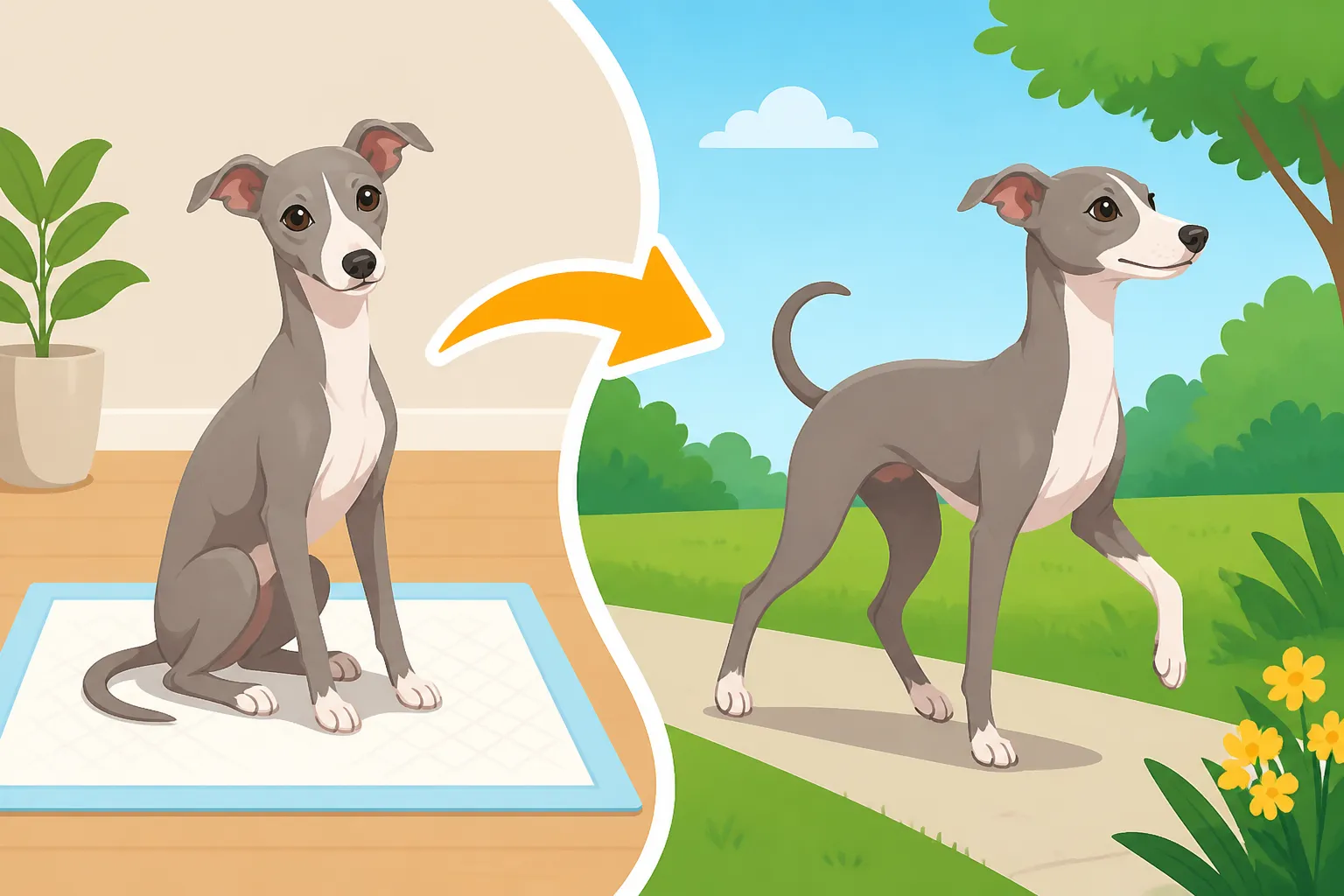
Start by moving the potty pad a mere inch or two closer to the door each day. This might sound painstakingly slow, but the idea is that your Italian Greyhound barely notices the change. They're still going to the "same" spot, even if that spot is slowly migrating. Once the pad is right at the door, then you can begin to move it just outside the door. Place it on the porch, or right outside your exit point. The critical thing here is that your dog still has the visual cue of the pad, but they are now physically stepping outside to use it. Stay right there with them, praising and rewarding immediately when they use it.
Once they are consistently using the pad just outside the door, you can begin to reduce the size of the pad. Cut it in half, then a quarter, then eventually, remove it altogether, having them go directly on the grass or designated outdoor spot. Always accompany them, use your potty cue, and reward heavily. This gradual approach minimizes anxiety and helps them associate the outdoor location with the act of elimination, rather than solely the pad itself. Remember, Whether Indoor Pads Work for an Italian Greyhound is usually yes, but transitioning requires dedication.
Introducing Outdoor Potty Cues and Rewards
Now that you're strategically moving the pad, it's time to supercharge the outdoor experience. This means making outdoor potty breaks the most exciting event of your Italian Greyhound's day, every single time.
First, establish a clear potty cue. This could be "Go potty," "Do your business," or whatever short, consistent phrase works for you. Use it every single time you take them out. When you go outside, take them directly to their designated potty spot. Don't let them wander and play; this is business time. Use your cue. The moment they squat or lift a leg, even if they haven't finished, start with quiet, happy praise: "Good potty! Yes!" As soon as they are done, unleash the ultimate party. This means high-value treats (think tiny pieces of cheese, cooked chicken, or their absolute favorite commercial training treats) and enthusiastic verbal praise, maybe even a quick, happy petting session. The reward must be immediate, so they associate the act of eliminating outside with something truly wonderful.
Consistency is paramount. Every single time they go outside for a potty break, follow this routine. Avoid scolding them for accidents inside; that only teaches them to hide their potty breaks from you. Instead, clean up calmly and reinforce the positive outdoor routine. For tips on managing the indoor routine, consider Setting Up an Indoor Bathroom for an Italian Greyhound while you transition.
Managing Accidents During the Transition
Accidents will happen. It’s an inevitable part of this process, and your reaction to them is crucial. Yelling, scolding, or rubbing their nose in it will only create fear, not understanding. It teaches your Italian Greyhound that pottying is a scary activity, and they might start hiding to do their business, making housetraining even harder. What a Raised Voice Does to an Italian Greyhound can set back training significantly.
When an accident occurs inside, simply clean it up thoroughly using an enzymatic cleaner to eliminate odors that might attract them back to the same spot. Resist the urge to punish. If you catch them in the act, a quick, sharp "Ah-ah!" and immediately scooping them up and carrying them outside to their designated spot can work. If they finish outside, even a tiny bit, reward them like they just won Best in Show.
The best way to prevent accidents is vigilant supervision. When your Italian Greyhound is indoors, especially during the transition, keep a close eye on them. If you can’t actively supervise, crate them or keep them in a small, puppy-proofed area. This is a vital part of Housetraining an Italian Greyhound Is the Hardest Part of Owning One. Knowing their schedule – when they typically wake up, after eating, after playing – will also help you preemptively take them out. Many Italian Greyhounds have small bladders, so frequent trips are necessary, especially for puppies. Why an Italian Greyhound Has a Small Bladder is a truth we all live with.
Here's a quick comparison of indoor vs. outdoor potty training during transition:
| Aspect | Indoor Pad Training (Initial Phase) | Outdoor Potty Training (Transition Goal) |
|---|---|---|
| Convenience | High (especially for owner's schedule, bad weather) | Variable (depends on weather, owner's vigilance) |
| Learning Outcome | Potty in a specific indoor location | Potty in a specific outdoor location |
| Impact on Habits | Establishes indoor elimination as acceptable | Establishes outdoor elimination as the only acceptable option |
| Effort Required | Less owner effort once routine is established | High owner effort and consistency required |
| Potential Pitfalls | Difficulty transitioning, regressions, odor | Weather aversion, perceived inconvenience, initial accidents |
| Key to Success | Proximity to living space, easy access, absorption | Consistency, high-value rewards, weather preparedness |
Overcoming Common Challenges
Even with the best plan, you're going to hit some bumps in the road. Italian Greyhounds, bless their hearts, are masters of finding exceptions to your rules, especially when it comes to comfort.
Weather Aversion and Its Impact
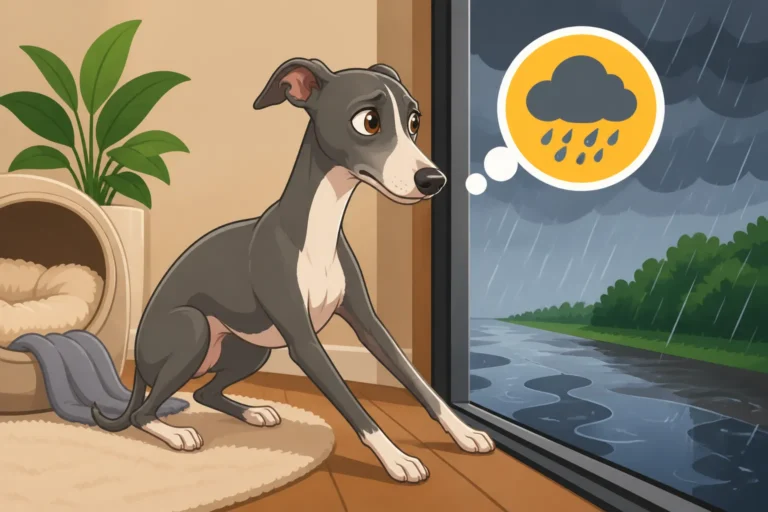
This is perhaps the biggest battle for many Italian Greyhound owners. A tiny drizzle, a gust of wind, or the slightest chill in the air can turn your otherwise eager dog into a statue refusing to budge. Their thin coats and minimal body fat mean they truly feel the cold, making outdoor potty breaks feel like an ordeal to them. You might find them doing the "potty dance" at the door, but once outside, they freeze up, shivering and looking desperately for a quick retreat. How Cold Weather Undoes an Italian Greyhound's Training is a very real problem.
To combat this, you need to make the outdoor experience as comfortable as possible. Invest in a good quality, well-fitting winter coat or sweater, perhaps even a waterproof one for rainy days. Brands like Equafleece or even many options on Amazon that cater to sighthound body types can be a lifesaver. Ensure it covers their body well and keeps them genuinely warm. For extreme cold or wet, consider How a Covered Potty Area Helps an Italian Greyhound. A small awning or a designated sheltered spot in the yard can make a huge difference. Some owners even use little dog boots to protect delicate paws from ice, snow, or hot pavement, although getting an IG to accept boots can be a whole other training challenge!
The Small Bladder Reality
Let's face it, Italian Greyhounds aren't built for holding it for hours on end like some larger breeds. Their small size means a small bladder, especially for puppies. You might find yourself taking them out every hour or two during the day, and definitely first thing in the morning, after every meal, after naps, and before bed. This isn't a sign of poor training; it's simply their physiology.
Learning to recognize their subtle signals for needing to go is key. This might be pacing, sniffing around, sudden restlessness, or even a direct stare at you. If you know they typically need to go after a certain activity, like waking up from a nap, take them out before they even start signaling. Being proactive prevents accidents and builds success. It takes vigilance, but it's part of the commitment to The First Year With an Italian Greyhound Puppy.
Regressions and How to Handle Them
You've been so good, so consistent, and then BAM! An accident on the rug. Or a sudden refusal to go out. Regressions are a normal part of any training process, especially with Italian Greyhounds and housetraining. Don't take it as a personal failure or a sign that your dog is untrainable.
Common triggers for regression include:
- Stress: A new routine, visitors, moving to a new home, or even a sudden loud noise can throw them off.
- Medical Issues: Always rule out a UTI or other health problem with your vet if regressions are sudden or frequent.
- Weather Changes: A sudden cold snap or heavy rain can instantly undo weeks of progress.
- Changes in Supervision: If you get a bit lax with supervision, they might revert to old habits.
When a regression happens, go back to basics. Increase supervision, take them out more frequently, and heap on the praise and treats for outdoor success. You might even temporarily move a pad closer to the door again if they're particularly resistant to going outside, and then slowly move it back out. Patience is your most powerful tool here. Remember, Cleaning Up After an Italian Greyhound Accident without fuss is vital to prevent fear.
Tools and Resources to Support the Transition
You don't have to tackle this alone! There are plenty of tools and resources out there that can make the transition smoother for both you and your Italian Greyhound.
Essential Gear for Outdoor Potty Training
Having the right equipment can make all the difference, especially when dealing with a breed as particular as an Italian Greyhound.
- Weather-Appropriate Clothing: As mentioned, good quality coats and sweaters are non-negotiable for Italian Greyhounds. Look for designs specifically tailored for sighthounds that accommodate their deep chests and slender bodies. Amazon offers a wide variety, from waterproof raincoats to fleece pajamas that can keep them cozy during cold potty breaks.
- Leash and Harness: A properly fitting harness is crucial for an Italian Greyhound, as they can easily slip out of a flat collar due to their delicate necks and narrow heads. A martingale collar or a well-fitting harness like those found from specialized sighthound vendors or even on Amazon can give you better control and security during outdoor trips, especially if they get distracted by a squirrel. Which Harness Suits an Italian Greyhound's Neck is worth researching for safety.
- High-Value Treats: These are your secret weapon. Small, soft, incredibly delicious treats that your dog rarely gets otherwise. Keep them in a pouch attached to your waist for quick access the moment they finish outside.
- Enzymatic Cleaner: For inevitable indoor accidents, a good enzymatic cleaner is essential. It breaks down the odor-causing molecules, making the spot less appealing for future accidents. Many reputable pet brands offer these, readily available online or in pet stores.
- Outdoor Potty Bell (Optional): Some owners have success teaching their dogs to ring a bell hanging from the doorknob to signal they need to go out. This can be a useful communication tool once they understand the outdoor concept.
Training Aids and Professional Help
Sometimes, a little extra guidance can go a long way. Don't hesitate to seek out additional help if you're feeling stuck.
- Online Training Programs: There are numerous online dog training resources available. Some focus specifically on housetraining challenges. For example, BAXTER & Bella offers comprehensive online puppy training programs that cover everything from basic obedience to housetraining, often with personal coaching options. Their structured approach can provide the detailed guidance and troubleshooting you might need to adapt to your Italian Greyhound's unique needs.
- Professional Dog Trainers: A local certified professional dog trainer, especially one with experience in sighthounds or notoriously difficult-to-housetrain breeds, can offer personalized advice and hands-on demonstrations. They can observe your specific situation and help identify nuances in your dog's behavior or your training approach that you might be missing.
- Veterinary Consultation: If your Italian Greyhound is consistently having accidents, especially if it’s sudden or frequent, always consult your veterinarian first. As mentioned, medical issues like urinary tract infections can cause housetraining setbacks. Your vet can rule out health problems and ensure your dog is physically able to hold their bladder. They can also offer advice on managing anxiety if that's contributing to the problem.
Remember, transitioning an Italian Greyhound from pads to outdoors is a testament to your patience and consistency. It might take longer than you expect, but with a clear plan, the right tools, and a compassionate approach, your elegant companion will soon be doing all their business where it belongs – under the open sky.
Disclaimer
This article is for general informational purposes only and does not constitute professional advice. Laws, prices and regulations vary by location and change over time. Consult a qualified professional for guidance on your specific situation.