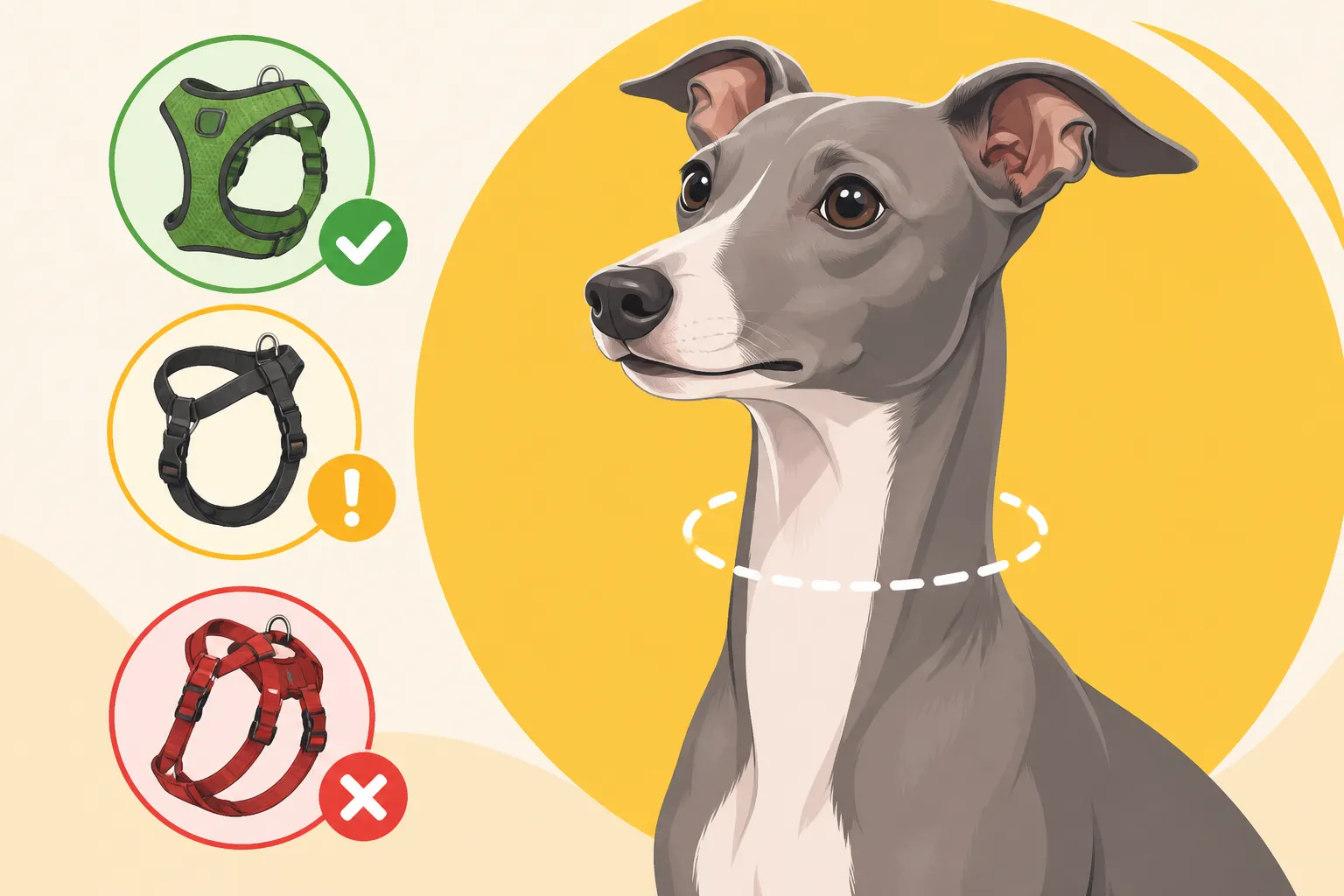
Which Harness Suits an Italian Greyhound’s Neck
One of the trickiest parts of owning an Italian Greyhound, especially if you're a first-time Iggy parent, is finding a harness that actually fits their unique, delicate build without posing a risk. You've probably already discovered that standard harnesses from the big box pet stores just don't cut it, slipping off or causing uncomfortable pressure points. This guide will walk you through why Italian Greyhounds need specialized harnesses and what features to prioritize to keep your nimble companion safe and secure.
The Unique Challenge of an Italian Greyhound's Anatomy
Italian Greyhounds are built like tiny, elegant athletes, but their distinctive body shape — deep chest, slender neck, and narrow head — makes them escape artists in many traditional dog harnesses. It's not just about finding something that "fits"; it's about finding something that truly works with their conformation to prevent injury and keep them from slipping out.
Why Standard Harnesses Don't Work
Most harnesses you find on the shelf are designed for dogs with broader chests and necks that are more proportionate to their head size. An Italian Greyhound’s neck is notoriously slender, almost delicate, and their head is quite small compared to the circumference of their neck. This means that a harness that fits snugly around their chest can often be easily backed out of, especially if your Iggy gets a sudden fright or spies a squirrel across the park. The gap around their neck is just too generous, allowing them to pull their head through and vanish in a flash.
Beyond the escape risk, poor fit can lead to discomfort or even injury. Straps that rub against their thin skin can cause chafing, especially in the sensitive armpit area. Pressure across the throat area, which is common with ill-fitting harnesses that ride up, can restrict breathing or put undue stress on their fragile tracheas. Remember, these dogs have very little padding. Their bones are close to the surface, and any constant rubbing or pressure can be a serious issue.
The Delicate Italian Greyhound Neck
The Italian Greyhound's neck isn't just slender; it's also long and elegant, leading into a deep but narrow chest. This creates a cone-like shape that tapers significantly from chest to head. Think about trying to put a shirt on a hanger that's too wide at the bottom and too narrow at the top – it just doesn't sit right. For an Iggy, this means a conventional harness with a fixed neck opening often ends up either too loose around the neck, allowing escapes, or too tight around the chest, restricting movement and breathing. This is why you often hear Italian Greyhound owners talk about the need for specific "sighthound" or "greyhound-specific" harnesses – they're not being picky, they're being practical for their dog's safety and comfort.
It's also crucial to consider the potential for injury. An Italian Greyhound's neck and trachea are quite vulnerable. Any harness that puts direct pressure on the front of their throat, especially when they pull, can be detrimental. This is particularly important for puppies and younger Iggys whose bones are still developing. The Age an Italian Greyhound's Bones Finish Hardening is a critical period where extra care is paramount, and a poorly chosen harness can compound risks.
Essential Features of an Italian Greyhound Harness
When shopping for an Italian Greyhound harness, you need to think beyond aesthetics and focus on specific design elements that cater to their unique build. It's about security, comfort, and safety all rolled into one.
The "Y-Front" Design for Comfort and Safety
One of the most important features to look for is a "Y-front" or "Y-shaped" chest strap. Unlike harnesses that have a horizontal strap running across the dog's chest and throat, a Y-front design forms a "Y" shape on your dog's chest. This design ensures that the pressure from pulling is distributed across the chest bone (sternum) and away from the delicate throat and trachea.
This is a game-changer for Italian Greyhounds. When your Iggy inevitably gets excited or sees something worth chasing, and pulls on the leash, a Y-front harness channels that force safely. It prevents choking, coughing, and potential damage to their throat. Plus, it allows for a full range of motion in their shoulders, which is essential for these graceful, high-stepping dogs. Without proper shoulder movement, they can develop an unnatural gait or even muscle strain over time. Look for brands that explicitly state a Y-front design as a key feature, as it's truly non-negotiable for an Iggy's well-being.
Martingale-Style Loop for Escape Prevention
Another critical feature, often found in harnesses designed specifically for sighthounds, is a martingale-style loop on the neck strap. A traditional martingale collar works by gently tightening when the dog pulls, preventing them from backing out. In a harness, this concept is integrated into the neck opening. The neck portion of the harness will have an adjustable loop that, when pulled, gently snugs around the neck without applying excessive pressure, making it much harder for your Italian Greyhound to slip out.
This feature provides that extra layer of security that Italian Greyhound owners desperately need. Imagine your Iggy getting startled by a loud noise or catching sight of a rabbit in the distance. Their instinct is to bolt, and their narrow head can easily slide out of a loose neck opening. The martingale loop closes that gap just enough to keep them contained, without becoming a choke hazard. This type of harness is particularly reassuring when you're out and about, knowing that a sudden movement won't lead to a terrifying chase. For more on keeping your Iggy safe on walks, consider Why an Italian Greyhound Cannot Be Trusted Off Leash, Ever.
Adjustability and Strap Placement
A good Italian Greyhound harness must offer extensive adjustability, not just around the chest, but crucially around the neck. Given their unique tapered shape, you need to be able to cinch the neck strap snugly enough to prevent escape without it being uncomfortably tight when they're not pulling. Look for harnesses with multiple adjustment points – ideally, at least four points: two around the chest/girth and two for the neck/front strap.
The placement of the straps is also vital. The girth strap should sit a few inches behind their front legs, not directly in their armpits, to prevent chafing. Italian Greyhounds have very thin skin, and rubbing in this sensitive area can quickly lead to sores or discomfort. The Y-front design naturally helps with this by keeping the front straps positioned correctly. Also, consider the width of the straps; wider straps tend to distribute pressure more evenly and are less likely to dig into their delicate skin than very thin ones.
Types of Harnesses That Work for Italian Greyhounds
Given the specific needs of Italian Greyhounds, not all harnesses are created equal. Certain types and brands have risen to popularity among Iggy owners for their thoughtful designs.
Sighthound-Specific Harnesses
These harnesses are specifically engineered with the Italian Greyhound's unique body type in mind. They often incorporate both the Y-front design and the martingale-style neck loop. Many small, independent businesses and specialty retailers cater to sighthound breeds, understanding that a one-size-fits-all approach simply doesn't work. You might find these on Etsy or through dedicated sighthound rescue organizations' online stores, which often recommend or even sell custom-made options.
One common style you'll hear about is often referred to as a "three-strap" or "escape-proof" harness. This design typically has two girth straps – one closer to the armpits and a second, further back, around the narrower part of the loin. This second strap makes it incredibly difficult for an Iggy to back out. Combined with a Y-front and a well-fitted neck, it offers maximum security. These harnesses usually come with clear sizing charts that emphasize chest and neck measurements, so be sure to measure your Iggy carefully before ordering.
Soft, Padded, and Fleece-Lined Options
Because Italian Greyhounds have very little body fat and thin skin, any material that comes into prolonged contact with them needs to be soft and non-abrasive. Harnesses lined with fleece, neoprene, or other soft, breathable materials are excellent choices. This padding prevents rubbing and hot spots, especially during longer walks or if your Iggy is particularly energetic.
For instance, some popular brands offer harnesses with a soft, fleece lining around all the straps, particularly the ones that go under the chest and behind the legs. This makes a huge difference in comfort, preventing the kind of irritation that can make a dog dread going for a walk. When you’re spending money on a specialized harness, don’t skimp on material quality; your Iggy’s comfort is paramount. The extra cushioning also helps prevent the straps from digging into their prominent bone structure.
Brands and Where to Look
While I can't name specific models or guarantees, many Italian Greyhound owners have found success with brands that focus on sighthounds. You can often find these specialized harnesses by searching online for "sighthound harness," "Italian Greyhound harness," or "escape-proof dog harness." Larger online retailers like Amazon often carry various brands, including some smaller manufacturers catering to specific breeds.
When browsing, pay close attention to customer reviews, particularly those from other Italian Greyhound owners. They will often share specific feedback on how the harness fits their Iggy's unique shape. Look for reviews that mention the harness's ability to prevent escapes, its comfort, and the quality of the materials. Also, don't be afraid to reach out to Italian Greyhound specific online communities or local breed groups; they are a treasure trove of recommendations and often have first-hand experience with what works and what doesn't. You'll find many owners passionately discussing their favorite gear!
Here's a quick comparison of harness features to keep in mind:
| Feature | Why It Matters for Italian Greyhounds | Ideal Outcome |
|---|---|---|
| Y-Front Design | Distributes pressure away from the delicate trachea and neck. | Prevents choking and throat injury. Allows free shoulder movement. |
| Martingale-Style Neck | Gently snugs the neck opening when Iggy pulls, preventing escapes. | Secure containment without excessive pressure. |
| Multiple Adjustments | Allows for a custom fit on their slender neck and deep chest. | Snug fit that prevents slipping but isn't restrictive. |
| Soft/Padded Material | Protects thin skin from chafing and rubbing, especially in armpits. | Maximizes comfort, prevents sores and irritation. |
| Girth Strap Placement | Sits several inches behind the front legs. | Avoids rubbing in sensitive armpit area. |
| Escape-Proof Design | Often includes a second girth strap for ultimate security. | Virtually impossible for Iggy to back out of the harness. |
Ensuring a Proper Fit
Even the best-designed harness won't be effective if it's not fitted correctly. Taking accurate measurements and knowing how to check the fit are paramount to your Italian Greyhound's safety and comfort.
Taking Accurate Measurements
Before you even think about buying a harness, grab a soft tape measure and measure your Italian Greyhound carefully. Don't eyeball it, and don't rely solely on their weight, as Iggys can vary quite a bit in build even at the same weight.
Here are the key measurements you'll need:
- Neck Circumference: Measure around the widest part of their neck, where a collar would naturally sit.
- Chest/Girth Circumference: Measure around the deepest part of their chest, right behind their front legs. This is usually the largest measurement.
- Back Length: Measure from the base of the neck (between the shoulder blades) to the base of the tail. While not always needed for harnesses, it can help with sizing for some styles.
Compare these measurements meticulously with the sizing chart provided by the harness manufacturer. If your Iggy is between sizes, it's often better to go with the larger size if it's highly adjustable, as you can tighten it down. A harness that's too small will be restrictive and uncomfortable. Some owners find that a puppy training program like BAXTER & Bella can help them learn to tolerate measurements and fittings from a young age, making future gear adjustments much smoother.
The Two-Finger Rule and Checking for Rubs
Once you have the harness on your Italian Greyhound, it's time to check the fit. A good rule of thumb is the "two-finger rule": you should be able to comfortably slide two fingers flat (not stacked) under all the straps. If you can fit more than two fingers, it's too loose. If you struggle to fit two fingers, it's too tight.
Beyond the finger test, observe your Iggy's movement. Do the straps restrict their shoulders or legs? Is the Y-front sitting on their chest bone or riding up onto their throat? Watch them walk, trot, and even do a quick zoomie if possible. After a short walk, remove the harness and check for any red marks, chafing, or ruffled fur, especially in the armpit area, around the neck, and along their back. Even minor irritation can escalate quickly with their sensitive skin. If you notice any issues, the harness either doesn't fit correctly, or the material isn't suitable, and it's time to try a different option.
Alternatives and Considerations
While harnesses are generally recommended for Italian Greyhounds, there are always other options and important considerations for their overall well-being.
Martingale Collars for Specific Situations
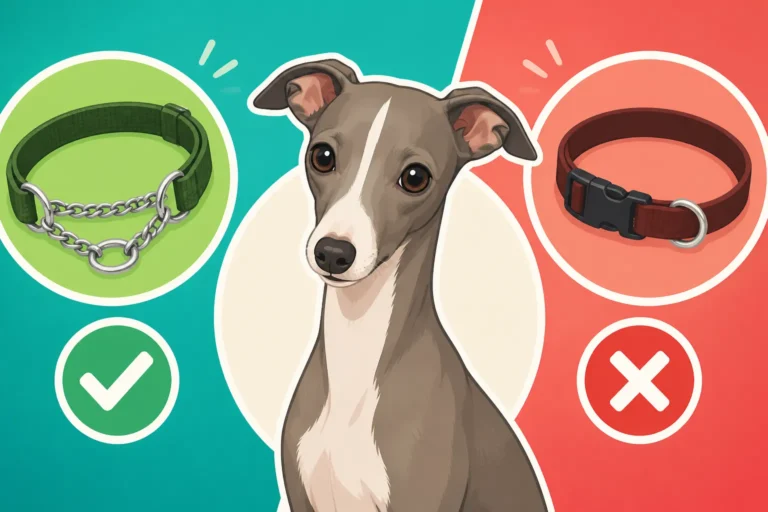
A martingale collar is an excellent alternative or complement to a harness for an Italian Greyhound, especially if you're comfortable with leash walking. Unlike a standard flat collar, a martingale collar is designed with two loops: a larger loop that slips over the dog's neck, and a smaller loop where the leash attaches. When the dog pulls, the smaller loop tightens the larger loop evenly around the neck, preventing them from slipping out without choking them. This is due to the limited closure of the martingale chain or fabric loop.
Martingale collars are fantastic for Iggys because they address the narrow head/neck issue that makes traditional collars ineffective. However, it's crucial that a martingale collar is properly fitted and only used for supervised walks, not left on unsupervised. While they prevent escapes, they still apply pressure to the neck, which may not be ideal for Iggys who pull excessively or have existing neck sensitivities. For dogs with a tendency to lunge or pull very hard, a well-fitted Y-front, martingale-style harness is often the safer choice to protect their delicate trachea.
Training and Behavior to Reduce Pulling
No matter how well a harness fits, good leash manners make every walk more enjoyable and safer for your Italian Greyhound. Investing time in positive reinforcement training to teach your Iggy to walk nicely on a loose leash can significantly reduce the strain on their body and equipment. Reward-based training methods, using high-value treats and praise, are highly effective with Iggys, who are intelligent and eager to please, especially when food is involved.
Focus on teaching cues like "heel" or "walk with me" in a calm environment first, gradually introducing more distractions. If your Iggy is easily overstimulated outdoors, consider starting with shorter walks in quieter areas. For more insights on their prey drive and how it affects walks, read What an Italian Greyhound Chases. Remember, Italian Greyhounds are sensitive, so harsh corrections or yanking the leash can be counterproductive and even damage your bond. Patience and consistency are key to cultivating a relaxed walking companion.
Protecting an Italian Greyhound's Fragile Legs
Beyond harnesses, remember that protecting your Italian Greyhound's delicate bones is an ongoing commitment. Their slender legs are prone to fractures, particularly the radius bone in their front leg. A Broken Leg Is the Emergency Every Italian Greyhound Owner Fears and Why an Italian Greyhound's Radius Is the Bone That Breaks highlight these risks. While a harness helps with leash safety, it doesn't mitigate all environmental hazards.
Consider using ramps or steps for furniture to prevent jumping, especially for young Italian Greyhounds. Limit rough play with larger dogs, and always supervise playtime closely. Ensuring your home has non-slip surfaces can also help prevent falls and sudden twists. Every aspect of their care, from their diet to their environment, plays a role in keeping them healthy and safe for their potentially long lifespan. Why an Italian Greyhound Lives Fourteen to Fifteen Years is a testament to how well they can thrive with proper care and attention to their unique needs.
Disclaimer
This article is for general informational purposes only and does not constitute professional advice. Laws, prices and regulations vary by location and change over time. Consult a qualified professional for guidance on your specific situation.