What an Anxious Italian Greyhound Does to a Door
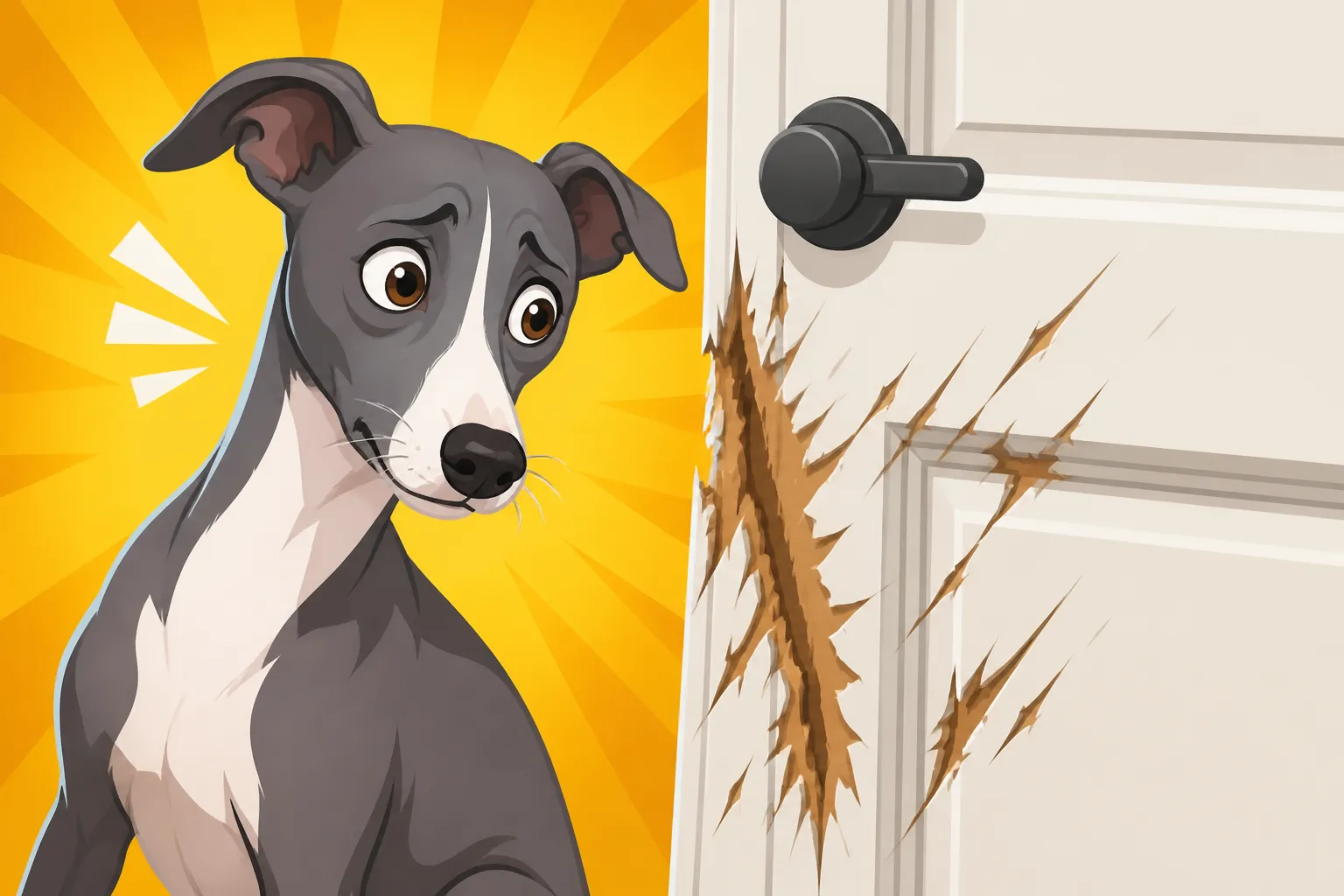
It's heartbreaking to come home to a scratched-up door frame, a chewed-through baseboard, or even a door panel that looks like it's been attacked by a tiny, desperate beaver. Many Italian Greyhound owners face this exact frustration when their beloved, usually sweet-natured, companion struggles with being left alone. This isn't just "being naughty"; it's a clear sign of distress, and it's a common, albeit damaging, manifestation of separation anxiety. This guide will delve into why your Italian Greyhound might be turning your doorway into a demolition zone and, more importantly, what you can do to address this anxious behavior and protect your home.
Understanding Italian Greyhound Separation Anxiety and Door Destruction
Italian Greyhounds are truly special dogs, known for their affectionate nature and deep bond with their human companions. This intense attachment, while one of their most endearing qualities, can also be the root cause of significant anxiety when they are left by themselves. When an IG starts to damage doors or door frames, it's rarely out of spite or boredom, but rather a desperate attempt to reunite with their person.
The Roots of Separation Anxiety in Italian Greyhounds
Our Iggies are often called "Velcro dogs" for a reason. They thrive on companionship and physical closeness, preferring to be curled up with you on the sofa, tucked under a blanket, or even following you from room to room. This strong desire for connection is part of their breed's historical purpose—they were bred as companions, lap dogs for royalty and nobility. They weren't typically left alone for long stretches, and that instinct for constant company still runs deep. When that connection is suddenly broken, even for a short trip to the grocery store, it can trigger a profound sense of panic.
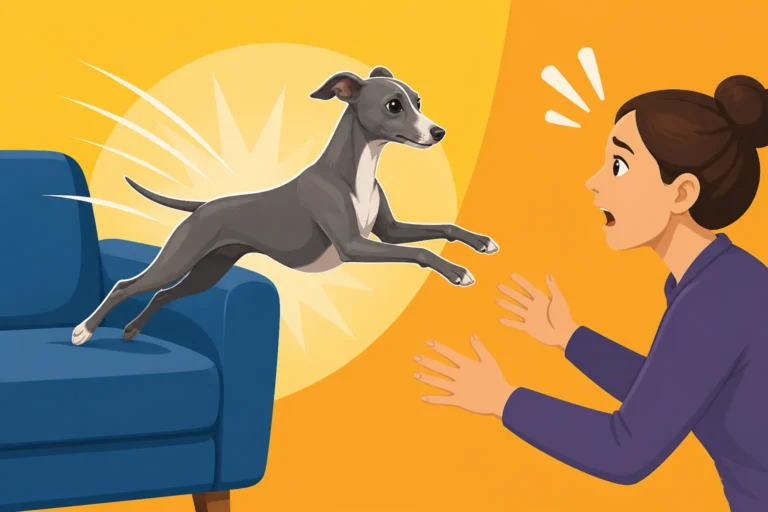
Think about it from their perspective: one minute they're secure, warm, and loved, and the next, their entire world (you!) has vanished behind a closed door. For many Iggies, this isn't just inconvenient; it feels like an existential threat. This profound bond, combined with their sometimes fragile emotional makeup, makes them highly susceptible to developing separation anxiety. They are finely tuned to your presence, your routine, and your scent, and your absence can feel like a gaping hole. If you've ever wondered Why an Italian Greyhound Attaches to One Person, this deep connection explains a lot about why being left alone can be so hard.
How Anxiety Manifests at the Door
When an Italian Greyhound experiences separation anxiety, their coping mechanisms can be quite destructive, especially around the departure point: the door. It's the last place they saw you, the barrier that now separates them from you, and therefore, it becomes the target of their frustration and attempts to escape or rejoin you. This isn't a calm, deliberate act; it's often a frantic, obsessive one, driven by sheer panic. You might notice the damage starting subtly, maybe a few faint scratches, before escalating to deep gouges or significant chewing. The door isn't just an object to them; it's the symbol of their isolation.
The behaviors you might observe include relentless scratching at the bottom or sides of the door, gnawing on the door frame or trim, trying to dig under the door, or even attempting to push through it. Coupled with this physical destruction, you'll often find vocalizations like incessant barking, whining, or howling, all designed to call you back. The silence when you're gone is terrifying, and they're trying to break it in any way they know how. This frantic effort to get through the barrier indicates a severe level of distress.
The "Why" Behind the Destruction: Not Malice, But Panic
It’s crucial to understand that your Italian Greyhound isn't destroying your door because they're "mad" at you for leaving, or because they're trying to get revenge. They are not thinking, "I'll show them for leaving me!" Their actions stem from a deep, primal fear of abandonment and isolation. The destruction is a symptom of their inner turmoil, a physical outlet for overwhelming stress.
Imagine yourself in a situation where you feel trapped and terrified, desperately trying to find a way out. That's essentially what your anxious Italian Greyhound is experiencing. Their small, delicate bodies might be deceiving; they possess a surprising amount of strength and determination when driven by fear. They will use their teeth, their nails, and their bodies to try and breach that door, often causing damage that seems disproportionate to their size. It's an instinctive response to an unbearable situation, not a behavioral issue rooted in disobedience. This is a key difference that needs to be appreciated to address the problem effectively.
Common Behaviors: What You'll See at the Door
The damage left behind by an anxious Italian Greyhound can be extensive and varied, but it almost always centers around the points of entry and exit. Understanding the specific types of damage can help you identify the severity of the anxiety and plan your interventions.
Chewing and Gnawing: Focusing on Door Frames, Baseboards, and Even the Door Itself
One of the most common forms of door-related destruction is chewing. An anxious IG might focus their efforts on the door frame, systematically gnawing away at the wood trim. They might target the bottom corners where they can get a good grip, or even the lower panels of the door itself. This isn't just a casual chew; it's often deep, splintering, and can expose raw wood or even structural elements.
The motivation behind this chewing is complex. It can be a self-soothing mechanism, similar to how a human might bite their nails or fidget when stressed. The act of chewing releases endorphins, which can temporarily alleviate their anxiety. It also serves as a physical attempt to remove the barrier. They might be trying to "eat their way out." If you've observed What an Italian Greyhound Chews when left alone, you'll recognize this frantic, focused destruction, often leaving jagged edges and wood splinters. This behavior is incredibly frustrating for owners, as it leads to costly repairs and visually unappealing damage.
Scratching and Digging: Damage to Paint, Wood, Carpets
Beyond chewing, Italian Greyhounds are also adept at scratching and digging, especially at the base of the door. Their sharp nails, though small, can quickly strip paint, leave deep gouges in wood, and even tear at carpet fibers leading up to the door. This often happens alongside the chewing or as an alternative attempt to escape.
They might stand on their hind legs and scratch furiously at the middle or upper parts of the door, desperate to open it. The sound of their nails against the wood or paint, combined with their vocalizations, creates a vivid picture of their distress. Many owners come home to find not just superficial marks, but deep grooves that require significant sanding and repainting. If there's a carpeted area near the door, you might find it pulled up, frayed, or even completely torn where they've tried to dig their way through. This kind of damage can be particularly disheartening, as it affects not just the door but the surrounding flooring and walls.
Barking, Whining, and Howling: The Vocal Component of Door Anxiety
While not physically destructive to the door itself, the relentless barking, whining, and howling that often accompanies door destruction is a major component of separation anxiety. These vocalizations are their cries for help, their attempts to call you back, or to express their profound fear and loneliness. This can be as disruptive as physical damage, especially if you live in an apartment or close quarters where neighbors are affected.
The vocalizations are not just annoying; they are a clear indication of a dog in acute distress. The whining might be a continuous, high-pitched sound, while the barking can be repetitive and frantic, often escalating to mournful howls. These sounds typically start shortly after you leave and can continue, sometimes with brief breaks, until your return. Understanding that this is their way of communicating extreme anxiety, rather than "misbehavior," is key to approaching the problem with empathy and effective training strategies. Knowing How an Italian Greyhound Behaves When You Pack a Bag can often give you an early warning sign of the impending vocal protest.
Immediate Steps to Mitigate Door Destruction
Coming home to a damaged door is upsetting, but there are immediate steps you can take to prevent further destruction while you work on long-term solutions for your Italian Greyhound's anxiety. These actions focus on managing the environment and providing distractions.
Creating a Safe and Secure Space
The first priority is to create an environment where your Italian Greyhound feels safe and cannot cause damage. For many Iggies, this means crate training. A well-sized crate, introduced positively and made comfortable, can become their den, a secure space where they feel less exposed and less compelled to try and escape through a door. It's not about punishment; it's about providing a safe, enclosed area. Ensure the crate is large enough for them to stand, turn around, and lie down comfortably, but not so large that they can soil one end and sleep in another. Soft bedding and a favorite blanket are essential. Learning Crating an Italian Greyhound Overnight can lay the groundwork for daytime crating.
If crating isn't an option or your IG struggles with it, consider a dog-proofed room. This means a room with no accessible doors (or where the door is heavily protected), no valuable furniture, and no wires. This might be a laundry room or a bathroom, but make sure it's warm enough, especially for a thin-skinned Italian Greyhound, and has soft bedding. The goal is to remove the opportunity for destruction at the exit points. For more on creating a secure space, refer to resources like Leaving an Italian Greyhound Crated.
Environmental Enrichment and Distraction
While you're working on the underlying anxiety, offering appropriate distractions can help redirect your Italian Greyhound's destructive energy. Long-lasting chews and puzzle toys are invaluable. Fill a treat-dispensing toy with peanut butter or a portion of their meal, freeze it, and offer it just before you leave. This engages their mind and mouth in a positive way, providing a sense of comfort and a task to focus on during your initial absence.
Brands like KONG offer various durable toys that can be stuffed and frozen. There are also a variety of puzzle toys available on platforms like Amazon that require your IG to work to get treats out, stimulating their brain and reducing boredom. Ensure the toys are safe and appropriate for their size and chewing habits. Some Iggies adore soft, burrowing toys, while others prefer harder chew items. Experiment to see what holds their interest the longest.
Short-Term Barriers and Protection
To physically protect your doors and frames, consider installing temporary barriers or protective coverings. Clear adhesive films designed to protect against scratching can be applied to door surfaces and frames. You can also use durable plastic or metal sheeting to cover the lower parts of doors and surrounding trim. These aren't permanent solutions, but they buy you time and prevent further damage while you implement training.
For particularly persistent chewers, applying bitter apple spray or similar non-toxic deterrents to door frames can discourage them. However, many Italian Greyhounds are so driven by anxiety that they will chew right through the taste. It's a temporary measure at best. The real solution lies in addressing the root cause, but these physical barriers can save your home from becoming a total casualty in the interim.
Long-Term Training and Management Strategies
Addressing separation anxiety and door destruction in Italian Greyhounds requires patience, consistency, and a multi-faceted approach. These long-term strategies focus on changing your dog's emotional response to your departures.
Gradual Desensitization and Counter-Conditioning
This is the cornerstone of treating separation anxiety. The goal is to teach your Italian Greyhound that your departures are not a cause for panic, but rather a normal, even positive, part of their day. This involves breaking down the departure routine into tiny, non-threatening steps.
Start with pre-departure cues: pick up your keys, put on your coat, walk to the door, touch the doorknob. Do these actions repeatedly without actually leaving. The moment your IG shows any sign of anxiety (tensing up, watching you intently), stop, wait for them to relax, and then put your keys down. You're desensitizing them to these triggers.
Next, incorporate very short departures. Leave for literally 5-10 seconds, then return. Don't make a big fuss when you leave or return. The goal is to make your absence a non-event. Gradually increase the duration of your absences, always returning before your IG starts to panic. If they show signs of anxiety, you've gone too far, too fast. Shorten the next absence. This process takes weeks, sometimes months, and requires immense dedication. For guidance on building this independence, exploring resources like Teaching an Italian Greyhound to Settle Alone can be very beneficial.
Building Independence: Teaching Your IG to Cope Alone
Beyond desensitization, actively fostering independence is crucial. Your Italian Greyhound needs to learn that being alone isn't a terrifying ordeal. This means avoiding the "Velcro dog" trap as much as possible, where they are constantly touching or following you. Encourage them to settle in a different room while you're home. Give them a special chew toy or treat in their crate or bed in another part of the house, even when you're there.
One mistake many owners make is making a huge production out of departures and arrivals. Keep hellos and goodbyes calm and low-key. Wait a few minutes after returning home before greeting your dog. This helps them understand that your presence isn't an overwhelming event and your absence isn't catastrophic. It's a subtle shift in dynamic that can significantly reduce their reliance on your constant presence. Consider how The Velcro Dog: What Constant Company Means With an Italian Greyhound impacts their ability to be independent.
Professional Help: When to Call a Vet or Behaviorist
If your Italian Greyhound's separation anxiety is severe, or if you're struggling to make progress on your own, it's absolutely okay to seek professional help. In fact, for door destruction, it's often highly recommended. A veterinarian can rule out any underlying medical conditions that might be contributing to anxiety and can discuss anti-anxiety medications if appropriate. These medications aren't a cure-all, but they can lower your dog's overall anxiety levels enough to make training more effective.
A certified professional dog trainer specializing in separation anxiety or a veterinary behaviorist can provide a tailored behavior modification plan. They can observe your Italian Greyhound's specific triggers and reactions, guide you through the desensitization process, and help you troubleshoot challenges. Organizations like the Certification Council for Professional Dog Trainers (CCPDT) or the American College of Veterinary Behaviorists (ACVB) can help you find qualified professionals in your area. Sometimes, a fresh, expert perspective is exactly what's needed to break through. Remember, asking for help isn't a sign of failure, but a sign of your dedication to your dog's well-being.
Products and Tools to Aid in Prevention and Repair
While training is paramount, there are various products and tools that can support your efforts in managing door destruction and minimizing damage. Think of these as aids, not standalone solutions.
Durable Toys and Chews
As mentioned, offering engaging and long-lasting chews can redirect your IG's chewing instinct from your door to something more appropriate. Look for items made from tough rubber or nylon that are specifically designed for strong chewers. Brands like KONG offer a range of products, from classic stuffable toys to extreme chew toys, that can keep an Italian Greyhound occupied. Puzzle feeders that dispense kibble slowly can also be great for mental stimulation.
When shopping, always prioritize safety. Ensure the toy is appropriately sized for your Italian Greyhound to prevent choking hazards. Avoid anything that can easily splinter or be ingested in large pieces. A trip to a well-stocked pet store or a browse on Amazon will reveal countless options, but choose wisely based on your IG's chewing style and durability needs. These tools are part of your strategy to keep their minds and mouths busy during your absence.
Door Protection Solutions
To protect your home while you work on the behavioral issues, several products can act as physical deterrents or barriers.
- Door Scratch Protectors: These are clear, flexible plastic sheets that adhere to your door, protecting the paint and wood from scratches. They are often available in different sizes and can be trimmed to fit.
- Metal Kick Plates: While often used for aesthetic purposes, a sturdy metal kick plate installed at the bottom of the door can effectively prevent scratching and chewing on that specific area.
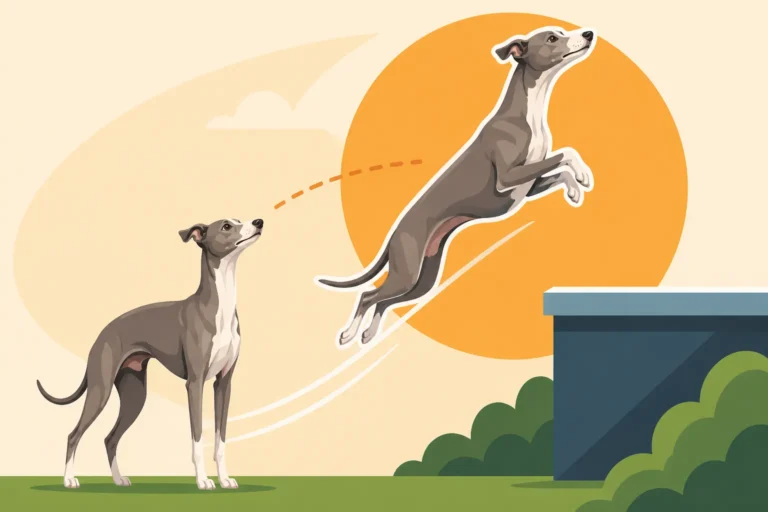
- Baby Gates or Playpens: If you're containing your Italian Greyhound in a dog-proofed room, a tall, sturdy baby gate or an indoor playpen can secure them without relying on a full door. Just ensure it's tall enough that your IG can't jump over it, as An Italian Greyhound Climbs Higher Than You Expect.
- Bitter Sprays: As a temporary measure, a non-toxic bitter spray applied to door frames can deter chewing. However, consistent anxiety often overrides taste aversion.
These products are about harm reduction. They keep your house intact while you address the root cause of your IG's distress. They're part of creating that secure environment.
Cameras and Monitors
Investing in a pet camera with two-way audio can be an invaluable tool for understanding and addressing your Italian Greyhound's door anxiety.
- Observation: These cameras allow you to observe your IG's behavior in real-time when you're gone. You can see exactly when the destruction starts, how long it lasts, and what triggers it. This data is critical for refining your desensitization training. You might learn that the destructive behavior begins within minutes of your departure, or only after 30 minutes.
- Intervention (Limited): Some cameras offer two-way audio, allowing you to speak to your dog. For mild anxiety, a calm, reassuring voice might sometimes interrupt the behavior. However, for severe cases, your voice might only increase their agitation if they can hear you but you don't return. Use this feature cautiously and ideally under the guidance of a professional.
- Recording: Many cameras record footage, which can be helpful to share with a professional trainer or vet behaviorist. They can analyze the patterns and offer more targeted advice.
Seeing your Italian Greyhound's distress firsthand can be tough, but it provides crucial insights into the severity of the problem and the effectiveness of your interventions. This kind of monitoring can significantly aid your efforts to understand and help your anxious companion.
| Behavior Type | Description | Common Targets | Prevention/Mitigation Strategies |
|---|---|---|---|
| Chewing/Gnawing | Destructive biting and stripping of wood or other materials. | Door frames, baseboards, door panels | Provide durable chew toys, use bitter deterrent sprays (short-term), install metal kick plates, apply protective films. |
| Scratching/Digging | Using claws to scrape, gouge, or tear surfaces. | Door surfaces, carpet near door, baseboards | Apply clear door scratch protectors, use sturdy baby gates/playpens, ensure nails are trimmed, provide alternative digging outlets (e.g., sandpit). |
| Vocalization | Excessive barking, whining, howling. | Any room, primarily near exit door | Gradual desensitization, positive reinforcement for quiet behavior, white noise machines, calming supplements (vet-approved). |
| Escalated Panic/Escape | Extreme, persistent efforts to break through or past the door. | Door itself, door frame, surrounding walls | Crate training, dog-proofed room, professional behavioral consultation, potential medication from vet. |
This article is for general informational purposes only and does not constitute professional advice. Laws, prices and regulations vary by location and change over time. Consult a qualified professional for guidance on your specific situation.