Where an Italian Greyhound Can Run Safely
Oh, the dream of seeing your Italian Greyhound run free, a tiny blur of joy across an open field! It’s a vision many of us Italian Greyhound owners hold dear, but it’s also one fraught with anxiety. We know our Iggies are built for speed and have an incredible zest for life, but they're also delicate creatures with an intense prey drive that can lead them into danger in a heartbeat. The challenge isn't just where they can run, but how to balance their natural instincts with their safety. This guide is all about helping you understand the safe havens and the risky zones for your Italian Greyhound’s running adventures, ensuring their zoomies are full of joy, not terrifying dashes towards disaster.
Understanding the Italian Greyhound's Instincts and Physical Vulnerabilities
Before we even talk about places to run, we have to talk about the Italian Greyhound themselves. These aren't your average backyard rompers. Their unique combination of speed, prey drive, and delicate build means that what's safe for a Labrador might be a disaster for an Iggy. Understanding these core traits is the first step in ensuring their safety.
The Powerful Prey Drive
If you've ever seen your Italian Greyhound lock onto a squirrel, a leaf blowing in the wind, or even a dust bunny skittering across the floor, you know exactly what I mean by a powerful prey drive. These dogs are sighthounds through and through, hardwired to spot movement and give chase. When that instinct kicks in, everything else, including your desperate calls, often goes right out the window. It's not that they're being disobedient; it's a primal, ingrained response that overrides learned commands.
Imagine you're at a seemingly safe, open field, and a rabbit darts across the far end. In a split second, your Italian Greyhound can be off, reaching incredible speeds, entirely focused on the chase. They won't look for cars, they won't remember the fence line, and they certainly won't stop for your voice. This intense focus on prey is perhaps the single biggest reason Why an Italian Greyhound Cannot Be Trusted Off Leash, Ever in an unfenced or unsecured area. It’s a reality we have to accept, not try to train out of them entirely, but rather manage with safe environments and strict precautions. Their pursuit is often silent and incredibly fast, making it almost impossible to intervene once they've committed to the chase.
Their Delicate Build and Injury Risk
It’s no secret that Italian Greyhounds are delicate. Their fine bones, especially those in their legs, are notoriously fragile, making them prone to fractures. A simple misstep, a sudden twist, or an awkward landing that another dog might shake off can easily result in a trip to the emergency vet for an Italian Greyhound. This is why their running environment isn't just about escape risk; it's also about preventing physical harm from their own exuberance. Why an Italian Greyhound's Leg Bones Break So Easily is a topic that keeps many owners awake at night, and it's directly relevant to where we allow them to run.
Think about the stresses a high-speed sprint can put on their slender frame. A quick stop, a sharp pivot to follow a scent, or a collision (even with something as soft as a bush) can lead to serious injury. Public dog parks, while offering space, can be treacherous due to uneven ground, hidden obstacles, and the unpredictable play of larger, heavier dogs. Even a seemingly soft patch of grass can hide a divot that catches a fast-moving paw. Every time they run, especially at full tilt, there's a risk, and we need to minimize that risk by providing the safest possible surfaces and surroundings.
The Need for Speed (and how it works against them)
Italian Greyhounds are built for speed. They are miniature racing machines, capable of impressive bursts of acceleration. This athleticism is part of their charm and why they need outlets for running. However, their speed, combined with their prey drive and delicate build, creates a dangerous trifecta in uncontrolled environments. How Fast an Italian Greyhound Runs is truly astonishing, and it means they can cover vast distances in mere seconds. If they bolt, they are gone before you can even react, let alone catch them.
This inherent speed also means that if they do decide to chase something, the momentum they build makes it incredibly hard for them to stop or change direction gracefully, increasing the risk of injury. They can easily outrun a human, making recall in an open field a game of chance you absolutely do not want to play. While a strong recall is always important, for an Italian Greyhound, it should never be solely relied upon in an unfenced area. Their speed is a gift for them, but it can quickly become a curse if not managed in a perfectly secure space.
Safe Environments for Off-Leash Running
Given their unique needs, finding truly safe places for an Italian Greyhound to run off-leash requires careful consideration. It’s not about restricting their joy; it’s about channeling their natural desires into secure, appropriate settings.
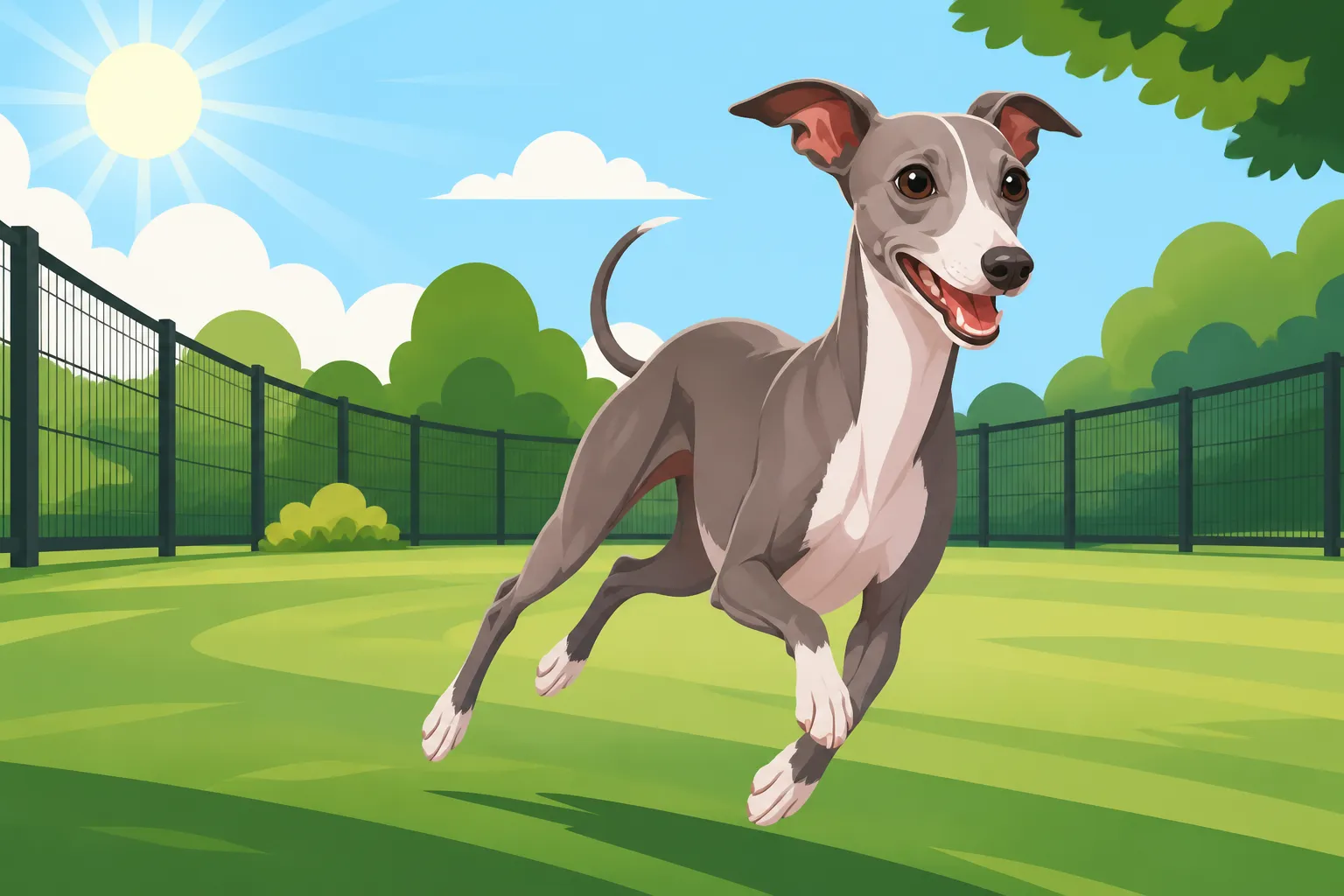
Fully Fenced, Secure Yards
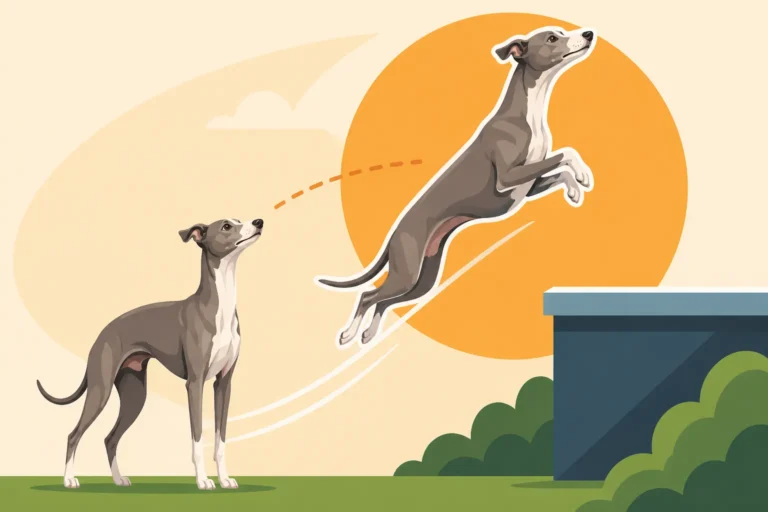
For many Italian Greyhound owners, a fully fenced yard is the gold standard for safe off-leash play. But not just any fenced yard will do. We're talking about a fortress! The fence needs to be high enough that your Iggy can't jump over it—remember, they can clear surprising heights. For most Italian Greyhounds, a six-foot fence is a minimum, and some agile jumpers might even manage that. More importantly, the fence needs to be solid, without any gaps or holes your slender Iggy could squeeze through or under. Even a tiny opening that seems impossible can be an escape route for a determined little hound.
Regularly inspect your fence line for weaknesses, especially after storms or if you live in an area with digging animals. Check for loose boards, gaps under gates, or even places where the ground has eroded, creating a new escape tunnel. Gates must be securely latched, preferably with a double-latching mechanism, and always closed immediately behind you. A momentary lapse in gate security can turn a safe play session into a panicked search. Think of your yard as their personal sprint track, where they can let loose those legendary zoomies without any threat of disappearing or encountering hazards.
Private Dog Parks or Rented Enclosures
While public dog parks are often a no-go for Italian Greyhounds due to the risk of injury from larger, rambunctious dogs and potential escape routes, private dog parks or rented enclosures offer a fantastic alternative. These facilities are often designed with higher, more secure fencing and are generally less crowded, allowing you to control the environment. Many communities now have services where you can rent a fully fenced field by the hour, giving your Italian Greyhound exclusive access to a large, safe space to run to their heart's content.
When looking for such a place, prioritize excellent fencing. Just like your home yard, make sure there are no gaps, and the gates are secure. It’s also wise to scout the terrain beforehand for potential hazards like sharp objects, uneven ground, or poisonous plants. If it's a private dog park, inquire about the typical size and temperament of other dogs that visit, or seek out "small dog only" times if available. This significantly reduces the risk of an accidental collision or rough play that could lead to injury. Such controlled environments provide the thrill of a wide-open run without the constant fear that typically accompanies off-leash activities for our delicate friends.
Lure Coursing and Fenced Sports Venues
If you really want to see your Italian Greyhound in their element, embracing their innate sighthound abilities, lure coursing is an unparalleled experience. These events are specifically designed for sighthounds, featuring a mechanical lure that simulates a rabbit, zipping across a large, securely fenced field. The thrill your Iggy gets from chasing that lure is immense, and it’s one of the few places they can safely run at top speed, fulfilling their prey drive in a controlled and exhilarating way. Lure Coursing and Racing With an Italian Greyhound is a fantastic activity that taps into their instincts without putting them in harm's way.
Beyond formal lure coursing, many dog sports facilities have securely fenced arenas or fields used for agility, obedience, or other training. These can often be rented for private use during off-peak hours. These venues typically have professional-grade fencing and well-maintained surfaces, making them ideal for high-speed play. Always confirm the fencing height and integrity, and inspect the ground for any potential hazards before letting your Italian Greyhound loose. This type of structured, secure environment allows them to truly express their athleticism without any of the inherent dangers of an open, unfenced area.
Strategies for Controlled Running and Exercise
Sometimes, a perfectly fenced field isn't available, or your Italian Greyhound still needs a way to safely stretch their legs in other scenarios. This is where controlled exercise strategies come into play, allowing for movement and mental stimulation while mitigating risk.
Long Lines and Supervised Open Spaces
A long line can be a wonderful tool for allowing your Italian Greyhound more freedom of movement in an open space, without the full risk of being off-leash. We're talking about a leash that's anywhere from 15 to 50 feet long, giving them room to explore, sniff, and even get a decent sprint in while you maintain control. When using a long line, choose a vast, open area with no immediate traffic or dangerous wildlife, and where visibility is excellent. A quiet, empty school playing field or a very large park far from roads can work. Always attach the long line to a well-fitting harness, not a collar, to prevent injury to their delicate neck if they hit the end of the line quickly.
The key here is supervision and awareness. You need to be actively engaged, watching your Italian Greyhound and your surroundings. Practice calling them back to you and reeling them in gently, teaching them that coming to you means good things. This is an excellent way to continue working on recall in a safer context. Even with a long line, you still need to be mindful of their prey drive – if they bolt to the end of the line after a squirrel, the sudden stop can be jarring, so be prepared to run with them for a few steps to absorb the shock. Amazon offers a wide variety of durable long lines, making it easy to find one that suits your Italian Greyhound's size and your preferred length.
Indoor Activities and Controlled Play
Let's be real: Italian Greyhounds are perfectly suited to getting a lot of their exercise indoors. They are masters of the "zoomies" – those sudden, frantic bursts of energy where they tear around the house at top speed, doing laps around the furniture. This is an entirely safe, self-directed form of running that fulfills much of their need for speed without ever leaving the controlled environment of your home. To encourage safe indoor zoomies, make sure you have clear pathways, especially in larger rooms, and consider using non-slip rugs on hard floors to prevent slips and slides that could lead to injury.
Beyond spontaneous zoomies, you can engage your Italian Greyhound in structured indoor play. Fetch in a long hallway, chasing a toy on a string, or even hide-and-seek can get their heart rate up and provide mental stimulation. Puzzle toys and interactive games are also fantastic for burning mental energy. Remember, How an Italian Greyhound Lives in an Apartment happily is often due to their ability to get sufficient exercise within their living space. A comfortable home with safe play opportunities can be just as effective, if not more so, than an outdoor free run in an uncontrolled setting.
The Importance of Ramps and Safe Furniture Access
While not directly about "running," providing safe access to elevated surfaces like sofas and beds is crucial for preventing common Italian Greyhound injuries that often happen around moments of high energy or play. An Italian Greyhound, even when playing indoors, will inevitably want to jump on and off furniture. These jumps, especially from higher surfaces, can lead to devastating leg fractures. By installing ramps or steps, you eliminate the dangerous free-fall and provide a controlled, safer way for them to navigate their environment. This is a critical component of preventing injuries that can interrupt their ability to run altogether.
Teaching your Iggy to use ramps or steps takes a little patience, but it’s an investment in their long-term health. Use treats and praise to encourage them to walk up and down, making it a positive experience. Over time, they'll learn that this is the preferred and safest method. There are many options available, from foldable steps to elegant wooden ramps, often found on platforms like Amazon. Prioritizing safe access to furniture directly contributes to their overall mobility and ability to enjoy running without fear of an easily preventable accident. Ramps and Steps for an Italian Greyhound's Furniture are not just a luxury; they are a necessity for responsible Iggy ownership.
Avoiding Risky Running Scenarios
Understanding where your Italian Greyhound shouldn't run is just as important as knowing where they can. Ignoring these warnings can lead to heartache, expensive vet bills, or even the permanent loss of your beloved companion.
Public Dog Parks and Off-Leash Trails
I cannot stress this enough: public dog parks are generally not safe for Italian Greyhounds. While the idea of a social, open space might sound appealing, the reality is often chaotic and dangerous for a small, fragile sighthound. The risks are multi-faceted. First, the fencing is often inadequate, with gaps at the bottom, low sections, or easily opened gates that are an open invitation for an Iggy to slip through and vanish. Second, and perhaps more critically, are the other dogs. Larger, boisterous breeds, even with the best intentions, can accidentally injure an Italian Greyhound during play. A playful bump or tackle from a seventy-pound dog can easily break an Italian Greyhound's leg or worse. Why a Dog Park Is Dangerous for an Italian Greyhound is a reality every owner needs to understand.
Off-leash trails also present significant hazards. Not only are they rarely fenced, allowing your Iggy to bolt after wildlife into dangerous territory (like roads or thick brush), but the terrain itself can be unpredictable. Roots, rocks, steep inclines, and sudden drops are all potential sources of injury for their delicate legs. You also encounter other dogs, some of whom may not be friendly or under good control, and the risk of encountering wildlife that triggers their prey drive is extremely high. The freedom these environments offer is simply not worth the immense risk for an Italian Greyhound.
Unfenced or Poorly Fenced Areas
This might seem obvious, but it bears repeating: never, ever let an Italian Greyhound off-leash in an unfenced or poorly fenced area. Their prey drive is simply too strong, and their speed too great. A momentary lapse, a sudden sight of a squirrel, and your Italian Greyhound could be halfway down the street before you can even shout their name. This includes seemingly quiet cul-de-sacs, seemingly empty fields bordered by roads, or even unfenced backyards where there's a clear path to escape. The risk of them running into traffic, getting lost, or encountering an aggressive animal is astronomical.
Even if you have a perfectly trained Italian Greyhound who generally comes when called, that deeply ingrained sighthound instinct will often override their training when a strong enough stimulus appears. It's not a reflection of your training; it's a reflection of their ancient genetic programming. Don't put them in a position where they have to choose between their instinct and your command. A reliable long line or a secure, impenetrable fence should always be your go-to in any area that isn't completely contained. The thought of them being lost or hit by a car is every Iggy owner's worst nightmare, and it's easily preventable with vigilance.
Cold Weather Considerations for Running
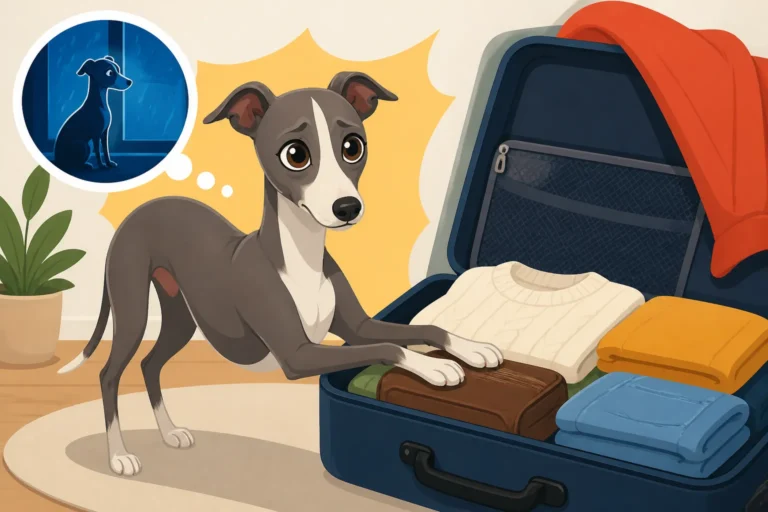
While we're talking about where an Italian Greyhound can run safely, it's also important to briefly touch on when. Italian Greyhounds have very little body fat and thin coats, making them extremely susceptible to cold weather. Running in cold temperatures, even in a safe, fenced area, can be dangerous if they're not adequately protected. Hypothermia is a real risk, and their sensitive paw pads can get painfully cold or even frostbitten. Keeping an Italian Greyhound Warm Is Daily Work, Not a Winter Job underscores this point perfectly.
If you plan for outdoor running during colder months, your Italian Greyhound absolutely needs proper winter clothing—a well-fitting, warm coat that covers their chest and belly, and potentially even boots if the ground is icy or snowy. Even with protection, limit their exposure time. On very cold days, it’s often safer to stick to indoor zoomies and controlled play to meet their exercise needs. A shivering Italian Greyhound is not a happy or healthy runner, regardless of how secure the environment is.
Here's a quick comparison to help visualize the different running environments:
| Environment Type | Safety for Italian Greyhounds | Pros | Cons |
|---|---|---|---|
| Fully Fenced, Secure Yard | High | Complete control, safe from external threats, familiar territory | Requires consistent fence checks, can be small, limited novelty |
| Private Rented Enclosure | High | Large space, secure fencing, controlled access (often private) | Costs money, may require travel, might not be readily available |
| Lure Coursing Facility | Very High | Specifically designed for sighthounds, taps into natural instincts | Event-based, may not be local, not for casual daily exercise |
| Long Line in Open Field | Medium (supervised) | More freedom than leash, good for recall practice, controlled risk | Requires constant vigilance, accidental jerks can cause injury, not truly "free" |
| Public Dog Park | Low | Socialization (if done very carefully), large space | Inadequate fencing, risk from larger dogs, unpredictable environment |
| Unfenced Open Spaces | Very Low (DANGEROUS) | Perceived freedom | Extreme risk of escape, traffic, injury, getting lost, no control |
| Off-Leash Trails | Very Low (DANGEROUS) | Perceived freedom, exposure to nature | Escape risk, unpredictable terrain, wildlife, other dogs, no control |
| Indoors (Home) | High | Safest, always available, immune to weather | Limited space, can be repetitive, may not satisfy full sprint needs |
Ultimately, while the image of an Italian Greyhound tearing across an open meadow is idyllic, the reality of their delicate nature and powerful instincts means that true safety for off-leash running comes from strict containment. It might mean sacrificing some romantic notions, but it guarantees a happy, healthy, and long life for your beloved companion.
Disclaimer
This article is for general informational purposes only and does not constitute professional advice. Laws, prices and regulations vary by location and change over time. Consult a qualified professional for guidance on your specific situation.