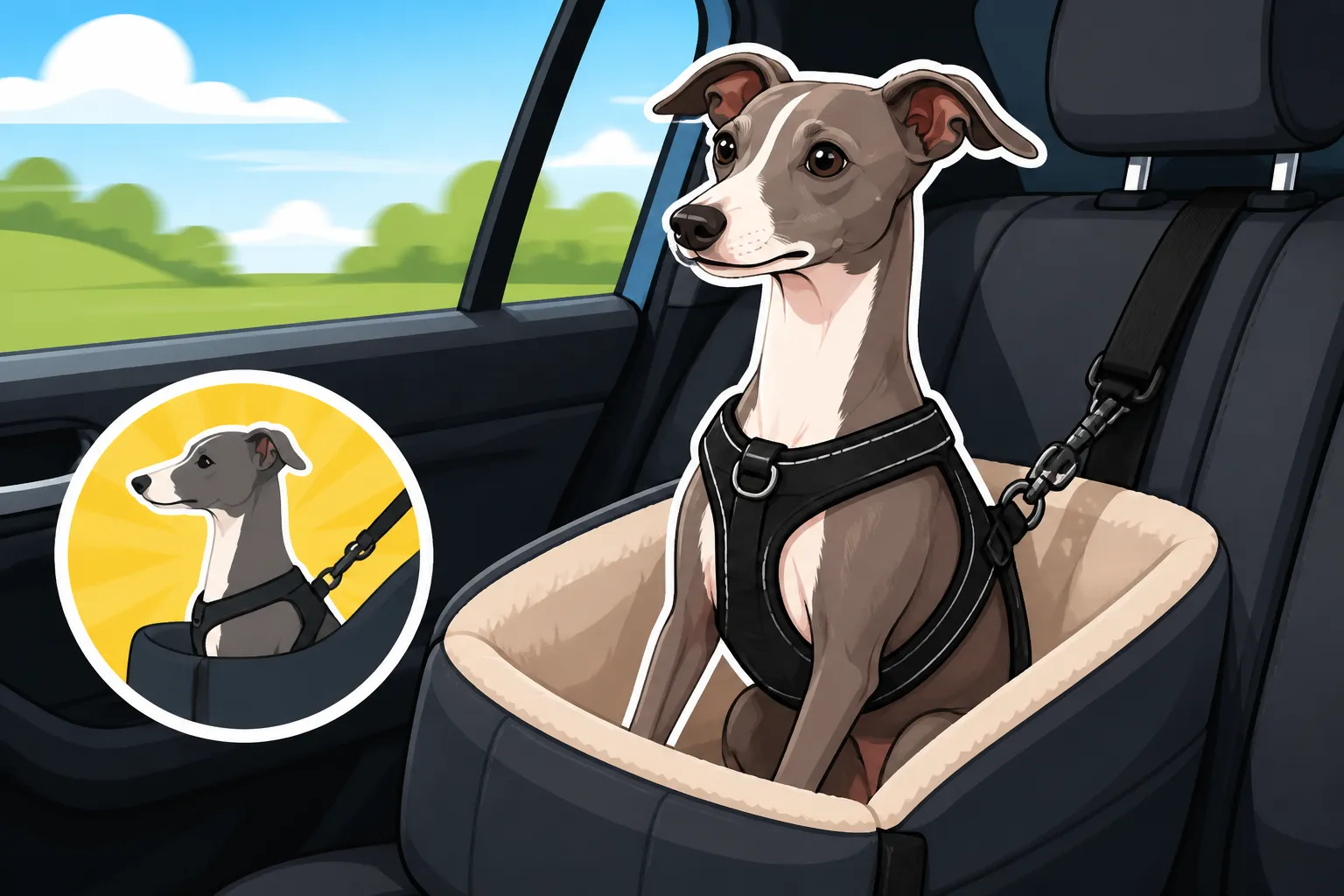
How an Italian Greyhound Rides in a Car
Getting your Italian Greyhound safely and comfortably from point A to point B in the car can feel like a high-stakes operation. These delicate, sensitive creatures aren't always natural road warriors, and their safety is paramount. This guide will walk you through everything you need to know, from understanding their anxieties to choosing the right gear and making car rides a positive experience for your beloved Iggy.
Understanding Your Italian Greyhound's Car Behavior
Italian Greyhounds are unique in many ways, and their response to car travel is no exception. It's not just about getting them into the vehicle; it's about making sure they're secure, comfortable, and not unduly stressed. Neglecting these aspects can lead to anxiety, fear, and even injury.
The Anxiety of the Unknown
For many Italian Greyhounds, a car ride isn't just a simple journey; it's a sensory overload. The motion, the changing scenery, the unfamiliar sounds, and the confined space can be incredibly unsettling. Think about it from their perspective: they're suddenly in a moving box, unable to control their environment, with new smells and vibrations assaulting their sensitive systems. This can manifest as anything from quiet trembling to excessive drooling, panting, or even vocalization. It's not stubbornness; it's genuine apprehension. Some Iggies might associate the car solely with trips to the vet, further compounding their stress. Their inherent sensitivity means they pick up on subtle cues, including your own mood. If you're stressed about getting them in the car, they'll often mirror that feeling, making the experience even more challenging for everyone involved.
Safety Concerns: Fragility and Escape Risk
Italian Greyhounds are known for their delicate bone structure, particularly their slender legs. This isn't just a physical trait; it's a constant consideration for owners. An unexpected stop, a sharp turn, or even a sudden lurch could send an unsecured Iggy tumbling, potentially resulting in a serious injury. We've all heard the heartbreaking stories of Iggies breaking a leg from what seems like a minor fall, and a car environment amplifies these risks. Why an Italian Greyhound's Leg Bones Break So Easily is a reality every owner lives with. Beyond the risk of fracture, their sighthound instincts also mean they possess a strong prey drive and an incredible ability to bolt. A door opening, a window left ajar, or even an unsecured carrier can provide an opportunity for them to escape in a flash, putting them in immediate danger on a busy road. Even a quick stop at a gas station can become a stressful event if you're worried about them slipping out of a collar or harness.
Motion Sickness: A Common Issue
Just like humans, some Italian Greyhounds are prone to motion sickness. This isn't always obvious at first, but if you notice your Iggy drooling excessively, yawning, licking their lips repeatedly, becoming lethargic, or, of course, vomiting, they might be feeling car sick. Puppies are often more susceptible due to their underdeveloped inner ears, but even adult Iggies can suffer. The constant movement of the vehicle can upset their vestibular system, leading to nausea and discomfort. This can turn car rides into a truly unpleasant experience for them, making them resistant to getting into the car at all. Identifying motion sickness early and taking steps to mitigate it is crucial for their comfort and for making travel sustainable.
Essential Gear for Safe and Comfortable Car Travel
Ensuring your Italian Greyhound's safety and comfort in the car starts with choosing the right equipment. Given their unique build and sensitivities, generic dog accessories often aren't sufficient. Investing in specialized gear designed for car travel is not an indulgence; it's a necessity for these fragile companions.
Car Seats and Boosters: Elevated Security
For smaller Italian Greyhounds, especially those under a certain weight, a dedicated car seat or booster seat can be a game-changer. These aren't just cute accessories; they serve several vital functions. Firstly, they elevate your Iggy, allowing them to see out the window. For many dogs, being able to see where they're going and observe the passing world can significantly reduce anxiety and motion sickness. Feeling trapped or unable to see can heighten their stress. Secondly, these seats provide a secure, contained space, often with a short tether that clips to their harness (never a collar!). This prevents them from roaming freely, which is dangerous in the event of a sudden stop, and also keeps them from becoming a distraction to the driver.
When looking for a car seat, prioritize those with sturdy construction and secure attachment points to your vehicle's seatbelt system. Look for features like washable covers, ample padding for their bony bodies, and a design that allows them to curl up comfortably or stretch out if they choose. Many popular online retailers, like Amazon, offer a wide variety of options specifically designed for smaller breeds, allowing you to read reviews and find one that fits both your car and your Iggy's needs. The goal is to create a secure, comfortable "den" within the car where they feel safe and can observe without danger.
Travel Crates: The Ultimate Protection
For some Italian Greyhounds, particularly those prone to extreme anxiety or those needing the highest level of crash protection, a travel crate might be the best option. While it might seem less interactive, a well-secured, crash-tested travel crate offers unparalleled safety. In the event of an accident, a quality crate can act as a protective barrier, minimizing the risk of severe injury from impact or being ejected from the vehicle. These crates are typically made from durable materials like aluminum or high-grade plastic and are designed to absorb impact forces.
It's crucial to choose a crate that is appropriately sized – large enough for your Iggy to stand up, turn around, and lie down comfortably, but not so large that they can be thrown around inside during a sudden stop. Look for crates that can be securely anchored to your car's cargo area or backseat using seatbelts or dedicated strapping systems. While a soft-sided carrier might be fine for very short trips or carrying your Iggy into the vet, for genuine car safety, a crash-tested hard-sided crate is the gold standard. You can line it with a cozy blanket or a favorite bed to make it more inviting, turning it into a familiar and safe space.
Harnesses and Seat Belts: Securing Your IG
If a car seat or crate isn't your preference or practical for your situation, a crash-tested car harness combined with a dedicated seat belt attachment is another excellent option for securing your Italian Greyhound. It's absolutely imperative that you use a harness for car travel, not just a collar. A collar can cause severe neck and throat injury in a sudden stop, especially with an Italian Greyhound's delicate neck.
When selecting a car harness, look for those that are specifically rated for vehicle safety and have undergone crash testing. These harnesses are designed to distribute impact forces across your dog's chest and shoulders, away from their trachea. A good car harness will also fit snugly without restricting movement, particularly around the chest and neck, which can be a challenge with an Italian Greyhound's unique build. You might find that a Y-front or H-style harness works best for their deep chest and slender neck, as discussed in Which Harness Suits an Italian Greyhound's Neck. Once secured in the harness, a seat belt tether then attaches to the harness and buckles into your car's seat belt receiver. Ensure the tether is short enough to prevent your Iggy from reaching the dashboard or being thrown forward excessively, but long enough for them to sit, lie down, or turn around comfortably. Remember, even with a harness and seatbelt, supervise your Italian Greyhound to ensure they don't chew through the tether or get tangled.
Training and Preparation for Stress-Free Rides
Getting your Italian Greyhound comfortable with car travel isn't usually something that happens overnight. It requires patience, positive reinforcement, and a structured approach, especially considering their sensitive nature. Thinking ahead and preparing them for the experience can make all the difference.
Positive Associations: Making the Car a Happy Place
The key to a calm Italian Greyhound in the car is to make the vehicle a source of positive experiences, not just a means to an end. Start small, long before you ever embark on a significant journey. Begin by simply having your Iggy approach the car. Open the door, toss in a high-value treat, and let them sniff around. Don't force them in. Repeat this several times over days or even weeks. Then, gradually move to getting them inside the car – again, with plenty of treats and praise. Let them sit in their designated car seat or crate for a few minutes with the engine off. Make it a game, a place where good things happen.
Once they're comfortable just being in the car, try turning the engine on for short periods, still stationary. Again, reward calm behavior. Finally, take very short, uneventful drives around the block, perhaps to a fun destination like a park for a quick sniffari or a favorite walking spot, rather than always the vet. The goal is to break the association that the car only leads to stressful places. Consistency is vital; even quick, positive "car games" a few times a week can reinforce a good feeling about the vehicle.
Gradual Desensitization: Slow and Steady Wins the Race
For Italian Greyhounds with existing car anxiety or motion sickness, a more structured desensitization process might be necessary. This involves breaking down the car ride into tiny, manageable steps and only moving to the next step when your Iggy is completely comfortable with the current one.
Here’s a possible progression:
- Car Exploration: Let your Iggy explore the stationary car with the engine off. Offer treats and praise.
- In the Car, Engine Off: Get them into their car seat or crate, close the door, and spend a few minutes inside without the engine running. Reward calm.
- Engine On, Stationary: Turn the engine on for a few minutes while still parked. Continue with treats and praise for quiet behavior.
- Short Drive, Familiar Route: Take a very short drive (e.g., around the block) to a familiar, pleasant destination.
- Gradually Increase Duration: Slowly extend the length of your drives, always ending on a positive note.
If at any point your Iggy shows signs of stress (panting, drooling, whining, trying to escape), go back to the previous step where they were comfortable. Never scold them for anxiety; it will only worsen their fear. Consider enlisting the help of a professional trainer or behaviorist if you're struggling. Companies like BAXTER & Bella, known for their online training programs, often emphasize positive reinforcement techniques that can be adapted for specific challenges like car anxiety, providing structured modules to guide you through these steps at your own pace.
Long Trips vs. Short Errands: Different Approaches
While the core principles of safety and comfort remain the same, planning for a cross-country adventure is very different from a quick trip to the pet store. Short errands are opportunities to reinforce positive associations. They should be low-stress, end quickly, and ideally lead to something enjoyable. This helps build a foundation of positive experiences.
For long trips, however, you need to prepare extensively. This means planning frequent stops for potty breaks and stretches. Remember Why an Italian Greyhound Has a Small Bladder and can't hold it for hours on end. Aim for stops every 2-3 hours, or more often if your Iggy needs it. Offer water at each stop. Pack extra blankets, especially if you're traveling in cooler weather, as Iggies get cold easily. Consider bringing a favorite toy or a puzzle feeder to keep them occupied during long stretches of driving. If your Iggy is prone to motion sickness, consult your vet about anti-nausea medication before the trip. And most importantly, avoid feeding a large meal right before or during the journey to prevent an upset stomach.
Tips for Every Italian Greyhound Owner on the Road
Mastering car travel with an Italian Greyhound is an ongoing process, but a few universal tips can make every journey smoother, safer, and more enjoyable for both of you. These are the small but significant details that can transform a stressful car ride into a peaceful excursion.
Managing Potty Breaks and Hydration
One of the biggest concerns for Italian Greyhound owners on the road is potty breaks. These little dogs have famously small bladders, and expecting them to "hold it" for hours is unrealistic and unfair. For any trip longer than an hour, plan for regular stops. When you stop, always keep your Italian Greyhound on a leash or in their harness and attached to a lead. Their instinct to chase (prey drive) is incredibly strong, and a new environment with unfamiliar smells can be very exciting – or terrifying – potentially leading them to bolt. Choose safe, quiet areas away from heavy traffic for their breaks.
Hydration is just as important. The dry air in a car, especially with the air conditioning or heating running, can quickly dehydrate your Iggy. Offer fresh water at every stop. A collapsible travel bowl is an invaluable tool for this. Some Iggies might not drink much on the road, so ensure they are well-hydrated before you leave. If they seem reluctant to drink, try offering a few ice cubes to lick. Keeping them hydrated helps prevent issues and keeps them more comfortable throughout the journey.
What to Pack for Car Journeys
A well-stocked car kit can prevent a multitude of headaches when traveling with your Italian Greyhound. Think of it as your Iggy's personal carry-on!
Here’s a checklist of essentials:
- Water and Bowl: As mentioned, absolutely critical.
- Food: Pack their regular kibble or wet food, plus any treats for positive reinforcement.
- Medication: If your Iggy takes daily medication or has vet-prescribed anti-nausea meds, don't forget them.
- Proof of Vaccination/Medical Records: In case of an emergency vet visit, or if you need boarding, having these on hand is smart. What an Italian Greyhound's Emergency Vet Visit Costs can be substantial, and having records saves time.
- Leash, Harness, and Collar with ID: Always have backups.
- Blankets/Bed: Familiar scents and comfort can help reduce anxiety. They also provide warmth for these thin-skinned dogs.
- Wipes/Paper Towels and Waste Bags: For accidents, slobber, or unexpected messes.
- Favorite Toy/Chew: Something to keep them occupied and happy.
- Coat/Sweater: Even if the weather is mild, Iggies get cold easily, especially after a break outside.
- First-Aid Kit: A basic kit for minor scrapes or cuts is always a good idea.
Never Leave Your Italian Greyhound Unattended
This tip cannot be stressed enough: never leave your Italian Greyhound alone in a parked car. This is true for any dog, but even more so for a delicate Italian Greyhound. The interior temperature of a car can rise or fall to dangerous levels in a matter of minutes, even on what seems like a mild day. Dogs can quickly succumb to heatstroke or hypothermia. These extremes can be fatal.
| Temperature Outside (Fahrenheit) | Temperature Inside Car After 10 Mins | Temperature Inside Car After 30 Mins | Risk to Italian Greyhound |
|---|---|---|---|
| 70°F (21°C) | 89°F (32°C) | 104°F (40°C) | High |
| 80°F (27°C) | 99°F (37°C) | 114°F (46°C) | Extreme |
| 60°F (16°C) | 65°F (18°C) | 68°F (20°C) | Moderate (can get cold) |
| 30°F (-1°C) | 30°F (-1°C) | 28°F (-2°C) | High (hypothermia risk) |
Beyond temperature, leaving your Iggy alone also exposes them to other risks. They could become incredibly anxious or distressed, potentially leading to destructive behavior within the car. They are also vulnerable to theft. An Italian Greyhound is a valuable and desirable dog, and leaving them visible in a car makes them an easy target. Always take your Iggy with you, or arrange for safe, supervised care when you can't. Understanding How an Italian Greyhound Handles Summer Heat or Why an Old Italian Greyhound Feels the Cold More underlines why these small dogs are particularly vulnerable. Your Iggy's safety and well-being should always be your top priority.
Disclaimer
This article is for general informational purposes only and does not constitute professional advice. Laws, prices and regulations vary by location and change over time. Consult a qualified professional for guidance on your specific situation.