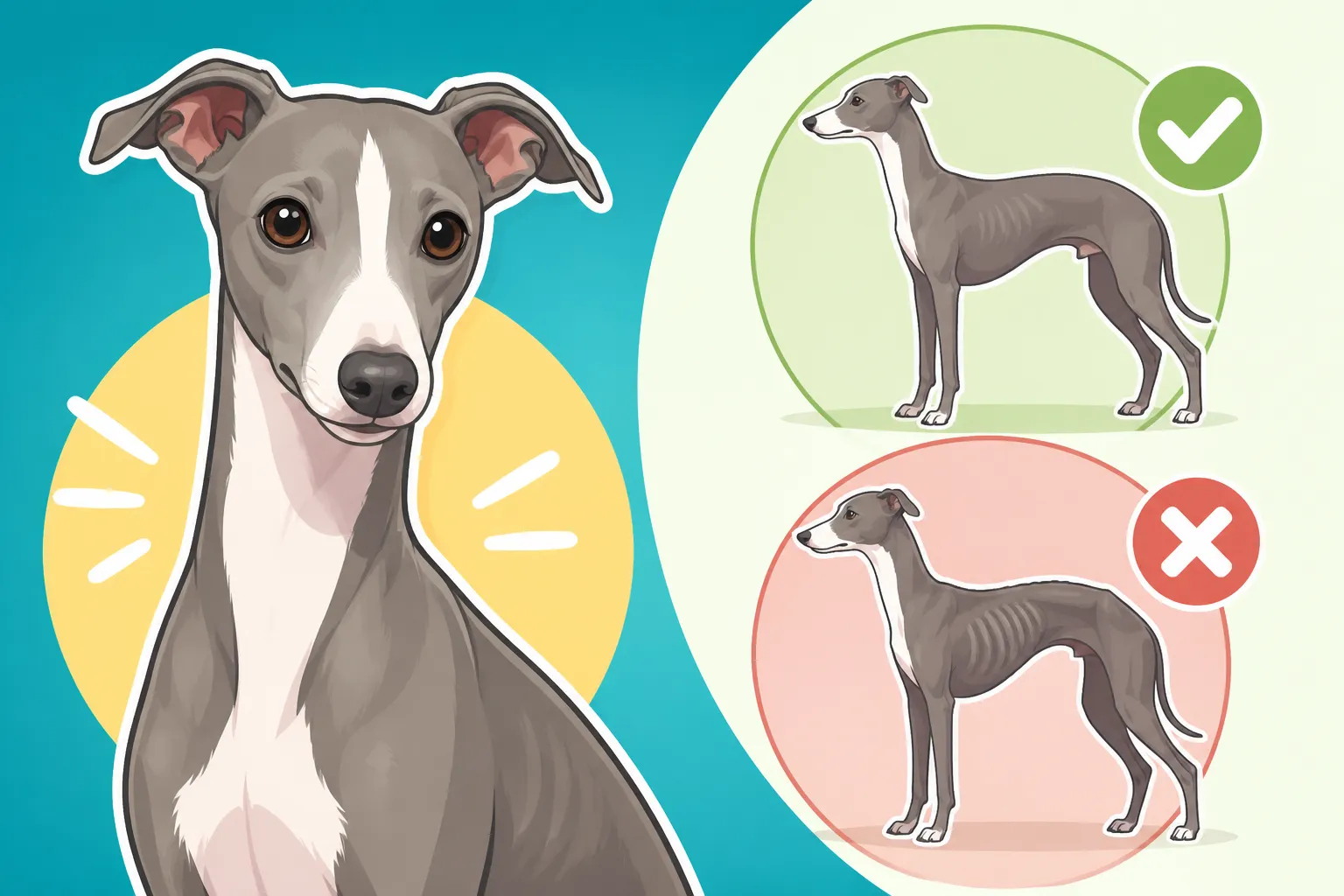
How Much of an Italian Greyhound’s Ribs Should Show
One of the most common things new Italian Greyhound owners worry about, or even seasoned owners get questions about, is how thin their dog looks. It's a fact that these elegant, delicate dogs carry themselves differently than most breeds, and that can lead to a lot of anxiety about whether you're feeding them enough. This guide will help you understand exactly what a healthy Italian Greyhound body looks like, particularly when it comes to those sometimes-visible ribs.
Understanding the Italian Greyhound's Unique Physique
It's easy to look at an Italian Greyhound and think they're too thin, especially if you're used to breeds with more robust builds. But these aren't your average dogs. Their entire physical design is a testament to centuries of breeding for speed, agility, and grace, not for bulk or power. This fundamental difference in their anatomy means their ideal body condition is going to look quite different from what you might consider "normal" for, say, a Labrador or a Beagle. You have to adjust your perception of what a healthy dog looks like when you live with an Italian Greyhound.
The Sighthound Build: Lean by Design
Italian Greyhounds, or Iggys as we affectionately call them, are sighthounds, and that means they are built fundamentally differently from many other dog breeds. Their bodies are masterpieces of engineering for speed and quick turns. Think about a finely tuned race car – it's all about efficiency, lightweight materials, and powerful, streamlined parts, not heavy armor. An Iggy's physique is exactly like that. They possess a lean musculature, long, fine bones, and an incredibly low body fat percentage, often hovering around 17-20% for a healthy, active adult. Compare that to some other breeds that might be closer to 25-35%, and you start to see why they look so different. They aren't meant to have a thick layer of padding.
This athletic, sighthound build is what allows them to reach such impressive speeds and change direction on a dime. Their deep chests accommodate powerful lungs and a strong heart, while their tucked-up abdomen minimizes drag. Every part of their body is optimized for performance, not for insulation or storing excess energy in the form of fat. It's a marvel to behold, but it does mean their outlines are often sharper, and their bones are naturally more discernible than in a stockier breed.
Why Ribs are Naturally More Visible
Given their sighthound heritage, it's completely normal for an Italian Greyhound's ribs to be more visible, or at least very easily felt, compared to many other dogs. They simply don't carry the same amount of subcutaneous fat that would pad out their rib cage. This isn't a sign of starvation; it's a feature of their breed. You'll often hear experienced Iggy owners or breeders talk about how you should be able to "easily feel their ribs, but not see them protruding sharply." It's a fine line, but one that is crucial to understand for their well-being.
Beyond the minimal fat, their skin is also incredibly fine and thin. This contributes to the illusion of being "too bony" because there's less tissue to obscure the underlying bone structure. When you run your hand over their side, you should feel each rib distinctively, almost like the slats of a Venetian blind. If you have to press firmly to feel them, your Iggy is likely carrying too much weight, which, as we'll discuss, can be particularly detrimental to this delicate breed. Conversely, if you see every rib, prominent and sharply defined, along with their hip bones and spine, then it's time to investigate further, as that could indeed indicate an underweight situation.
What "Showing Ribs" Actually Means for an Italian Greyhound
The phrase "showing ribs" can be a bit misleading because what's acceptable or even ideal for an Italian Greyhound would be concerning for many other breeds. For us Iggy owners, it's about discerning the nuances: are the ribs just visible, giving a sleek, athletic appearance, or are they alarmingly prominent, suggesting malnourishment or an underlying health issue? It’s a visual and tactile assessment that becomes second nature over time, but for newcomers, it can be a source of constant worry. Getting this right is fundamental to their long-term health and preventing common issues like fractures.
The Visual Cues: What to Look For and What to Avoid
When you look at your Italian Greyhound from the side, an ideal body condition often means you might see the last two or three ribs faintly outlined, especially when they move or stretch. This isn't every rib sticking out like a washboard; it's a subtle definition that speaks to their lean musculature and minimal body fat. Their waist should be distinctly tucked up when viewed from the side, and from above, you should see a clear hourglass shape, narrowing considerably behind the ribs and flaring slightly over the hips. Their hip bones should be palpable but not jutting out, and their spine should be easily felt as individual vertebrae, but again, not sharply visible through the skin.
What you want to avoid is seeing all the ribs, hip bones, and vertebrae clearly and sharply defined, almost as if they're covered only by skin. This usually indicates your Iggy is too thin. On the flip side, if you look at your Iggy and can't easily distinguish their waist, or if their body looks more like a sausage with little to no definition when viewed from above, they are likely overweight. If you have to press hard to feel their ribs, or if their belly sags, that's another strong indicator of excess weight. Remember, the goal is a sleek, athletic form, not a padded, round one.
The Touch Test: Beyond Just Looking
While visual cues are important, the "touch test" is perhaps the most reliable way to assess your Italian Greyhound's body condition. Our eyes can sometimes deceive us, especially if we're used to looking at breeds with different body types. To perform the touch test, simply run your hands gently but firmly along your Iggy's sides, over their rib cage.
In an ideal Italian Greyhound, you should be able to feel each individual rib easily, almost like touching the knuckles of your hand with your palm flat. There should be a very thin layer of muscle and perhaps a tiny bit of fat over them, but no significant padding. You should also be able to feel their spine as distinct vertebrae when you run your hand down their back, again, with minimal padding. Their hip bones should be easily felt but not sticking out sharply. If your Iggy is too thin, their ribs, spine, and hip bones will feel very prominent and sharp, almost like touching the knuckles on a clenched fist. If they're too heavy, you'll have to press down quite a bit to even find the ribs, and they'll feel much more padded, like touching the palm of your hand when it's open. This tactile assessment provides a more objective measure than just looking.
The Ideal Body Condition Score for an Italian Greyhound
Veterinarians often use a Body Condition Score (BCS) system to objectively assess a dog's weight. This system typically ranges from 1 (emaciated) to 9 (obese), with 4 or 5 being considered ideal for most breeds. However, for an Italian Greyhound, that "ideal" range might lean slightly to the lower end, reflecting their naturally slender build. Understanding where your Iggy falls on this scale is crucial for their long-term health, as both being too thin and too heavy carry their own set of risks for this particular breed.
A Visual Scale for Assessing Your Iggy
While the standard BCS charts are designed for a broad range of dogs, applying them to an Italian Greyhound requires a nuanced interpretation. For many breeds, a BCS of 5/9 is considered perfectly ideal, meaning ribs are easily palpable with a minimal fat covering, a visible waist, and a tucked-up abdomen. For an Italian Greyhound, however, a BCS of 4/9 or a very lean 5/9 is often the target.
- BCS 1-2 (Underweight to Emaciated): Ribs, spine, and hip bones are extremely prominent and visible from a distance. There's no fat, and evident muscle loss. This is a serious concern.
- BCS 3 (Thin): Ribs, spine, and hip bones are easily visible, but not extremely prominent. Minimal body fat. Waist and abdominal tuck are obvious. For an Iggy, this might be okay for a very young, active dog, but generally indicates needing a bit more weight.
- BCS 4-5 (Ideal): Ribs are easily felt, possibly with the last few ribs faintly visible. Waist is clearly visible from above, and abdominal tuck is present. Spinal vertebrae and hip bones are palpable but not prominent. This is where most healthy, athletic Italian Greyhounds should be. If you compare a photo of your Italian Greyhound to pictures of show-conditioned Iggys, you'll often see this lean, defined look.
- BCS 6 (Overweight): Ribs are difficult to feel due to a moderate fat covering. Waist is absent or barely visible. Abdominal tuck is diminished.
- BCS 7-9 (Obese): Ribs are very difficult or impossible to feel. No waist or abdominal tuck. Visible fat deposits over the lower back and tail base. This is a dangerous territory for an Iggy.
Why a Slightly Leaner Score is Often Preferable
For Italian Greyhounds, maintaining a body condition on the leaner side of the ideal range (a strong 4 or a lean 5 on a 9-point scale) isn't just about aesthetics; it's a critical aspect of preventative care. While no one wants an emaciated dog, a slightly lean Iggy is generally a healthier Iggy. Their delicate bone structure, particularly in their legs, is notoriously fragile. Why an Italian Greyhound's Leg Bones Break So Easily is a topic many Iggy owners become intimately familiar with, and excess weight significantly exacerbates this risk. Just a few extra pounds can put undue strain on their slender limbs, increasing the likelihood of a fracture during a playful jump or an accidental fall.
Beyond fracture risk, being overweight can lead to a host of other health problems, even in a breed not prone to conditions like hip dysplasia. Extra weight puts stress on joints, which can accelerate the onset of arthritis later in life. It can also contribute to heart strain and respiratory issues, making them less tolerant of exercise and more susceptible to heat. Moreover, a heavier Italian Greyhound will feel the cold more acutely and can struggle with mobility as they age. A lean, fit Iggy is a more agile, resilient, and ultimately, a happier dog. It means they can run and play with the freedom their bodies were designed for, minimizing the impact on their delicate structure.
When Rib Visibility Signals a Problem
While it's normal and healthy for an Italian Greyhound to have visible ribs to some extent, there's a definite line between "lean and athletic" and "underweight and unhealthy." Knowing how to read the signs that your Iggy might be too thin is crucial for intervening early and ensuring they receive the care they need. It’s not just about what you see; it’s about their overall demeanor, energy levels, and even the texture of their coat.
Signs Your Italian Greyhound is Too Thin
If your Italian Greyhound is truly too thin, you'll typically notice more than just a hint of ribs. Instead, their ribs will be sharply prominent, visible from a distance, and feel very angular when you run your hand over them. You'll likely also see their hip bones jutting out, and individual vertebrae along their spine will be clearly defined and often feel sharp to the touch. Their flanks might appear sunken, giving them an almost gaunt appearance. The muscle mass over their hindquarters and shoulders might look wasted or underdeveloped.
Beyond the skeletal prominence, an underweight Italian Greyhound may also exhibit other signs. They might seem less energetic or enthusiastic about play, though some Iggys are so high-strung they can mask this. Their coat might lose its healthy sheen, appearing dull or even brittle. They could be perpetually cold, shivering more than usual, even indoors in moderate temperatures, simply because they lack the necessary fat reserves for insulation. You might also notice a decrease in appetite, or conversely, a ravenous hunger that never seems to be satisfied, even after meals. If you notice these combined signs, it's definitely time for a vet visit. Signs an Italian Greyhound Is Underweight can be a helpful resource for identifying these issues more comprehensively.
Potential Health Issues Behind Being Underweight
When an Italian Greyhound is consistently too thin, despite regular feeding, it's important to investigate the underlying cause with your veterinarian. Being underweight isn't just about aesthetics; it can be a symptom of various health problems that need attention. One common culprit, especially in older Iggys, can be dental disease. Periodontal Disease Is the Italian Greyhound's Most Common Diagnosis for the breed, and painful teeth can make eating difficult and cause a dog to lose weight. Imagine trying to eat your favorite meal with a terrible toothache – it's no different for them. What Bad Breath Means in an Italian Greyhound is often an early indicator of dental issues.
Beyond dental pain, parasites, both internal and external, can rob your Iggy of essential nutrients. A simple fecal test can often rule out intestinal worms. Malabsorption issues, where the body struggles to properly digest and absorb nutrients from food, can also lead to weight loss. This could be due to conditions affecting the pancreas or intestines. Metabolic disorders, such as an overactive thyroid (though less common than hypothyroidism in Iggys) or kidney disease, can also cause unexplained weight loss. It's also possible a dog is simply not consuming enough calories for their activity level, especially if they are a very high-energy individual. A thorough veterinary examination, including blood work and potentially other diagnostic tests, is essential to pinpoint the exact cause and develop an appropriate treatment plan.
Addressing Weight Concerns for Your Italian Greyhound
Once you've determined your Italian Greyhound's body condition and identified any concerns, whether they're too thin or, less commonly, a bit too heavy, the next step is to take action. This isn't usually a quick fix but a gradual adjustment that requires patience, observation, and often, professional guidance. Remember, consistency is key, and every small change can make a big difference in the long run for your delicate companion.
Adjusting Diet and Feeding Strategies
If your Italian Greyhound is too thin, the most immediate thought is usually to feed them more. While increasing portions is often part of the solution, it's also about what you're feeding and how you're feeding it. First, consult with your veterinarian to rule out any underlying health issues. Once a clean bill of health is established, you can focus on dietary adjustments. Consider a high-quality, calorie-dense dog food that provides ample protein and healthy fats. Some owners find success with "performance" or "puppy" formulas, even for adult Iggys, due to their higher caloric content. How Much an Adult Italian Greyhound Eats is a good baseline, but remember, every dog is an individual.
Feeding frequency can also play a role. Instead of one or two large meals, smaller, more frequent meals throughout the day might be easier for some Iggys to digest and absorb, preventing them from feeling overly full and allowing for better nutrient uptake. Adding healthy, high-calorie toppers like cooked lean meat, pure pumpkin (not pie filling!), or a small amount of full-fat plain yogurt can also boost calorie intake. For convenience, many owners turn to reputable online retailers like Chewy or use fresh food delivery services like Ollie to find nutrient-dense options tailored to small breeds, ensuring they're getting quality ingredients. Sometimes, a picky eater needs a little encouragement; Getting a Picky Italian Greyhound to Eat can offer some creative solutions.
The Importance of Regular Vet Check-ups
Regardless of whether you suspect your Italian Greyhound is too thin or too heavy, regular veterinary check-ups are non-negotiable. It's easy to get caught up in our own perceptions, but a veterinarian can provide an objective assessment of your Iggy's body condition score, use actual weight measurements, and compare them against breed standards and their own growth charts. How Often an Italian Greyhound Needs a Wellness Exam is a question with a clear answer: at least once a year, and often more frequently for puppies or seniors.
Beyond just weighing and looking, a vet can perform diagnostic tests, like blood work or fecal exams, to uncover any hidden medical conditions that might be contributing to weight issues. They can also provide tailored nutritional advice, recommend specific food brands or supplements, and help you develop a safe and effective feeding plan. Trying to guess what's going on or making drastic dietary changes without professional guidance can be detrimental. Your vet is your best partner in ensuring your Italian Greyhound maintains an optimal, healthy weight for their unique needs.
Avoiding the Pitfalls of Being Overweight
While the focus for Italian Greyhounds often leans towards ensuring they aren't too thin, the dangers of them becoming overweight are arguably even more severe for this particular breed. Because of their incredibly delicate bone structure and athletic design, carrying even a few extra pounds can have disproportionate and devastating consequences. It's a risk factor that every Iggy owner needs to be acutely aware of and actively work to prevent through careful management.
The Dangers of Extra Pounds for an Italian Greyhound
The most critical danger of an overweight Italian Greyhound is the significantly increased risk of bone fractures. Their slender, long bones, particularly the radius and ulna in the front legs, are notoriously fragile. Why an Italian Greyhound's Leg Bones Break So Easily is a reality many Iggy owners live with, and added weight multiplies this vulnerability. Every extra ounce puts more strain on those delicate limbs, turning a routine jump off the sofa or a slip on the floor into a potential emergency. Why an Overweight Italian Greyhound Is at Fracture Risk isn't a theory; it's a stark reality documented in veterinary practice. The forces exerted on their bones are directly proportional to their body weight, meaning a heavier Iggy experiences much greater impact stress from common activities.
Beyond fractures, excess weight can lead to a cascade of other health problems. While Italian Greyhounds aren't typically predisposed to common orthopedic issues like hip or elbow dysplasia, being overweight will still place unnecessary stress on all their joints, potentially leading to premature arthritis and discomfort. It can also exacerbate any existing conditions, reduce their overall mobility, and diminish their quality of life. An overweight Iggy is less agile, more prone to heat intolerance, and may develop cardiovascular issues over time, all of which compromise their natural athleticism and longevity.
Maintaining a Healthy Weight Through Lifestyle
Maintaining an ideal, lean body condition in your Italian Greyhound requires a consistent and mindful approach to their lifestyle, primarily focusing on diet and exercise. Portion control is paramount. Don't just "eyeball" their food; use a measuring cup or, even better, a food scale (easily found on Amazon) to ensure accuracy. It's often surprising how small the recommended serving size is for these little dogs. Remember, What an Italian Greyhound Should Weigh typically falls in a narrow range, so even small deviations can have an impact.
Beyond their regular meals, be vigilant about treats. Those tiny training morsels and "just one bite" from your plate add up quickly for a dog with such a small caloric requirement. Opt for low-calorie treats or use tiny pieces of their regular kibble for training. Regular, appropriate exercise is also vital. This doesn't mean marathon runs, but consistent daily walks and opportunities for safe, indoor zoomies or supervised play in a secure, fenced area. If you're concerned about your Iggy's weight, don't hesitate to consult your veterinarian. They can help you calculate your dog's ideal caloric intake, recommend appropriate foods, and develop a personalized weight management plan. It's a commitment, but one that directly translates to a longer, healthier, and more comfortable life for your beloved Italian Greyhound.
Disclaimer
This article is for general informational purposes only and does not constitute professional advice. Laws, prices and regulations vary by location and change over time. Consult a qualified professional for guidance on your specific situation.