What an Italian Greyhound Puppy Eats at Four Months
It's a common concern for new Italian Greyhound parents: your four-month-old puppy seems like a tiny whirlwind of energy, constantly on the go, yet they also appear so incredibly delicate. You want to make sure they're getting exactly what they need to grow strong and healthy, but with so much conflicting information out there, figuring out the perfect diet can feel overwhelming. This guide is here to demystify the nutritional needs of your four-month-old Italian Greyhound puppy, helping you choose the right food, understand appropriate portions, and establish a feeding routine that sets them up for a long, happy life.
Understanding Your Four-Month-Old Italian Greyhound's Nutritional Needs
At four months old, your Italian Greyhound puppy is in a critical stage of development. They're past the newborn phase but still growing rapidly, and their tiny bodies have some very specific requirements that differ significantly from an adult dog's. It's not just about giving them any food; it's about providing the right fuel for their unique build and energetic lifestyle.
The Rapid Growth Phase and Energy Demands
Think about how much your little Iggy has grown already – and they're still going! Italian Greyhounds experience a fairly rapid growth spurt during these early months. At four months, they're still very much building bone, muscle, and developing their internal organs. This intense period of growth demands a diet that is much more calorie-dense and nutrient-rich than what an adult dog would consume. They're expending a huge amount of energy just by existing, let alone all the zoomies, playful nips, and explorations they undertake throughout the day.
This high energy output means they need food that can sustain them without leading to a sugar crash or leaving them feeling perpetually hungry. However, it's a delicate balance. While they need calories, they don't need excessive calories that could lead to them growing too fast. Rapid growth, especially in a breed with such fine bones, can put undue stress on developing joints and lead to orthopedic issues down the line. We want steady, consistent growth, not explosive gains. It's about providing easily digestible energy and foundational nutrients to support their developing skeleton and lean muscle mass. You'll probably find yourself weighing an Italian Greyhound puppy every week to monitor their progress.
Digestive Sensitivity and Immature Systems
Another key factor at four months is their still-developing digestive system. Unlike robust adult dogs, puppies at this age can be quite sensitive to dietary changes, certain ingredients, or even just rich foods. Their gut microbiome is still maturing, and they haven't yet built up the full array of enzymes and beneficial bacteria that help an adult dog process a wider variety of foods efficiently. This means they are more prone to upset stomachs, diarrhea, or constipation if their diet isn't appropriate or if changes are introduced too quickly.
It's crucial to select a food that is not only nutritionally complete but also gentle on their delicate tummies. Ingredients should be high-quality and easily digestible. Artificial colors, flavors, or a long list of fillers can be problematic for a sensitive puppy. You might also notice that Italian Greyhounds, in general, can be prone to having a sensitive stomach, so starting with a gentle, high-quality food now is a proactive step towards long-term digestive health. This focus on gentle digestion also extends to treats, which we'll discuss later.
Choosing the Right Food for Your Four-Month-Old Italian Greyhound Puppy
With their specific needs in mind, selecting the right food becomes paramount. It's not just about picking a bag off the shelf; it's about understanding what makes a food truly suitable for a growing Italian Greyhound.
Puppy-Specific Formulations vs. All Life Stages
The biggest decision you'll face is whether to feed a puppy-specific formula or an "all life stages" food. For your four-month-old Italian Greyhound, a high-quality, puppy-specific formula is almost always the best choice. These foods are explicitly designed to meet the heightened nutritional demands of growing puppies, providing higher levels of protein, fat, and essential vitamins and minerals like calcium and phosphorus, all in appropriate ratios for bone development.
"All life stages" foods, while sometimes marketed as convenient, are formulated to meet the minimum nutritional requirements for all stages of a dog's life, from puppyhood to senior years. This means they often lack the concentrated nutrient density a rapidly growing puppy requires. While a very well-formulated "all life stages" food might be adequate, it's generally safer and more beneficial to stick to a dedicated puppy formula. Look for brands that specifically state they meet the AAFCO (Association of American Feed Control Officials) nutritional requirements for "growth" or "all life stages including growth." Many reputable brands available through retailers like Chewy offer excellent puppy formulations tailored for smaller breeds.
Kibble Size and Texture Considerations
Italian Greyhounds have small mouths and delicate teeth. The size and texture of their kibble are often overlooked but are incredibly important. A kibble that's too large can be difficult for them to chew, potentially leading to them swallowing pieces whole, which can be a choking hazard or cause digestive upset. Conversely, kibble that's too small might be inhaled rather than chewed, presenting its own risks.
Ideally, you want a kibble that is specifically marketed for "small breed puppies" or "toy breed puppies." These formulations typically feature smaller, easily chewable pieces. The texture should be firm enough to encourage chewing (which helps with dental hygiene later on, though not a substitute for brushing!), but not so hard that it's difficult for their tiny jaws. If your puppy seems to struggle with a particular kibble, observe if they are spitting it out, trying to eat it too fast, or leaving pieces behind. Sometimes, a slightly different shape or a marginally softer crunch can make all the difference.
Some owners also consider fresh food options, which often come in softer, more palatable textures. Brands like Ollie prepare human-grade meals that can be a good option for picky eaters or those with very sensitive mouths, as the texture is often easier to manage than traditional dry kibble. Just remember to introduce any new food, wet or dry, gradually.
How Much to Feed and When to Feed It
You've chosen a fantastic puppy food, but now comes the age-old question: how much should you actually give your four-month-old Italian Greyhound? It's easy to worry about underfeeding such a slender breed, but overfeeding can be just as detrimental, if not more so.
Portion Control and Avoiding Overfeeding
The feeding guidelines on your chosen puppy food bag are a good starting point, but they are just that – guidelines. They usually provide a range based on your puppy's current weight and anticipated adult weight. However, every puppy is an individual, and Italian Greyhounds are particularly lean. What's crucial is to monitor your puppy's body condition regularly. At four months, you should be able to easily feel their ribs, but not see them prominently. Their waist should be evident when viewed from above, and there should be a nice tuck-up behind their ribcage when viewed from the side.
Overfeeding, even with appropriate puppy food, can lead to your Italian Greyhound growing too quickly or becoming overweight. This puts unnecessary strain on their still-developing bones and joints, increasing the risk of issues like Legg Calve Perthes Turns Up in an Italian Greyhound at Six Months or even fractures, as their delicate leg bones are not meant to carry excess weight. Remember, they don't carry much body fat, so every extra ounce counts. It's often better to slightly underfeed and supplement with healthy treats than to consistently overfeed.
Sample Daily Feeding Guide for a Four-Month-Old Italian Greyhound Puppy
| Puppy Weight (lbs) | Daily Food Amount (cups)* | Daily Meals |
|---|---|---|
| 3-5 lbs | ½ – ¾ cup | 3-4 |
| 5-7 lbs | ¾ – 1 cup | 3-4 |
| 7-9 lbs | 1 – 1 ¼ cups | 3-4 |
*Amounts are estimates for a high-quality dry puppy kibble. Always refer to your specific food's packaging and consult your veterinarian.
Use a measuring cup to ensure accuracy – eyeballing portions can easily lead to overfeeding. If your puppy is constantly ravenous and not gaining enough, you can slightly increase the portion. If they're leaving food or looking a bit plump, slightly reduce it. Your veterinarian is always your best resource for personalized feeding advice and to confirm that your puppy is at a healthy weight.
Feeding Schedule and Consistency
Consistency is key, not just for housetraining but for their digestive health too. Establishing a regular feeding schedule helps regulate your puppy's metabolism and bowel movements. For a four-month-old Italian Greyhound, three to four meals a day are generally recommended. Their tiny stomachs can't handle large quantities of food at once, so smaller, more frequent meals are much better than two large ones. This also helps maintain more stable blood sugar levels throughout the day, providing consistent energy for their boundless puppy antics.
A typical schedule might look something like this:
- Morning: Immediately upon waking or after their first potty break.
- Midday: Around lunchtime.
- Late Afternoon/Early Evening: A few hours before bedtime.
- (Optional, if doing 4 meals) Before Bed: A very small meal, ensuring there's still time for a potty break before lights out.
Sticking to these times helps them anticipate meals, reducing anxiety and promoting better digestion. It also gives you a predictable window for potty breaks after eating, which is a lifesaver when you're trying to figure out How Long Housetraining an Italian Greyhound Takes. Don't leave food out all day for free-feeding, as this can lead to overeating, make housetraining harder, and sometimes even make picky eaters pickier. Remove any uneaten food after 15-20 minutes.
Introducing Treats and Supplements (Carefully!)
As much as we love to spoil our little Iggies, treats and supplements need to be approached with care, especially at four months old. They play a role, but not always the one we think.
Appropriate Treats for Growing Puppies
Treats are invaluable for training, especially during this crucial socialization and learning period. However, not all treats are created equal for a four-month-old Italian Greyhound. Their digestive sensitivity means you need to be selective. Look for:
- Small, Soft, and Easily Digestible Treats: Tiny pieces are best, as they can be consumed quickly without filling your puppy up too much. Softer textures are easier on developing teeth and sensitive stomachs. Many brands offer "training treats" that fit this description.
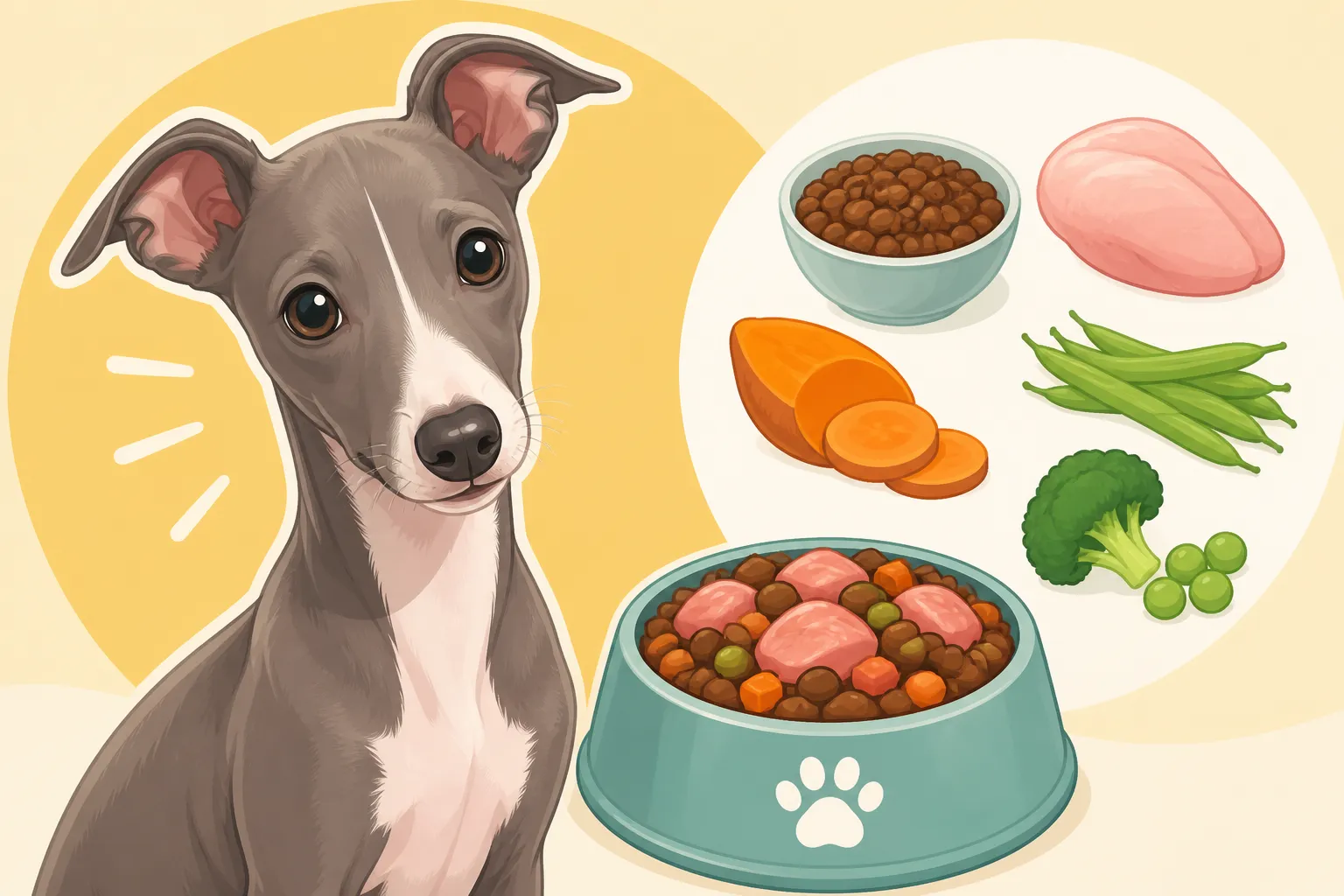
- Single-Ingredient or Limited-Ingredient Options: The fewer ingredients, the less likely they are to trigger an upset tummy. Cooked lean meats (like chicken or turkey, plain and unseasoned, cut into pea-sized pieces) or small bits of fruits and vegetables (like apple slices without seeds, blueberries, or small carrot pieces) can be excellent, natural choices. Always research safe fruits and vegetables for dogs before offering.
- Low-Calorie: Treats should make up no more than 10% of their daily caloric intake. It's easy to go overboard, especially with such a cute, treat-motivated puppy! Using some of their daily kibble as "treats" during training sessions can be a smart way to manage calories.
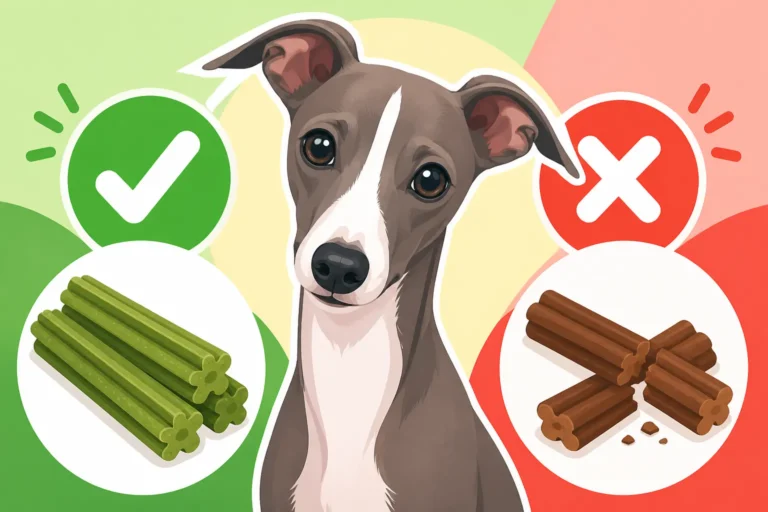
Avoid anything high in fat, sugar, or artificial ingredients. Also, steer clear of hard bones or rawhides, which can be choking hazards and are very hard on tiny puppy teeth and guts. Many popular dog chews found on Amazon might be too large or too tough for a small breed puppy. When you're trying to teach them Why an Italian Greyhound Should Not Play With Large Dogs, you'll want to reward good behavior frequently and gently, and the right treat makes all the difference.
When to Consider Supplements (and When Not To)
Generally, if you are feeding a high-quality, puppy-specific commercial dog food that meets AAFCO standards for growth, your four-month-old Italian Greyhound should not need additional supplements. These foods are scientifically formulated to provide all the vitamins, minerals, and nutrients they need in the correct balance. Giving extra supplements, especially calcium, can actually be harmful, leading to skeletal abnormalities and other health issues. Remember, your puppy's bones are still hardening, and providing Whether an Italian Greyhound Puppy Needs Extra Calcium can throw off their natural growth process.
However, there are rare instances where a veterinarian might recommend a specific supplement:
- Veterinary Recommendation: If your puppy has a diagnosed deficiency, a specific health condition, or is on a specialized diet (like a homemade diet, which should always be formulated with a veterinary nutritionist), your vet might recommend a targeted supplement. This is not something to decide on your own.
- Joint Support (Later Life): While not for a four-month-old, some Italian Greyhounds might benefit from joint support supplements later in life, especially if they've had a history of orthopedic issues like a broken leg. But this is a conversation for their adult or senior years, not puppyhood.
Always consult your veterinarian before adding any supplements to your Italian Greyhound puppy's diet. They can assess your puppy's individual needs, review their current diet, and advise on whether a supplement is truly necessary and safe.
Feeding your four-month-old Italian Greyhound puppy doesn't have to be a source of stress. By focusing on a high-quality, puppy-specific food, controlling portions, maintaining a consistent schedule, and being mindful with treats, you're providing the best possible foundation for their health and well-being. It's an investment in their long and happy future, ensuring they grow into the graceful, affectionate companions we all adore.
Disclaimer
This article is for general informational purposes only and does not constitute professional advice. Laws, prices and regulations vary by location and change over time. Consult a qualified professional for guidance on your specific situation.