Teaching an Italian Greyhound Puppy to Have Its Teeth Brushed
It can feel overwhelming when you bring home a tiny Italian Greyhound puppy, especially when you start thinking about all the lifelong care they'll need. One task that often sparks anxiety in new (and even seasoned!) owners is teeth brushing. But trust me, getting your little Iggy comfortable with dental care from a young age is one of the kindest, most impactful things you can do for their future health and your peace of mind, and this guide will show you exactly how to approach it with patience and positive reinforcement.
Why Early Dental Training Is Non-Negotiable for Italian Greyhounds
Let's be honest, few dog owners love brushing their dog's teeth. It can feel like a chore, a struggle, and often, an uphill battle. But for us Italian Greyhound owners, it's not just a nice-to-do; it's absolutely crucial. These delicate little dogs are prone to significant dental problems, and setting up a routine from puppyhood can literally add years to their happy, healthy lives.
The Italian Greyhound's Unique Dental Predicament
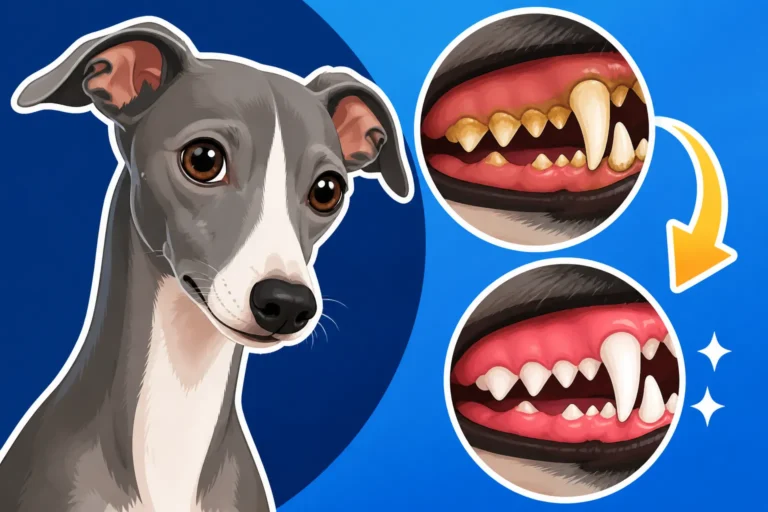
Italian Greyhounds are known for many wonderful traits: their elegance, their speed, their cuddly nature. Unfortunately, they're also known for their notoriously bad teeth. Their long, narrow muzzles, while beautiful, often mean that their teeth are crowded. There simply isn't enough space for all 42 adult teeth to sit comfortably without rotating or overlapping. This crowding creates perfect little pockets for food particles and bacteria to accumulate, quickly leading to plaque and tartar buildup.
What does this mean for your sweet puppy? While their baby teeth might look perfect right now, the stage is already being set for future issues. Periodontal Disease Is the Italian Greyhound's Most Common Diagnosis in the breed, often starting at a surprisingly young age. Without proactive care, many Iggys face painful infections, gum recession, and ultimately, tooth loss. Imagine the discomfort, the veterinary visits, and the cost of repeated dental cleanings and extractions – it's a huge burden that a consistent home care routine can significantly alleviate. It's a bitter pill to swallow to realize your beloved companion might suffer because of something preventable, but understanding this reality is the first step to becoming a proactive Iggy parent. You're not just brushing teeth; you're safeguarding their quality of life.
Building a Positive Association, Not a Battleground
I've talked to countless Iggy owners who tell me they tried brushing, but their dog just hated it, so they gave up. It's a common story, and it's easy to fall into that trap, especially when your tiny puppy is squirming or snapping. The key mistake many of us make is trying to force the issue, turning dental care into a wrestling match. When you approach teeth brushing with an adversarial mindset, your Italian Greyhound quickly learns to associate the toothbrush, the toothpaste, and even the sight of your hand near their mouth, with something unpleasant and scary.
Instead, our goal with an Italian Greyhound puppy is to build a rock-solid foundation of positive association. Every interaction should be gentle, short, and end on a high note. We want them to look forward to teeth brushing because it means gentle handling, tasty treats, and praise. Think of it less as a chore and more as another bonding activity, much like belly rubs or quiet cuddle time. When your puppy sees the toothbrush and wags their tail, you know you've won half the battle. This approach will save you countless headaches and your Iggy a lifetime of stress, ensuring that Brushing an Italian Greyhound's Teeth Every Day is something they accept, and perhaps even enjoy.
Gathering Your Italian Greyhound Puppy's Dental Toolkit
Before you even think about putting a brush in your puppy's mouth, you need to have the right tools ready. Trying to use a human toothbrush or a toothpaste meant for people is a recipe for disaster, and can even be dangerous for your sensitive little Italian Greyhound. Preparation is key to making this a smooth and positive experience for both of you.
Choosing the Right Brush and Toothpaste
The first thing to consider is the size and sensitivity of your Italian Greyhound's mouth. These aren't big dogs, and their mouths are tiny and delicate.
- Toothbrush: Forget those large brushes designed for Labs or Goldens. For an Italian Greyhound puppy, you'll want something much smaller and softer.
- Finger Brushes: These slip over your finger and have soft nubs. They're excellent for getting puppies used to the sensation of something rubbing their teeth and gums. They give you a lot of control and direct contact, which can be reassuring for a nervous pup. However, they aren't always the most effective at scrubbing due to their soft nature.
- Puppy Toothbrushes: These are miniature versions of regular dog toothbrushes, often with extra-soft bristles. Look for ones specifically marketed for small breeds or puppies. They usually have a small head that can maneuver into tight spaces.
- Gauze Pads: In the very beginning, you might even start with just a piece of gauze wrapped around your finger. This is gentle and effective for introducing the sensation and applying toothpaste before your puppy is ready for a brush.
Remember, the goal is comfort and efficacy. What might seem effective to you might be too harsh for your Italian Greyhound's delicate gums. Many excellent options can be found through online retailers like Chewy or Amazon, where you can read reviews from other small dog owners to help guide your choice.
- Toothpaste: This is non-negotiable: always use dog-specific toothpaste. Human toothpaste contains ingredients like fluoride and xylitol, which are toxic to dogs. Xylitol, in particular, can cause a rapid and severe drop in blood sugar, liver failure, and even death. Dog toothpaste, on the other hand, is specifically formulated to be swallowed and often comes in flavors dogs love, like poultry, beef, or peanut butter. These enzymatic toothpastes don't just taste good; they also help break down plaque. This makes the experience much more palatable for your Iggy, turning it into a treat rather than a punishment. Ollie is a popular brand known for pet-friendly products, and while they might not make specific toothpaste, the focus on high-quality, pet-safe ingredients is something to emulate when choosing your dental products.
Treats, Toys, and Timing
Beyond the brushing tools, you'll need a few other essentials to make this a successful venture.
- High-Value Treats: These are your secret weapon. Think tiny pieces of cooked chicken, cheese, or their favorite soft training treats. These treats should be reserved only for dental training sessions, making them extra special and motivating. The higher the value of the reward, the more likely your puppy will be to tolerate, and eventually enjoy, the process.
- Distraction Toys: A favorite chew toy or puzzle toy can be helpful immediately after the brushing session to reinforce the positive experience and give them something to engage with. It tells them, "Good job! Now here's something fun!"
- Timing: When you introduce teeth brushing matters a lot. Don't try it when your puppy is over-excited, overtired, or actively trying to play. The best time is when they are naturally calm and relaxed. This might be after a potty break, following a short play session, or even when they're sleepy and snuggling on the sofa. Consistency is more important than absolute perfection, so try to pick a time of day when you can commit to it regularly. Daily brushing is the ideal scenario for preventing tartar buildup and managing How Common Dental Disease Is in an Italian Greyhound.
Step-by-Step: Making Tooth Brushing a Puppy Playtime
Now that you've got your tools, it's time to introduce your Italian Greyhound puppy to the wonderful world of dental hygiene. Remember, patience is key. Each step might take a few days, or even a week, to master before you move on. Rushing will only create resistance.
Phase 1: Gentle Introduction to Touch and Taste
The very first goal isn't brushing; it's simply getting your puppy comfortable with their mouth being touched and associating the toothpaste with something delicious.
-
Step 1: Muzzle Touch and Lip Lifts:
Start by gently petting your puppy around their face and muzzle while praising them softly. When they're relaxed, gently lift their upper lip for just a second, expose a few teeth, then immediately release and give a high-value treat and praise. Don't push it. If they resist, just go back to gentle petting. Repeat this a few times a day, keeping sessions very short – literally 5-10 seconds. You want to normalize the act of touching their mouth.- Scenario: Your puppy pulls their head away the first time you try to lift their lip. Don't chase their head. Just calmly put your hand down, praise, and give a treat for their stillness, then try again later for a split second. The goal is no pressure.
-
Step 2: The Tasty Toothpaste Treat:
Once they're okay with lip lifts, introduce the toothpaste. Put a pea-sized dab of dog-specific toothpaste on your finger and let your puppy lick it off. Most Italian Greyhounds will find the poultry or beef flavor irresistible! This establishes a positive connection: "Toothpaste means yummy treat!" Do this once or twice a day for a few days without even attempting to touch their teeth.- Scenario: Your puppy is suspicious of the new smell. Offer a tiny bit on a familiar treat first, or just a tiny smear on your finger. Let them discover it on their own terms. Never force it into their mouth.
-
Step 3: Finger-Brushing Practice:
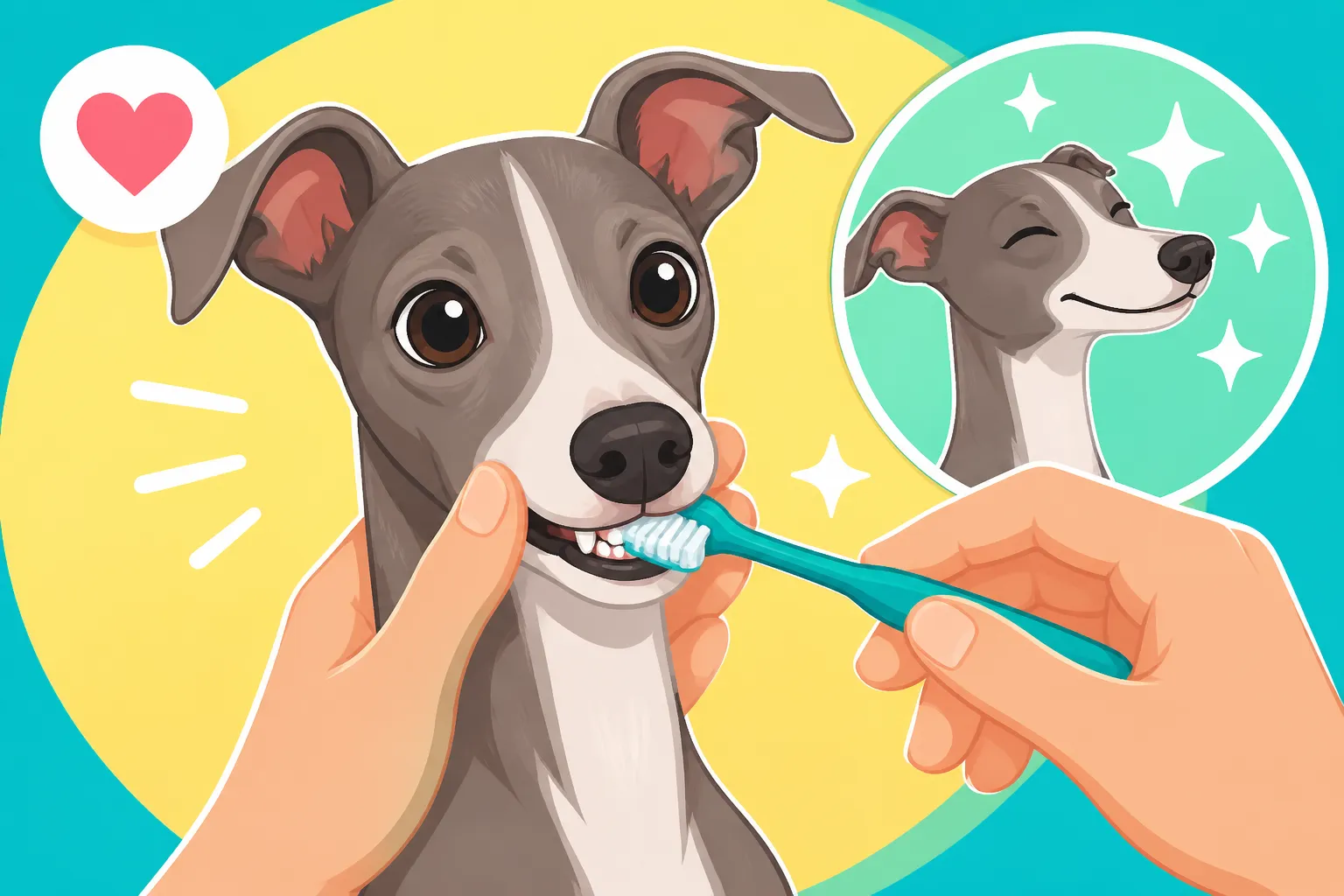
Now combine the two. Put a small amount of toothpaste on your finger (or a gauze pad wrapped around your finger). Gently lift your puppy's lip and rub your finger with the toothpaste over a couple of their canine teeth or premolars. Just a quick swipe! Immediately follow with praise and a high-value treat. Keep it super brief – just a second or two of actual "brushing." The focus is on the experience being pleasant.- Scenario: Your puppy tries to chew on your finger. Make sure your treats are ready immediately after the rub. If they start chewing, stop the rubbing, give the treat, and try again for a quicker rub next time. The objective is to reward not chewing and tolerating the rub.
Phase 2: Bringing in the Brush (or Finger Brush)
Once your puppy is happily accepting your finger with toothpaste, it's time to introduce the actual toothbrush.
-
Step 1: Brush Introduction:
Let your puppy sniff and investigate the toothbrush. Put a little toothpaste on it and let them lick it off the bristles. Again, this builds a positive association: "This new tool also means yummy toothpaste!" Do this a few times over a day or two.- Scenario: Your puppy tries to play with the brush. Let them sniff, but don't turn it into a chew toy. If they mouth it too hard, gently remove it and try again, rewarding for gentle interaction.
-
Step 2: The First Gentle Brush Strokes:
With toothpaste on the brush, gently lift your puppy's lip. Lightly touch the brush to one or two teeth, making a small, circular motion. Just for one or two seconds! Immediately reward with praise and a treat. Focus on the outer surfaces of the teeth first, as these are most prone to plaque buildup. Don't worry about the inside surfaces yet; your puppy's tongue usually does a decent job on those.- Scenario: Your puppy tries to back away. Stop immediately. Go back to just licking toothpaste off the brush, or even just finger-rubbing. The moment you see resistance, retreat to a step they're comfortable with. You're building trust, not pushing limits.
-
Step 3: Gradually Increasing Duration and Area:
Over the next few days and weeks, slowly increase the amount of time the brush is in contact with their teeth, and the number of teeth you brush. Maybe you brush three teeth, then five, then the whole upper or lower row on one side. Always reward after each short success. Aim for brushing both sides of their mouth, upper and lower. Remember, consistency is vital. Doing a little bit every day is far more effective than trying to do a long, thorough scrub once a week. This daily routine is key to ensuring their oral health, as discussed in Why an Italian Greyhound's Teeth Need Brushing Daily.
Phase 3: Establishing a Daily Routine
You've made it! Your puppy is now tolerating the toothbrush. The goal now is to make this a seamless part of your daily life.
- Consistency is Key: Try to brush their teeth at roughly the same time every day. This helps them understand what's coming and makes it part of their routine, just like meal times or walks. Pick a quiet, familiar spot.
- Maintain Positive Reinforcement: Even when they're used to it, keep the praise and high-value treats coming! You want them to continue seeing this as a good thing.
- Focus on the Most Important Areas: While ideally you'd brush every surface of every tooth, the most critical areas for Italian Greyhounds are the outside surfaces of the molars and canines, where plaque tends to accumulate fastest. Don't stress too much about the inside surfaces if your Iggy really resists, but always aim for as much coverage as possible.
- Monitor Progress: Keep an eye on their gums for any redness or inflammation. Regularly check for tartar buildup, especially on the back teeth. This regular visual check is crucial for catching potential issues early. Knowing Which Toothbrush Fits an Italian Greyhound's Mouth and using it diligently will make a significant difference.
Troubleshooting and Long-Term Success
Even with the best intentions and methods, you might hit a snag. That's totally normal! The important thing is to understand how to navigate those bumps and commit to dental care for the long haul.
What to Do When Your Puppy Resists
Sometimes, even after careful introduction, your Italian Greyhound puppy might decide they're not thrilled about tooth brushing. Don't panic, and definitely don't give up!
- Don't Force It: Forcing a resistant Iggy will only make them more fearful and build a negative association. If they're showing genuine distress (tucking their tail, growling, snapping, trying to hide), stop immediately.
- Go Back a Step (or Two): Revisit a phase where they were comfortable. If they resist the brush, go back to just rubbing toothpaste on your finger. If they resist your finger, go back to just letting them lick toothpaste off your finger as a treat. Rebuild trust slowly.
- Change It Up: Try a different flavor of toothpaste, a different type of brush (maybe a finger brush instead of a regular puppy brush, or vice-versa), or a different time of day. Sometimes a new approach can reset their mindset.
- Keep Sessions Shorter: If you've been working on brushing for 30 seconds, cut it down to 10. End before they become fully resistant. Small, frequent positive experiences are better than long, stressful ones.
- Consult Your Vet: If you're truly struggling, talk to your veterinarian. They might have tips or be able to demonstrate proper technique. They can also check for any underlying oral pain that might be causing resistance.
Here's a quick guide to common challenges and how to address them:
| Challenge | Possible Cause | Solution |
|---|---|---|
| Puppy pulls head away | Feeling of vulnerability, discomfort with touch | Revert to muzzle petting and gentle lip lifts with immediate reward; use high-value treats. |
| Puppy tries to chew brush | Curiosity, treating it like a toy, discomfort | Offer a high-value treat after a quick, non-chewing touch; use a finger brush for more control initially. |
| Puppy avoids toothpaste flavor | Doesn't like the taste | Try a different dog-specific flavor (poultry, beef, peanut butter); offer it on a treat first. |
| Puppy growls/snaps | Fear, pain, severe discomfort | Stop immediately. Rule out oral pain with vet. Reintroduce very slowly, focusing on positive association from scratch. |
| Puppy won't open mouth | General resistance, discomfort with manipulation | Focus on brushing outside surfaces only initially; use a finger brush to gently access. Keep it gentle and brief. |
The Lifelong Benefits and Maintaining the Habit
Committing to daily dental care for your Italian Greyhound puppy is a gift that keeps on giving. This consistent effort will significantly reduce the risk of future dental disease, which can be incredibly painful and costly. Italian Greyhounds are prone to severe periodontal disease, and this disease can eventually lead to systemic health problems, impacting their heart, kidneys, and liver. How Dental Disease Shortens an Italian Greyhound's Life is not an exaggeration. By proactively brushing their teeth, you are quite literally investing in their longevity and overall well-being.
As your Italian Greyhound grows older, maintaining this habit will become even more crucial. Senior Iggys, in particular, can be more susceptible to dental issues, and continuing the routine you established in puppyhood will make their later years much more comfortable. Caring for an Italian Greyhound Past Eleven often involves increased veterinary oversight, and good dental health will lighten that load. While home brushing is paramount, remember that even with the best home care, professional dental cleanings under anesthesia will likely still be necessary throughout your Iggy's life. These cleanings, during which your vet can address issues like Why an Italian Greyhound's Jaw Can Break During Extraction during dental procedures, are much less frequent and less intensive if you're diligent with daily brushing. Think of daily brushing as preventative maintenance, keeping the engine running smoothly between major service appointments. It's a commitment, but one your Italian Greyhound will thank you for with every happy, healthy year.
Disclaimer
This article is for general informational purposes only and does not constitute professional advice. Laws, prices and regulations vary by location and change over time. Consult a qualified professional for guidance on your specific situation.