How Fast Tartar Returns on an Italian Greyhound
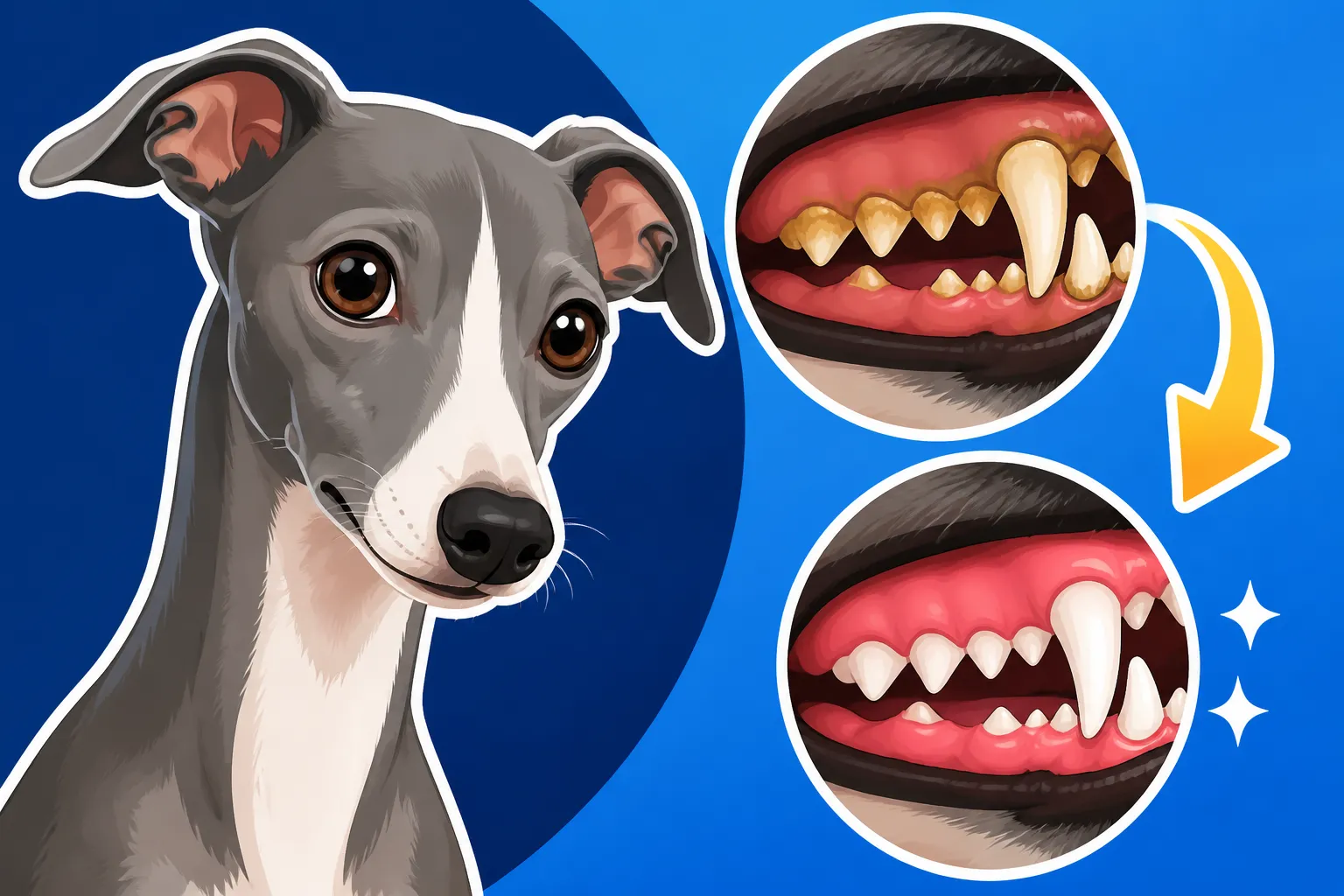
It’s a frustrating cycle, isn't it? You go through the stress and expense of a professional dental cleaning for your beloved Italian Greyhound, envisioning sparkling white teeth for months to come, only to peek inside their mouth a few weeks later and see that familiar yellow film already starting to creep back. It feels like you’re fighting a losing battle, and it leaves many Italian Greyhound owners wondering if all that effort was even worth it. This guide will walk you through exactly why tartar seems to return so quickly on our delicate Iggies and what proactive steps you can take to make those clean teeth last longer.
The Swift Return: Why Tartar Is an Italian Greyhound's Persistent Problem
If you've ever felt like your Italian Greyhound develops tartar at an alarming rate compared to other breeds, you're not imagining things. Our little sighthounds are, unfortunately, predisposed to dental issues, and the speed at which tartar returns post-cleaning is a direct consequence of their unique oral anatomy and genetics. It’s a battle many of us Italian Greyhound owners know all too well, often leading to Periodontal Disease Is the Italian Greyhound's Most Common Diagnosis.
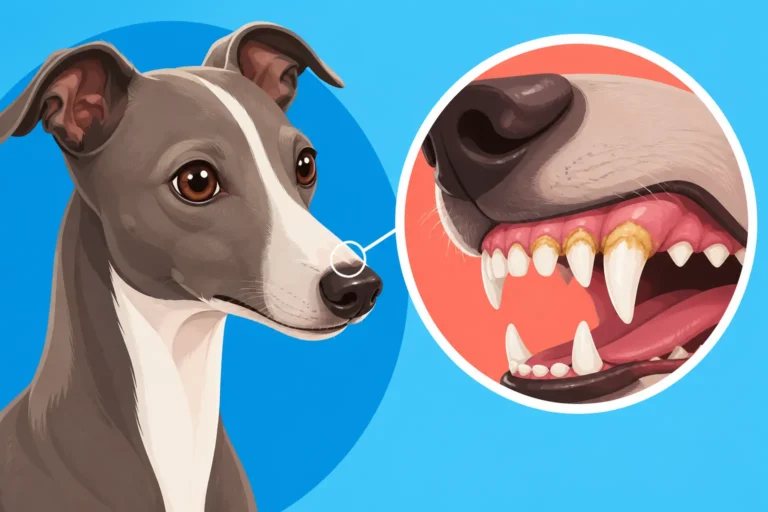
Think about their tiny mouths. An Italian Greyhound's skull, while elegant and refined, often doesn't have enough real estate to accommodate all 42 adult teeth comfortably. This crowding creates nooks and crannies where food particles and bacteria can easily get trapped. These are perfect breeding grounds for plaque, that sticky, colorless film that forms on teeth every single day. Within a mere 24-48 hours, if not removed, this plaque starts to mineralize, transforming into hard, crusty tartar (also known as calculus). Once tartar forms, you can't simply brush it away at home; it requires professional intervention to remove. This rapid mineralization is why you might notice signs of How Early Tartar Appears on an Italian Greyhound soon after a dental.
Furthermore, some Italian Greyhounds have genetic predispositions that influence the composition of their saliva, making them more prone to plaque accumulation and faster mineralization. It’s not a reflection of poor care, but rather an inherent characteristic of the breed. We simply have to be more vigilant and consistent than owners of many other breeds. The specific way their teeth are shaped and angled due to Why an Italian Greyhound's Teeth Crowd also exacerbates the problem, making effective brushing even more challenging in certain areas.
Understanding the Tartar Buildup Timeline After a Professional Cleaning
Even with the most meticulous professional cleaning, which removes all existing plaque and tartar above and below the gumline, the slate isn't wiped clean forever. The moment your Italian Greyhound leaves the veterinary clinic, the process of plaque formation begins anew. It's a continuous, natural biological process, but how quickly it progresses to visible tartar depends on several factors, including your home care routine.
Initially, after a dental cleaning, your Italian Greyhound's teeth are polished smooth. This polishing step is crucial because it creates a less hospitable surface for bacteria to cling to, giving you a slight head start. However, within hours, a thin film of proteins from saliva, called the pellicle, forms on the tooth surface. Bacteria quickly colonize this pellicle, forming plaque. If this plaque is not removed daily through mechanical action (like brushing), it starts to absorb minerals from the saliva, specifically calcium and phosphate. This is the mineralization process that hardens plaque into tartar.
For an Italian Greyhound, especially those with crowded teeth or specific salivary compositions, this transition can be remarkably swift. While it might take weeks or even months for visible tartar to reappear in some dogs, many Italian Greyhounds will show signs of renewed plaque and the beginnings of tartar formation within a matter of days to a couple of weeks, particularly on the outer surfaces of the upper molars and canines, which are often the most exposed areas. Without consistent daily home care, a significant amount of tartar can accumulate within just a few months, bringing you back to square one much faster than you’d like.
Here's a general timeline to give you an idea of what happens:
| Timeframe After Cleaning | What's Happening in Your IG's Mouth |
|---|---|
| Within Hours | Pellicle forms, bacteria begin to attach. |
| 1-3 Days | Plaque biofilm develops, becoming thicker. |
| 3-7 Days | Plaque starts to mineralize, forming soft tartar. |
| 1-2 Weeks | Tartar becomes visibly harder, yellowish or brownish. |
| 1-3 Months | Significant tartar accumulation, potentially causing gum inflammation. |
| 3-6 Months | Tartar buildup progresses, increasing risk of periodontal disease. |
This table illustrates why consistent, daily home care is paramount. Skipping even a few days can allow the process to accelerate, making it harder to catch up.
Your Daily Defense: Slowing Down Tartar Recurrence at Home
Knowing that tartar is an Italian Greyhound's inevitable adversary means you must become a diligent defender of their dental health at home. This isn't just about aesthetics; preventing severe tartar buildup is critical for your IG's overall health and can extend their life, given that How Dental Disease Shortens an Italian Greyhound's Life. The good news is that while you can't stop the process entirely, you can significantly slow it down with a consistent, multi-pronged approach.
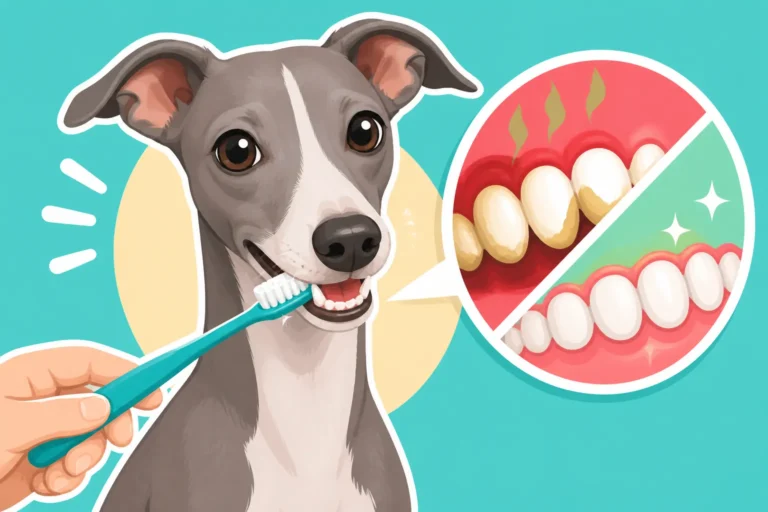
The cornerstone of any effective home dental care routine is daily tooth brushing. Yes, daily. Many owners ask Why an Italian Greyhound's Teeth Need Brushing Daily, and the answer lies in that rapid plaque mineralization. Brushing every day removes the plaque before it has a chance to harden into tartar. It's a mechanical action, physically scrubbing away the sticky film. This might sound daunting, but even a quick 60-second brush can make a huge difference. You'll need a pet-specific toothbrush and toothpaste (never use human toothpaste, as it contains ingredients toxic to dogs). You can find a wide variety of these supplies on platforms like Chewy or Amazon. For a helpful guide, check out Which Toothbrush Fits an Italian Greyhound's Mouth to ensure you're using the right tool.
Beyond brushing, several other tools can support your efforts:
- Veterinary Oral Health Council (VOHC) Approved Dental Chews: Not all dental chews are created equal. Look for products that carry the VOHC seal, as these have been scientifically proven to reduce plaque and/or tartar. While they don't replace brushing, they can be a helpful supplement, especially on days when a full brush isn't possible. However, always supervise your Italian Greyhound with any chew, and be aware that Whether Dental Chews Do Anything for an Italian Greyhound varies greatly by product and individual dog. Some Iggies aren't vigorous chewers, limiting the effectiveness.
- Dental Water Additives: These are solutions you add to your Italian Greyhound's drinking water that can help reduce bacteria and plaque formation. They are relatively easy to use and can provide an extra layer of protection, especially for Iggies who are resistant to brushing. Again, look for VOHC-approved options for proven efficacy. You can often find these readily available from popular pet supply retailers.
- Dental Diets: Specific kibble formulations are designed with larger kibble sizes or unique textures that help "scrub" the teeth as your dog chews. This mechanical action can reduce plaque buildup. Consult your vet to see if a dental diet is appropriate for your Italian Greyhound. While not a standalone solution, it contributes to overall oral hygiene.
- Oral Wipes or Gels: If brushing is truly impossible, oral wipes can provide some mild mechanical removal of plaque, and dental gels can be applied to the teeth to inhibit bacterial growth. These are less effective than brushing but certainly better than nothing.
The key is consistency. A routine, even a short one, performed daily will yield far better results than infrequent, lengthy sessions. Start slowly, make it a positive experience with praise and treats, and gradually increase the duration.
The Long Game: When to Consider the Next Professional Dental
Despite your best at-home efforts, professional dental cleanings will likely remain a necessary part of your Italian Greyhound's long-term health plan. The goal of home care is to extend the interval between these cleanings, not eliminate them entirely. So, how do you know when it’s time to schedule the next one?
Several factors come into play. Your veterinarian will typically recommend a schedule based on your Italian Greyhound's individual predisposition, the effectiveness of your home care, and the rate of tartar buildup they observe during routine check-ups. For many Italian Greyhounds, even with excellent home care, a professional cleaning might still be needed every 1-2 years. For those with severe crowding or genetic tendencies, it might be more frequent, perhaps annually. The article How Often an Italian Greyhound Needs a Dental Cleaning goes into more detail on this.
Beyond the recommended schedule, pay attention to these signs that a professional dental is probably due:
- Persistent Bad Breath: While some "dog breath" is normal, truly foul odor, often described as rotten, can indicate significant bacterial overgrowth and advanced dental disease. This is a clear sign that What an Italian Greyhound's Breath Should Smell Like is far from healthy.
- Visible Tartar Buildup: If you see thick, brownish, or yellowish calculus on multiple teeth, especially along the gumline, it's time. This is tartar that you simply cannot remove with brushing alone.
- Red, Swollen, or Bleeding Gums: These are classic signs of gingivitis, the early stage of periodontal disease. Healthy gums should be pale pink and firm.
- Reluctance to Eat or Chewing on One Side: While Iggies are often stoic, if they start showing discomfort when eating, dropping food, or favoring one side of their mouth, it's a strong indicator of pain that could be dental-related.
- Loose or Missing Teeth: This is a sign of advanced periodontal disease where the supporting structures of the tooth are compromised.
- Changes in Behavior: Some Iggies might become withdrawn, less playful, or even irritable due to chronic dental pain. They are masters at hiding pain, so any subtle change should be noted.
During your Italian Greyhound's annual wellness exam, your vet will perform an oral check. They can assess the level of plaque and tartar, check for gum inflammation, and help you determine the best timing for the next professional cleaning. Remember, postponing necessary dental work can lead to more serious health issues, as bacteria from infected gums can enter the bloodstream and affect vital organs. Proactive management, both at home and with your vet, is the best way to ensure your Italian Greyhound enjoys a long, healthy life with a comfortable mouth.
Disclaimer
This article is for general informational purposes only and does not constitute professional advice. Laws, prices and regulations vary by location and change over time. Consult a qualified professional for guidance on your specific situation.