Why an Italian Greyhound’s Skin Splits Instead of Bruising
It’s a fear every Italian Greyhound owner knows well: that thin, delicate skin. Instead of a typical bruise after a bump, you often find a clean, shocking split, a gaping tear that makes your heart stop. This guide dives deep into why our beloved Iggies are prone to these alarming skin lacerations, what causes them, and how you can best protect your fragile friend and provide immediate care when the inevitable happens.
The Unique Physiology of Italian Greyhound Skin
You might have noticed how incredibly fine and almost translucent your Italian Greyhound's skin appears. It's not just your imagination; there's a real physiological reason why their skin responds to trauma by splitting rather than bruising like many other breeds. Most dogs, when they bump into something or get a minor scrape, will develop a bruise. That purple or yellowish mark is the result of tiny blood vessels under the skin breaking, allowing blood to leak into the surrounding tissues. Their skin and the layer beneath it, called the subcutaneous fat, are typically thicker and more elastic, providing a cushion.
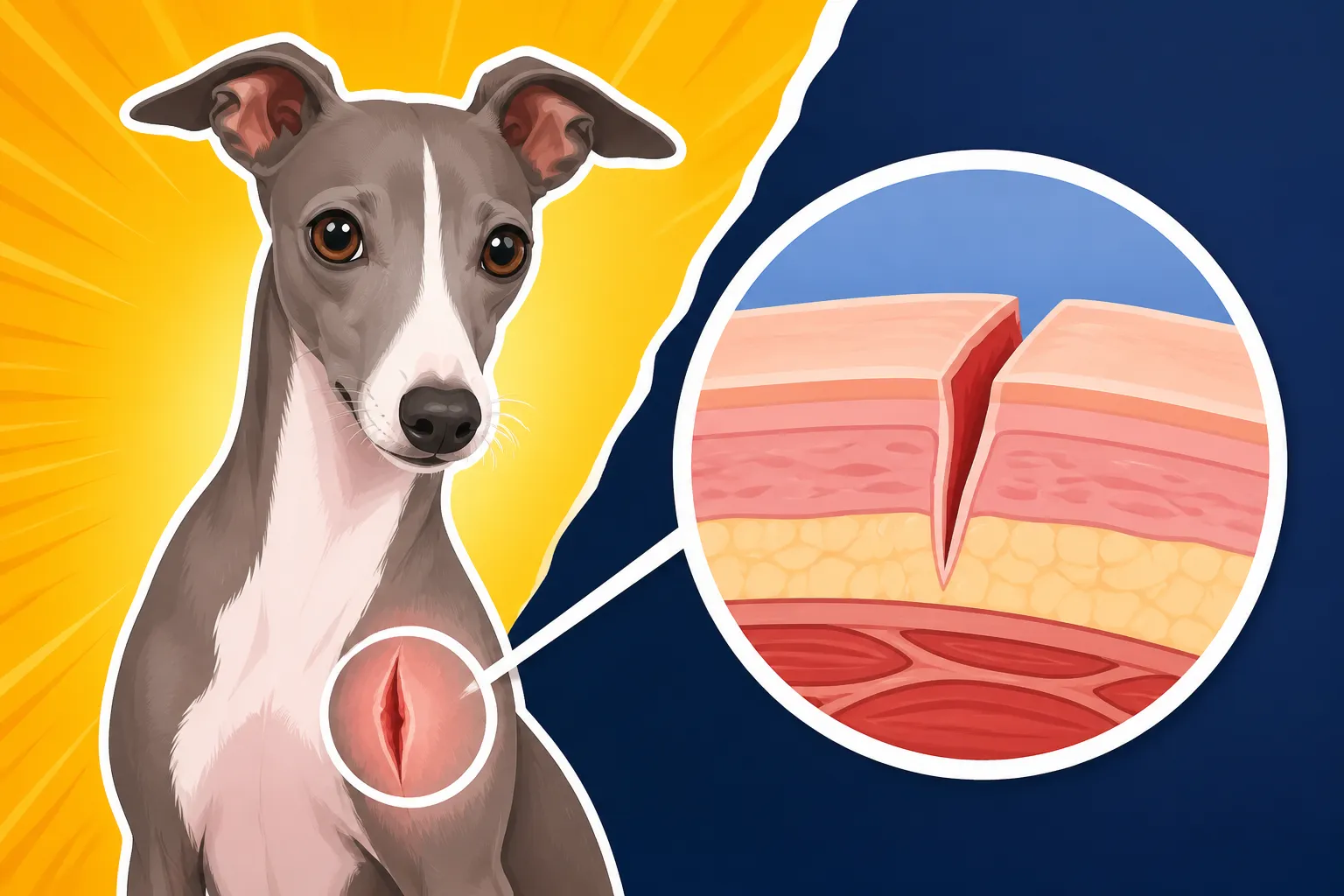
However, Italian Greyhounds are built differently. They possess an incredibly thin layer of skin, often described as "paper-thin," which is tightly stretched over their lean musculature and delicate bones. What's more, they have very little subcutaneous fat – that cushioning layer that absorbs impact. Think about it: our Iggies are famously low on body fat, often carrying only around seventeen percent, which means there's less "padding" to protect their delicate skin. When a force is applied to their skin, instead of the pressure distributing and causing a bruise, the lack of elasticity and protective fat means the skin simply cannot stretch or absorb the impact. It just gives way, tearing cleanly. It’s less like hitting a firm, padded surface and more like pressing on a thin sheet of paper stretched over a hard surface. This inherent fragility means a seemingly minor incident can result in a startling laceration that looks far worse than it might be for a dog with thicker skin. This also directly relates to Why an Italian Greyhound Carries Almost No Body Fat.
The Role of Subcutaneous Fat and Collagen
In most mammals, including other dog breeds, the subcutaneous fat layer acts as a shock absorber. It cushions blows and allows the skin to move and stretch over underlying structures, preventing direct trauma to the skin itself. This layer also contains many blood vessels. When these vessels rupture, you get a bruise. With Italian Greyhounds, this fat layer is incredibly sparse, almost non-existent in many areas, particularly over bony prominences like their elbows, hips, and legs. This anatomical reality means there's virtually nothing to absorb impact or cushion the skin from external forces.
Beyond the fat, the very structure of the skin itself plays a role. The collagen and elastin fibers in an Italian Greyhound's dermis (the layer beneath the epidermis) tend to be finer and less robust than in breeds with thicker, tougher hides. This contributes to the skin's lack of tensile strength and elasticity. So, when their skin encounters an abrasive surface, a sharp edge, or even a strong blunt force, it literally parts. There's no "give." It's a clean break, often exposing the underlying muscle or tissue, which can be incredibly shocking for an owner to witness. This is a crucial factor in understanding Cuts, Scrapes and an Italian Greyhound's Paper Thin Skin. It’s not just thin; it’s less resilient at a microscopic level.
Why This is More Prevalent in Iggies Than Other Breeds
While all dogs can sustain skin injuries, the Italian Greyhound's unique combination of minimal body fat, paper-thin skin, and a lack of elasticity makes them exceptionally prone to these splitting wounds. Contrast this with a bulldog, for instance, with its thick, loose skin and robust underlying fat layers; a bump that would cause a laceration on an Iggy might only result in a minor scrape or simply be absorbed without a mark on the bulldog. It's not a sign of poor health; it's simply how the breed is constructed, a consequence of their delicate, fine-boned structure that makes them so elegant and athletic in other ways.
This inherent fragility means that owners must be hyper-aware of their environment and take proactive steps to protect their Iggies. What might be a harmless brush against a table leg for a sturdier dog could be a trip to the vet for sutures for an Italian Greyhound. Even playful nips from another dog, if they catch the skin at the wrong angle, can cause a tear rather than just a playful red mark. Knowing this physiological truth helps you approach daily life with your Italian Greyhound with the appropriate level of caution and preparedness.
Common Scenarios Leading to Skin Tears
It feels like you just look at them wrong, and suddenly, there's a tear. While that's an exaggeration, it certainly feels that way sometimes with Italian Greyhounds because their delicate skin is susceptible to so many everyday hazards. Many owners can recount a story of how their Iggy sustained a surprisingly significant skin injury from what seemed like the most innocuous event. It's often the small, unexpected things that cause the most trouble.
Everyday Household Hazards
Your home, which you might consider a safe haven, is actually full of potential hazards for an Italian Greyhound's thin skin. Think about sharp corners on furniture like coffee tables, end tables, or even kitchen counters. A quick turn or a misjudged jump can lead to a brush against one of these edges, resulting in a skin tear. Consider door frames; if your Iggy tries to squeeze through a closing door or brushes against the frame too quickly, that thin skin can snag and split. Even seemingly soft surfaces can be culprits. For example, some Iggies have managed to tear their skin on the edge of a sturdy dog bed if they scratch too vigorously, or on the rough fabric of a sofa if they launch themselves off it in a burst of "zoomies." This is why things like Ramps and Steps for an Italian Greyhound's Furniture are so important, not just for preventing broken legs, but also for avoiding less severe but still concerning skin injuries.
Kids and other pets can also inadvertently cause issues. A child, even one who is usually very gentle, might accidentally step on an Iggy's foot or tug too hard during play, and if the skin catches on something, it can tear. Similarly, roughhousing with larger dogs, even if well-meaning, can lead to accidental nicks or scrapes that escalate to splits on an Iggy. It’s less about malice and more about the sheer difference in skin resilience between breeds. Sometimes, it’s even their own claws. If their nails are a bit long, a vigorous scratch can cause a tear, highlighting the importance of How Often an Italian Greyhound's Nails Need Trimming.
Outdoor Adventures and Playtime Mishaps
While we want our Italian Greyhounds to enjoy the outdoors and get their exercise, outside environments present even more potential for skin tears. A seemingly harmless walk in the park can become an emergency if they brush against a thorny bush, a sharp stick, or even rough pavement. Running off-leash in an unfenced area, which is generally not recommended for Iggies due to their strong prey drive, could lead to them darting through underbrush and sustaining multiple tears. Even a playful tumble with another Iggy can sometimes result in a skin tear if an elbow or foot catches at the wrong angle.
Imagine a scenario: you're at the dog park (if you choose to risk it, knowing the dangers for an Iggy) and your Italian Greyhound is zipping around, doing their signature sprints. They might slide into another dog or scrape against a rough patch of ground at high speed. The momentum, combined with their fragile skin, means a simple slide could become a skin laceration. Even an enthusiastic roll in the grass might result in a tear if they hit a hidden rock or sharp root. This is the constant dilemma for Iggy owners: how to let them be dogs while simultaneously protecting their incredibly delicate bodies. It's why many Iggy owners opt for carefully curated play environments or stick to indoor zoomies to reduce the risk.
Immediate First Aid and When to Seek Veterinary Care
Discovering a skin tear on your Italian Greyhound can be startling. The sight of a raw, open wound, often with little to no bleeding initially (because the skin just parts), can make even the most seasoned dog owner panic. But taking a deep breath and knowing what to do immediately can make a big difference in how the wound heals and prevent further complications.
Initial Assessment and Cleaning
First things first, assess the wound calmly. Is it actively bleeding profusely? (This is rare with a simple tear, but possible). Is it a superficial scrape, or does it look deep, exposing muscle or fat? For most typical Italian Greyhound skin splits, you'll see a clean separation of the skin layers.
Your immediate goal is to clean the wound gently to prevent infection. Don't use harsh cleansers like hydrogen peroxide or rubbing alcohol; these can damage delicate tissue and hinder healing. Instead, use a mild antiseptic solution, such as diluted povidone-iodine (it should look like weak tea) or chlorhexidine scrub, which you can get from most pet supply stores or pharmacies. If you don't have these, sterile saline solution or even plain warm water and a mild, pet-safe soap (like Dawn dish soap, which is often used in vet clinics for initial cleaning of greasy wounds) can work in a pinch. Gently flush the wound, making sure to remove any dirt, hair, or debris. You can use a clean cloth or sterile gauze pads. If you keep a well-stocked pet first aid kit, items like those found on Amazon or Chewy are invaluable for these moments. What to Keep in a First Aid Kit for an Italian Greyhound is a must-read for every Iggy owner.
Protecting the Wound and When to Head to the Vet
Once cleaned, the next step is to protect the wound. Apply a thin layer of an antibiotic ointment, like Neosporin (ensure it doesn't contain pain relievers, which can be toxic if ingested), and then cover it with a non-stick sterile pad. Secure the pad with conforming gauze roll and then wrap with self-adhering bandage tape, like VetWrap, being careful not to wrap too tightly to cut off circulation. You should be able to slip two fingers comfortably under the bandage. Check the toes frequently for swelling or coldness, which could indicate a too-tight bandage.
Knowing when a vet visit is necessary is critical. Not every tear needs stitches, but many do, especially with an Italian Greyhound's delicate skin. You should absolutely take your Iggy to the vet if:
- The wound is deep, exposing muscle, bone, or significant fat (even if they don't have much!).
- The edges of the wound gape open widely and won't stay closed.
- The wound is long (more than an inch or so).
- It's in a highly mobile area (like a joint) where it will be difficult for the skin to knit back together.
- You can't thoroughly clean out debris.
- The wound becomes red, swollen, hot to the touch, or starts oozing pus, indicating infection.
- Your dog seems to be in significant pain or is limping.
- You are simply unsure or uncomfortable treating it yourself.
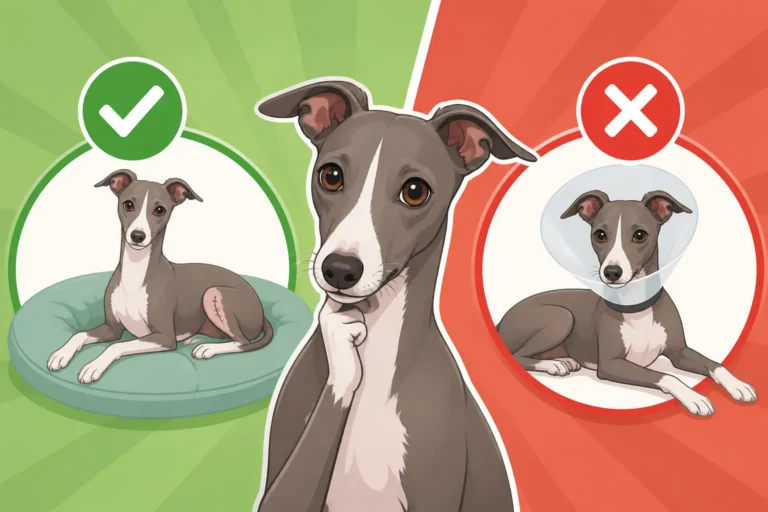
A veterinarian will be able to properly clean and assess the wound, determine if sutures or skin glue are needed (related to When an Italian Greyhound's Cut Can Be Glued), and prescribe antibiotics if necessary. They can also ensure that proper healing takes place, as leaving a deep skin tear untreated can lead to serious infection or complications. Sometimes, a vet may recommend a "cone of shame" (E-collar) to prevent your Iggy from licking or chewing the wound, which can quickly undo any repair work. This is important to consider for Whether an Italian Greyhound Needs a Cone After Stitches.
Here's a quick reference for immediate care:
| Action | Description |
|---|---|
| Stay Calm | Your panic will stress your dog. Take a deep breath. |
| Assess the Wound | Determine depth, length, and if there's active bleeding. Look for debris. |
| Gently Clean | Use diluted povidone-iodine, chlorhexidine, sterile saline, or warm water with mild soap. Avoid hydrogen peroxide/alcohol. |
| Apply Ointment | Thin layer of plain antibiotic ointment (e.g., Neosporin without pain relief). |
| Cover & Protect | Use a non-stick sterile pad, conforming gauze, and self-adhering bandage tape. Ensure it's not too tight. |
| Monitor | Check for swelling, coldness in toes (if on a limb), redness, heat, pus, or increased pain. |
| Seek Vet Care If… | Wound is deep/gaping, >1 inch, in a mobile area, can't be cleaned, shows signs of infection, or you are concerned. |
Prevention Strategies for Protecting Delicate Italian Greyhound Skin
Living with an Italian Greyhound means accepting their delicate nature, but it doesn't mean resigning yourself to constant vet visits for skin tears. Proactive prevention is truly the best medicine. By making some thoughtful adjustments to your home and daily routines, you can significantly reduce the likelihood of these alarming injuries. It's all about creating a bubble of safety for your fragile friend.
Environmental Modifications
Your home is where your Italian Greyhound spends most of their time, so it's the first place to focus your prevention efforts. Walk around your house from an Iggy's perspective, down low. Look for sharp corners on furniture, especially coffee tables, end tables, and even fireplace hearths. You can purchase soft corner protectors (often found for child-proofing on Amazon) to mitigate these risks. Check for loose floorboards or snag hazards that could catch a tiny paw or skin. If you have stairs, consider gating them to prevent falls, as not only can they break bones, but a tumble down the stairs could also result in significant skin abrasions.
Think about surfaces. Hardwood floors, while beautiful, offer little traction and can contribute to slips and falls. Consider placing rugs or carpet runners in high-traffic areas where your Iggy runs, especially near furniture they might jump on or off. This provides better grip and a softer landing, helping to prevent both fractures and skin tears. Ensure their beds are soft and deeply cushioned, offering support to bony areas and preventing pressure sores that could weaken skin over time. Why an Italian Greyhound Needs Orthopedic Foam explains this in more detail. Many quality orthopedic beds can be found at Chewy.
Protective Clothing and Thoughtful Play
One of the simplest and most effective ways to protect your Italian Greyhound's skin, especially when they're active or outdoors, is with clothing. Sweaters, coats, and even full-body suits aren't just for warmth; they provide a crucial layer of protection against scrapes, tears, and even sunburn on their thinly furred bodies. When your Iggy is running in the yard, playing with other dogs, or simply exploring, a well-fitting coat can mean the difference between a minor brush and a trip to the emergency vet. Look for durable, yet comfortable fabrics. This is particularly important for An Italian Greyhound in Summer and in Snow, as both extremes can challenge their delicate skin.
Supervised play is also paramount. While Italian Greyhounds love to run and play with their own kind, or gentle larger dogs, it's vital to monitor interactions, especially with dogs that might be more boisterous or less aware of an Iggy's fragility. Any game involving rough tumbling, biting, or intense chasing through obstacles should be carefully managed or avoided altogether. Similarly, when playing fetch or tug, ensure the toys are soft and don't have any sharp edges that could accidentally catch their skin. Knowing How an Italian Greyhound Behaves With Small Children can also help in managing environments to protect their skin from accidental harm.
Nutrition and Overall Skin Health
While good nutrition won't make your Italian Greyhound's skin suddenly tough like a rhinoceros, it does play an important supporting role in overall skin health and healing. A high-quality diet provides the necessary vitamins, minerals, and essential fatty acids that contribute to a healthy skin barrier and efficient wound repair. Look for dog foods that list real meat as the first ingredient and contain omega-3 and omega-6 fatty acids. Brands like Ollie, known for fresh, human-grade ingredients, can contribute to their overall well-being, including skin and coat health, even if it won't prevent a tear from a direct trauma.
Ensure your Iggy is well-hydrated, as healthy skin needs moisture from within. While it might seem obvious, consistent, fresh water access is a simple yet crucial component of overall health. Finally, regular grooming, including gentle baths with appropriate shampoos (see Which Shampoo Suits an Italian Greyhound's Skin) and keeping their nails trimmed, helps prevent minor irritations and self-inflicted injuries that could become larger issues. Taking a holistic approach to your Italian Greyhound's care creates a stronger foundation for their delicate skin to resist damage and heal effectively when injuries do occur.
Disclaimer
This article is for general informational purposes only and does not constitute professional advice. Laws, prices and regulations vary by location and change over time. Consult a qualified professional for guidance on your specific situation.